Tesla’s $3.6B Semi Gamble Hits Texas Roads As ‘Charging Math’ Decides Everything
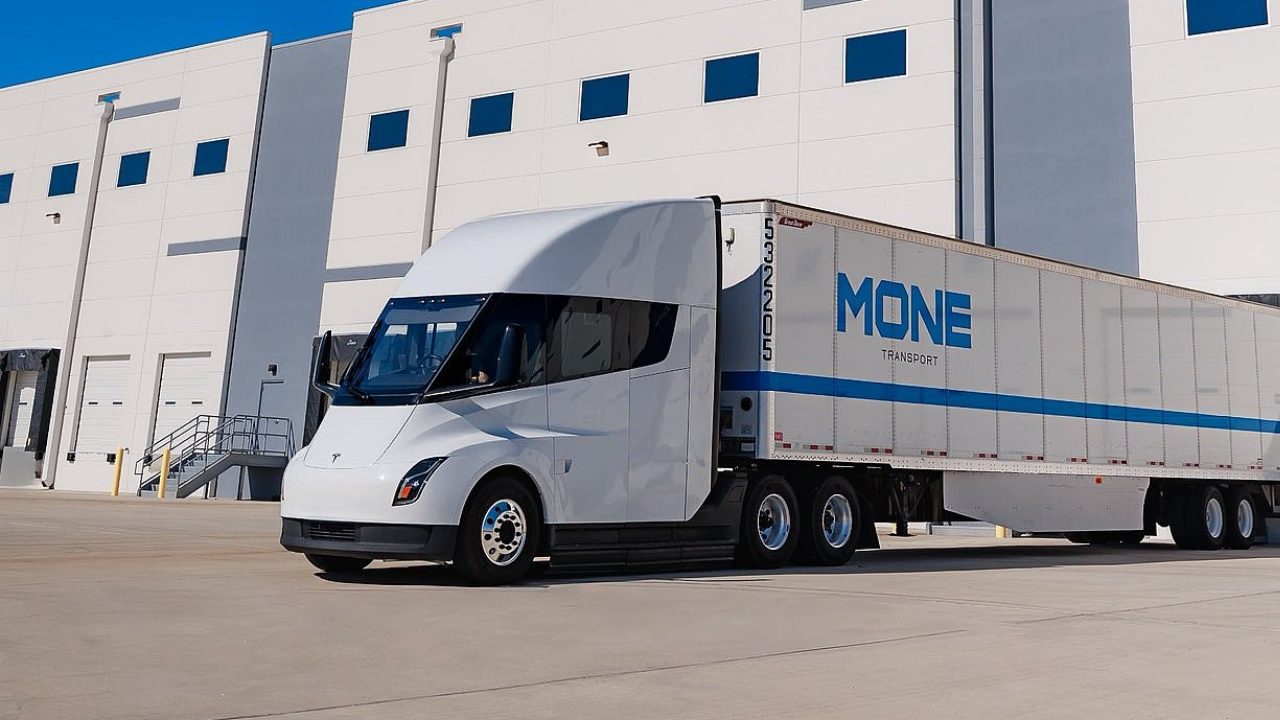
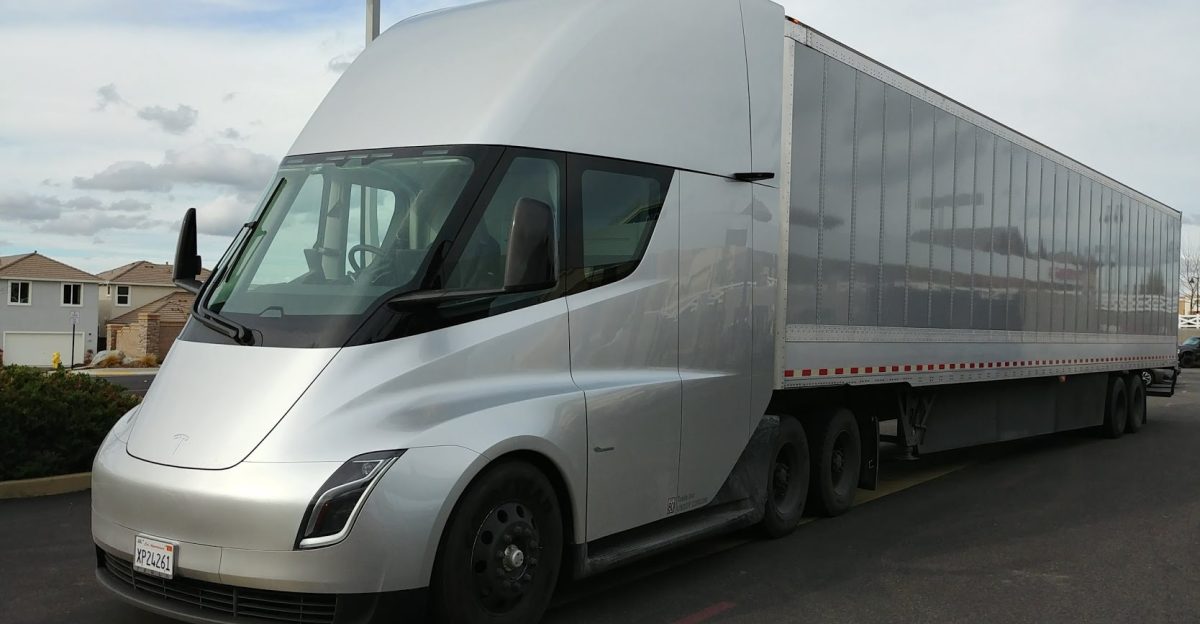
An all-electric Class 8 truck rolled into a Texas logistics yard with no diesel rattle, no exhaust plume, and a claimed 500-mile range on the spec sheet. Tesla’s Semi pilot program had just expanded again, this time to a Texas-based freight operation willing to run the truck on real corridors. The spec sheet looked bulletproof. But somewhere between the charger and the first delivery window, a different kind of math was already running.
Loaded Stakes
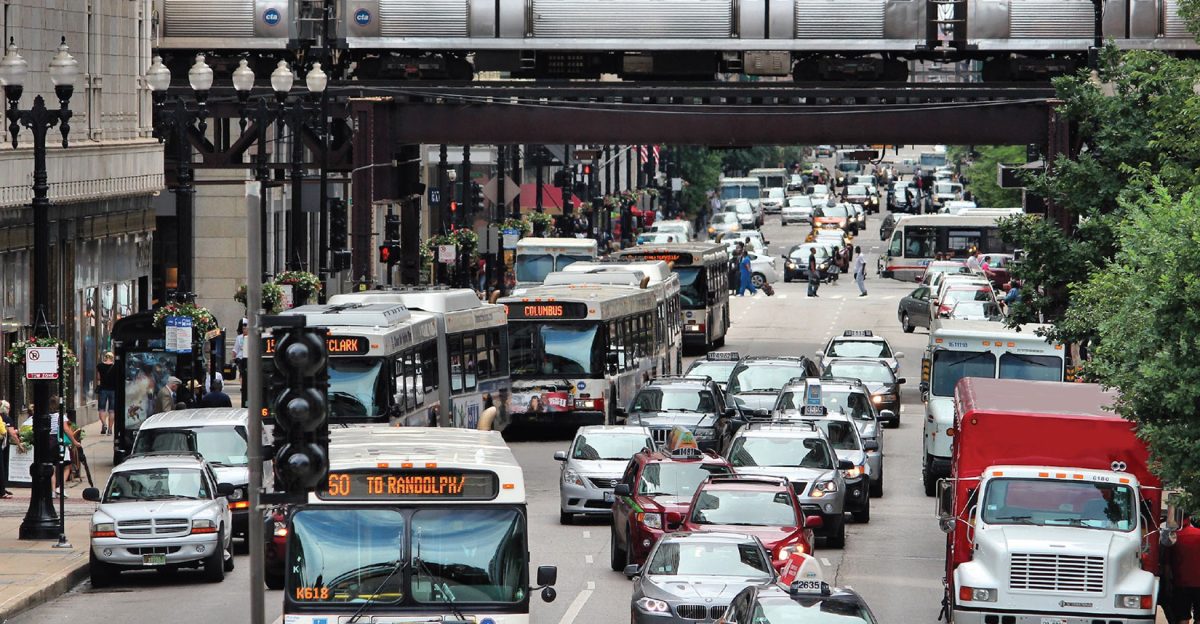
This pilot didn’t land in a vacuum. Transportation remains the largest source of U.S. greenhouse gas emissions, according to the EPA. That makes heavy-duty electrification a policy battleground where every route test carries regulatory weight. Tesla positioned the Semi for exactly this fight: freight applications where diesel dominance looks most vulnerable. A Texas logistics firm signed on to find out whether 500 miles of battery range translates into 500 miles of actual revenue. The answer depends on something the truck can’t carry.
The Myth
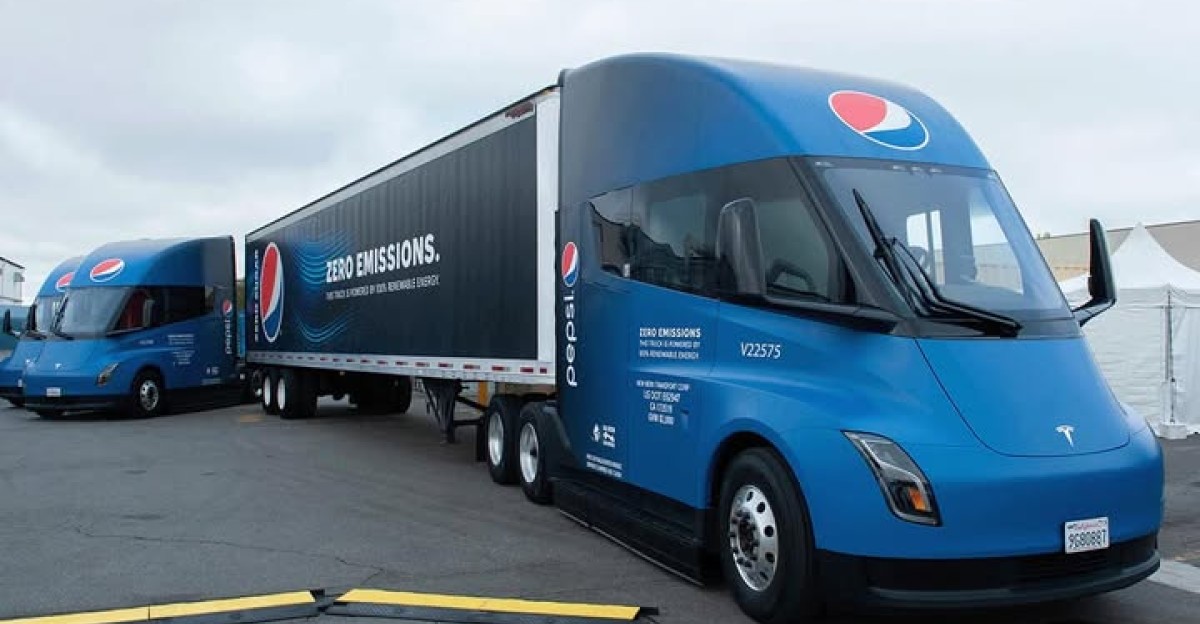
Most people assume the hard part is building the truck. Tesla built it. PepsiCo received the first Semi deliveries back in December 2022 and started running them. And yet, years later, the language around the program is still “pilot expansion.” Not “fleet rollout.” Not “mass adoption.” Pilot. That word is doing heavy lifting. It signals that something beyond the vehicle remains unproven, and the Texas expansion is designed to stress-test exactly what that something is.
Corridor Bet
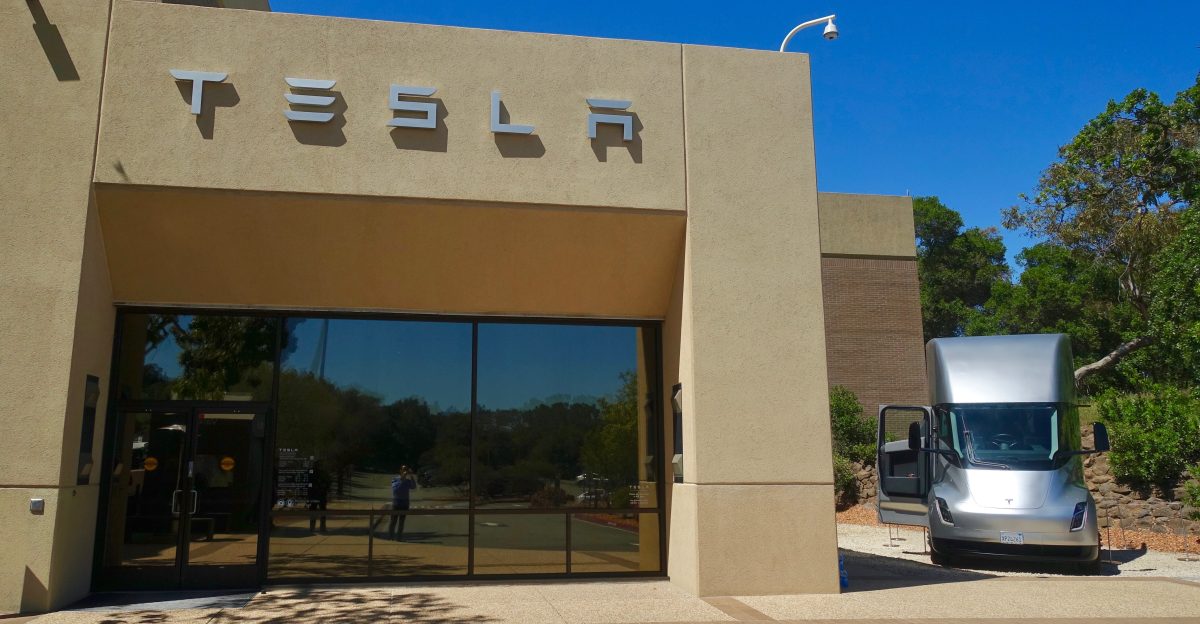
The Semi is not just a truck. It is a corridor infrastructure commitment. EV trucking operates as a three-system stack: vehicle, charging, and electricity supply. Failure in any single layer kills the return on investment. Texas freight lanes become the proving ground. Route energy modeling. Charger placement. Dwell times. Grid capacity at the depot. One missing link, one stranded rig. That is the $3.6 billion question Nevada’s Semi factory plan is betting Tesla can solve before the orders scale.
Grid Truth

The U.S. Department of Energy spells it out plainly: EV emissions depend entirely on how the electricity is generated. A Semi plugged into a coal-heavy grid doesn’t eliminate emissions. It relocates them. “Zero-emission trucking” becomes an accounting exercise, not an environmental fact. That reframes every pilot. Tesla is not just proving the truck works on Texas roads. Tesla is proving the local grid can absorb the load without turning the green story into a fossil-fuel shell game.
Hidden Cost
Like switching a house from gas to all-electric: the real expense is the panel upgrade, not the appliance. For fleets, the “panel upgrade” is depot charging infrastructure, utility interconnection, and power delivery contracts. Roughly $1.2 million per job at the Nevada factory scale, using the state’s own $3.6 billion and 3,000-job figures, a simple division of those two numbers. That capital intensity explains why pilots exist. They are de-risking mechanisms for uptime, maintenance cycles, and route energy data before anyone writes the big check.
Squeeze Play
Successful pilots shift shipper expectations. Once a major carrier proves lower-emission freight runs reliably, procurement standards follow. Competing truck makers and fleets will intensify their own pilot programs to avoid losing contracts. Charging buildouts redirect capital toward depots, utilities, and electrical contractors. The money moves fast. And smaller carriers without the capital for depot charging? They risk losing premium shipper business to electrified competitors who proved uptime first. The freight economy doesn’t wait for stragglers.
New Rule
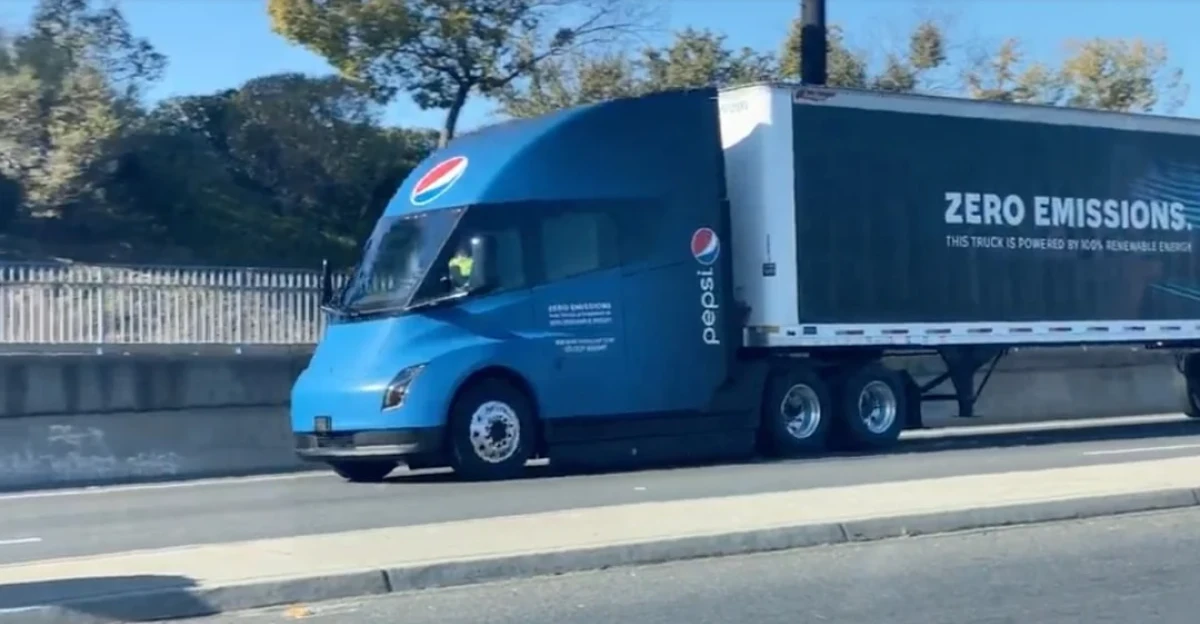
This is not an exception. Pilots are becoming the procurement template: prove uptime, then scale orders. PepsiCo’s 2022 deliveries set the precedent. The Texas expansion confirms the pattern. Nevada’s factory announcement signals that Tesla expects the template to graduate into volume production. Once you see the pattern, every “pilot” announcement reads differently. Each one is an audition for a corridor, not a truck sale. The Semi’s commercial future lives or dies on whether those auditions produce repeatable charging economics.
Diesel’s Counter
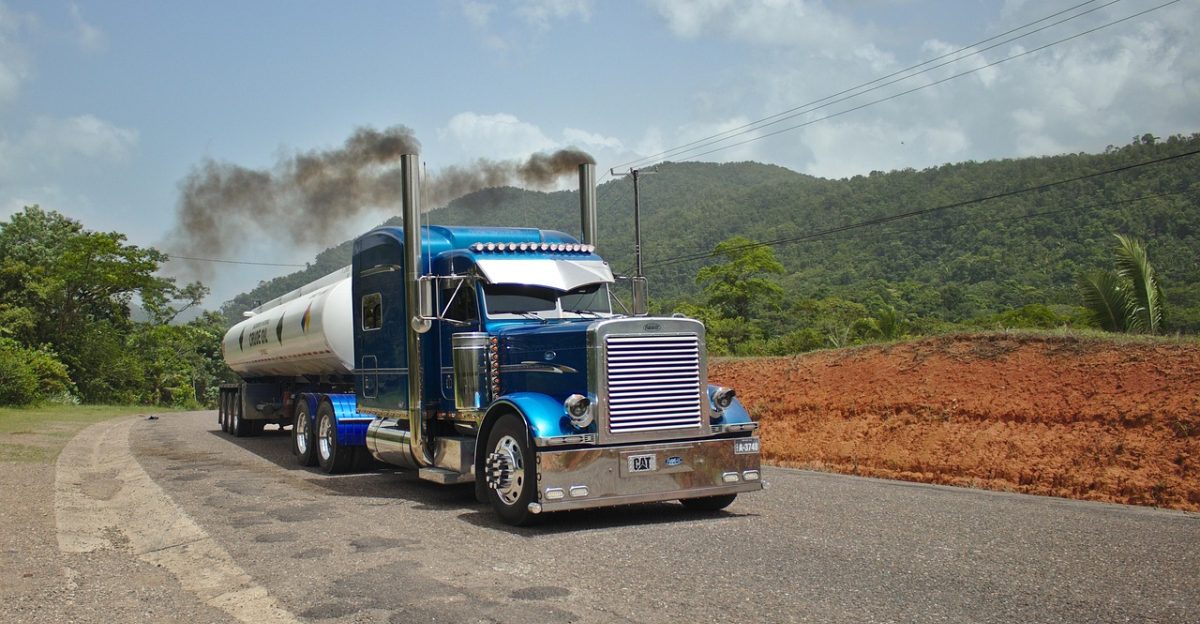
If the pilot succeeds, the dominoes fall fast: corridor buildout, larger fleet orders, and downward pressure on diesel truck residual values. Over time, the competitive map could shift significantly. But diesel is not surrendering quietly. Where charging remains constrained, diesel efficiency upgrades and alternative fuels will compete hard for the routes that electrification cannot yet reach. The battle is lane-by-lane, depot-by-depot. Nobody wins the whole map at once, and the clock on grid upgrades runs slower than anyone admits.
System Thinker
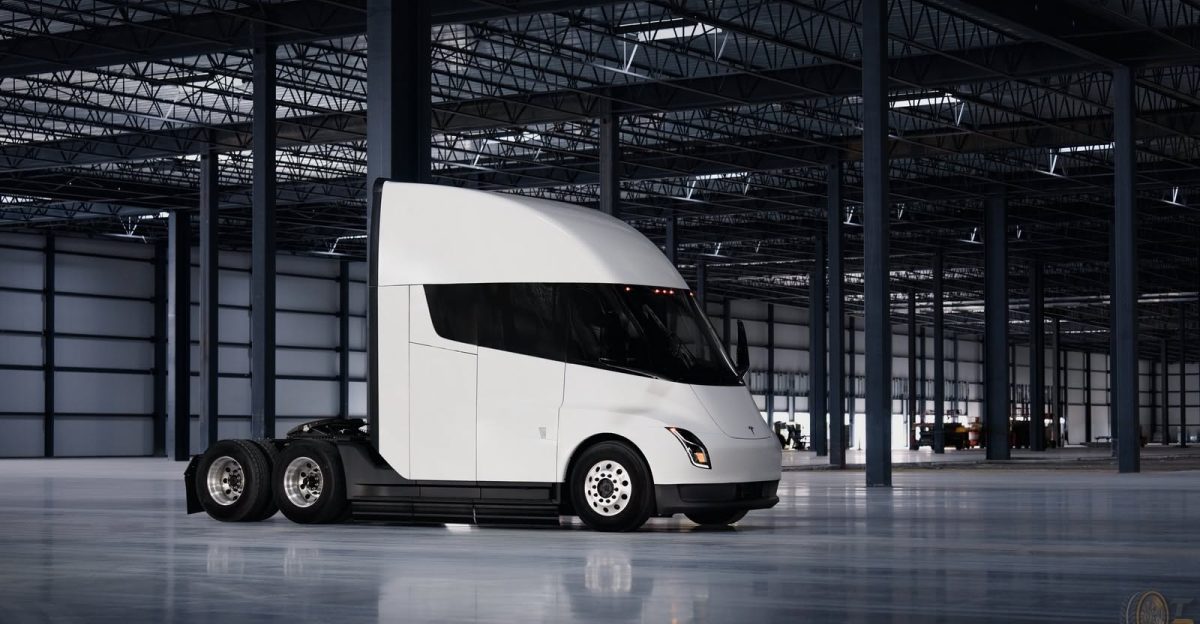
Most people will read this story as “Tesla added another company to a pilot.” That is the surface. Underneath, the freight economy is splitting into two tiers: carriers who can afford depot infrastructure and those who cannot. The Semi is the visible hardware. The invisible hardware is the charger, the grid connection, and the utility contract behind it. Whoever controls the charging corridor controls the freight lane. That is the framework most people will figure out too late.
Sources:
“Fast Facts on Transportation Greenhouse Gas Emissions.” U.S. Environmental Protection Agency, Inventory of U.S. Greenhouse Gas Emissions and Sinks 1990–2022, 2024 update.
“Tesla announces $3.6 billion investment in electric semi-truck manufacturing in Sparks.” The Nevada Independent, 23 Jan 2023.
“Tesla Semi expands pilot program to Texas logistics firm Mone Transport.” Teslarati, 9 Mar 2026.
“PepsiCo confirms it will receive Tesla Semi truck on Dec. 1 at two California facilities.” PepsiCo statement via Teslarati / Autobody News, 6 Oct 2022.