Tesla’s 17-Year Finance VP Exits As 44% Of Musk’s Direct Reports Have Turned Over—’Seek The Truth’ He Warns
Sendil Palani, Tesla’s finance chief for 17 years, quietly left the company on March 9, 2026, the same day other long-tenured leaders exited. His departure caps a year in which at least ten senior executives stepped away, revealing cracks in Elon Musk’s management model as turnover among his inner circle reaches 44%. Tesla faces declining deliveries, shrinking regulatory credit revenue, and massive expansion bets in AI and robotics, all without the leaders who built its foundation. Palani’s exit signals a pivotal moment for the company.
Not Alone
Palani was not the only long-tenured executive to leave on March 9. Thomas Dmytryk, the director who built Tesla’s over-the-air update system and Robotaxi software backbone, departed after 11 years. Weeks earlier, Victor Nechita, Cybercab Vehicle Program Manager, left before mass production started. Ten senior executives have left in the past 12 months, according to multiple reports. That’s not a normal resignation cycle; it looks like a company losing its skeleton while trying to sprint. How Tesla handles this wave may determine whether growth stalls or accelerates.
The Myth Cracks
The assumption that Elon Musk runs a stable, elite team is challenged by turnover figures. Among Musk’s direct reports, one analysis found an annualized turnover rate of 44%, based on an AllianceBernstein study cited in 2019, while comparable CEO direct‑report roles at peers such as Facebook, Amazon, and Netflix averaged about 9%. Tesla’s overall executive turnover sits at about 27% in that study, roughly double the comparison group’s 15%. Musk manages 18‑plus direct reports across Tesla, X, xAI, and SpaceX simultaneously. The “genius CEO plus great team” story requires continuity. This one doesn’t.
Seek the Truth
Palani’s farewell message landed with irony: “Remember that Tesla’s mission is so ambitious and complex that any narrative about the company is naturally an oversimplification. Seek the truth about the company.” He posted it the same day two architects of Tesla’s future exited. Musk replied within minutes: “Thanks for an epic contribution over many years!” One sentence acknowledged 17 years of survival, the IPO, and critical funding milestones. The warning against oversimplification becomes a reflection of the complexities leaving with departing leaders, emphasizing how much institutional knowledge walks out the door.
The Hidden Machine
The departures aren’t about individuals. They’re about a management structure that worked at startup scale and strains at trillion-dollar scale. Musk’s flat hierarchy leaves no buffer between CEO and execution, and when attention divides across four companies, operational voids appear. Raj Jegannathan, a longtime Tesla VP recently tasked with shoring up North American sales, left in February after 13 years. Troy Jones, Tesla’s top North American sales executive, departed in 2025 after roughly 15 years. Omead Afshar, Musk’s longtime confidant overseeing key sales and manufacturing operations, was gone by mid-decade. The pattern is the product.
The Numbers Underneath
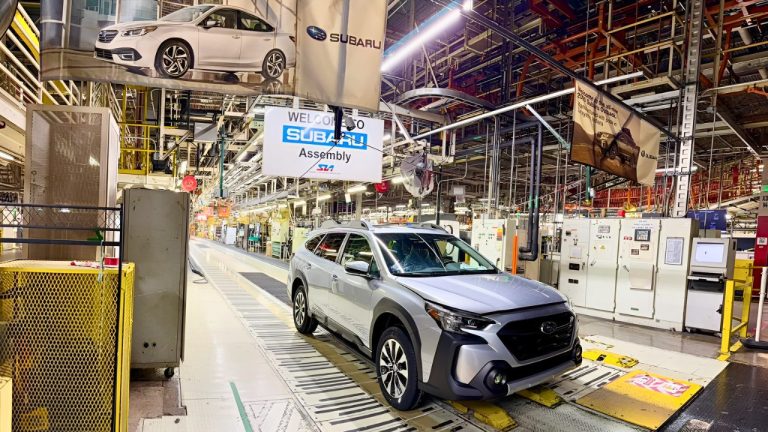
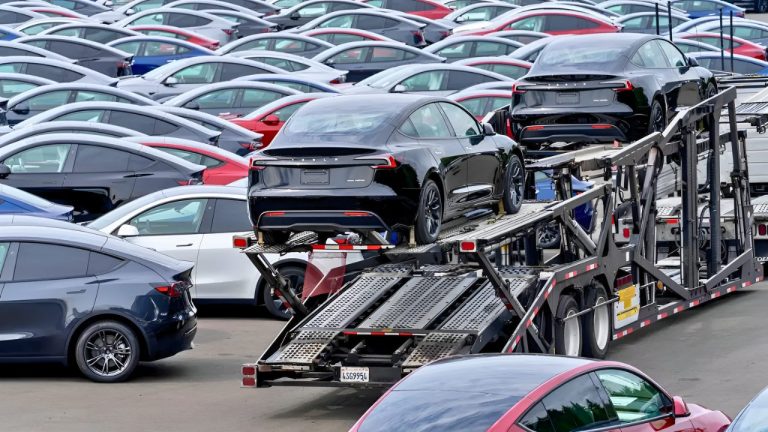
Tesla posted its first annual revenue decline on record in 2025, down 3% to $94.8 billion. Global deliveries dropped 8.6% to 1.636 million vehicles, marking a second consecutive annual decline. Yale researchers quantified the damage from Musk’s political activities at over one million lost sales. Regulatory credit revenue, which peaked at about $2.76 billion in 2024, declined in 2025 as major automakers such as Toyota, Stellantis, and Subaru narrowed reliance on Tesla’s credits. Revenue shrinking while spending rises is a bet with no safety net, challenging Tesla’s financial resilience.
Twenty Billion, Zero Cash
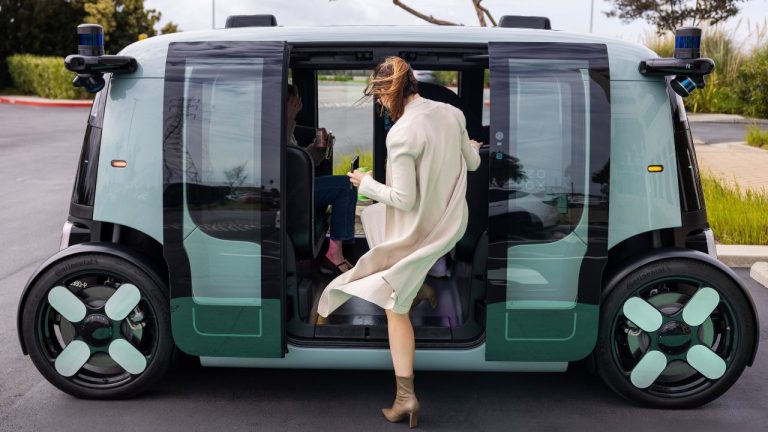
Tesla plans to spend over $20 billion on AI infrastructure and robotics in 2026, roughly doubling 2025’s capital expenditures. Analysts project zero free cash flow. The Robotaxi expansion targets seven major U.S. cities in the first half of 2026, according to Tesla guidance, but the software architect who built that backbone just left. Cybercab production has only recently begun and remains far from Elon Musk’s stated ambition of eventually reaching hundreds of thousands of units annually. Competitors may recruit Tesla defectors who hold critical knowledge, creating operational pressure.
The New Rule
This is not a wave of retirements. It is a structural test of personal-authority management at scale. Tesla AI chief Ashok Elluswamy warned teams that 2026 will be “the hardest year of their lives.” Milan Kovac, who led the Optimus humanoid robot program, left in June 2025 after nearly a decade. Musk has locked in a performance-based pay package that could be worth around $1 trillion if Tesla hits an approximately $8.5 trillion market valuation and clears a dozen ambitious milestones, from vehicles to robots and Robotaxis. Compensation cannot replace institutional memory.
What Breaks Next

Q1 2026 delivery forecasts cluster below the prior quarter’s 418,000 vehicles, implying a mid-teens percentage decline from Q4 2025. If NHTSA rejects the FSD data Tesla submitted on March 9, the Robotaxi timeline collapses. Manufacturing executives face a brutal Fremont retooling for Optimus production with no proven revenue model on the other side. Musk’s $1 trillion pay package assumes Tesla ultimately delivers tens of millions of vehicles and up to one million Optimus robots annually. Every milestone depends on leaders who inherited the vision rather than built it.
The Surgeon Left
Investors backed a culture of sleepless conviction. Palani sleeping under his desk in 2009 was that culture. His quiet departure in 2026 is the culture’s autopsy report. The board’s most likely countermove, in the eyes of many governance watchers, would be demanding Musk appoint a COO to absorb 18-plus direct reports he cannot manage across four companies. Musk will almost certainly resist. That governance fight is coming in the next two quarters. Palani’s exit may define Tesla’s future more than any earnings call.
Sources:
Departing Tesla finance VP says he slept under his desk while the company nearly died. Business Insider, March 9, 2026
Tesla (TSLA) VP of Finance leaves after 17 years as executive. Electrek, March 9, 2026
Tesla executives who report directly to Elon Musk have much higher turnover rates. Electrek, August 13, 2019
Tesla reports first annual sales drop as 2025 revenue falls 3%. Yahoo Finance, January 28, 2026
Elon Musk’s partisan political activities resulted in over 1 million fewer Tesla sales. Yale School of the Environment, October 29, 2025
Tesla offers mammoth $1 trillion pay package to Musk, sets lofty targets. Reuters, September 5, 2025