Tesla Smashes 18 Automakers With Historic 51% Battery Score—Toyota 39 Points Behind
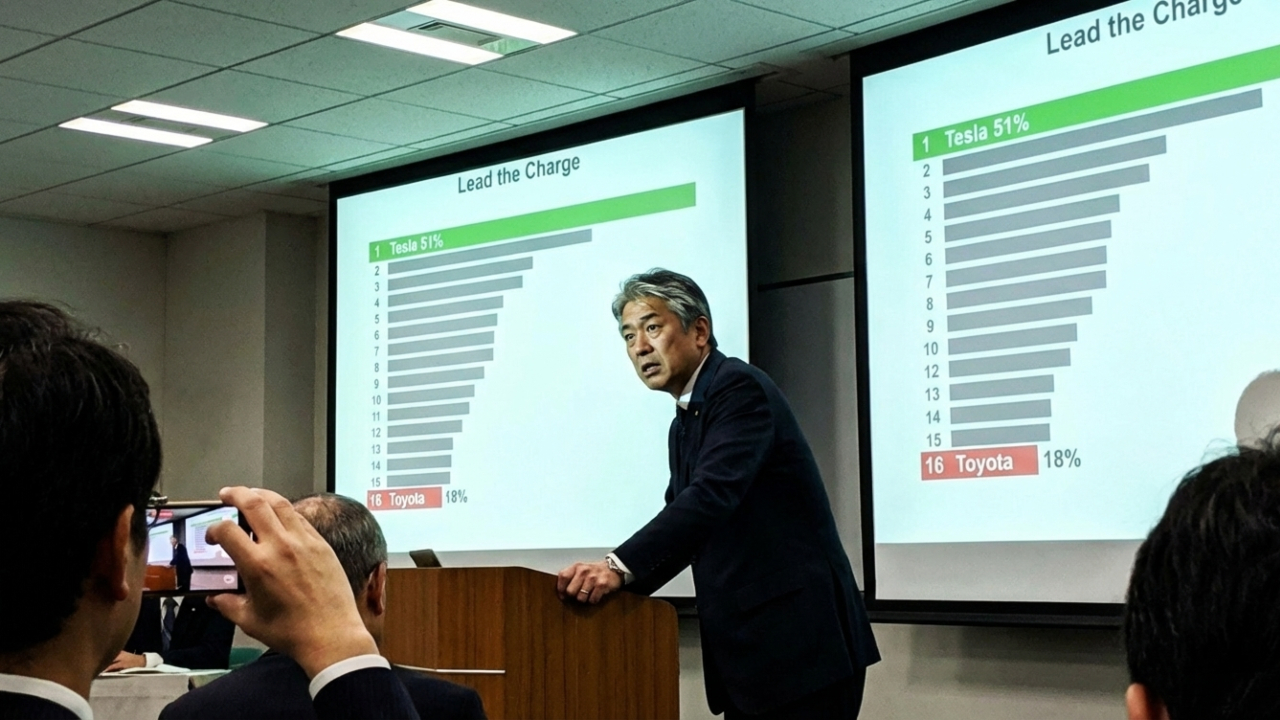
No automaker had ever done it. Across four years of scoring, more than 80 indicators, and hundreds of data points tracking everything from cobalt sourcing to carbon emissions, the 50 percent mark on battery supply chain sustainability stood untouched. Every major manufacturer on earth had tried to climb that wall. Tesla just went over it. A 51 percent battery score on the 2026 Lead the Charge Auto Supply Chain Leaderboard, the first breach of a barrier the entire industry treated as theoretical. The company that broke through wasn’t even close to finished.
Evaluating 18 of the World’s Largest Automakers
This wasn’t some boutique ranking of green startups. The leaderboard evaluated 18 of the world’s largest automakers: Ford, Volvo, Mercedes, Volkswagen, BMW, General Motors, BYD, Renault, Stellantis, Toyota, Geely, GAC, SAIC, and others. Tesla’s 49 percent overall score nearly doubled the 25 percent industry average. That gap alone would be a story. But the battery category is where the separation turned structural, because batteries are where the money, the minerals, and the human rights risks all collide.
Size Was Supposed to Matter
Most people assumed Toyota, the world’s largest automaker by volume, would rank near the top of any automotive assessment. Scale breeds competence. That was the logic. Toyota finished 16th out of 18. Sixteenth. Two spots from the bottom, just above companies most Americans have never heard of. GAC scored approximately 4 percent. SAIC scraped roughly 3 percent. Toyota landed at 9 percent — closer to the basement than the penthouse. The assumption that legacy size equals sustainability leadership just cracked down the middle.
Forty Points of Separation
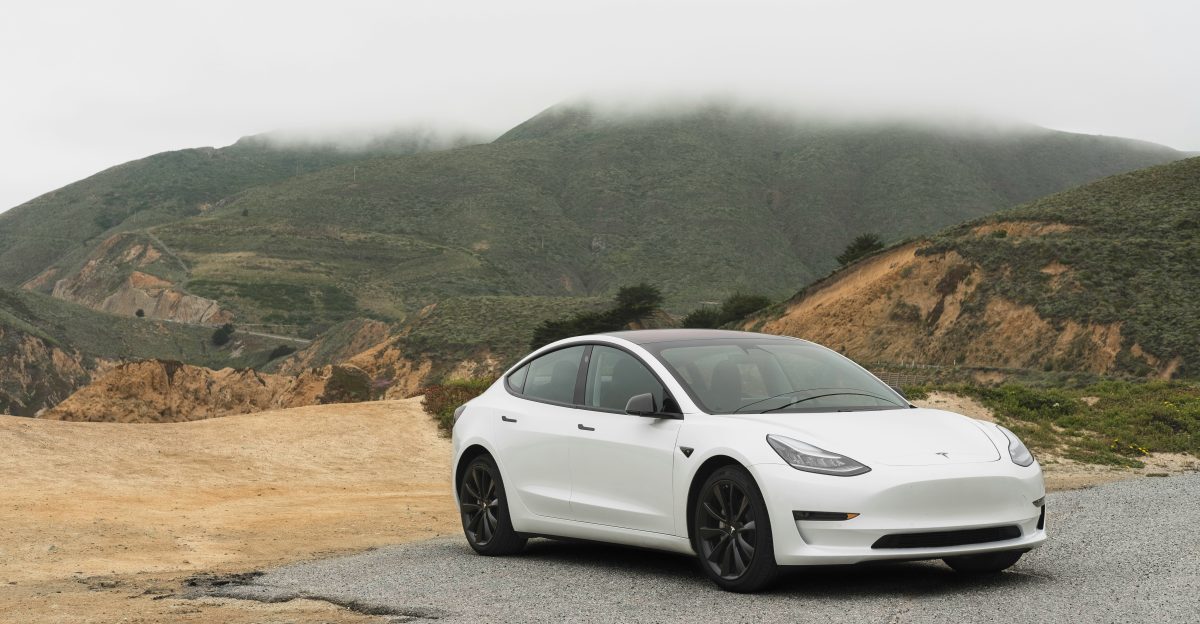
Tesla’s 49 percent overall score against Toyota’s 9 percent produces a gap of 40 percentage points. That is not a competitive race. That is two companies operating in different centuries. Tesla achieved this through detailed Scope 3 emissions disclosure and low-carbon material sourcing, the hardest categories to master because they require visibility deep into mining operations most automakers prefer not to examine. One company looked. One didn’t. Forty points is what that choice costs.
How the Lead Was Built
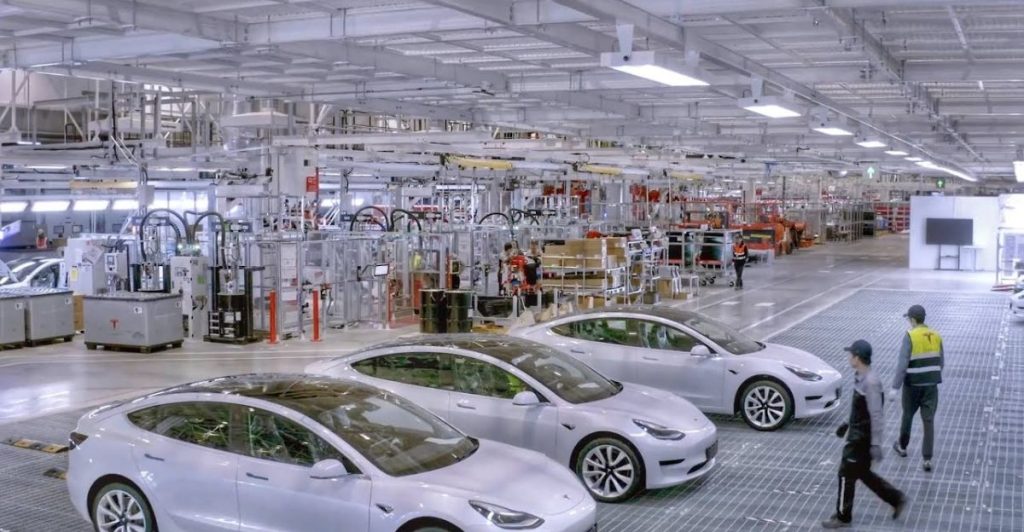
Vertical integration built this lead. Tesla’s supply chain structure means when the leaderboard asks “where do your minerals come from and how much carbon did they produce,” Tesla can actually answer. Most competitors cannot. The company scored 50 percent in the Fossil Free and Environment category and 48 percent in human rights and responsible sourcing. Ford edged Tesla on human rights at 49 percent but trailed on batteries. Nobody matched Tesla on both.
The Pace Is the Story
Tesla’s battery score surged 20 percentage points year over year. Its overall score climbed 6 points. Ford gained 2 points overall. Volvo rose to 44 percent overall. Since the leaderboard’s inception, the five leaders — Tesla, Ford, Volvo, Mercedes, and Volkswagen — have advanced at roughly double the cumulative rate of the other 13 automakers. That rate differential is the number that should keep boardrooms awake, because it means the leaders are not just ahead. They are accelerating away.
The Minerals Come From Somewhere
Across all 18 automakers, the average score on Indigenous Peoples’ rights sat at 9 percent, up from 6 percent the prior year. According to the report, only 12 of 18 had explicit Indigenous rights commitments. The industry is building its future on land it refuses to acknowledge. This is no longer about corporate responsibility reports or press releases. Supply chain sustainability is becoming a competitive moat. The structural divergence between five leaders and 13 laggards means companies that invested early in traceability and low-carbon sourcing now hold advantages that late movers cannot replicate quickly. Stellantis announced significant charges tied to its scaled-back EV plans, proving that falling behind on the transition does not just cost reputation. It costs billions.
The Clock Is Running
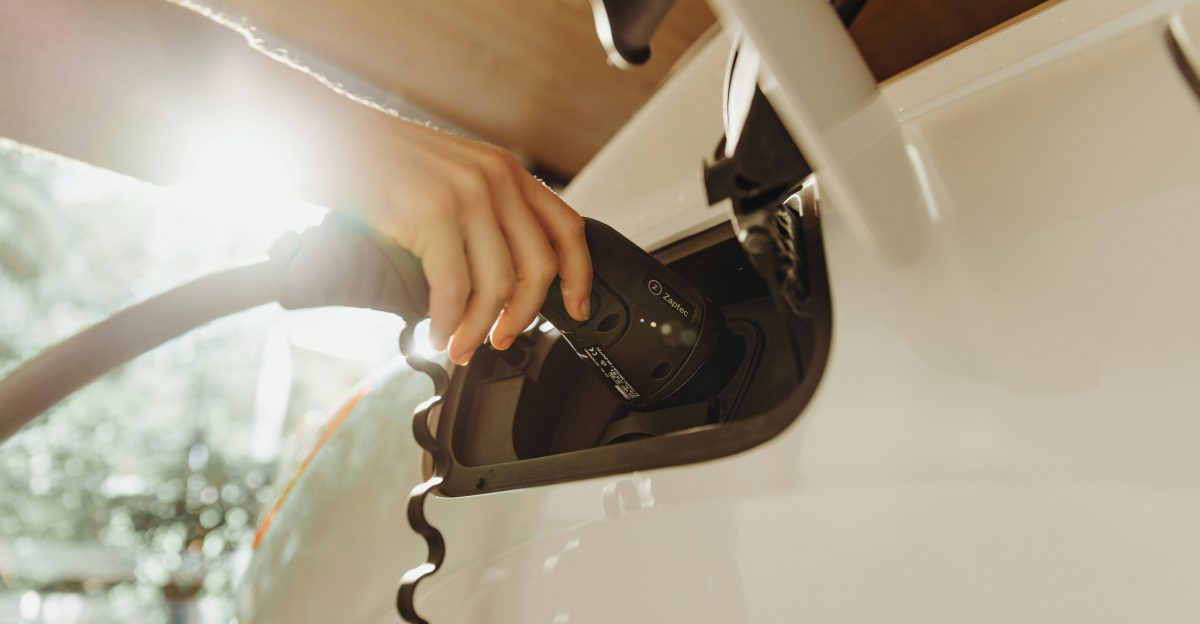
Regulatory walls are closing in. The EU’s Corporate Sustainability Due Diligence Directive and EU Battery Regulation now demand the kind of supply chain transparency that only a handful of automakers can currently provide. Companies scoring in the bottom third of this leaderboard face a choice: invest billions in traceability infrastructure or risk losing access to the world’s largest regulated market. BYD surged 22 percentage points on human rights due diligence, proving fast improvement is possible. The question is whether the laggards move before the deadlines do.
Nobody Is Done Yet
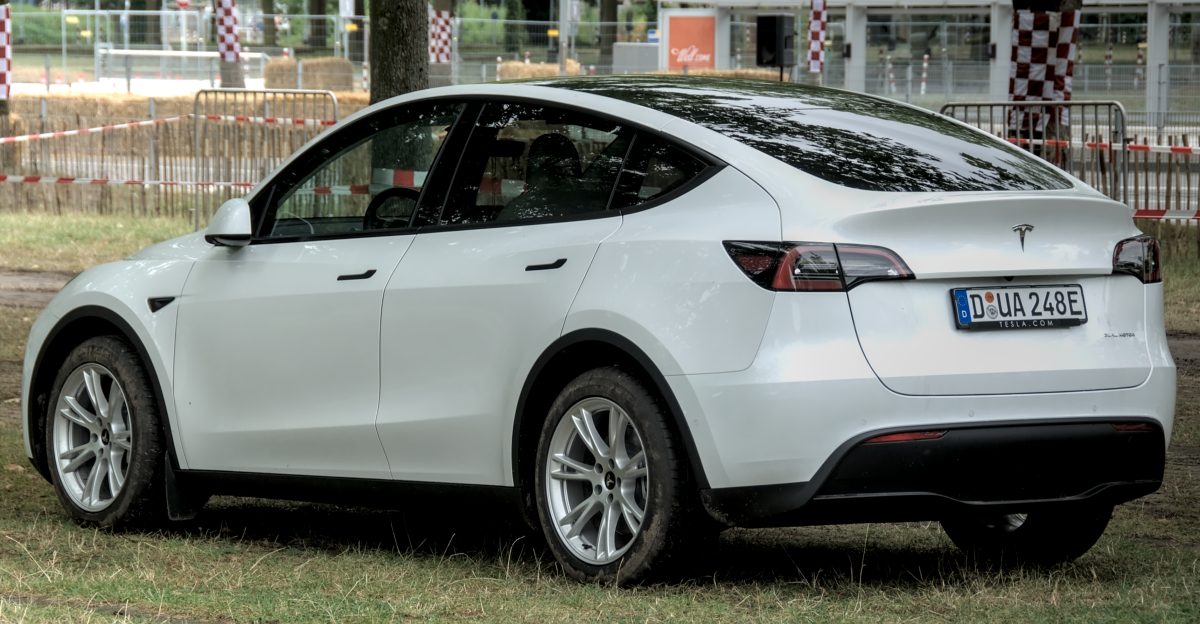
The upper bound of achievable performance on this framework sits at 86 percent. Tesla, at 49 percent overall, is still closer to the middle than the ceiling. Which means the company that just made history has enormous room to grow, and every rival has even more ground to cover. Toyota, the world’s biggest automaker, trails Tesla’s overall score by 40 points and shows no structural mechanism to close that gap. The leaderboard doesn’t just rank companies. It predicts which ones survive the next decade.
Sources:
“2026 Leaderboard Report: Taking Charge of Cleaner Automotive Supply Chains.” Lead the Charge coalition, 2 Mar 2026.
“2026 Leaderboard Report: Automaker scorecard shows an even bigger gap between climate leaders and laggards.” Lead the Charge coalition, 1 Mar 2026.
“Poor Indigenous Peoples’ Rights Due Diligence Still Impedes the Auto Industry’s Rights Record.” Tallgrass Institute / SIRGE Coalition, 2 Mar 2026
“EU Battery Regulation Due Diligence: Requirements & Compliance.” Anthesis Group, 16 Nov 2025.