Tesla Semi’s “Up to 500 Miles” Claim Wins Over Truckers—And Puts Operating-Cost Math Front And Center
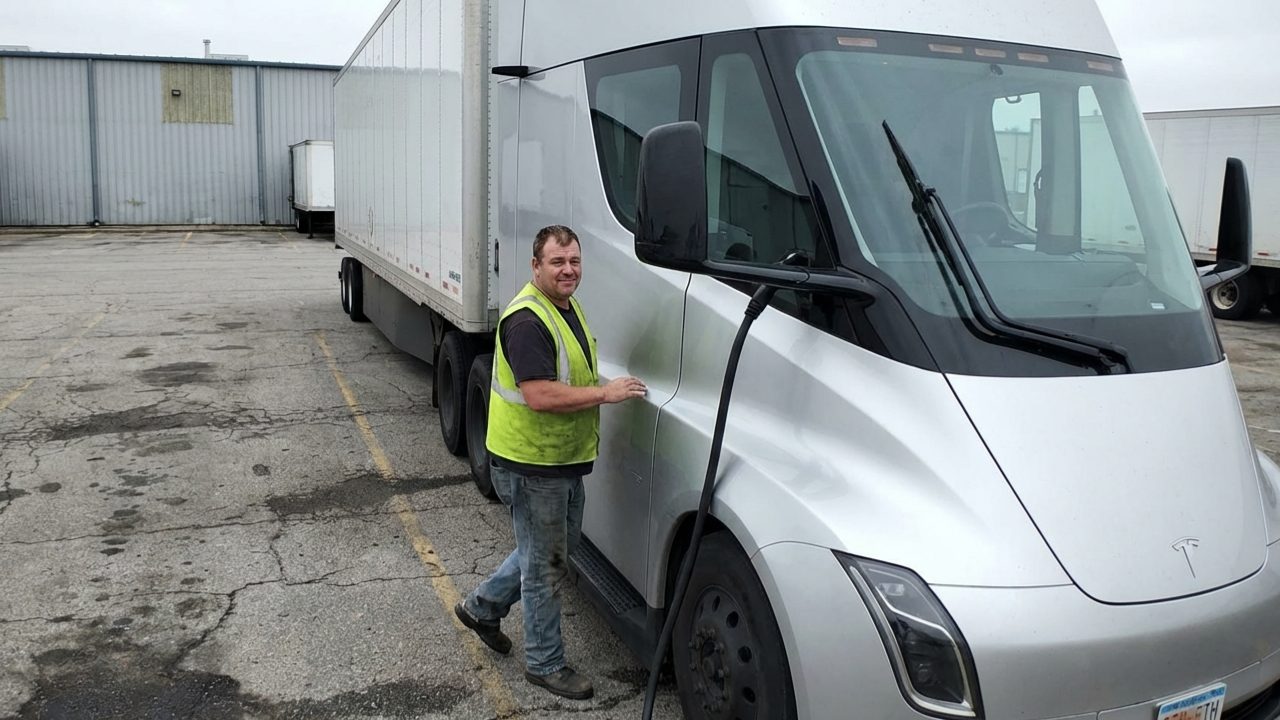
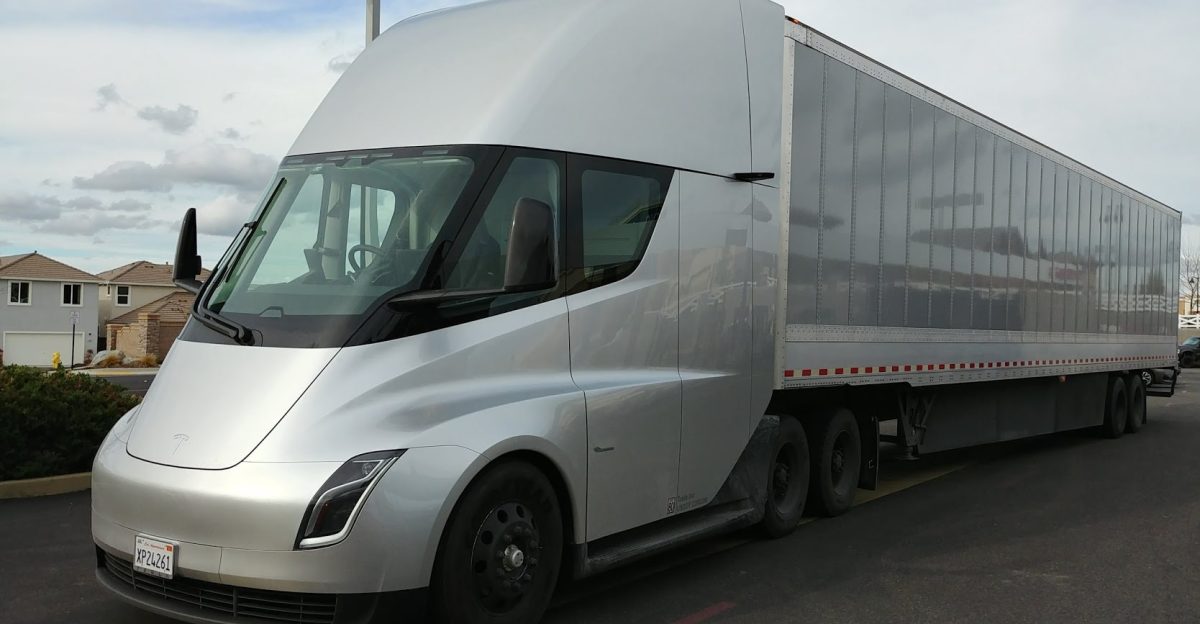
A Class 8 truck rolls out of a depot before dawn, fully loaded, no diesel rumble. The driver pulls onto the highway, and the cab stays quiet. No vibration rattling through the seat and no exhaust brake screaming downhill. Just torque, instant and smooth, pushing a full load like the weight isn’t there. Tesla’s Semi has moved from renderings and investor decks into actual freight lanes, and the people behind the wheel are the ones nobody expected to care. The drivers who grew up on diesel are paying attention.
Diesel’s Turf
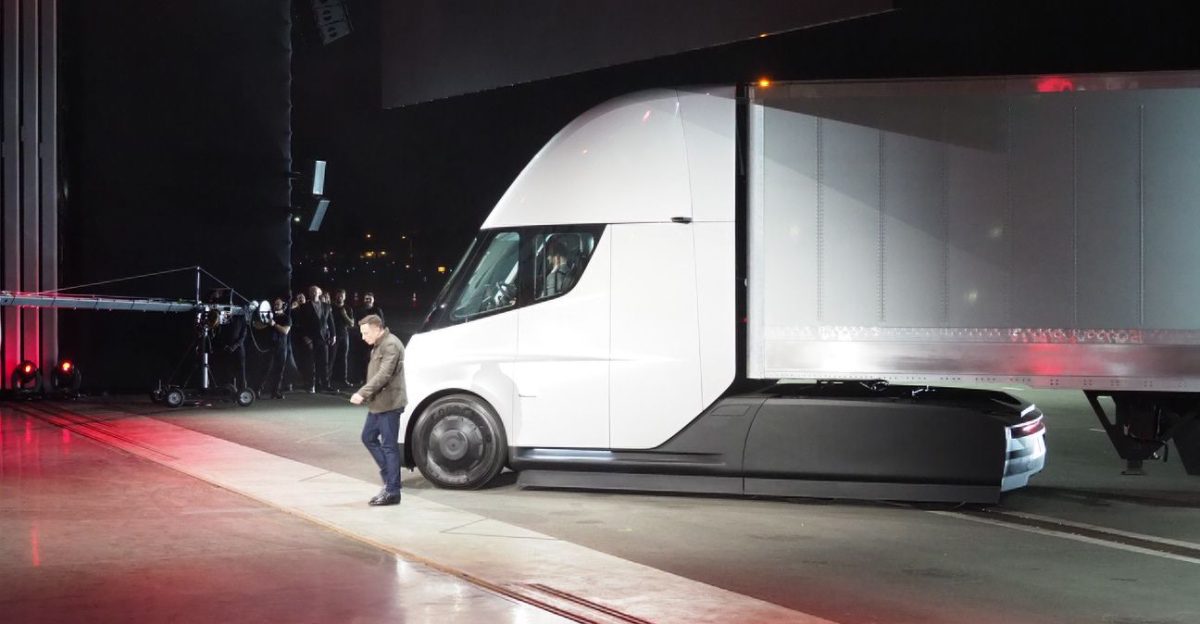
That attention matters because trucking doesn’t adopt anything on faith. The American Transportation Research Institute documents an industry where cost pressures and uptime dictate every equipment decision. Efficiency isn’t a buzzword here. It’s survival. Fleets run margins so thin that a few cents per mile separates profit from red ink. So when Tesla markets an all-electric semi with up to 500 miles of range on a single charge, the spec sheet alone means nothing. The question was always whether real operators, hauling real freight, would treat it as a tool or a toy.
Cracking Belief
The assumption was simple: build a good enough truck and fleets will buy it. That myth has kept EV skeptics comfortable for years. But the Wall Street Journal’s reporting on early deployments reveals something the “good truck” theory can’t explain. Truckers are responding positively to the Semi in actual use. Not executives. Not sustainability officers. Drivers. The people whose livelihoods depend on diesel are warming up to the machine designed to replace it. Which, honestly, is the one reaction nobody modeled for.
The Real Shock
The surprising part isn’t that Tesla built an electric semi. It’s that working drivers are praising it in early runs. For a product aimed at a diesel-dominated culture, that social proof is the real eyebrow-raiser. Reports and early operators suggest electricity can be dramatically cheaper than diesel on certain routes. Real-world fleet tests have logged energy costs around 15 cents per mile, compared with roughly 77 cents per mile for diesel at current national average fuel prices—a reduction of approximately 80 percent. Tesla’s marketed 500-mile range means some long-haul day segments need zero mid-route charging. One truck. No fuel stop. The economics follow from there.
The Hidden Boss
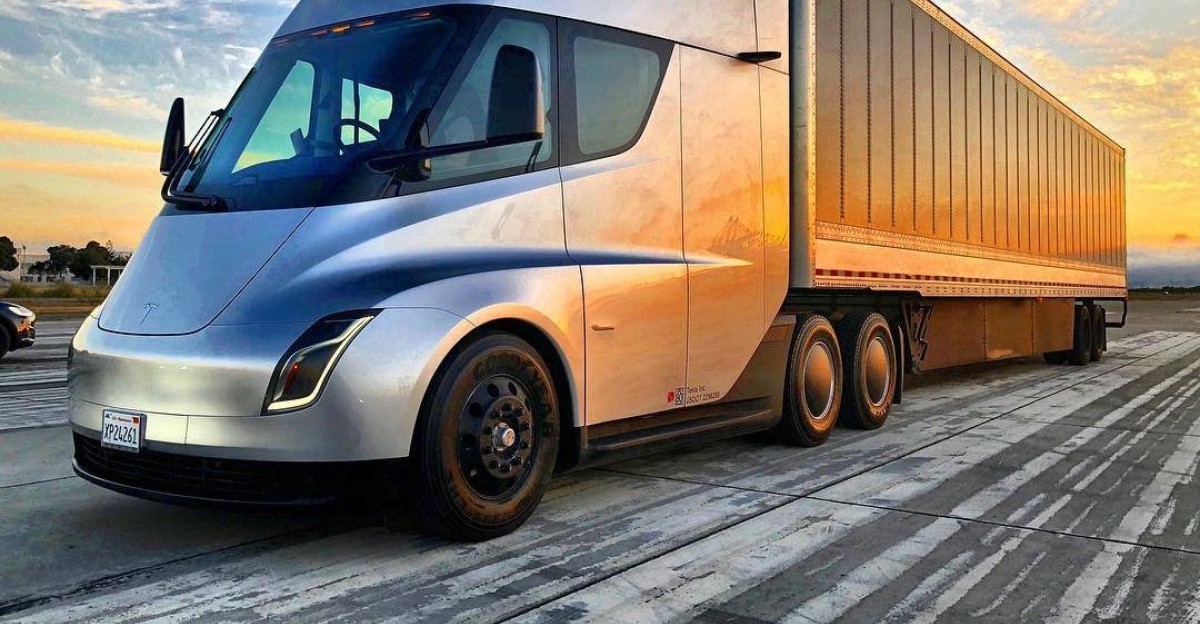
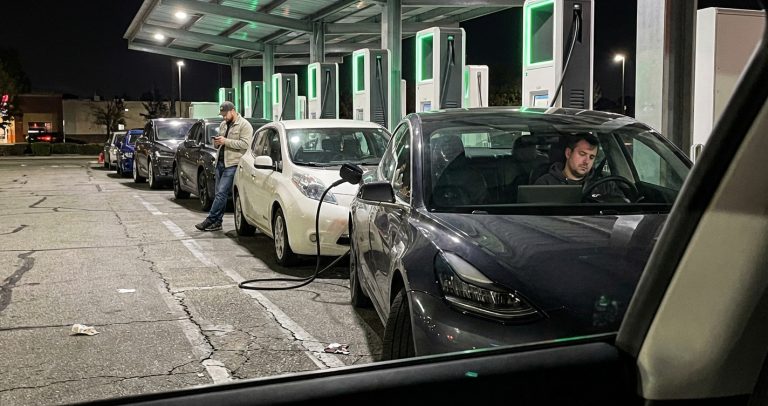
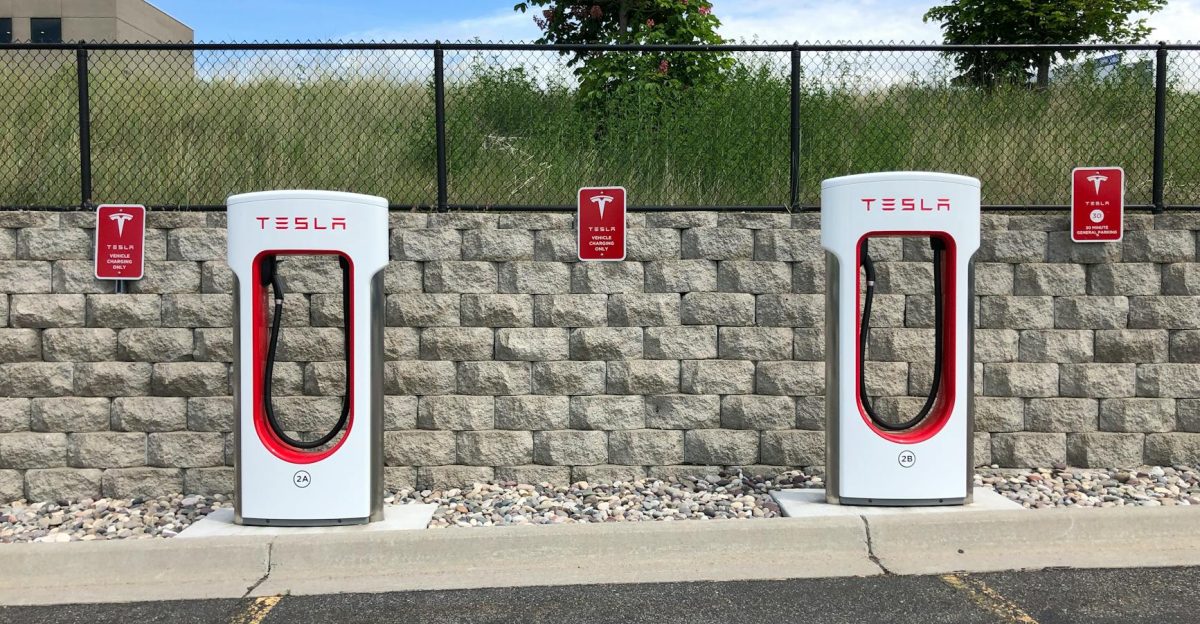
Driver approval and a big range number feel like the whole story. They aren’t. The Department of Energy’s Alternative Fuels Data Center documents a harder truth: infrastructure availability can dictate route feasibility more than vehicle specs ever will. Think of it like buying a phone with no cell towers. The Semi is useless without chargers positioned where freight actually moves. Dispatch systems, depot upgrades, grid capacity: these invisible logistics decide whether a 500-mile truck runs 500 miles or sits at a dock waiting for electrons.
Cost Rewired
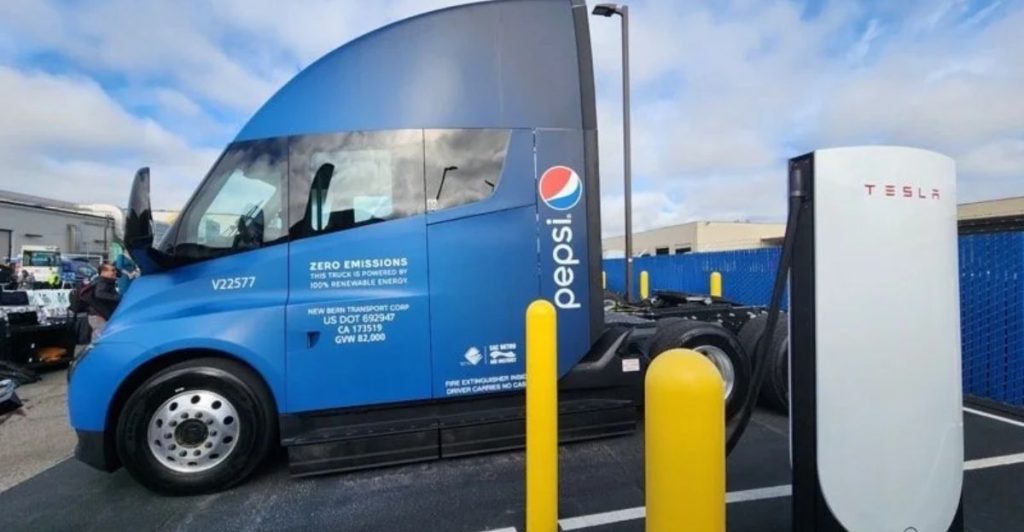
The cost structure shift is where the numbers get visceral. ATRI research shows trucking cost pressures make efficiency and uptime the decisive factors in equipment adoption. Electrification doesn’t just swap fuel types. It replaces diesel fuel and maintenance spending with electricity costs and infrastructure capital expenditure. The total-cost narrative matters because fleets don’t buy trucks. They buy operating margins. When the per-mile math favors electrons over combustion, the cultural resistance starts looking like an expense nobody can afford. Sentiment follows savings. Every time.
Ripple Lines
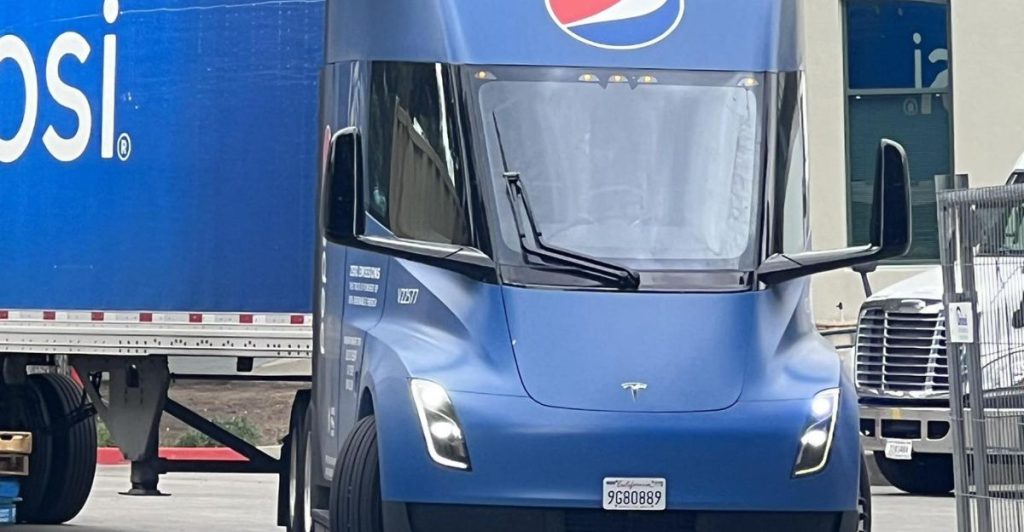
PepsiCo has publicly discussed sustainability and fleet initiatives, placing it among the early movers exploring zero-emission freight. More pilot deployments and route-specific trials are the immediate next step. But the ripple runs deeper. Charging providers and depot upgrades become strategic investments. Diesel service ecosystems, the repair shops and parts suppliers built around combustion engines, face displacement. Late-adopting fleets in regulation-heavy states face a squeeze from both directions: rising compliance costs and competitors already banking operational savings on electric platforms.
New Rule
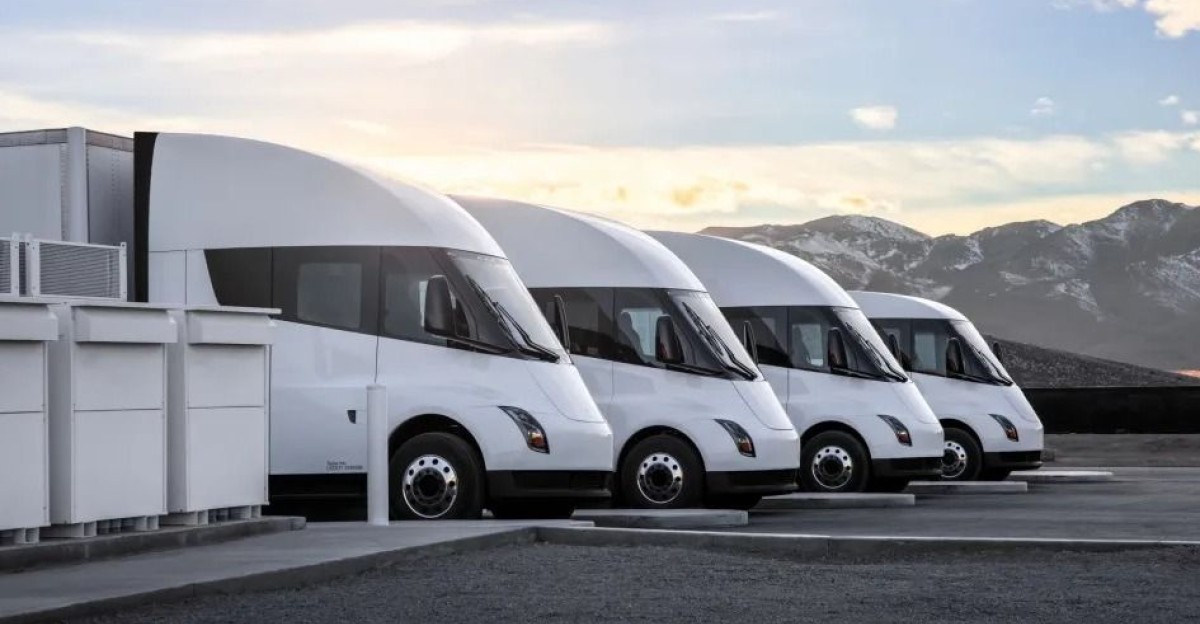
This isn’t an exception. Early trucker acceptance can normalize EV Class 8 procurement discussions across the entire industry. California’s Advanced Clean Fleets rule initially set phased zero-emission fleet requirements, though key mandates covering high-priority and drayage fleets are now being formally repealed following legal challenges and a shift in federal policy under the Trump administration. The broader regulatory signal—and manufacturer-sales rules still in force—continues to influence national fleet strategies, not just West Coast routes. Once you see it, the buyer isn’t just a fleet manager with a purchase order. The buyer is dispatch plus chargers plus regulators, operating as a single system. That system is the product now.
The Clock
Regulatory landscapes shift. Fleets buy. Infrastructure races to catch up. That sequence is already in motion, and the gap between ambition and megawatt capacity is where the real drama lives. Nevada’s economic development office has provided context on Tesla’s manufacturing expansion there, signaling production ambitions beyond pilot scale. Meanwhile, incumbent truck manufacturers and fuel networks are pushing alternative compliance paths and competing zero-emission platforms. The charging bottleneck hasn’t broken yet. Every fleet placing orders today is betting it breaks before the economics demand it.
The Upgrade

Most people watching this story see a cool truck that truckers happen to like. That framing misses everything that matters. The real product is a three-part system: vehicle, charging network, and regulatory compliance, bound together so tightly that removing any one piece collapses the others. Whoever controls the charging infrastructure controls the routes. Whoever controls the routes controls freight. The diesel incumbents haven’t lost yet, but they’re no longer writing the rules. The people who understand that system, not the truck, decide adoption are already ahead of everyone else in the room.
Sources:
“Tesla Finally Has Its First Semi-Truck and It’s Already a Hit With Truckers.” The Wall Street Journal, 19 Mar 2026.
“Real-World Test Shows Tesla Semi Running at Just 15¢ Per Mile, Far Below Diesel.” Not a Tesla App, 10 Mar 2026.
“An Analysis of the Operational Costs of Trucking (2025).” American Transportation Research Institute, Jul 2025.