Tesla’s ‘Lower’ Austin Robotaxi Fare Hides 21% Hike On Typical Trips
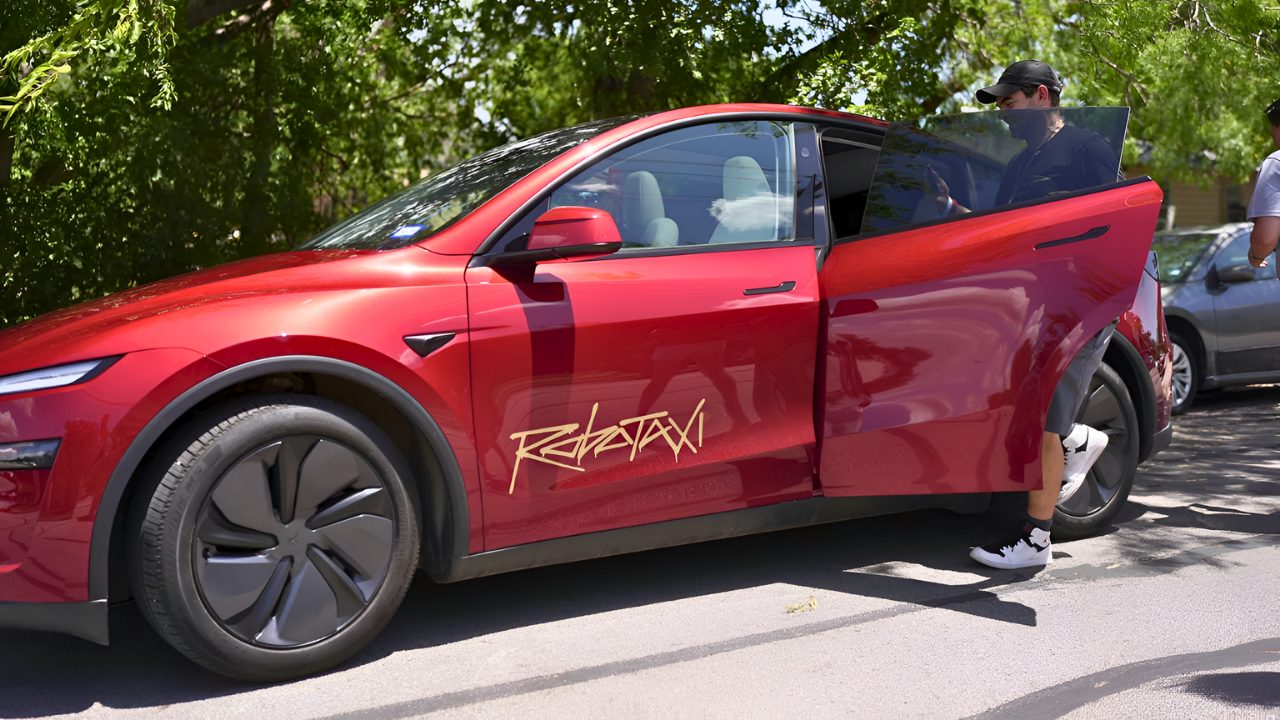
Tesla’s Austin Robotaxi service is drawing attention after reports suggested fares were lowered. The headline number looks appealing: a base fare trimmed from $3.25 to $3.00. At first glance, that reads like a straightforward discount for riders. But the details tell a different story. While the starting price dropped, the per-mile rate reportedly jumped sharply, changing what most riders actually pay. When typical trip distances are calculated, the new structure can cost noticeably more. The math behind that shift becomes clearer once the full fare card is examined.
A Smaller Starting Price
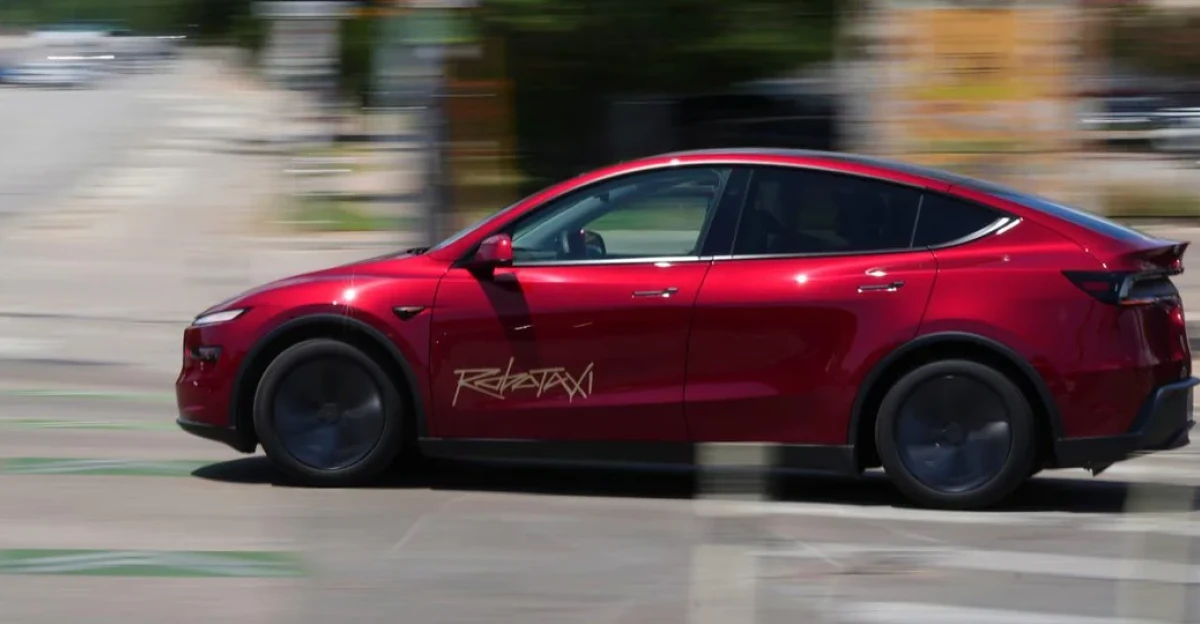
Tesla reportedly lowered the Austin Robotaxi base fare from $3.25 to $3.00, a reduction of $0.25 that appears designed to catch attention. The base fare is the first number riders see when opening the app or checking a pricing card before confirming a trip. That initial figure creates the impression of a discount. Yet the base fare is only one part of the calculation. Actual ride costs grow with distance, and the per-mile rate determines most of the final bill. While the starting price fell slightly, the distance-based charge reportedly moved sharply higher, setting up the real change.
The Per Mile Price Surge
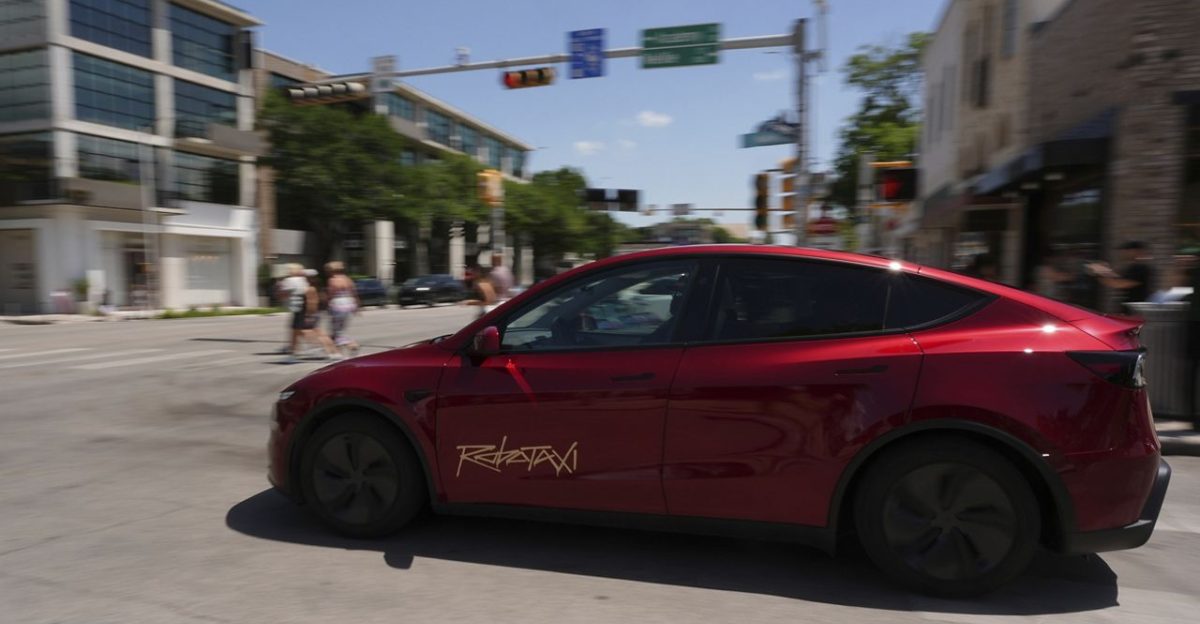
The reported per-mile charge rose from $1.00 to $1.40, representing a 40% increase on the portion of the fare that compounds with every mile traveled. Using a 5-mile trip example highlights the impact. Under the earlier structure, that ride would total $8.25. With the new rates, the same distance reaches $10.00. That difference adds $1.75 to the bill, roughly a 21% increase overall. The shift means distance now drives the total cost far more aggressively. What seems like a small adjustment on paper begins to look very different when applied to real trips.
Where The Price Flip Happens
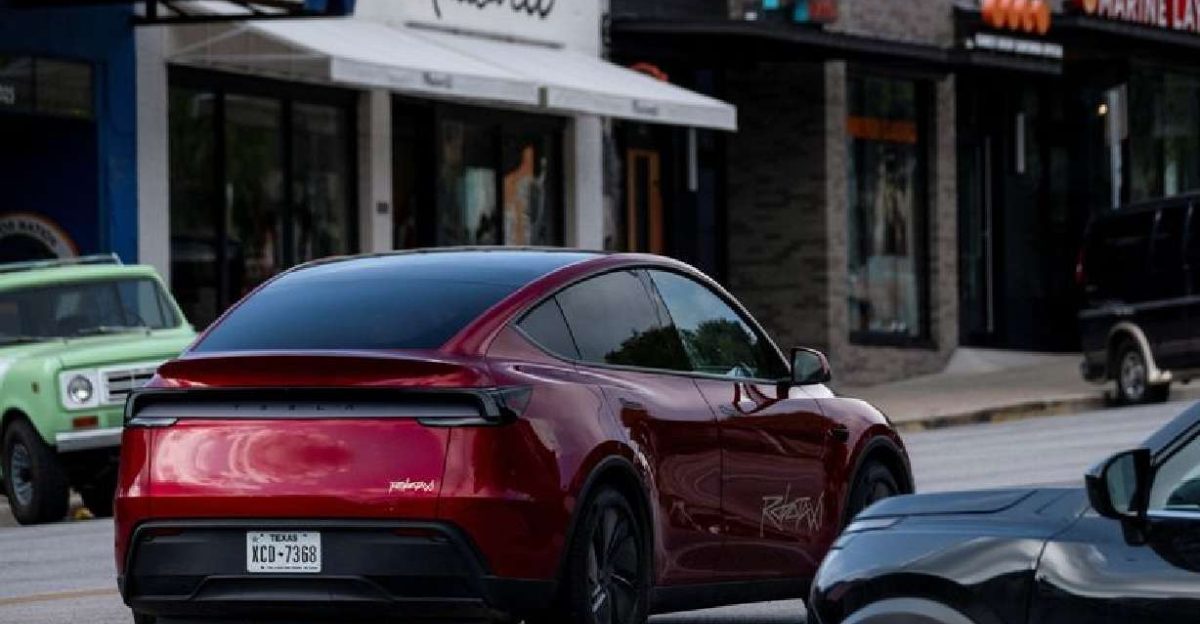
A simple calculation reveals where the pricing actually switches from cheaper to more expensive. At roughly 0.625 miles, the old and new fare structures cost the same. Any ride shorter than that distance costs slightly less with the new pricing. Any ride longer becomes more expensive. In practical terms, 0.625 miles equals about eight city blocks. That distance is short enough that many people might walk instead of calling a ride. Most trips that justify ordering a vehicle travel farther, meaning the majority of rides fall into the higher cost category.
The Real Lever Behind Pricing
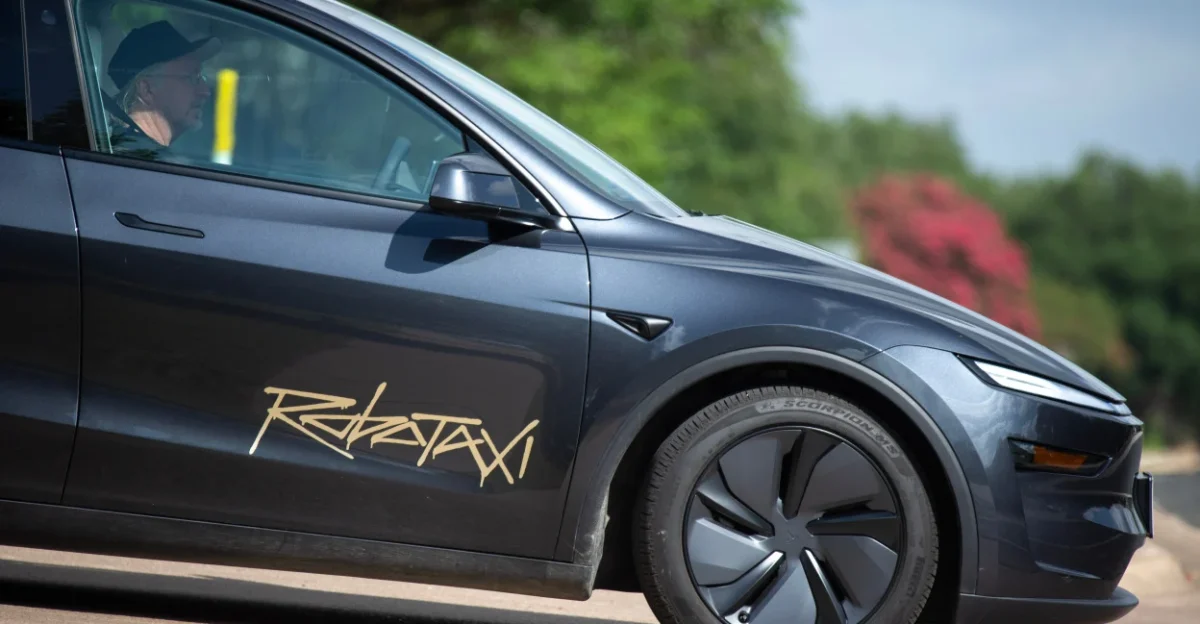
Ride-hailing fares usually depend on two components: a fixed starting charge and a distance-based rate. When the base fare drops but the per-mile rate climbs, the variable cost quickly dominates longer rides. That appears to be the case with the reported Austin Robotaxi adjustment. Lowering the entry price by $0.25 while raising the mileage charge by $0.40 creates a fare card that initially looks cheaper. However, once distance increases beyond a few blocks, the higher mileage rate becomes the dominant factor on the receipt. That structure changes the economics of nearly every standard trip.
A Strategy Seen Before
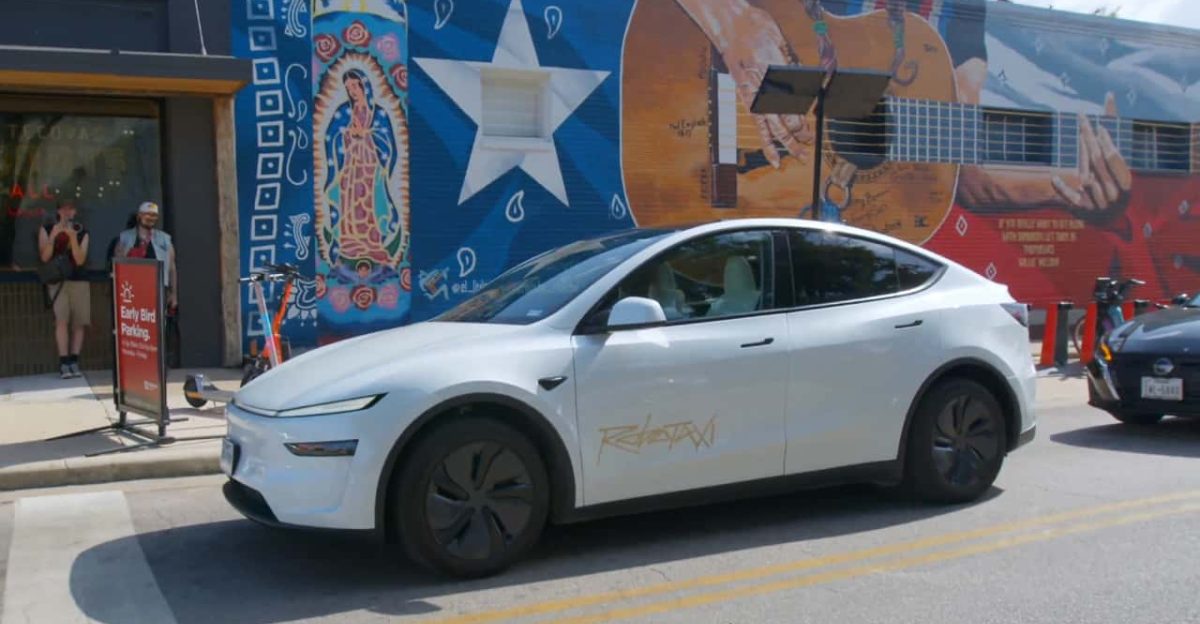
The pricing structure resembles strategies used in other industries where the most visible number decreases while secondary charges increase. Airlines, for example, sometimes advertise lower ticket prices while raising baggage or seat-selection fees. The reported Robotaxi pricing follows a similar logic. A smaller starting fee can create a perception of affordability even if the total cost rises during the ride. Another detail mentioned in the post is that “pricing still can vary somewhat depending on the trip.” That line suggests the displayed rates may not represent the exact final price riders see.
The Problem With Variable Pricing
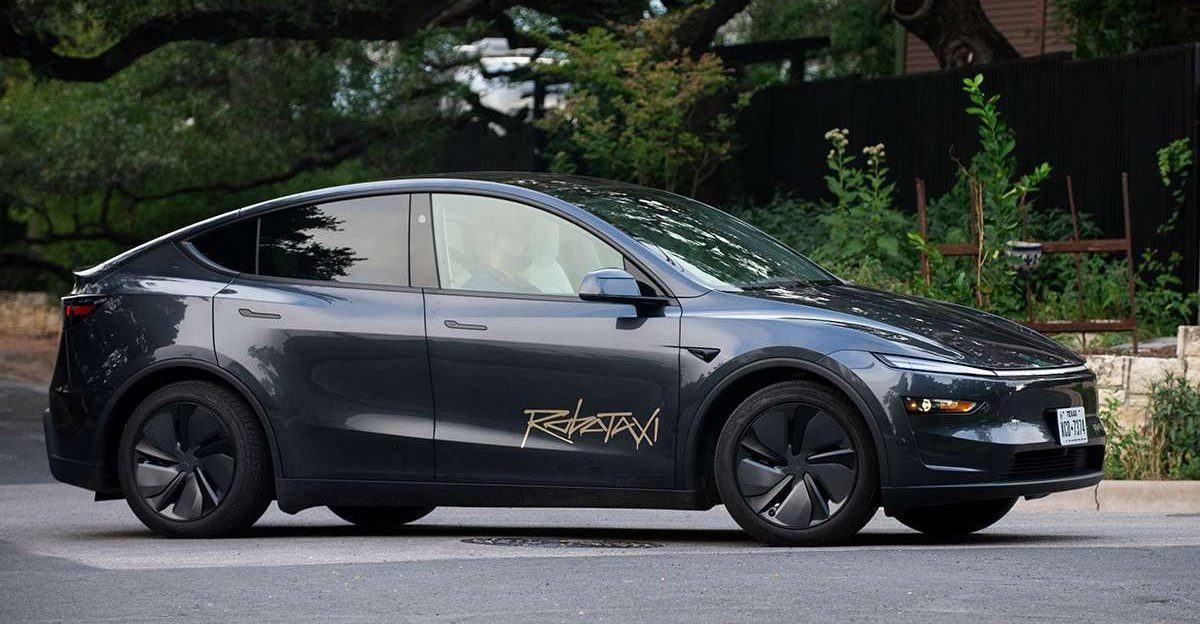
That variability introduces uncertainty for riders trying to estimate trip costs. If the posted rates already produce a roughly 21% increase on a 5-mile ride, additional adjustments could raise certain fares even further. At the same time, no official Tesla investor-relations document lists a confirmed Austin Robotaxi fare structure. Public materials from the City of Austin transportation department also do not outline these specific numbers. As a result, many riders rely on screenshots and social media posts when comparing prices. That lack of clear documentation can make predicting the final cost more difficult.
Longer Trips Feel It Most
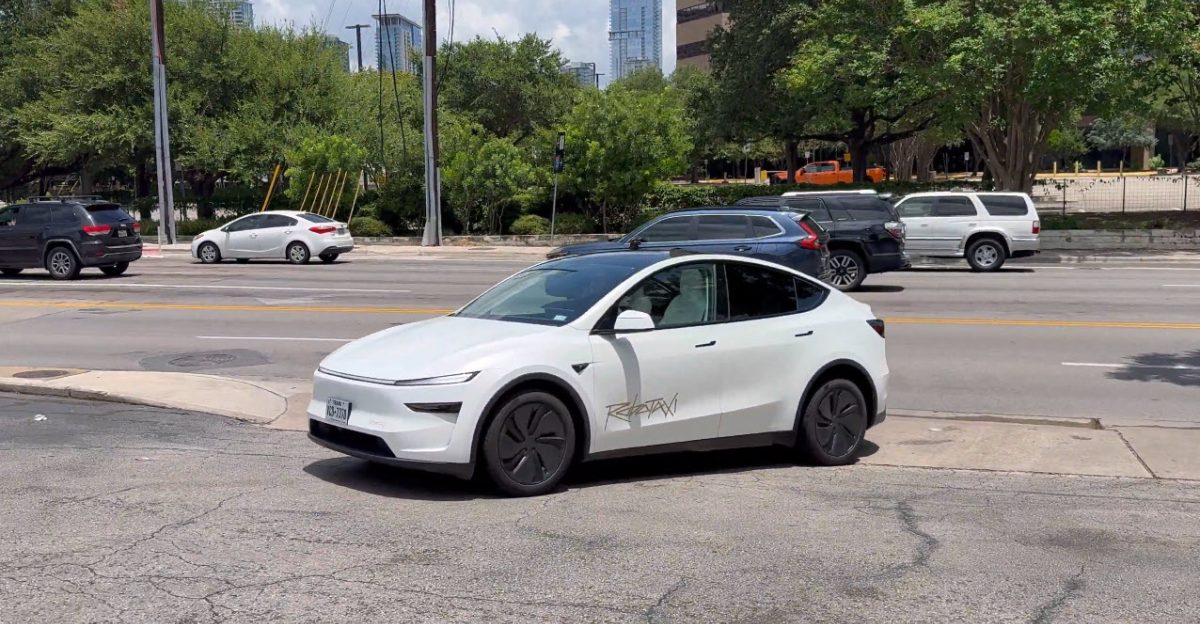
Distance amplifies the effect of a higher per-mile rate. Short trips of less than a mile may see minimal changes or even slight reductions, but longer rides accumulate the additional cost quickly. Trips across town or to the airport multiply that $0.40 increase mile after mile. If those reported rates hold steady, average trip costs could climb across the city. In competitive ride-hailing markets, pricing transparency often shapes customer behavior. Riders who feel they are paying more than expected may compare options across multiple apps before choosing their next ride.
The Future Of Robotaxi Pricing
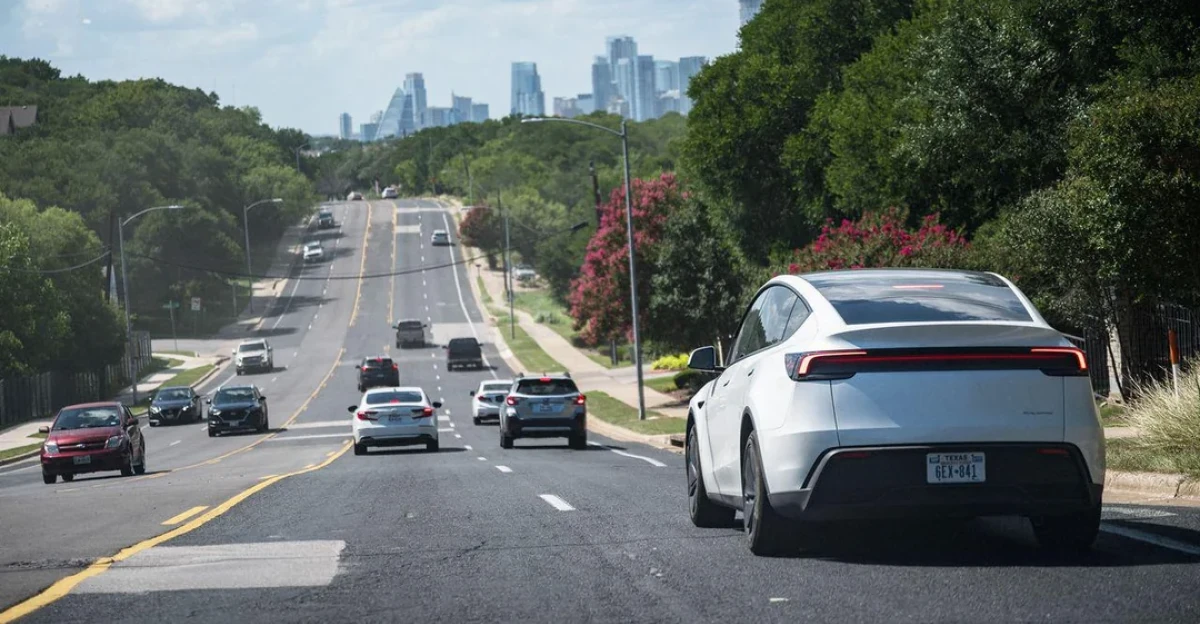
The reported adjustment also highlights how early robotaxi services may experiment with pricing models. Because the technology and market are still developing, operators can test different combinations of base fares and distance charges to study rider behavior. Small numerical changes can shift revenue toward certain trip types while discouraging others. Observers say these experiments could expand into time-based pricing, location zones, or demand-based adjustments. In a new transportation market, pricing structures can evolve quickly as companies analyze how riders respond to each update.
Why The Math Matters
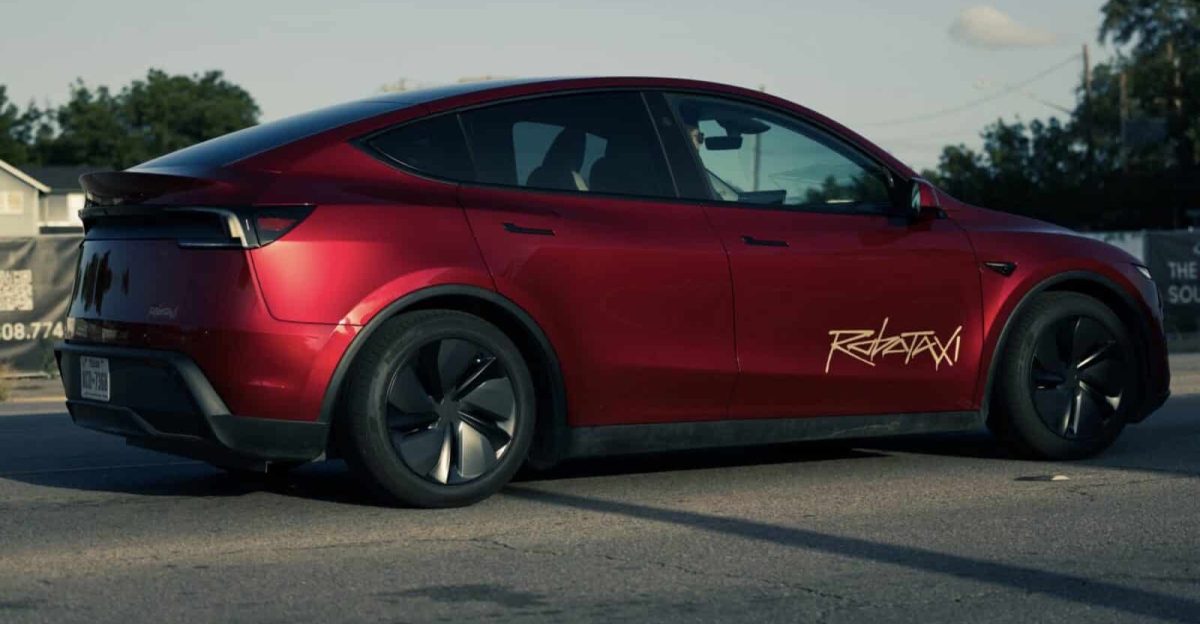
At first glance, a base fare drop suggests rides became cheaper. But the complete calculation tells a more complicated story. When the per-mile rate increases by 40%, most trips longer than about eight city blocks cost more than before. Understanding that shift requires looking beyond the headline number and examining the full structure behind a ride’s final price. For Austin riders watching these reported changes, the key lesson is simple: the distance rate often matters more than the starting fee. And that detail can quietly reshape the real cost of a trip.
Sources:
Tesla Raises Robotaxi Price Again With 40% Increase. Not a Tesla App, March 11, 2026
Tesla Robotaxi Prices Jump in Austin: Here is the New Cost for a 5-Mile Trip. Tesla North, March 6, 2026
Tesla Robotaxi Pricing Just Changed: Base Fee Triples to $3. Basenor, March 6, 2026
Tesla Robotaxi prices just jumped. Here is what riders pay now. Yahoo Finance, March 9, 2026
NEWS: Tesla has raised the base cost of its Robotaxi rides in Austin. Sawyer Merritt (X/Twitter), March 7, 2026