Tesla’s Door Handles Have Killed 15 People And China Banned Them—’Not Reasonably Escapable’
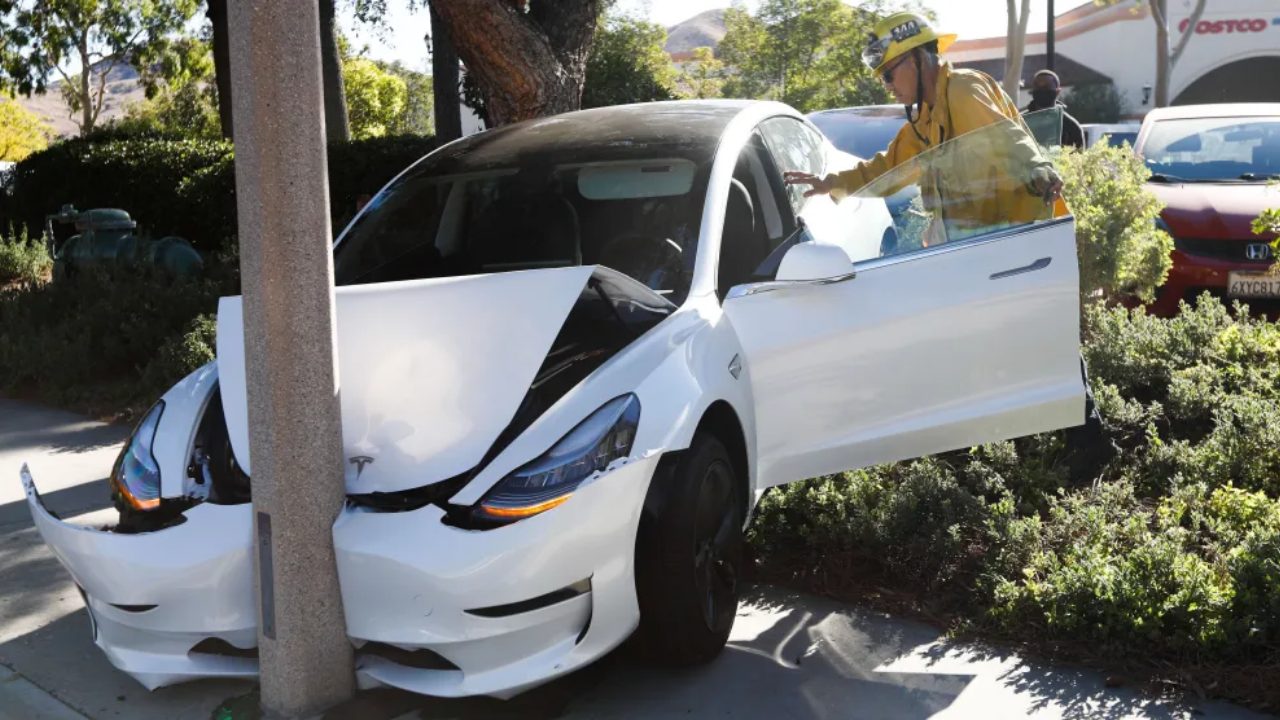
On December 23, 2024, a Tesla Model 3 on Highway 35 in Georgia did something the wrongful death complaint says the event data recorder can’t explain. According to the lawsuit, the vehicle was in Full Self-Driving mode when the accelerator pedal jumped from 0.0 at 63 mph to 100% with zero driver input. The car struck a tree and burst into flames. A 35-year-old father pursuing his doctorate and his 14-year-old son were inside. Rescuers arrived. They couldn’t open the doors. Both burned alive. That’s the headline everyone saw. The part about 3.2 million other vehicles is the part they missed.
Why the Doors Became a Coffin
Tesla’s electronic door handles run on the vehicle’s low-voltage battery system. When a crash damages that 12-volt system, the handles go dead. A separate failure—thermal runaway in the high-voltage battery pack—then turns an inescapable cabin into a furnace. Tesla installed a mechanical backup release, but placed it under floor panels, behind trim, or beneath rear-seat carpet. Unlabeled. Unintuitive. Invisible to a panicking occupant engulfed in smoke. NHTSA opened a probe into 179,000 Model 3s over this exact mechanism. Bloomberg’s investigation counted at least 15 deaths from this design across a decade and multiple Tesla models. The backup exists. Finding it in a fire doesn’t.
Your Grocery Run Just Got More Expensive
The wrongful death lawsuit filed April 2, 2026, by the boy’s mother seeks special damages for burial expenses and mental anguish. But the real financial shockwave already landed in August 2025, when a jury hit Tesla with a $243 million verdict in a separate Autopilot crash. Tesla had rejected a $60 million settlement offer. The jury returned more than four times that amount and assigned Tesla 33% liability despite driver negligence. That verdict opened the floodgates. A wave of new lawsuits followed, and every filing increases Tesla’s legal exposure. Insurance actuaries noticed.
Every Automaker With Flush Handles Is Sweating
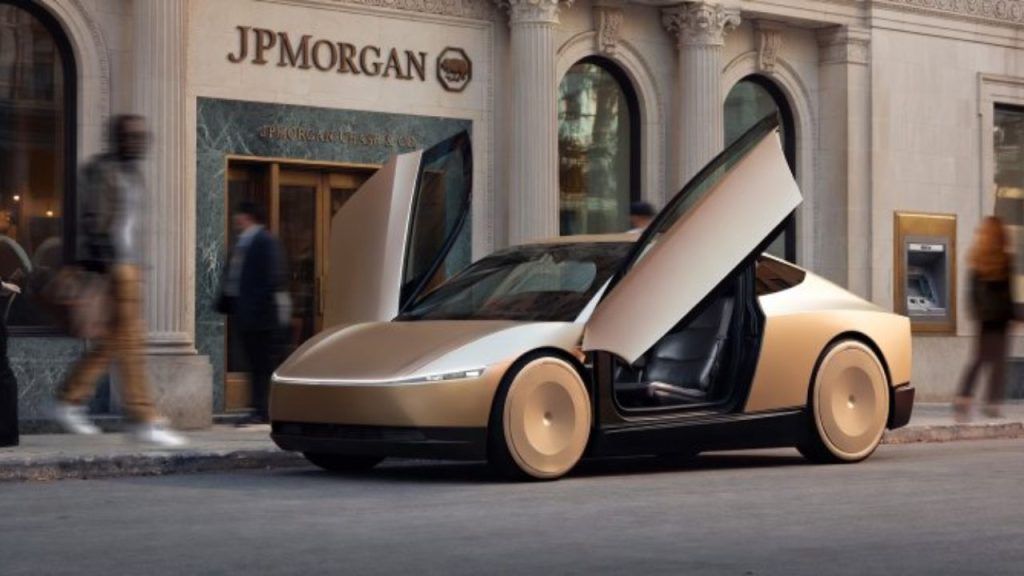
Tesla popularized the sleek, flush electronic door handle. BMW, Chinese EV brands, and a dozen others copied it. Now China has finalized a ban on Tesla-style hidden door handles effective January 1, 2027, requiring mechanical releases on new locally manufactured vehicles, with already-approved models given until 2029 to comply. Automakers producing new vehicles for the Chinese market must redesign or exit. That regulatory precedent doesn’t stay in Beijing. A House subcommittee forwarded the SAFE Exit Act to the full Energy and Commerce Committee on February 10, 2026. Flush handles went from design advantage to legal liability overnight. The aesthetic that sold cars now traps people in them.
The Software That Can’t See Fog
Door handles are half the problem. On March 18, 2026, NHTSA upgraded its Full Self-Driving investigation to Engineering Analysis status, covering 3.2 million Tesla vehicles. A parallel probe documented 80 FSD-related incidents tied to traffic violations and visibility failures by late 2025; the visibility investigation separately identified nine crashes including one fatality. The finding that should keep Tesla owners awake: FSD’s degradation detection system fails to recognize common roadway conditions like fog and glare. A system marketed as seeing better than humans goes blind in conditions humans handle daily. Same pattern. Different component. Identical result.
The Machine Behind Every Failure
Here’s what connects the door handles, the accelerator spike, the blind cameras, and the hidden releases. Tesla’s business model ships features faster than safety engineering can verify them. Marketing generates demand. Regulatory enforcement lags by years. First Autopilot crash: 2016. First major jury verdict: 2025. First federal investigation upgrade: 2026. A decade between failure and accountability. By the time courts catch up, the design flaw has killed fifteen people. That gap between promise and proof is the system. It reaches your driveway. Your family’s next ride. Your insurance premium.
Words From Inside the Wreckage
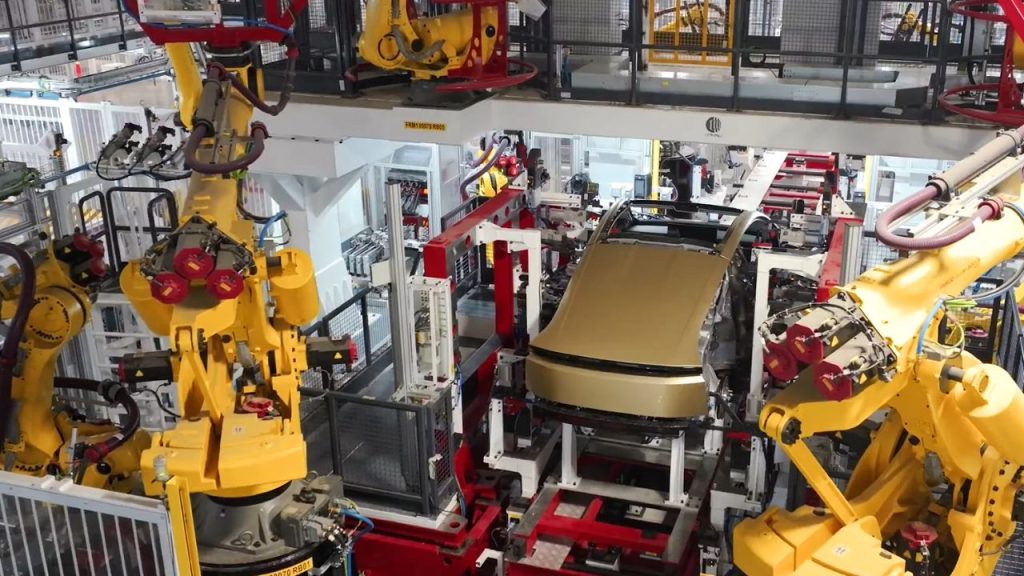
The lawsuit’s language strips away every marketing claim Tesla ever made: “Tesla’s design renders the vehicle not reasonably escapable and not reasonably rescuable following foreseeable collisions involving loss of low-voltage power, fire, or emergency system shutdown.” Foreseeable. That word does the heaviest lifting. Tesla didn’t face an unimaginable scenario. Crashes happen. Fires happen. Doors need to open. The company built a vehicle where the predictable consequence of a predictable event is death by entrapment. A California administrative law judge already ruled Tesla’s Autopilot and Full Self-Driving marketing deceptive and in violation of state law in December 2025.
The Rules Are Changing Worldwide
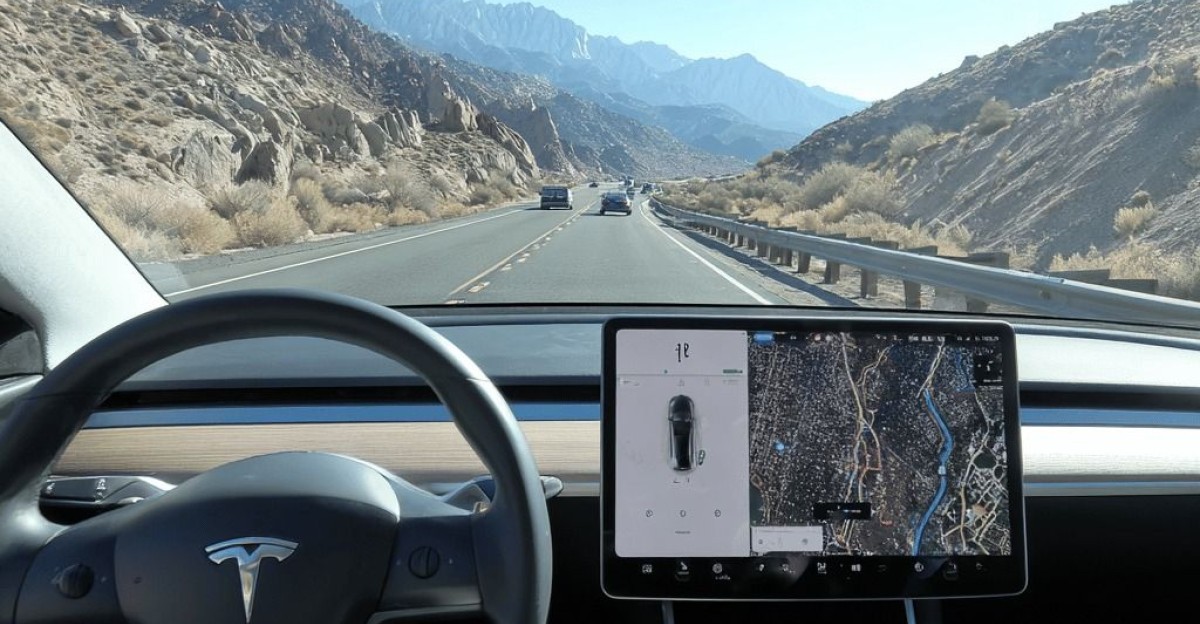
China’s ban. The SAFE Exit Act in Congress. NHTSA’s Engineering Analysis, one regulatory step from a mandatory recall of 3.2 million vehicles. California’s DMV ruling that forced Tesla to cease “Autopilot” marketing or face a 30-day suspension of its dealer and manufacturer licenses—Tesla complied within the 60-day window, avoiding any suspension. Four governments on three continents arrived at the same conclusion independently: Tesla’s design is systematically unsafe for post-crash survival. That convergence sets a precedent no appeals court can ignore. The $243 million verdict proved juries will hold Tesla liable. Now regulators are writing the rules to match.
Who Wins, Who Loses, What You Should Know
Trial lawyers are the clear winners. The August 2025 verdict created a blueprint: prove system failure through EDR data, show Tesla knew about the flaw, collect. Losers include Tesla shareholders facing recall costs, discovery expenses, and reputational erosion. Current Tesla owners lose twice: insurance premiums rise while resale values absorb the liability stigma. And the next victims are already driving. FSD v14.2 reportedly degraded significantly—user-reported data suggests roughly a 1,000-mile critical disengagement rate—while Musk promises v14.3 feels “sentient.” The gap between marketing and engineering keeps widening.
The Cascade Isn’t Close to Finished
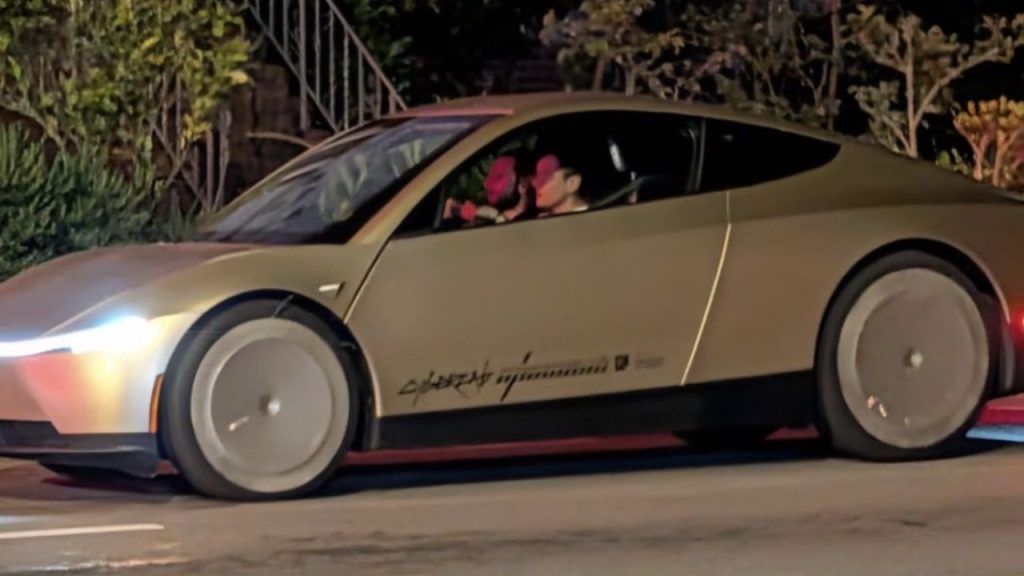
Tesla’s likely countermoves: appeal the $243 million verdict, lobby Congress to preempt state regulations, accelerate FSD updates to claim the problem is solved before regulators act, and settle new lawsuits quietly to prevent discovery of internal documents. That last part matters most. Class action discovery could force release of internal emails showing exactly when engineers knew these designs trapped people. NHTSA’s Engineering Analysis path leads to a recall order, potentially by late 2026. One crash in Georgia. Fifteen dead across a decade. 3.2 million vehicles still on the road. The cascade is accelerating.
Sources:
“Tesla Is Being Sued Over Elon Musk’s False Claims After Electric Door Handles and Full Self-Driving Mode Allegedly Led to a Father and Son’s Death.” AutoNocio, 4 Apr. 2026.
“15 People Have Died in Crashes Where Tesla Doors Wouldn’t Open.” Bloomberg, 22 Dec. 2025.
“Tesla Ordered by Florida Jury to Pay $243 Million in Fatal Autopilot Crash.” Reuters, 1 Aug. 2025.
“NHTSA Upgrades Probe into 3.2M Teslas Over Self-Driving Crashes.” Insurance Journal, 20 Mar. 2026.