Tesla’s $30K Steering-Wheel-Free Cybercab Hits Production As $2.9B Battery Deal Collapses
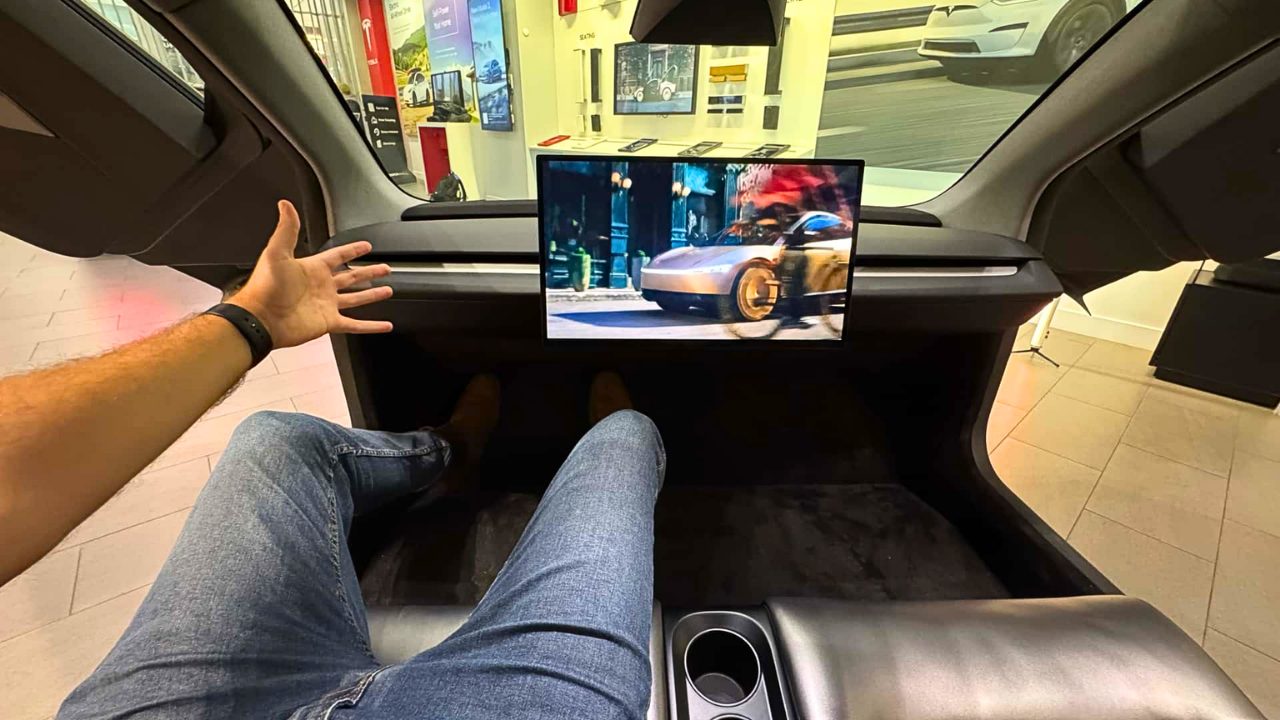
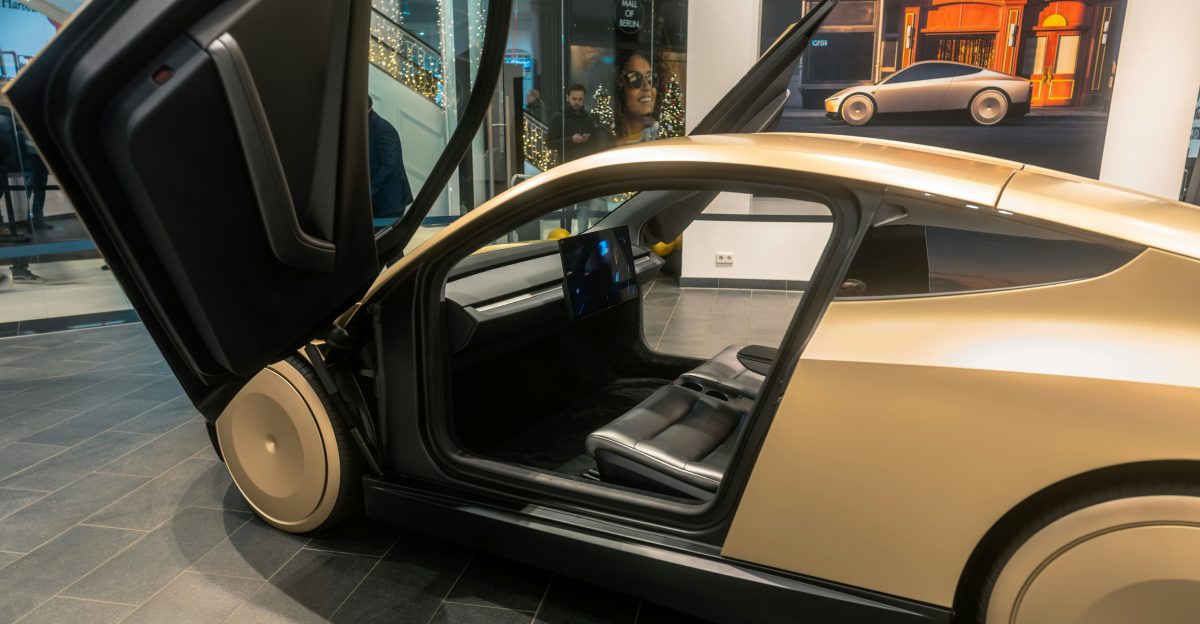
Twenty-five metallic gold vehicles stood scattered across Tesla’s Giga Texas complex on March 3. No steering wheels. No pedals. No driver controls. Fourteen lined up outside the factory exit, nine more at the crash testing facility, and two at the west end-of-line station.
This program began weeks ahead of schedule, with the first production unit leaving the assembly line in mid-February. Musk described this moment as “agonizingly slow.” Twenty-five units across the entire factory prove the point.
A New Price War
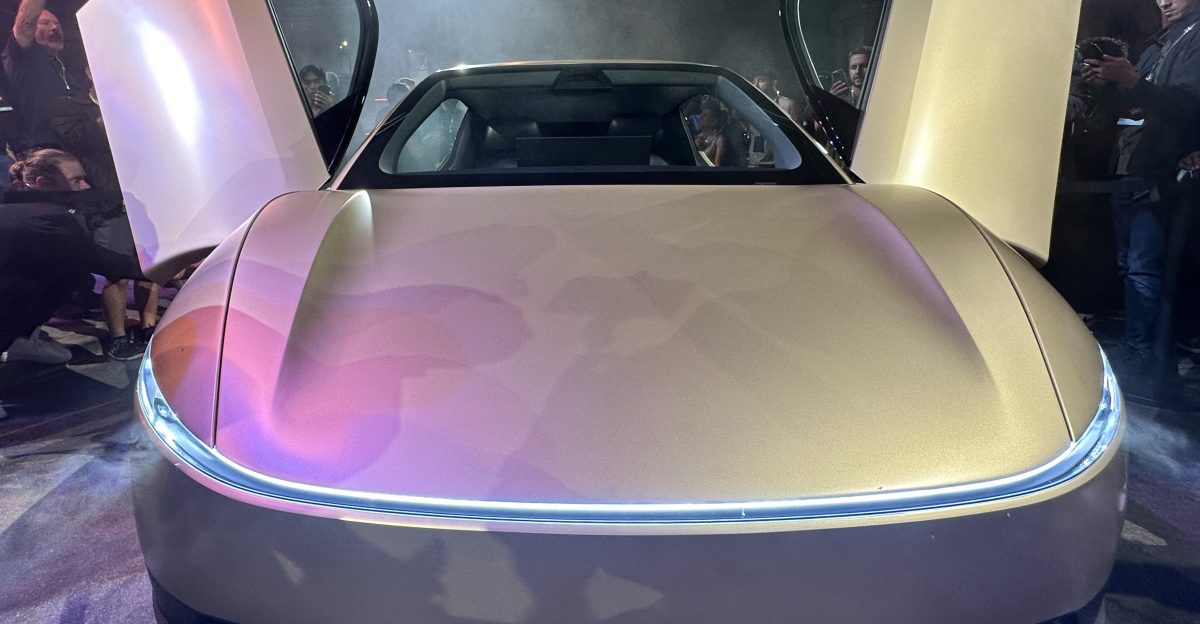
Musk agreed to a public bet that Tesla would deliver a sub-$30,000 Cybercab before 2027, matching his stated goal of offering a version of the vehicle for under $30,000 in that window. That price point alone challenges the belief that autonomous vehicles must be expensive. Waymo equips each robotaxi with lidar, radar, and HD mapping hardware, a stack widely seen as far pricier than Tesla’s camera-based system, though per-vehicle cost estimates vary.
Tesla relies on cameras and a Full Self-Driving (Supervised) training dataset now exceeding 8.4 billion real-world miles, according to company safety data. Newly released figures show about one major collision every 5.3 million miles with FSD Supervised active. The vision-only approach brings the sensor bill close to commodity camera pricing. That cost gap supports the $30K promise.
Cutting Complexity in Half

Cybercab Chief Engineer Eric Earle set the design target clearly: “We set out at the start of the project to halve everything from our current products.” The result carries about half the part count of a Model 3. There is no paint shop.
Reaction injection-molded exterior panels take the place of traditional painted bodywork. Tesla’s unboxed manufacturing process assembles components in parallel, then brings them together, with internal targets aiming for an eventual assembly cycle measured in seconds instead of minutes. A century of linear assembly line logic, discarded. The factory itself became the product.
Supply Deal Fallout
In late December 2025, Tesla’s $2.9 billion 4680 battery cathode supply deal with South Korean manufacturer L&F lost more than 99% of its value. The contract’s residual value dropped to $7,386. That collapse came about six weeks before the first Cybercab left the line.
The 4680 cell designed for Tesla’s Cybertruck program had already lost this main external cathode supplier before Cybercab production began, though whether Cybercab shares that supply dependency remains unconfirmed. Twenty-five test units exist. No one outside Tesla has verified what battery those units contain or where the cells came from.
Cameras Over Sensors
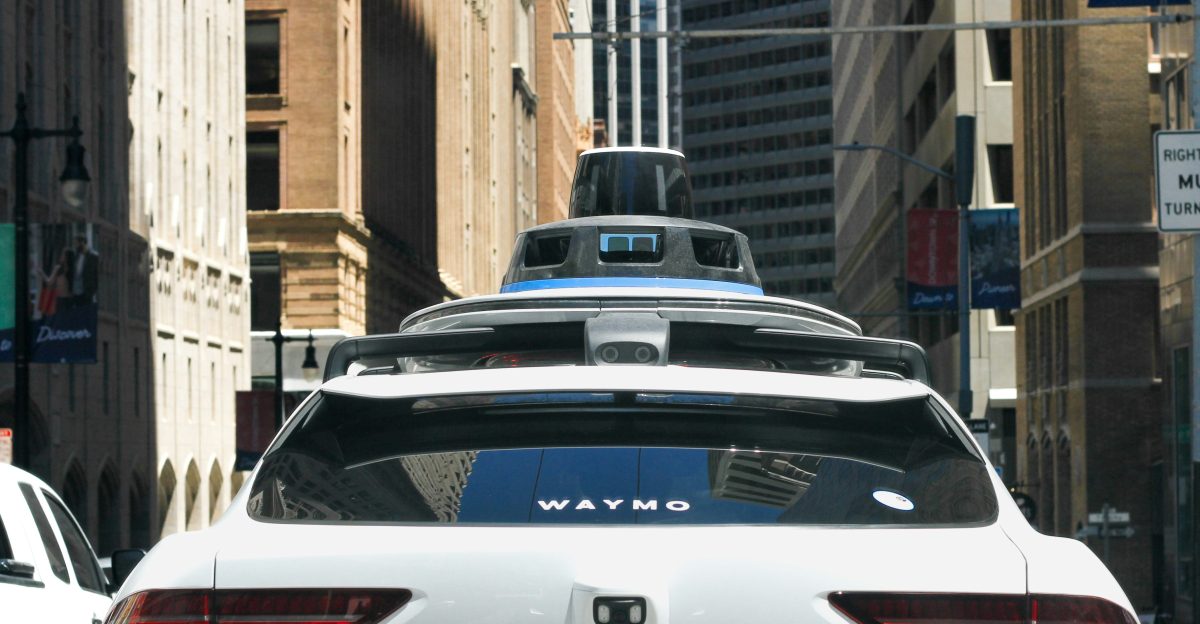
The underlying bet behind the Cybercab is that cameras can replace every sensor Waymo uses. ARK Invest has projected robotaxi operating costs near $0.20 per mile in its autonomy models, a level Musk has called plausible for a mature service. At that price, a Cybercab ride undercuts today’s human-driven ride-hailing and falls below the $0.70–$0.80-per-mile average for personal car ownership, depending on location.
Inductive wireless charging, described by Tesla and suppliers as part of the Cybercab concept, cuts plug-in downtime and aims to keep fleet vehicles circulating for more hours each day. The economics depend on the software, and the software depends on regulatory approval that does not yet exist at scale.
Real-World Testing Grows
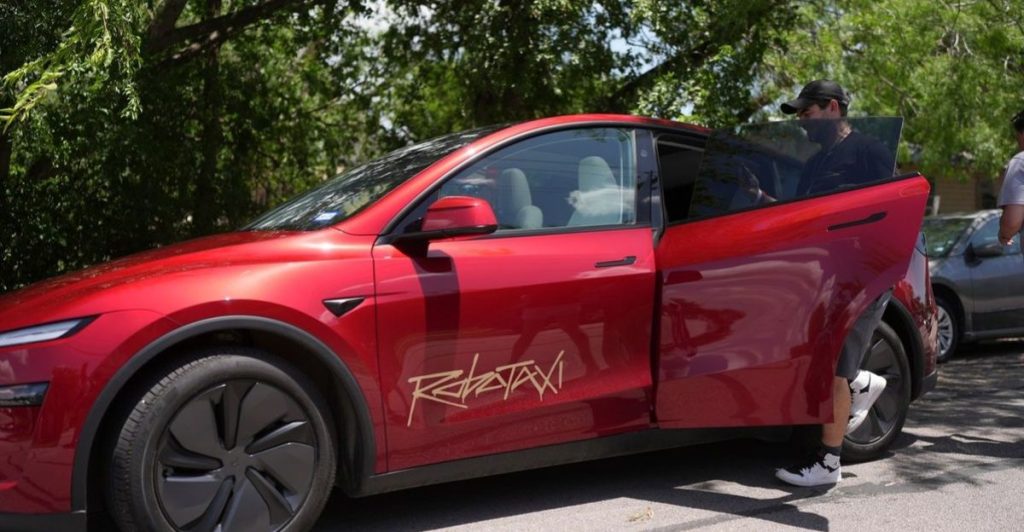
Tesla’s Robotaxi service has logged nearly 700,000 paid miles since launching in Austin in June 2025, according to company figures. The FSD Supervised training dataset now spans more than 8.4 billion miles, the largest real-world autonomous driving dataset any automaker has publicly claimed. Expansion plans cover seven new cities in the first half of 2026: Dallas, Houston, Phoenix, Miami, Orlando, Tampa, and Las Vegas.
That rollout pace ranks among the fastest attempted by any Level 4-style autonomous ride service, even as questions about reliability and crash rates persist. Seven cities in six months, all while the battery supply question remains open.
Shifting the Economics
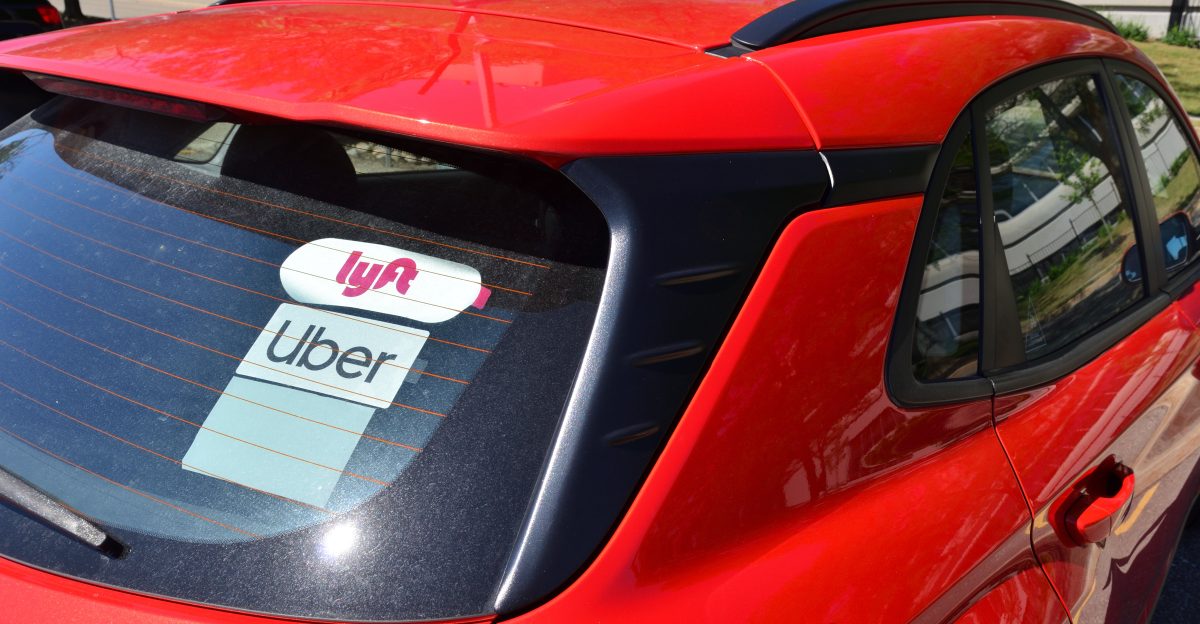
If $0.20-per-mile fleet economics eventually hold at scale, an estimated 1 to 2 million ride-hailing drivers could face displacement over time, based on the current size of the app-based driving workforce. Uber and Lyft built business empires on human labor arbitrage. A vehicle with no driver, no steering wheel, and minimal downtime would disrupt that model.
Urban parking demand could drop as autonomous fleets keep moving instead of sitting idle. Billions in real estate could become available as parking-heavy land uses are reconsidered. Legacy automakers tied to traditional supplier networks, complex paint facilities, and sequential design workflows would watch as Tesla tries to upend their manufacturing philosophy. The impact would reach far beyond Austin.
Challenging Manufacturing Traditions
Those 25 Cybercabs are not customer vehicles. They are manufacturing process validation units, built on production tooling to show that cutting a car’s complexity in half can dramatically compress production timelines. If the unboxing process scales to meet its internal cycle-time targets, every automaker faces a new benchmark for how quickly a vehicle can move from parts bins to finished product.
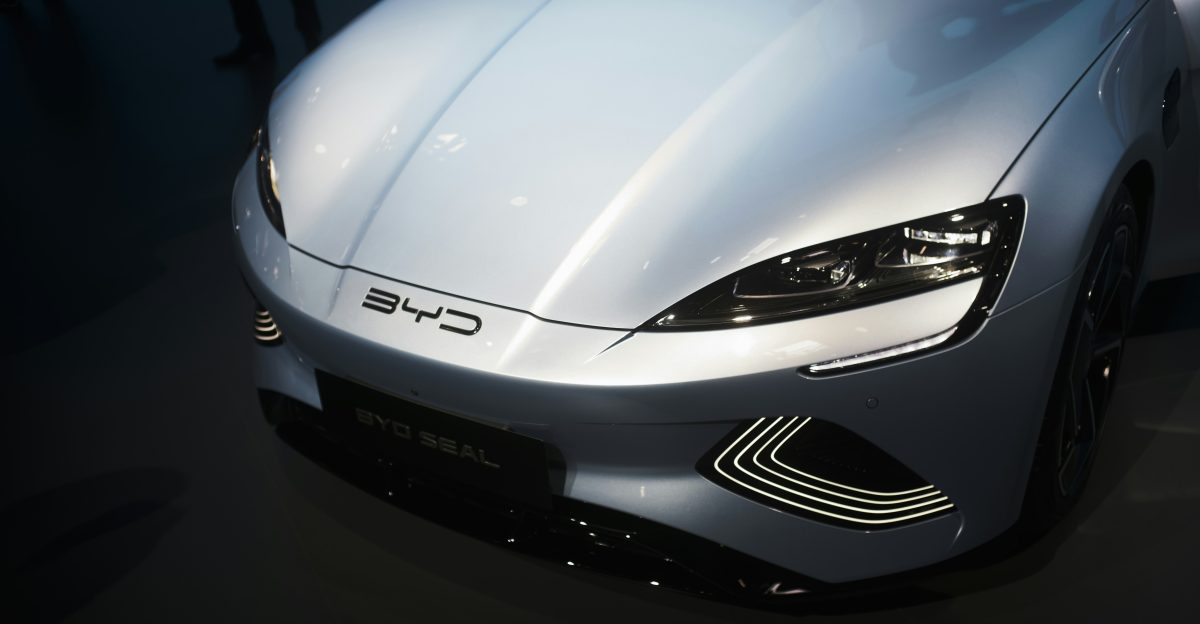
Porsche, Xpeng, BYD, and VW all operate under design-for-manufacturing standards that Cybercab’s roughly 50% part reduction directly challenges. This is no longer just a product launch. It is an industrial proof-of-concept with a $30,000 price tag.
Countdown to Scale
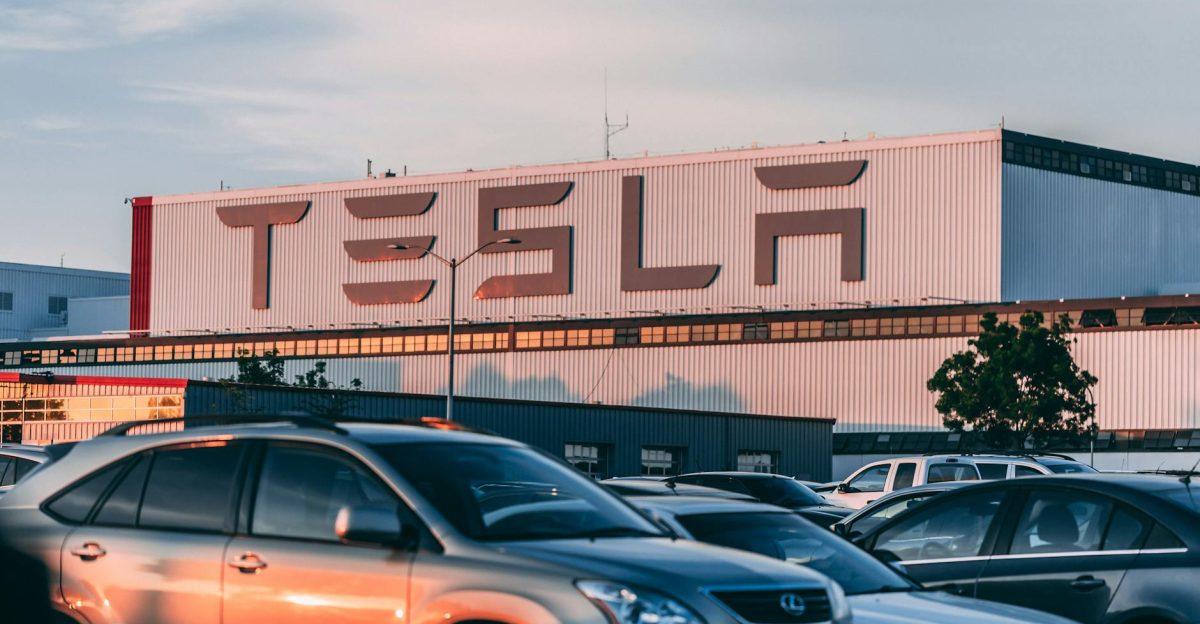
Musk outlined the production curve: “The early production rate will be agonizingly slow, but eventually end up being insanely fast.” April’s start of continuous production is just weeks away. Tesla is seeking approvals to allow FSD Supervised to operate under more permissive rules in European markets, with the Netherlands often mentioned as a likely early case, but no binding date has been announced.
Tesla recently tightened the window on FSD transfer eligibility, shifting emphasis from order-by dates to take-delivery-by requirements. The change sparked visible backlash among owners on social media. Every domino relies on the next one falling. The battery supply picture—whatever cells those 25 units contain—remains the unanswered question.
How Far to Full Rollout?
Twenty-five units on a factory lot do not mark mass production. They signal the start of an “agonizingly slow” phase that Musk predicted. The true revenue timeline for a fully ramped Cybercab fleet likely stretches beyond 2026, with many analysts pointing to 2027 or later once regulatory approvals, safety data, and supply chains are considered. Legacy automakers, Waymo, and regulators across multiple states all influence what happens next.
The assembly line is running. For anyone holding Tesla stock, the crucial question for April: if the 4680 supply chain gap continues past the Cybertruck and into any Cybercab configurations, what does that mean for Cybercab’s ramp timeline?
Sources:
Teslarati, Tesla ramps Cybercab test manufacturing ahead of mass production, 2026-03-02
Austin Today, Tesla Ramps Up Cybercab Production at Giga Texas, 2026-03-02
Investing.com, L&F’s Tesla supply deal value plunges to $7,386, 2025-12-29
Battery-News, L&F: Supply Agreement with Tesla Cut Drastically, 2026-01-04
Teslarati, Tesla FSD (Supervised) fleet passes 8.4 billion cumulative miles, 2026-02-28