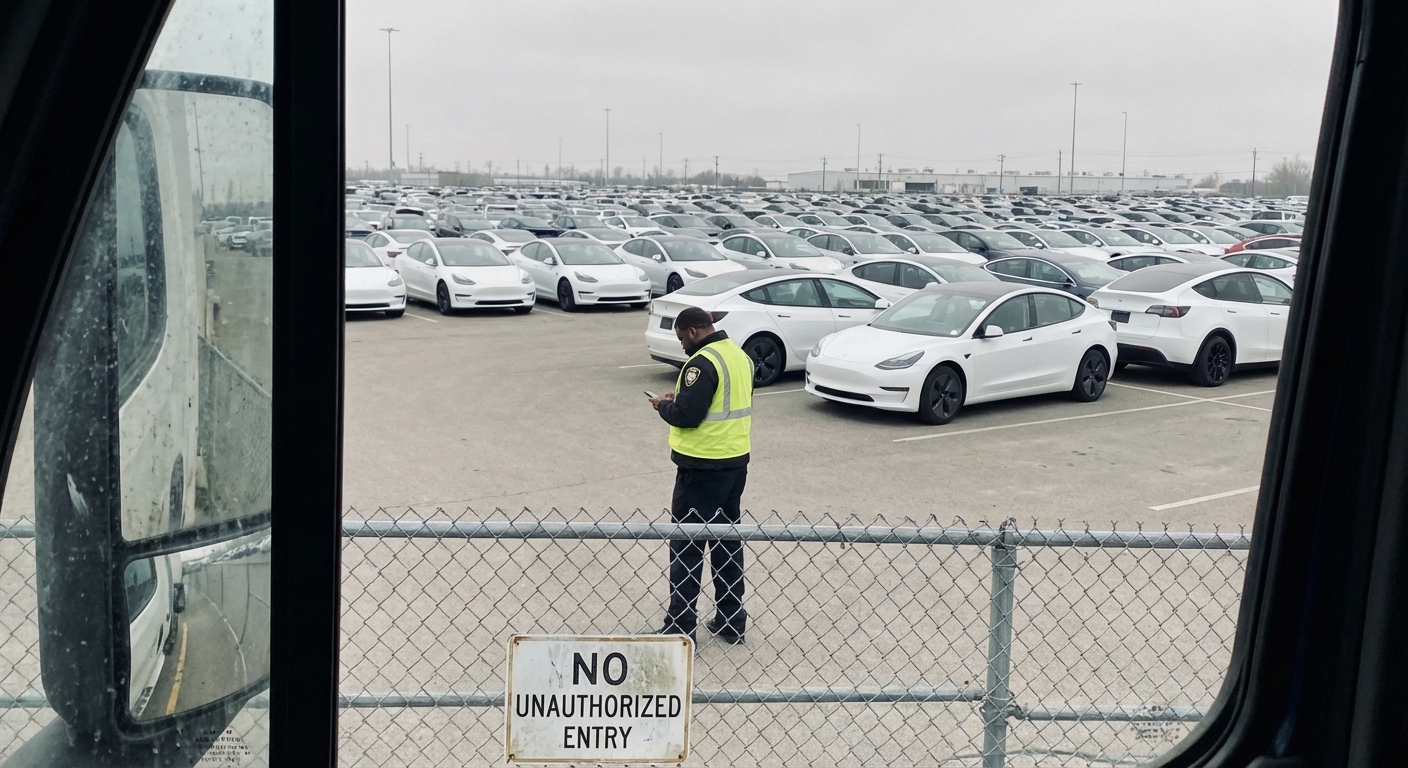
Tesla’s $2.76B ‘Gravy Train’ Derails As Toyota And Stellantis Walk Out
An EU document dated February 27, 2026, landed with the weight of a severance letter. Tesla’s European emissions pool, the arrangement where legacy automakers pay Tesla to offset their dirty fleets, shrank overnight. Four names vanished from the roster. Nine members became five. The two largest contributors, the ones writing the biggest checks, chose the same filing to announce they were done. Toyota and Stellantis departed alongside Subaru and Leapmotor. No warning. No negotiation. Just gone. The pool that once generated over €1 billion annually for Tesla started hemorrhaging before spring.
Free money under pressure
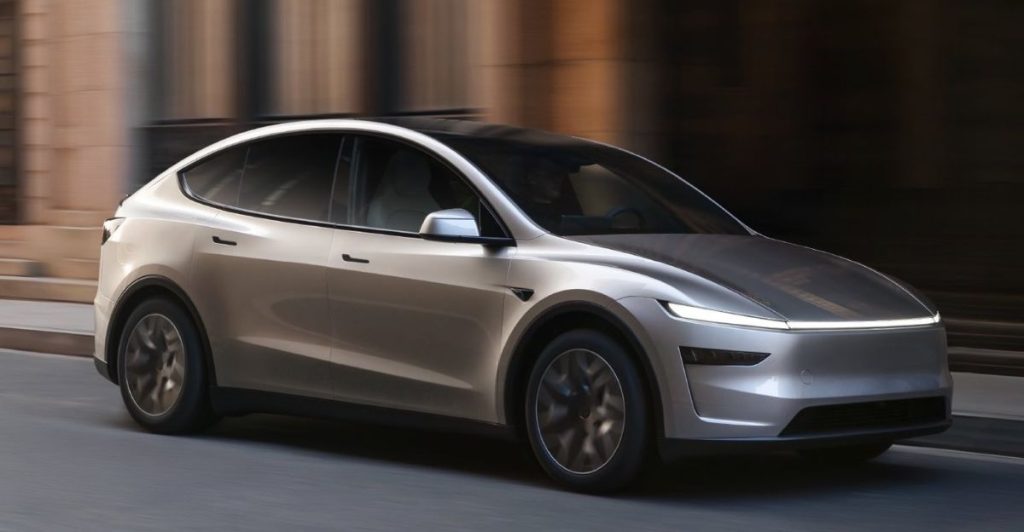
Tesla earned a record $2.76 billion globally from regulatory credit sales in 2024. Every dollar arrived at 100% margin, zero production cost. Competitors failed to meet emissions standards, so they paid Tesla for the privilege of staying legal. By 2025, that figure dropped 28% to roughly $2 billion. Then the US eliminated its credit market entirely, costing Tesla an estimated $1.4 billion in nine months. Two revenue walls collapsed in consecutive years. And the European pool was supposed to be the last stronghold still standing.
Why Toyota and Stellantis left
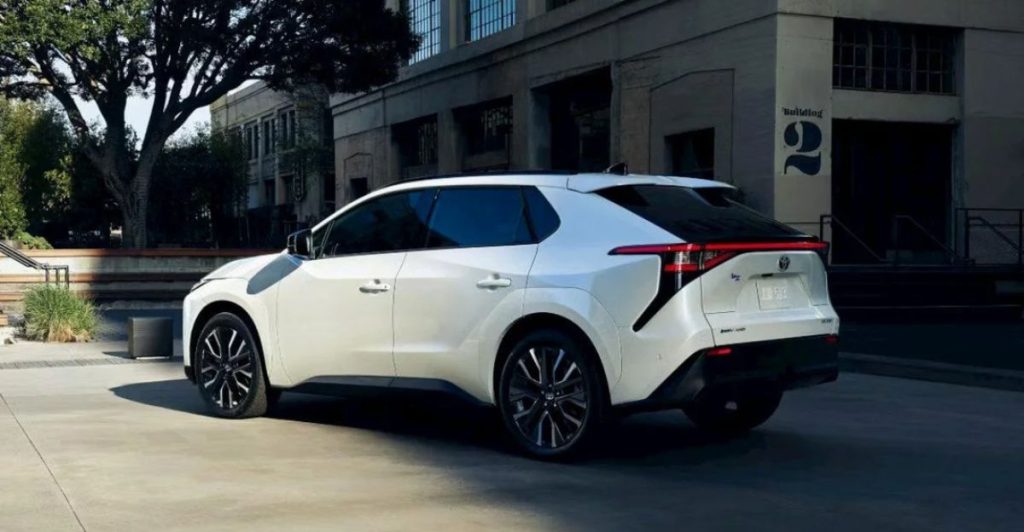
Toyota walked away because it no longer needed help. Its 2025 EU emissions target sat at 96.3 grams of CO2 per kilometer, and its hybrid-heavy lineup expected to hit it cleanly. Stellantis walked away for the opposite reason: it missed its target by roughly 6 grams per kilometer and still left. That second exit made no sense on the surface. An automaker failing its emissions test should be desperate for Tesla’s credits, not abandoning them. Unless Stellantis found something cheaper than writing checks to a competitor.
Leapmotor steps into the gap
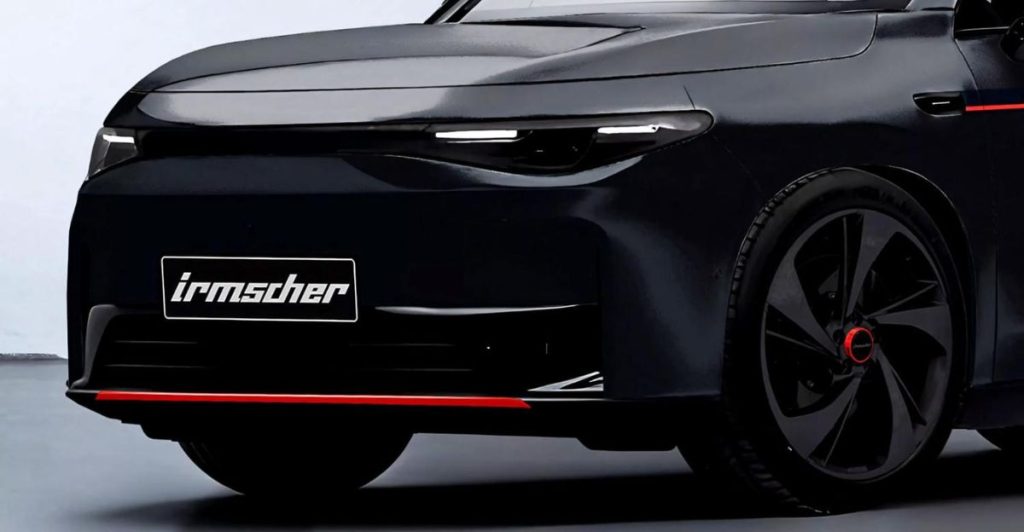
Stellantis found Leapmotor. The Chinese EV maker delivered over 17,000 vehicles across Europe in Q4 2025, expanded to 800-plus dealer locations, and captured more than 2% of EU battery-electric market share. Stellantis holds a 51% stake in Leapmotor International. In Italy alone during the first two months of 2026, Fiat accumulated 66.1 million euros in theoretical penalties. Leapmotor registrations generated 57.5 million euros in theoretical credits. Same country. Same two months. Nearly a complete offset. From a decade-old Chinese startup.
How the arbitrage works
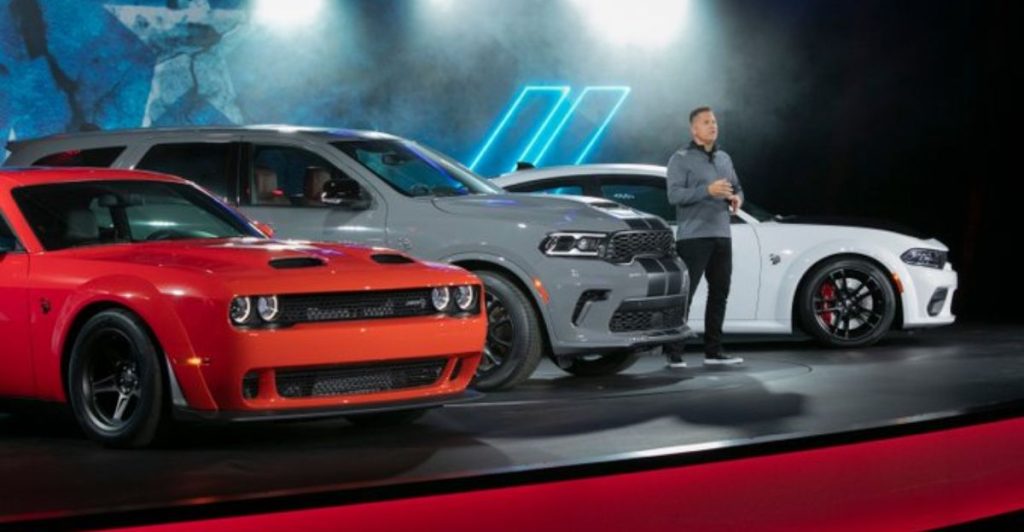
Here is the mechanism nobody is discussing publicly. EU regulations penalize automakers 95 euros for every gram of CO2 over target, per vehicle sold. Stellantis keeps selling high-emission Fiats, Peugeots, and Jeeps. Then it offsets those penalties with Leapmotor credits produced at its own Zaragoza, Spain facility. “Stellantis no longer wants to depend on a competitor to manage its regulatory risk. The group is now building its own source of CO₂ credits.” Maintaining a dirty fleet while scaling cheap Chinese EV production is now more profitable than compliance itself.
The numbers behind the shift
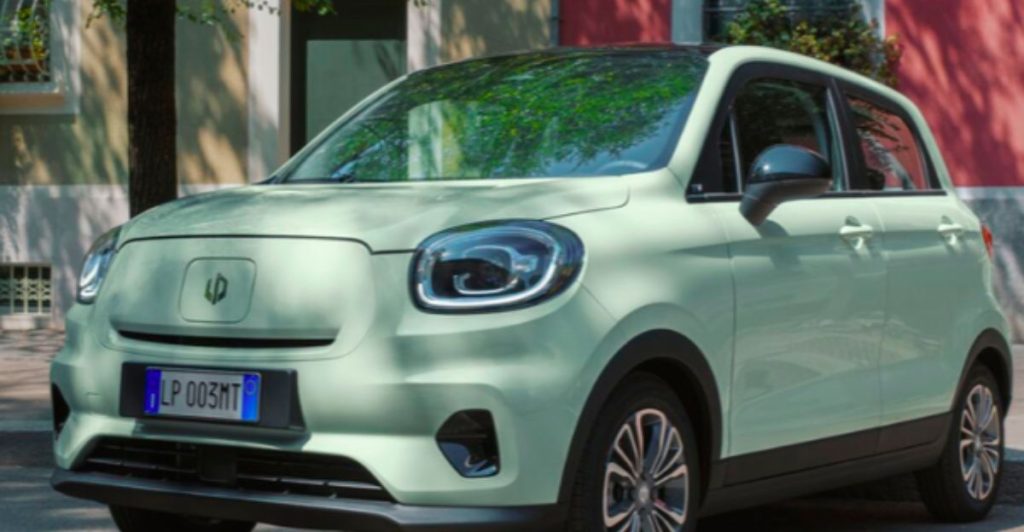
Without regulatory easing, Stellantis’ 2025 bill could have exceeded 800 million euros on the Italian market alone. That number explains everything. The Zaragoza plant is being adapted to produce up to 200,000 Leapmotor vehicles per year. At full capacity, Stellantis could avoid an estimated €1.8 to 2 billion in annual penalties by 2030. Compare that to the old Fiat-Chrysler deal with Tesla in 2019, worth up to $2 billion total. Stellantis went from paying Tesla billions over years to potentially saving billions every single year.
Who is still paying Tesla
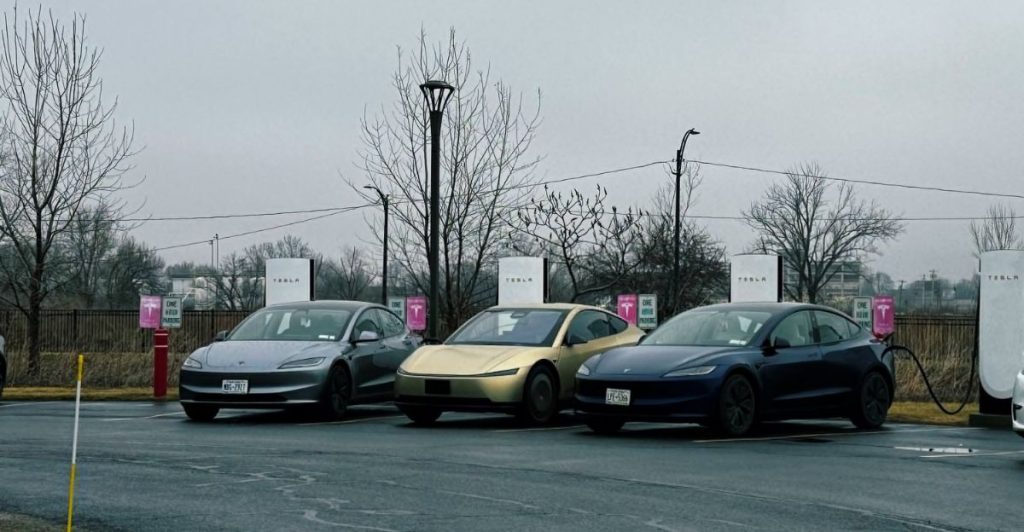
Ford, Honda, Mazda, and Suzuki remain in Tesla’s pool for 2026. Every one of them faces the same compliance pressure that pushed Toyota and Stellantis out the door. The EU’s 2030 target drops to 49.5 grams of CO2 per kilometer, a 55% reduction from the 2021 baseline. That target is mathematically brutal for any automaker without massive EV scale. Tesla acknowledged in its own financial filings that regulatory credit revenue is declining and will continue to do so. Four members today. The question is how many remain by 2028.
A rule that changed the game
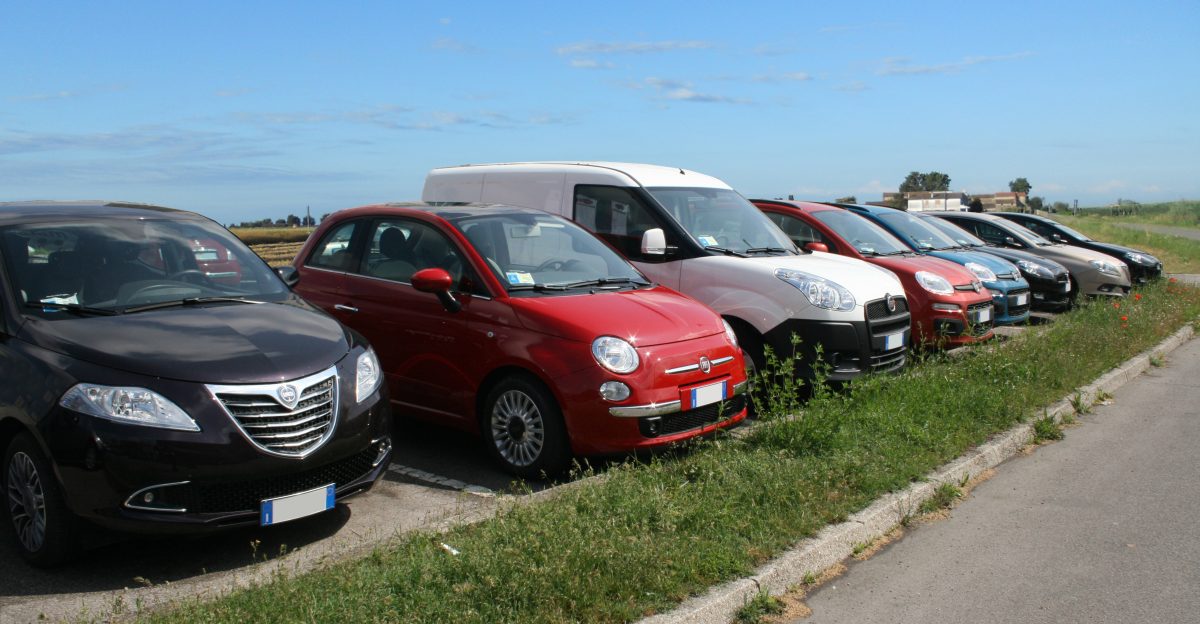
The European Commission gave automakers a three-year averaging window for 2025 through 2027, allowing them to spread emissions across multiple years instead of facing annual penalties. That rule was designed to save legacy automakers from impossible targets. Instead, it gave Stellantis breathing room to ramp Leapmotor production without immediate consequences. Stellantis Italian output already fell to its lowest level since 1954. Leapmotor’s worldwide production doubled in 2025 to roughly 600,000 vehicles, targeting one million in 2026. A regulatory lifeline became a launchpad for Chinese manufacturing on European soil.
The year-end decision point
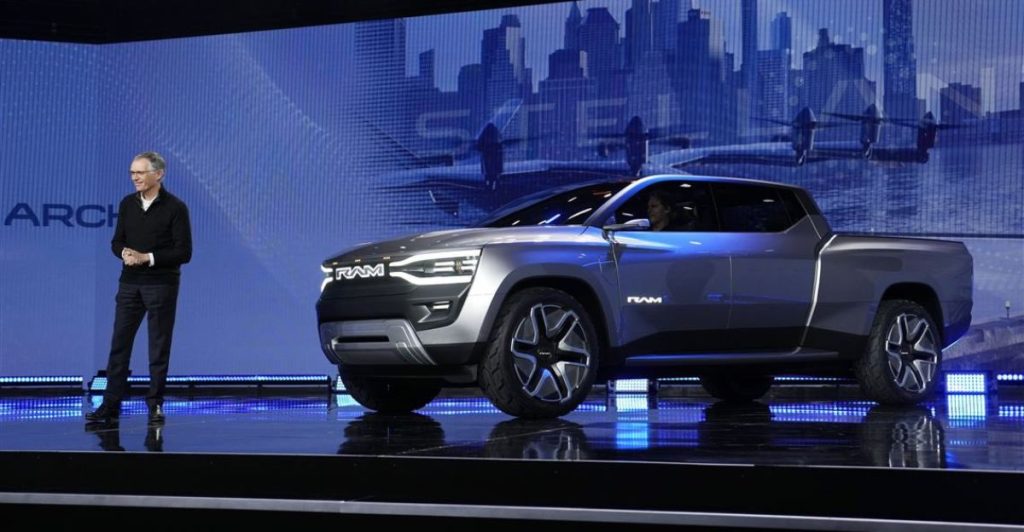
EU pool decisions do not finalize until December 1 of each year. Toyota or Stellantis could theoretically crawl back. But Toyota’s hybrid lineup handles compliance independently, and Stellantis is pouring capital into Zaragoza production lines. Neither company built an exit strategy just to reverse it. Leapmotor expanded into ten new European countries in 2025 alone. Every legacy automaker watching this playbook now needs its own low-cost Chinese EV partner or faces the same penalty math that nearly buried Stellantis.
Tesla’s model turned upside down
Tesla’s entire credit model required one condition: competitors too slow to electrify. That condition is dead. Toyota solved it with hybrids. Stellantis solved it with a Chinese factory in Spain. The business model that generated $2.76 billion in a single year now forces Tesla to replace free money with actual car sales against intensifying global EV competition. Stellantis is not just avoiding penalties. It is profiting from the same regulatory architecture Tesla once owned. The customer became the competitor, and the gravy train has no more passengers buying tickets.
Sources:
“Stellantis, Toyota, Subaru not in Tesla carbon pool for 2026, EU filing shows.” Reuters, 4 Mar 2026.
“Stellantis to Become a Strategic Shareholder of Leapmotor with €1.5 Billion Investment and Create Leapmotor International Joint Venture.” Stellantis, 25 Oct 2023.
“Tesla Will Face $2 Billion in Lost Profit as ‘Big Beautiful Bill’ Kills EV Credits.” Not a Tesla App, 3 Jul 2025.
“Stellantis has just avoided a fine of at least €800 million.” Ital Passion, 5 Jan 2026.