Tesla Outsells Mercedes And BMW Per Store In World’s 4th-Largest Auto Market
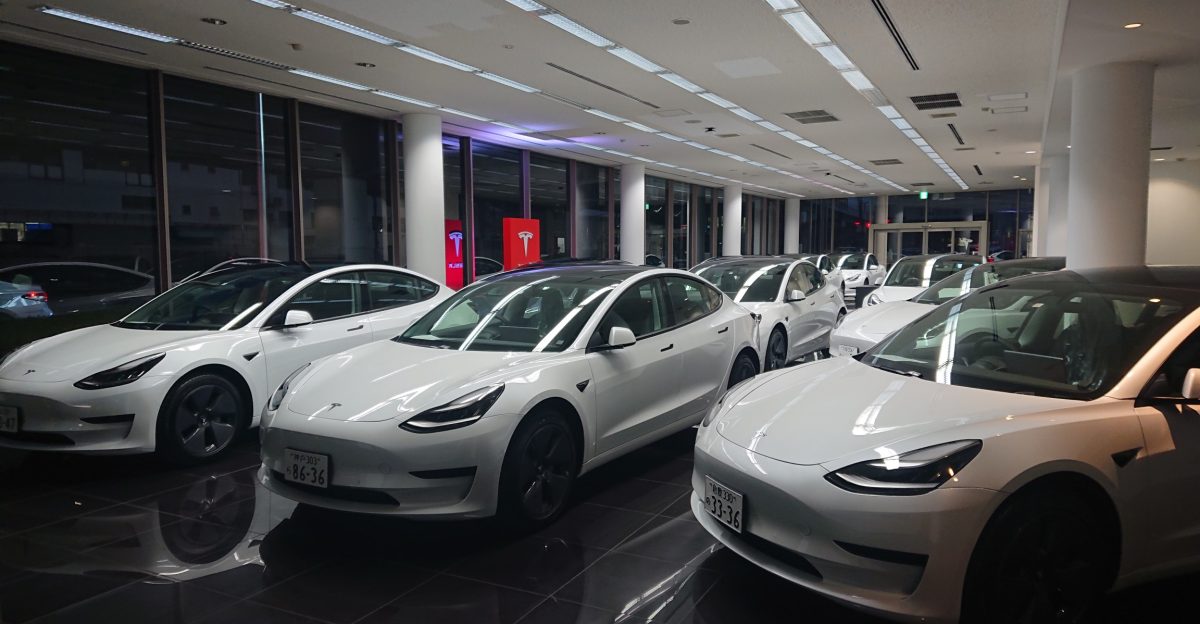
Somewhere inside a Japanese shopping mall, wedged between a clothing boutique and a food court, a Tesla showroom moved more metal per location than Mercedes-Benz or BMW managed across their entire Japanese networks in 2025. Not by a little. By 46 percent over Mercedes. By 74 percent over BMW. In a country where electric vehicles account for just 1.6 percent of all sales and domestic brands control 93.9 percent of the market. The company that built those showrooms had 29 stores at the end of 2025, a number that has since grown to 35. Mercedes had decades of luxury heritage backing its footprint.
The Man From Red Bull
Richi Hashimoto took over Tesla Japan in late 2024 and inherited a mess. Showrooms sat along highways where nobody browsed. Only about 10 percent of the sales staff met his product knowledge standards. The previous record for annual sales stood at 5,900 units, set back in 2022. Japan represented the world’s fourth-largest auto market, 4.57 million vehicles sold annually, and Tesla was barely visible in it. Hashimoto came from Red Bull’s marketing operation, not the auto industry. Within months, he ripped the entire retail model apart.
Malls Over Highways
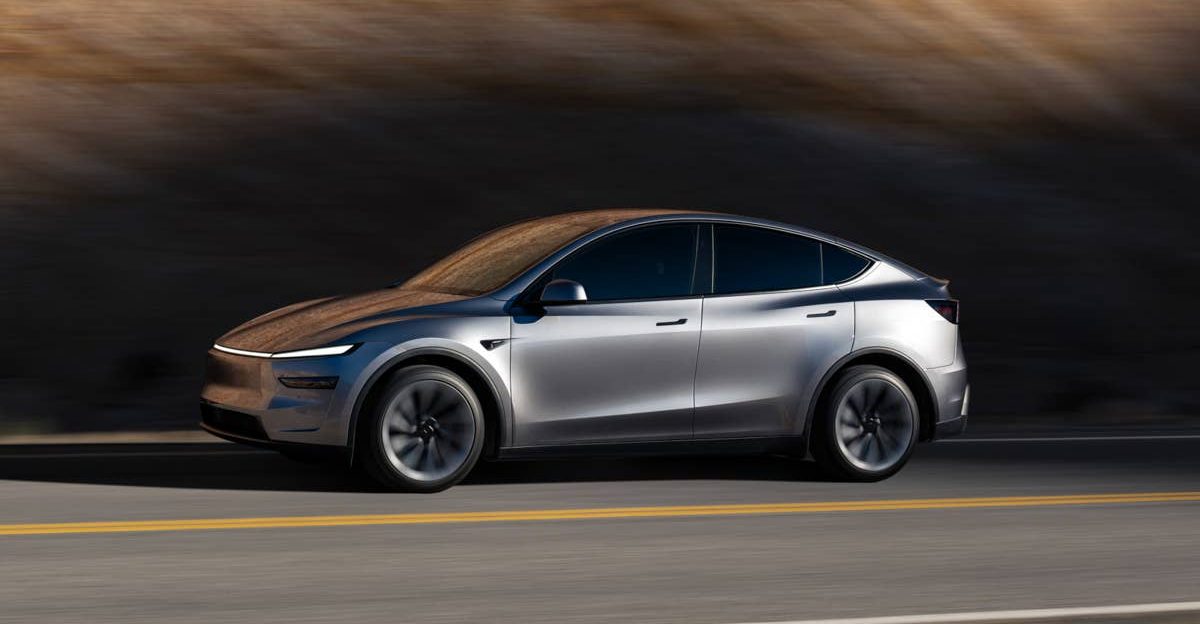
Hashimoto’s diagnosis was blunt: “We first had to introduce people to Tesla.” So he abandoned the highway showroom model and opened 16 new permanent locations inside high-traffic shopping malls in 2025 alone. He retrained the entire sales team in three months, redesigning onboarding so new hires could close deals within their first week. The assumption that Japan resisted EVs started cracking. Consumers weren’t resistant. They simply never encountered a Tesla in a place they already visited. That distinction matters more than any spec sheet ever printed.
366 Cars Per Door
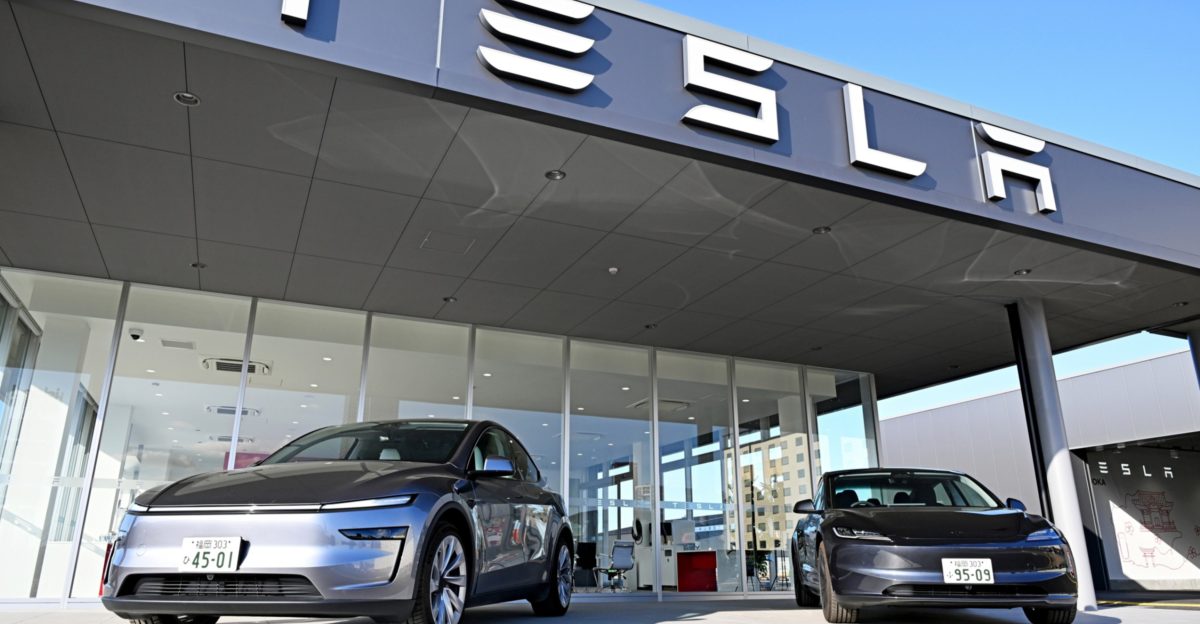
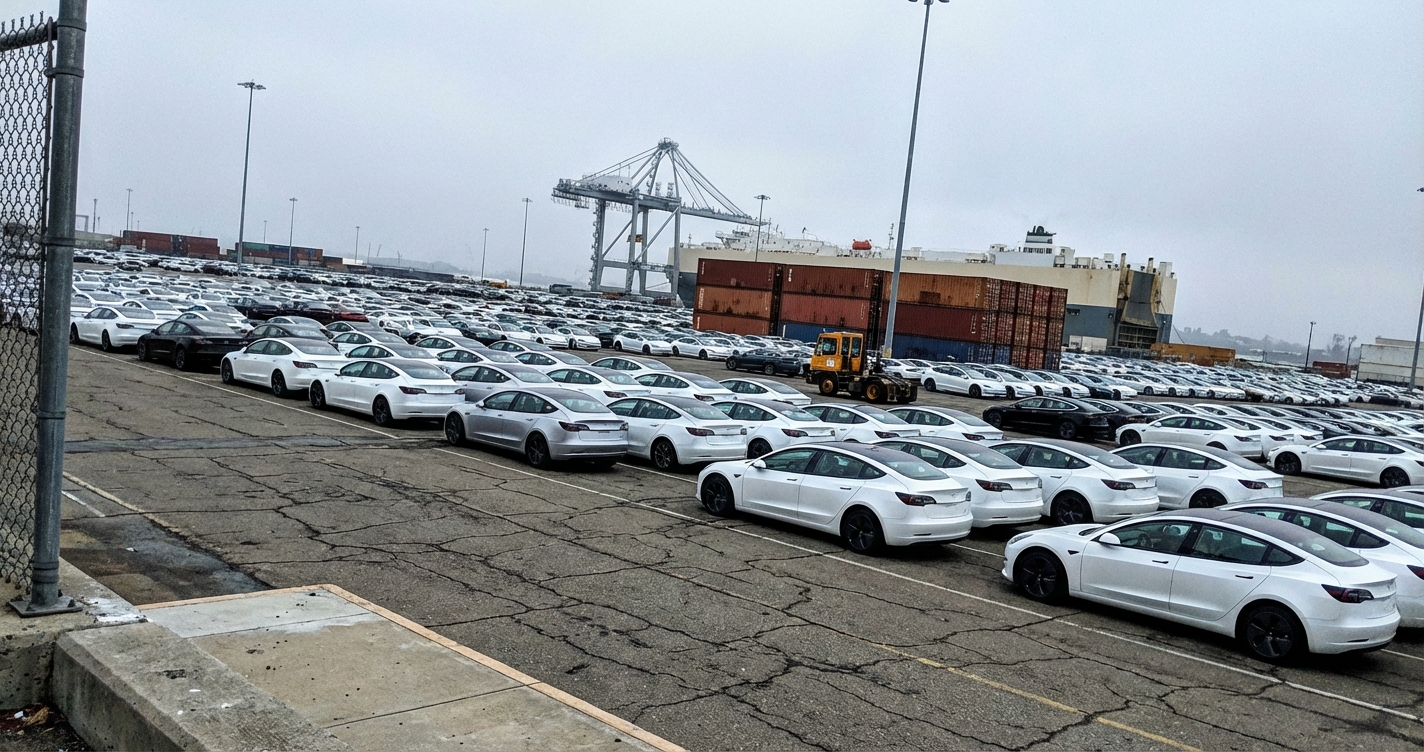
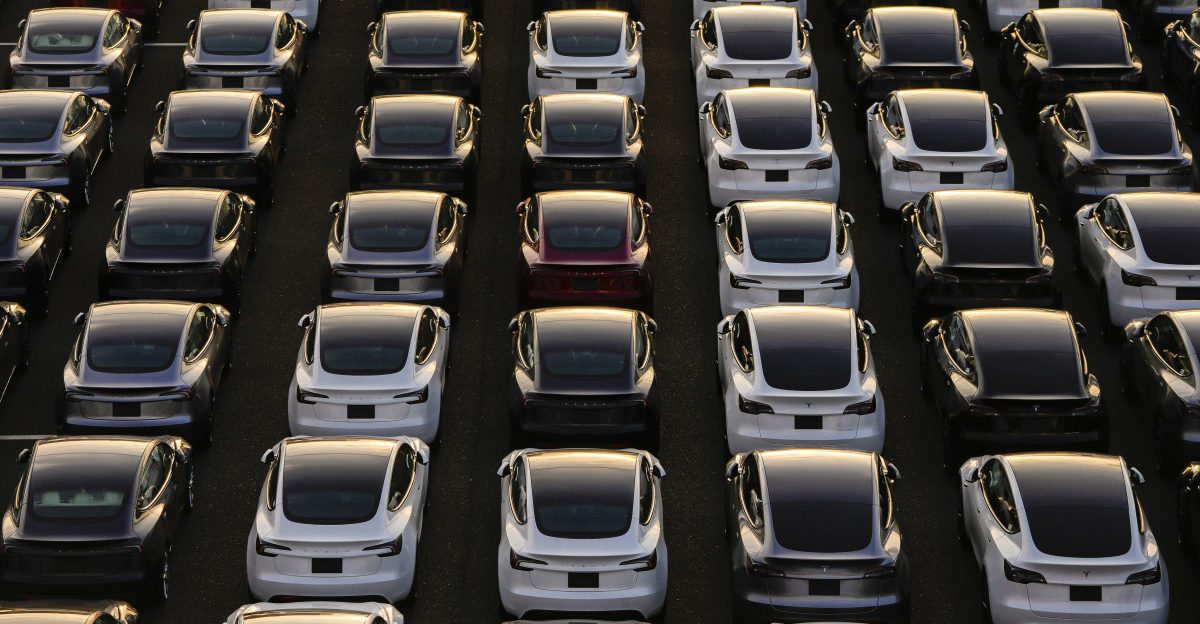
Tesla sold 10,600 vehicles in Japan in 2025. A 90 percent surge. The first time the company exceeded 10,000 units annually in that market. Each of its 29 year-end locations averaged 366 sales. Mercedes-Benz, Japan’s largest foreign brand, sold 50,857 total units but across a network dozens of locations larger than Tesla’s 29. BMW, second at 35,729 units, operated a similarly wider footprint. The online-first company that famously avoided physical retail won by going analog. In malls. With trained humans. During a year when Tesla’s global sales fell 9 percent. A 99-percentage-point divergence from the worldwide trend.
The Hidden Lock-In
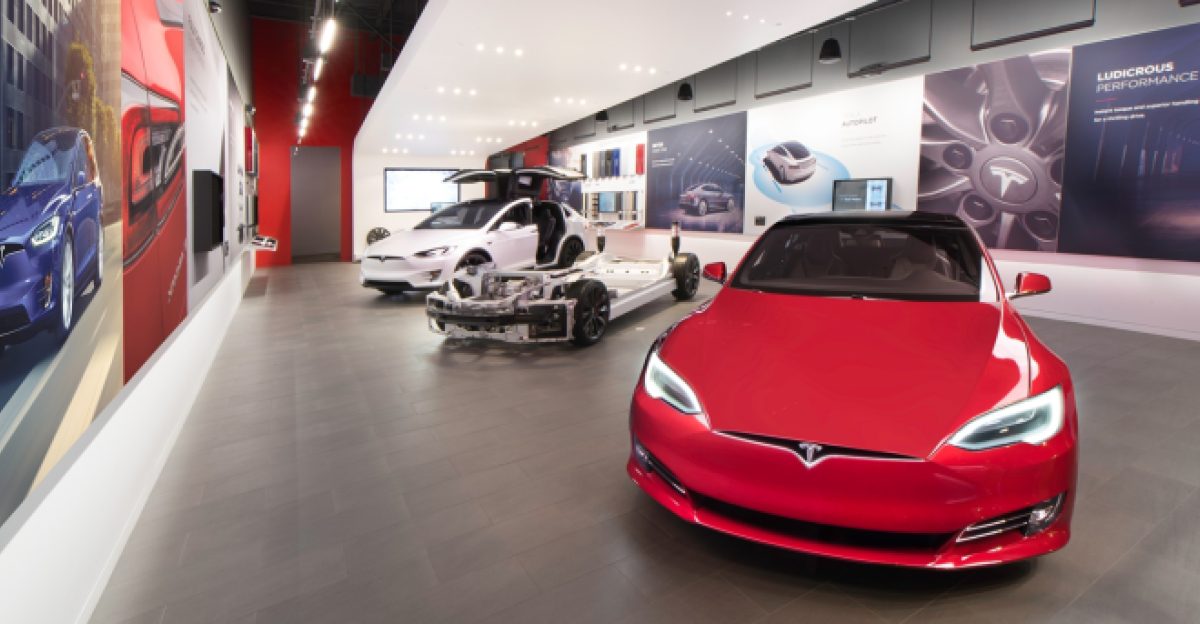
Japanese law requires a mandatory vehicle inspection at the three-year ownership mark. Every car. No exceptions. Tesla recognized this regulatory burden as something else entirely: a recurring customer touchpoint competitors couldn’t replicate at scale. The company plans to more than double its service network from 14 centers to approximately 30, while partnering with over 50 local auto care facilities. Think of it like a cell phone contract. Once you’re inside the service network, switching gets harder with every passing year. That’s not a bug in the strategy. That’s the strategy.
The $115-a-Month Tesla
Zero percent APR financing for up to five years. A 1.27 million yen clean energy vehicle subsidy from the Japanese government. Stack those together and a Model 3 drops to an effective price of roughly 4.04 million yen, approximately $115 a month. That pricing sits below the psychological resistance threshold for most Japanese car buyers considering a premium vehicle. Mercedes and BMW still compete on heritage and prestige. Tesla engineered affordability as a weapon, removing the last barrier after visibility and education were already solved. Three variables corrected simultaneously. Competitors adjusted zero.
The Charger Deficit That Didn’t Matter
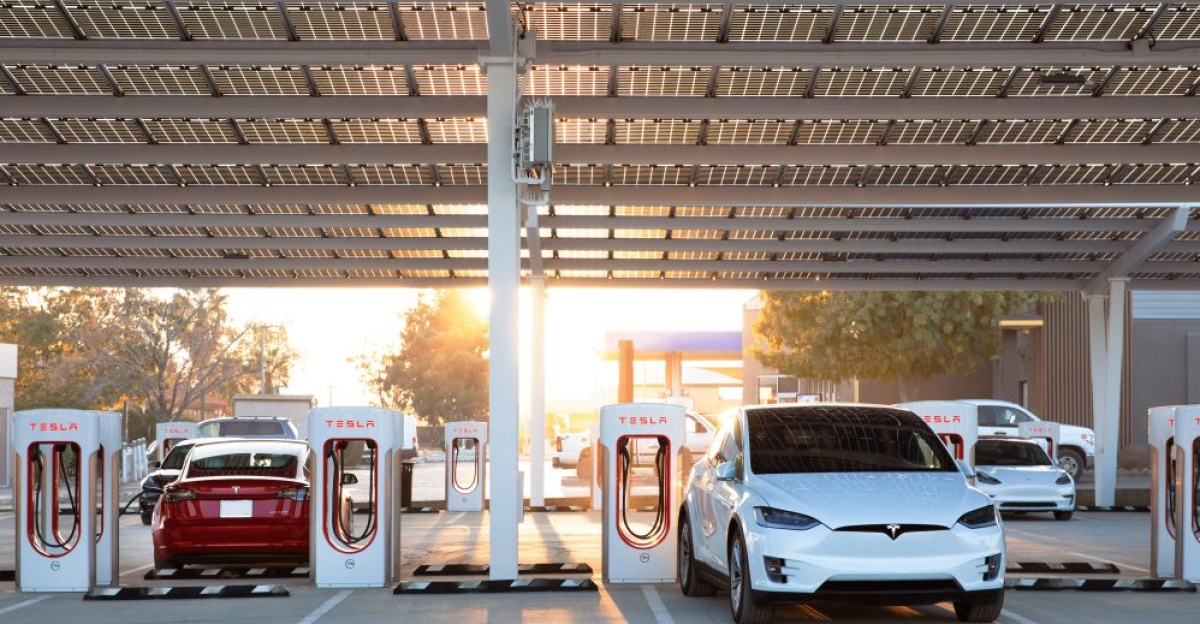
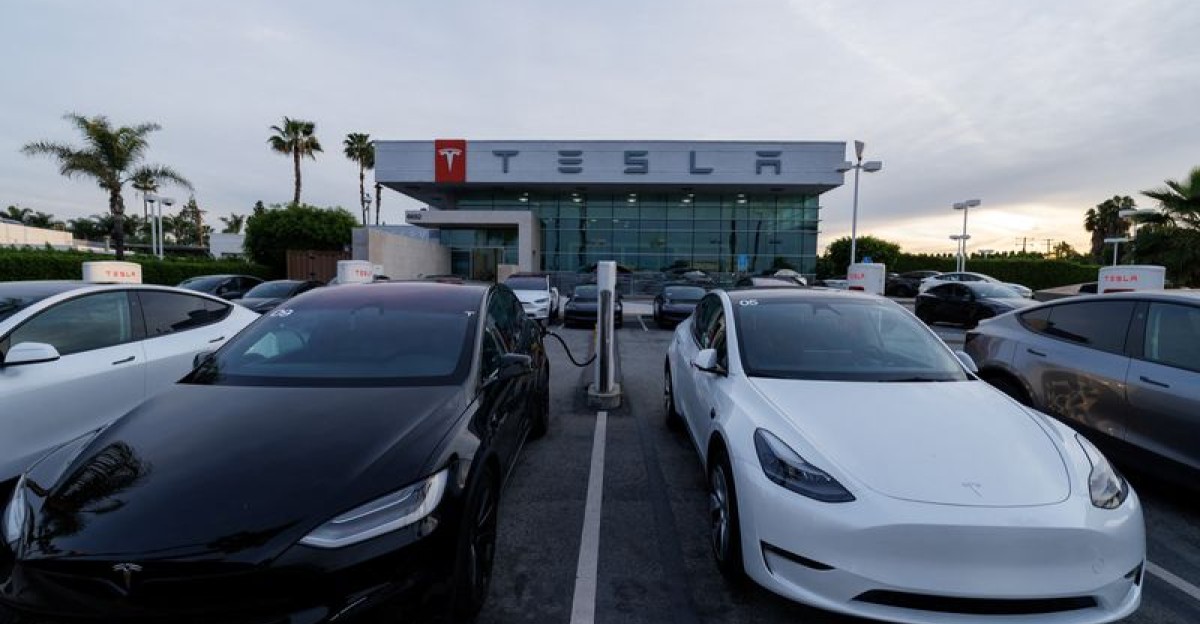
Japan has 12,618 CHAdeMO chargers. Tesla has 695 Supercharger stalls across 138 locations. That’s a 17.6-to-1 infrastructure disadvantage. And it didn’t stop a 90 percent sales surge. The assumption that charging infrastructure must come first, that consumers won’t buy EVs without ubiquitous plugs, collapsed in Japan. What drove adoption was mall visibility, trained staff, and affordable financing. Tesla plans to expand to over 1,000 Supercharger stalls by 2027, but the growth happened before the chargers caught up. Distribution beat infrastructure.
The Audacious Claim
“We want to aim to become the number one imported car brand, possibly as early as next year,” Hashimoto declared in April 2026. Mercedes-Benz sold 50,857 vehicles in 2025. Tesla sold 10,600. That’s a 4.8x gap to close. But Q1 2026 already delivered roughly half of the entire 2025 annual total. Tesla targets 60 stores by year-end 2026, up from 35. If the 366-per-store rate holds at that footprint, the math projects to roughly 22,000 units. This isn’t just ambition. It’s a formula being stress-tested in real time.
40,000 Cars Waiting for a Software Key
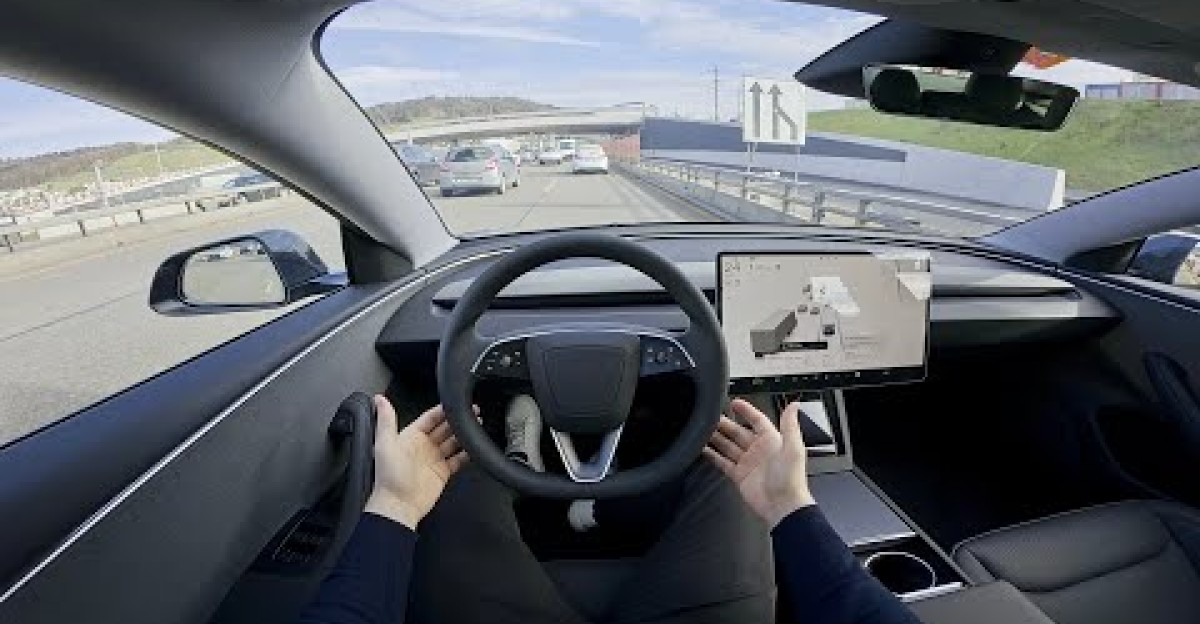
Full Self-Driving testing began with Tesla employees on Model 3 in August 2025, then expanded to Model Y in March 2026. Approximately 40,000 Teslas already on Japanese roads are eligible for over-the-air FSD activation once regulators approve, targeted for 2026. That installed base transforms every sold vehicle into a future software revenue node. Mercedes and BMW sold more cars in Japan. Neither has 40,000 vehicles sitting on roads waiting for a single update to unlock a new revenue stream. The escalation path runs through software, not showrooms.
Same Product, Opposite Outcomes
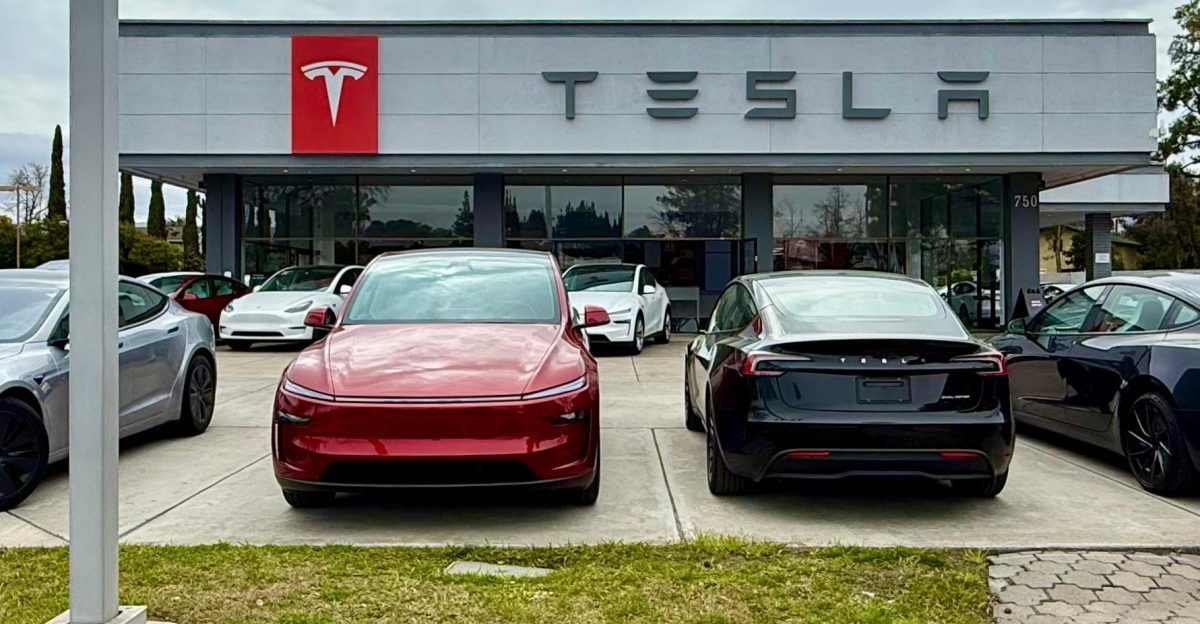
Tesla’s global sales dropped 9 percent in 2025. Japan’s rose 90 percent. Same cars. Same brand. Same CEO generating controversy worldwide. The only variable was execution on the ground: where the stores sat, how the staff performed, what the monthly payment looked like. If legacy competitors assume Tesla’s global decline signals a fading advantage, Japan proves the opposite. Markets don’t fail because products are wrong. They fail because distribution, education, and affordability are misaligned. Whoever figures that out first in the next underpenetrated market wins the next decade of EV adoption.
Sources
“Tesla’s Japan Sales Soar After Going All In on Customer Service.” Nikkei Asia, Jan 2026.
“Tesla Tried Being Normal in Japan and It Actually Worked.” Autoblog, Jan 2026.
“Tesla’s Success in Japan Offers a Clear Lesson for Struggling EV Markets.” Yahoo Finance, Jan 2026.
“Why Tesla Is Thriving in Japan’s EV Market.” CarWikiHub, Jan 2026.
“Tesla’s Retail Reset in Japan Shows How EV Sales Can Take Off Fast.” Evannex, Jan 2026.
“How Tesla Managed to Grow EV Sales in Japan While Other Markets Slowed.” EVdances, Jan 2026.
“BYD Sold 3,870 Vehicles in Japan in 2025.” 36kr English, Jan 2026.