Tesla Loses Europe To Chinese Rival BYD After 13-Month Freefall—Giga Berlin’s 11K Jobs At Risk
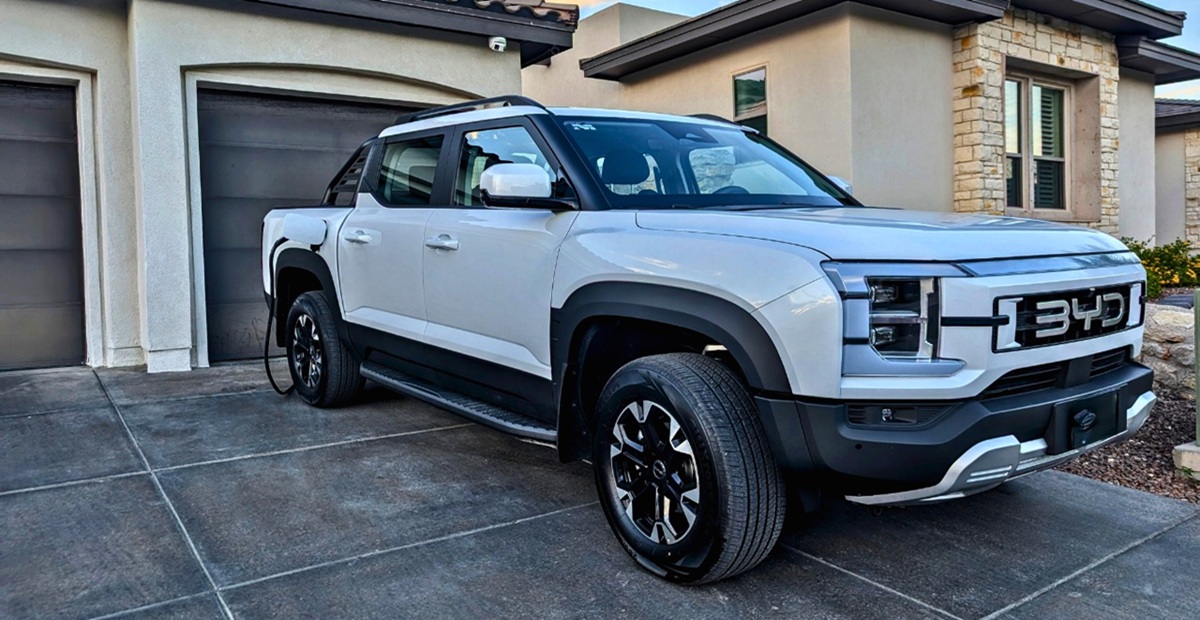
China’s BYD has once again outsold Tesla across Europe, and this time it wasn’t close. BYD registered 18,242 new vehicles across the EU, UK, and EFTA countries (Switzerland, Norway, Iceland, and Liechtenstein) in January 2026, more than double Tesla’s 8,075 units, according to data published by the European Automobile Manufacturers Association (ACEA). The milestone is as symbolic as it is statistical, marking a decisive power shift in the continent’s fast-growing electric vehicle market.
Tesla’s 13th Straight Month of Decline
Tesla’s January performance extended its losing streak on the continent to 13 consecutive months, a run of decline stretching back to the start of 2025. The 17% year-on-year drop in registrations pushed Tesla’s European market share down to just 0.8%, from 1.0% in January 2025. The figure is even more striking set against December 2025, when Tesla held a 3.0% market share, a reminder of how sharply and rapidly the company’s European foothold has eroded.
BYD’s Unstoppable Surge
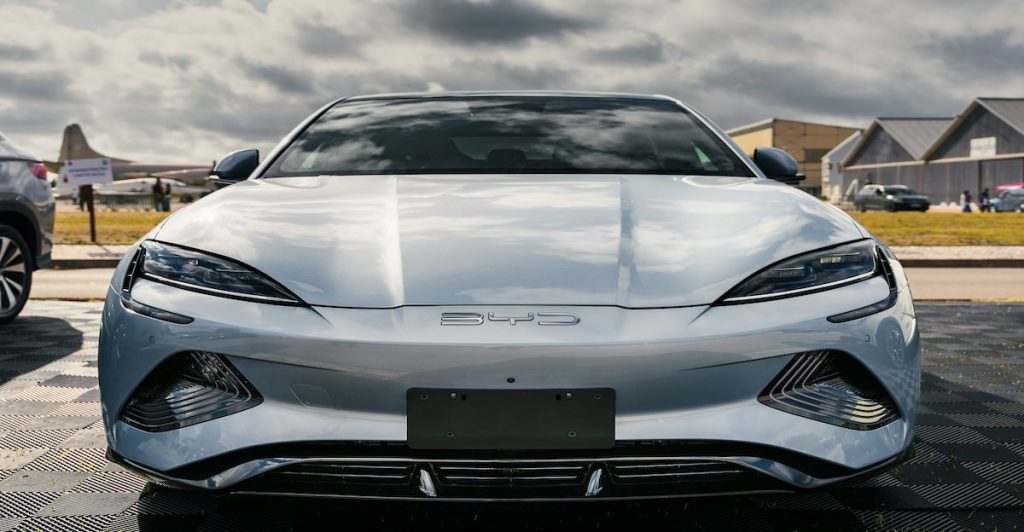
Where Tesla contracted, BYD accelerated. The Chinese automaker’s European registrations surged 165% year-on-year in January, lifting its market share from 0.7% to 1.9% in just 12 months. Since ACEA began tracking BYD’s sales data last summer, the company has posted consistent growth every single month. BYD first surpassed Tesla in European registrations in mid-2025, and January’s figures confirm that lead is only widening.
A “Very Weak” Start, Says Analyst

Industry experts are not pulling punches in their assessments. Rico Luman, senior sector economist for transport and logistics at Dutch bank ING, described January as another “very weak” start to the year for Tesla. “Tesla’s image has deteriorated in Europe last year and people have much more choice now with the range of new affordable EVs, including those of BYD and others like MG and ZEEKR, entering the market, while Tesla lacks new models,” Luman told CNBC.
The Musk Factor
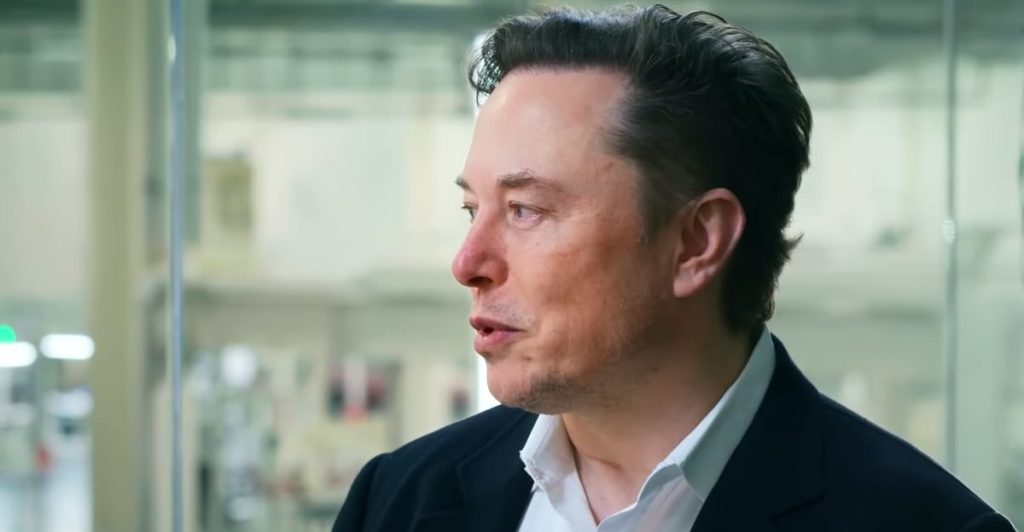
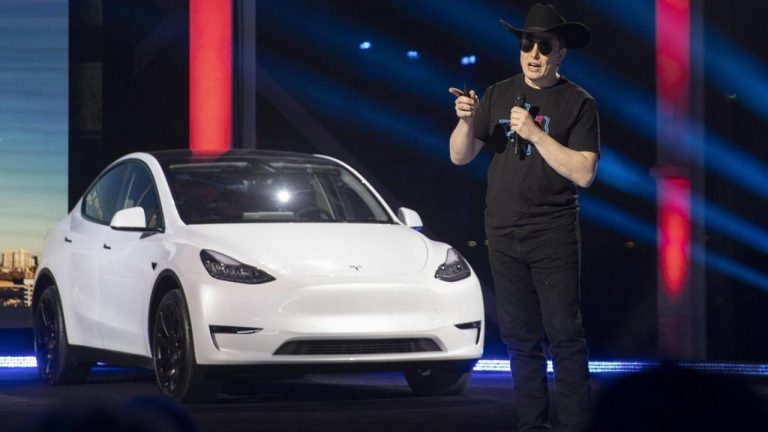
CEO Elon Musk’s political activities have cast a long shadow over Tesla’s European brand. Musk spent nearly $300 million to help elect U.S. President Donald Trump to a second term and subsequently led a controversial initiative to cut federal agencies. Protests erupted at Tesla dealerships across Europe at the height of his White House involvement, and the reputational damage has proven difficult to reverse. Musk’s subsequent public falling-out with Trump did little to restore consumer confidence in Europe.
No New Models, No New Momentum
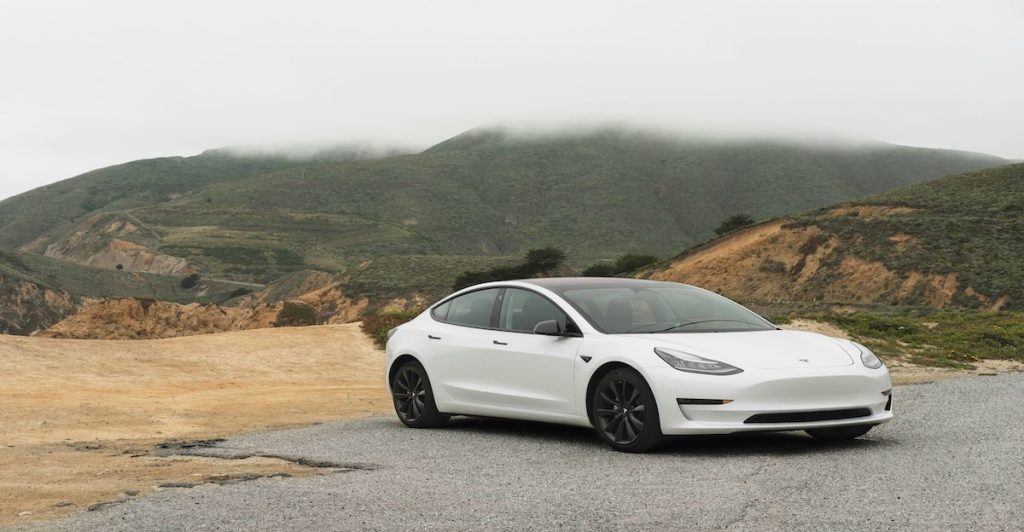
Beyond brand perception, Tesla faces a structural product problem in Europe. The company’s strategic pivot toward autonomous driving, robotics, and robotaxi development has come at the expense of expanding its range of mass-market vehicles. Luman noted that Tesla’s focus on AI and autonomy over affordable new models is likely a contributing factor to its European struggles. Rivals, meanwhile, have flooded the market with competitively priced options at multiple price points.
The Used Tesla Glut
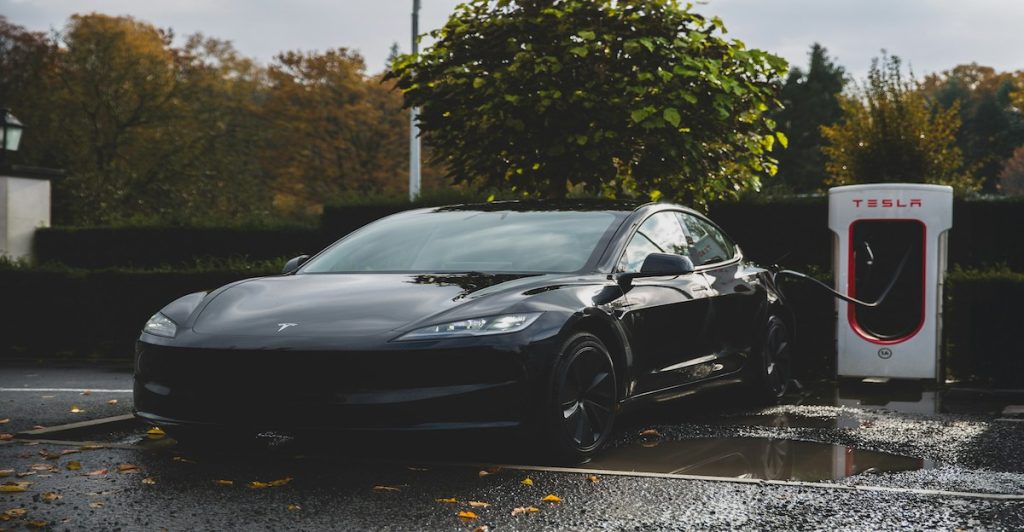
A less-discussed factor compounding Tesla’s new-car sales problem is a surge of used vehicles hitting the secondary market. A wave of first-generation Teslas leased four to six years ago are now being remarketed, driving down second-hand prices and reducing the incentive for European consumers to buy new. Luman flagged this dynamic explicitly, noting there is now “an abundance of competitively priced Teslas available on the used market,” directly cannibalizing new-car demand.
China’s Cost Advantage: Structural, Not Temporary

Morningstar equity strategist Michael Field offered a sobering long-term view. “The big question now is ‘will this trend continue?’. The answer, unfortunately for European automakers and Tesla, is yes,” Field told CNBC. He added that even looking five years out, the cost gap is unlikely to be fully closed due to China’s structurally lower labor costs. However, Field noted that battery and production cost gaps are slowly narrowing, and more affordable models from Western brands are starting to emerge.
EV Market Grows, Just Not for Tesla
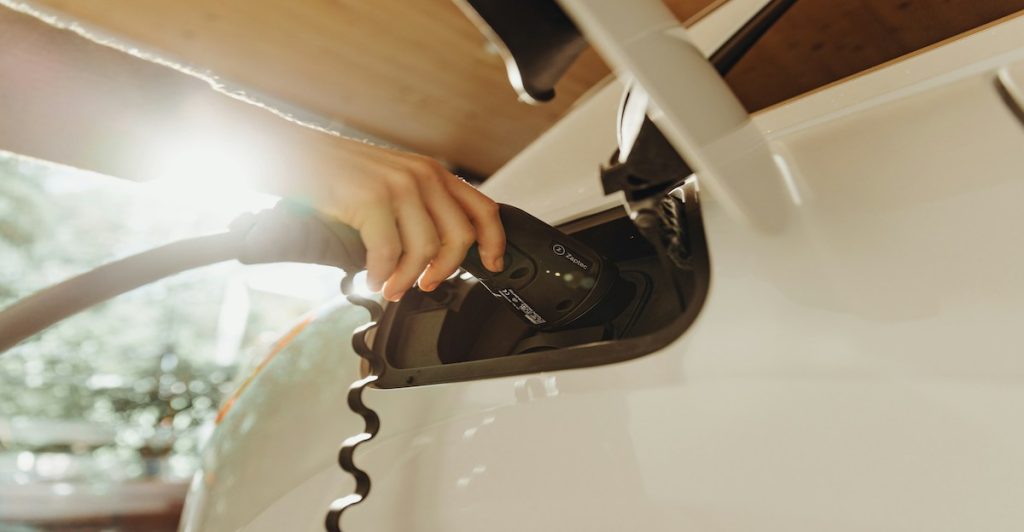
Tesla’s decline is not a symptom of a weakening EV market in Europe. It is happening despite a rising tide. Battery-electric vehicles captured a 19.3% share of the EU new-car market in January 2026, up from 14.9% a year earlier. Plug-in hybrids rose 32% and hybrid-electric vehicles were up 6%. Tesla is uniquely losing ground in a segment that is actively growing, underscoring that its challenges are company-specific rather than market-driven.
The Broader European Market Contracts

The overall European car market also contracted in January, with registrations across the registrations across the EU, UK, and EFTA countries falling 3.5% to 961,382 units (the EU alone saw a steeper 3.9% decline). Petrol car registrations dropped sharply, down approximately 26% year-on-year, as European consumers accelerate their shift away from combustion-engine vehicles. Against that backdrop, affordable Chinese EV brands are proving the primary beneficiaries of shifting consumer preferences, a trend analysts say shows no signs of reversing in the months ahead.
Giga Berlin’s 11,000 Jobs Hang in the Balance
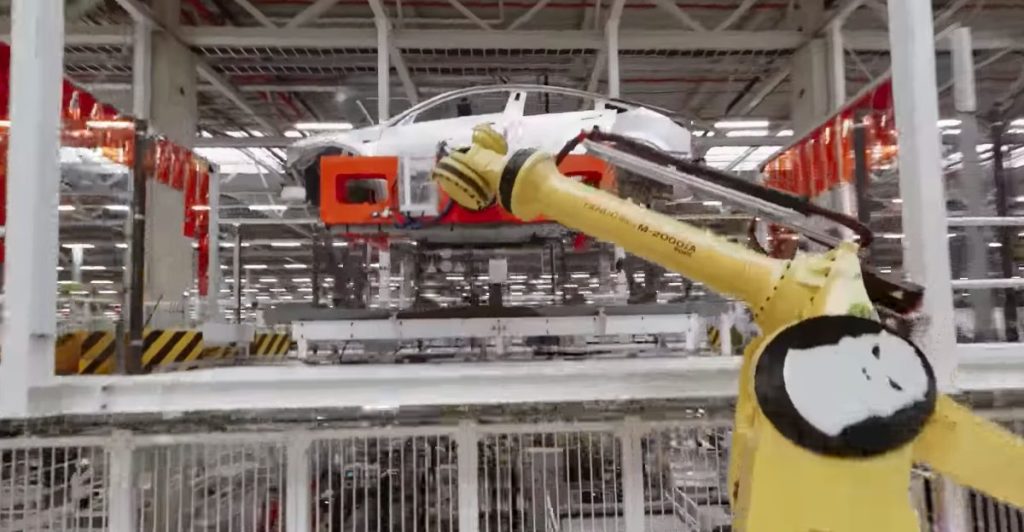
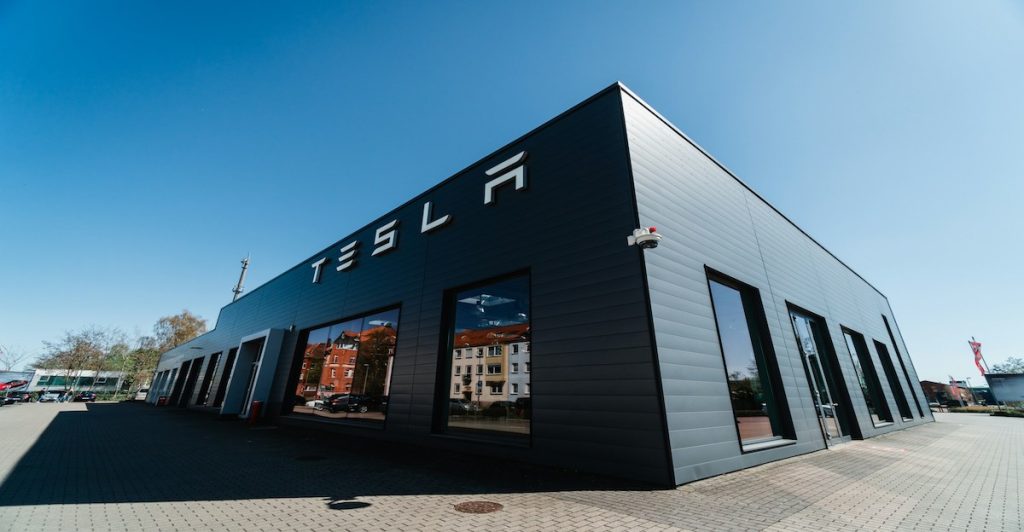
Giga Berlin employs around 10,700 workers and carries an annual production capacity of more than 375,000 vehicles, yet Tesla’s total European sales fell to just 235,322 units in 2025, leaving the factory supplying a market that can no longer absorb its output. The pressure is compounded by an escalating dispute with Germany’s IG Metall union, with plant manager André Thierig warning that a union-backed works council victory could prompt Tesla’s US leadership to halt investment at the facility entirely.
Sources
“New Car Registrations: -3.9% in January 2026; Battery-Electric 19.3% Market Share.” European Automobile Manufacturers Association (ACEA), February 2026.
“European Car Sales Fall in January, Petrol Cars Sharply Decline.” Reuters, February 24, 2026.
“Tesla’s Europe Problem Keeps Getting Worse. Here’s Why.” CNBC, February 24, 2026.
“Tesla Registrations Crash 17% in Europe as BEV Market Surges 14%.” Electrek, February 24, 2026.
“Tesla Calls Police on IG Metall Rep at Giga Berlin Works Council Meeting Before Critical Vote.” Electrek, February 11, 2026.
“Germany: Tesla Charges Trade Union Member in IG Metall Fight.” DW (Deutsche Welle), February 2026.