Tesla Locks In $4.3 Billion Battery Deal And Brings New Factory And New Jobs To Michigan
Four point three billion dollars. This sum goes to batteries, not cars, software, or a new platform. LG Energy Solution and Tesla have set a price for competing in the electric vehicle market.
The deal, reported by Bloomberg, anchors a major battery supply contract to a Michigan plant project. The industry now competes through billion-dollar commitments, not horsepower or dashboard features.
How Policy Sets the Rules
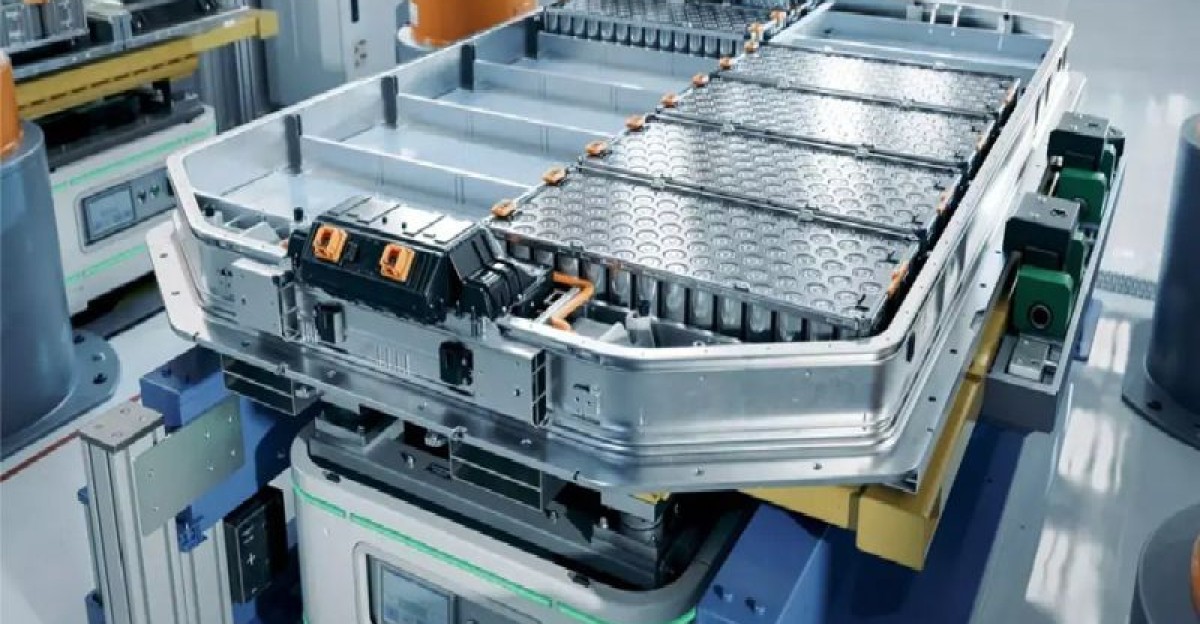
That $4.3 billion is a product of policy. The Inflation Reduction Act changed where EV batteries are produced and who can access federal tax credits. Domestic manufacturing, qualifying supply chains, and compliant sourcing now decide eligibility.
Automakers seeking EV credits need batteries that meet strict requirements. Tesla’s purchase secures eligibility for these incentives. In the current market, tax-credit compliance determines which vehicles qualify for a $7,500 consumer discount. Building the right supply chain can outweigh designing the best car.
Why Michigan Won the Factory
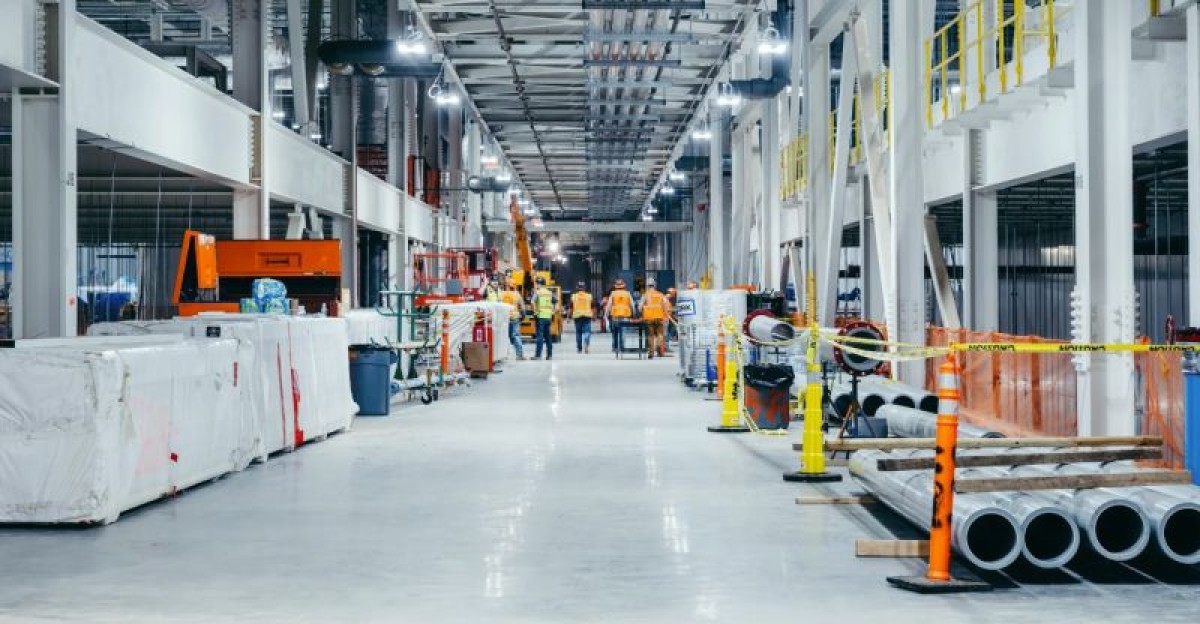
The agreement centers on a Michigan battery plant, bringing a crucial supply chain into a state with a long manufacturing legacy. Factory locations are now heavily influenced by federal incentives, not just geography or labor costs.
Michigan’s economic development efforts are directly involved in these private deals. The Inflation Reduction Act changed the calculation: factories are sited where tax credits can be claimed, and this project arrived in Michigan for that reason.
The Value in Batteries
A $4.3 billion battery deal secures control over compliant production capacity in a market where qualifying supply is scarce.
The U.S. Department of Energy treats batteries as strategic infrastructure. Tesla is securing supply that meets federal standards. One contract. One state. Billions committed. In the electric vehicle race, mastery of the approved supply chain delivers the advantage.
The Supply Chain Engine
Battery supply chains now function as policy-compliance systems. The Inflation Reduction Act created a rulebook that defines which batteries qualify, which factories meet standards, and which automakers can pass savings to buyers. Industrial location decisions now revolve around incentives.
A South Korean battery company building in Michigan reflects these calculations. Federal policy and regulation shape competition in the EV industry.
Tipping the Balance of Power
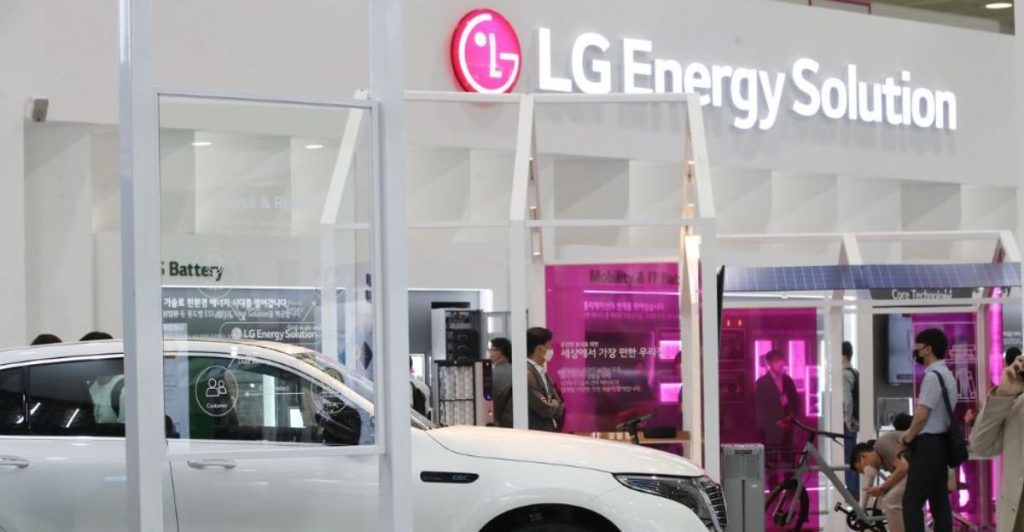
LG Energy Solution’s investor disclosures highlight a risk: customer concentration. When one customer dominates revenue, the supplier’s prospects depend on that relationship. The $4.3 billion agreement gives Tesla leverage over pricing, schedules, and priority.
LG gains a stable revenue stream. Tesla gains priority access. This imbalance will shape negotiations for years.
How One Deal Shifts the Industry
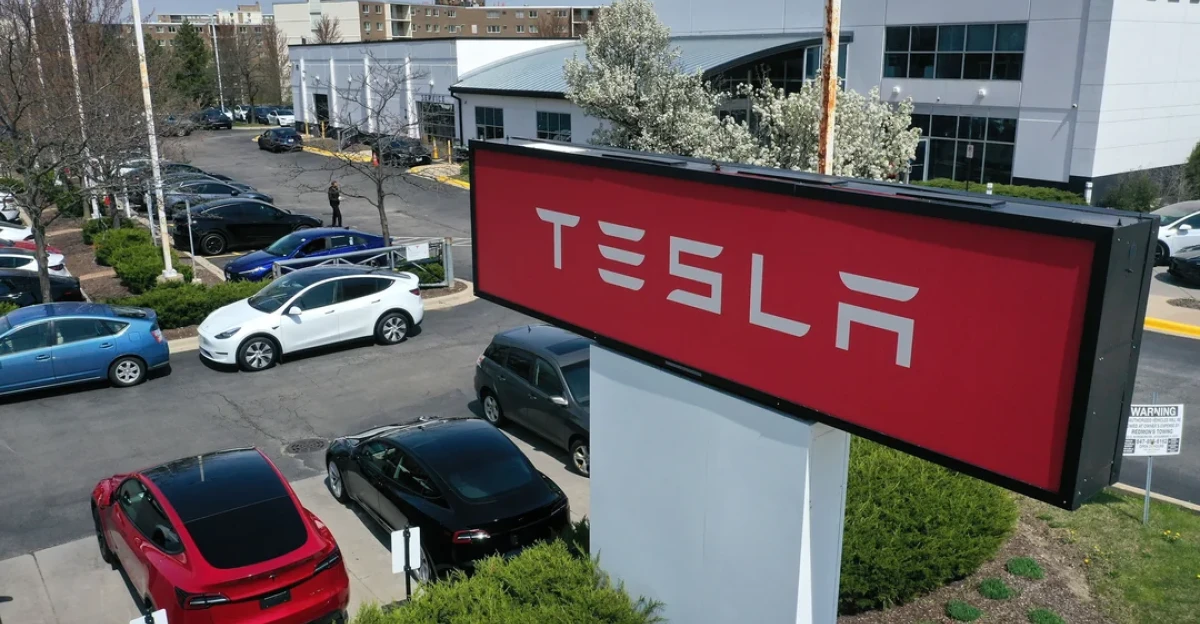
Rival automakers and battery producers now face pressure to secure their own capacity agreements. State and local politics around incentives will intensify as battery plants and job creation become central issues. Suppliers without qualifying capacity or anchor customers risk falling behind.
This contract has shifted competition across the entire sector. The Michigan battery buildout sets a standard every competitor must now consider for compliance.
Compliance Drives Competition
This agreement sets a precedent for the industry. Competition in electric vehicles now centers on upstream contracts and compliance strategies instead of showroom features. The Inflation Reduction Act turned domestic battery sourcing into a core competitive factor.
Vehicles on the road now reflect which suppliers secured the best factories and incentive packages. Seeing EV deals as control over compliant capacity changes how every announcement is read.
The Uncertainty of Policy
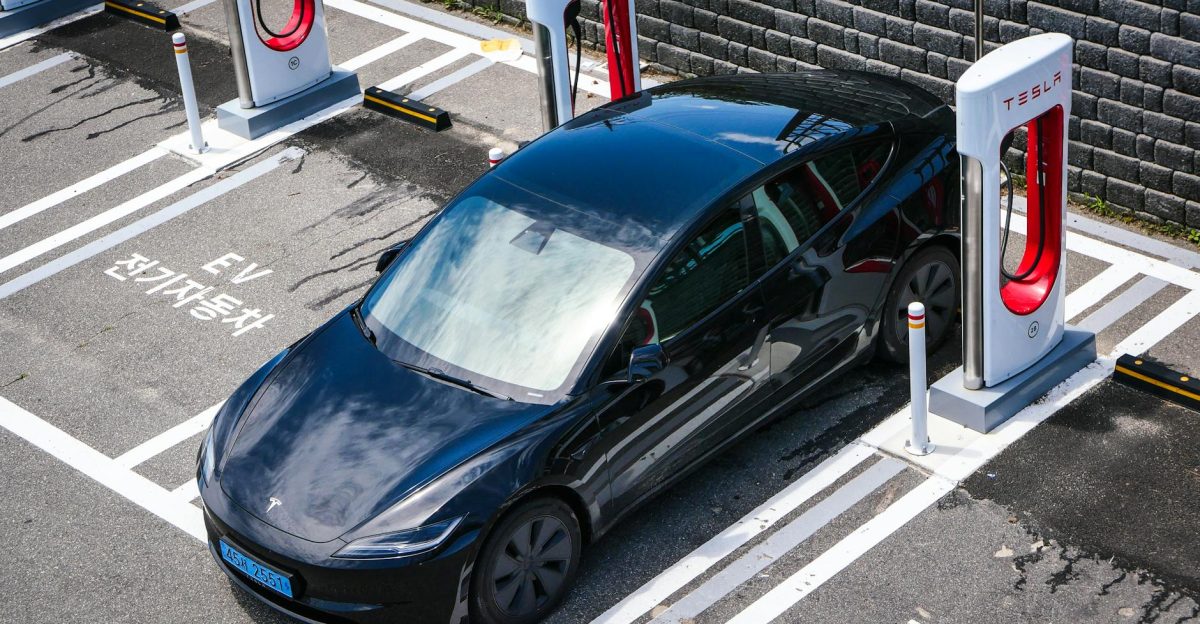
The next phase will bring longer contracts, deeper vertical integration, and more efforts to localize production. One change in Treasury guidance on qualifying supply chains could turn a winning position into a stranded investment. Tesla and LG have both based their strategies on current rules.
Neither company controls future policy changes from Congress, the administration, or trade disputes.
From Batteries to Certainty
Many will see this as a procurement deal or corporate transaction. Tesla has secured certainty in a market where supply chain reliability is rare.
The electric vehicle race now focuses on controlling the supply chain approved by Washington. Recognizing this distinction shows who understands the industry’s direction. The next deal of this scale will likely be even larger.
Sources:
Bloomberg — “Tesla Signs $4.3 Billion Battery Supply Pact With LG Energy” — July 30, 2025
Bloomberg — “LG Says It Will Supply Tesla With $4.3 Billion of Batteries” — March 17, 2026
Reuters — “US Government Confirms Tesla and LG Energy Solution’s $4.3 Billion Battery Deal” — March 17, 2026
The Wall Street Journal — “Tesla, LG Bet on U.S. Batteries With $4.3 Billion Michigan Plant” — March 17, 2026
LG Energy Solution (Press Release) — “LG Energy Solution Releases 2025 Financial Results” — January 27, 2026
U.S. Department of the Treasury (via BDO) — “Treasury Announces Long-Awaited Final Rules on Electric Vehicle Tax Credits” — March 4, 2026