Tesla Laid Off 6,000 Americans While Hiring 1,355 Visa Workers—Judge Allows Class-Action To Proceed
A software engineer with more than twenty years of experience in Lead and Management QA/DevOps roles submitted his application to Tesla on August 29, 2025. He checked the box confirming he required zero visa sponsorship. He was an American citizen, qualified, and available. Tesla’s system rejected him on September 4.
Nearly two years earlier, a recruiter at staffing firm Max Eleven had told him the quiet part out loud: a separate QA Automation Engineer role he had been approached about was marked “H-1B only.”
The Pattern
Scott Taub’s rejection landed during a year-long pattern that dwarfs any single application. In 2024, Tesla laid off more than 6,000 domestic workers, the vast majority of whom were believed to be U.S. citizens. The H-1B is a temporary work visa that allows U.S. employers to hire foreign workers in specialty occupations requiring a bachelor’s degree or higher.
In the same year, Tesla’s H-1B visa approvals rose sharply. According to USCIS data cited in the lawsuit, Tesla received approximately 745 new H-1B visas, along with 548 extensions or amendments, and transferred 610 additional H-1B workers from other employers. The company requested over 2,000 H-1B visas, accounting for roughly 3% of the annual 65,000-visa cap.
Skills Gap
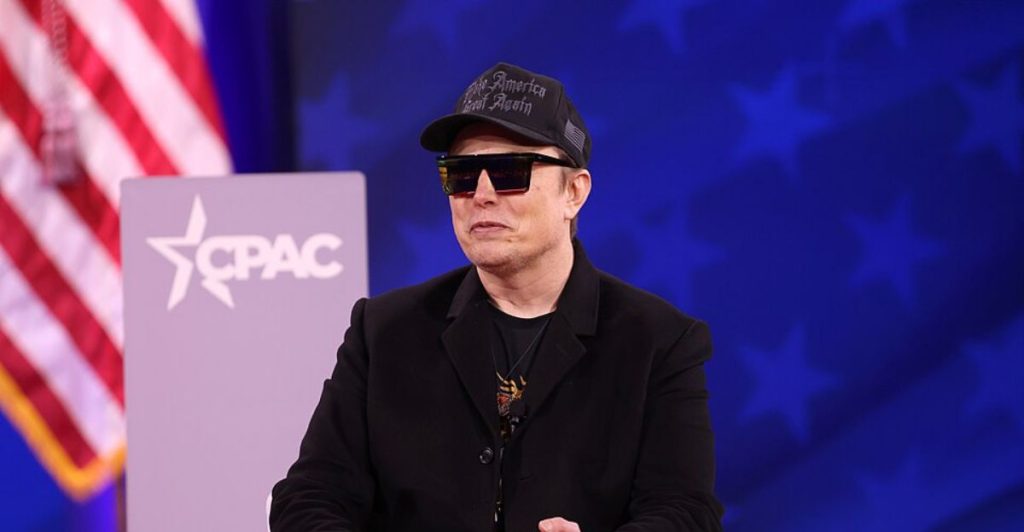
The defense has always been simple: H-1B workers fill skills gaps that American workers cannot. Musk himself championed that line on December 27, 2024, posting that “the reason I’m in America, along with so many critical people who built SpaceX, Tesla, and hundreds of other companies that made America strong, is because of H1B.” Except that Taub had two decades of QA and software engineering experience and did not need sponsorship.
The “skills gap” explanation works until you see a recruiter labeling a position off-limits to citizens entirely.
The Ruling
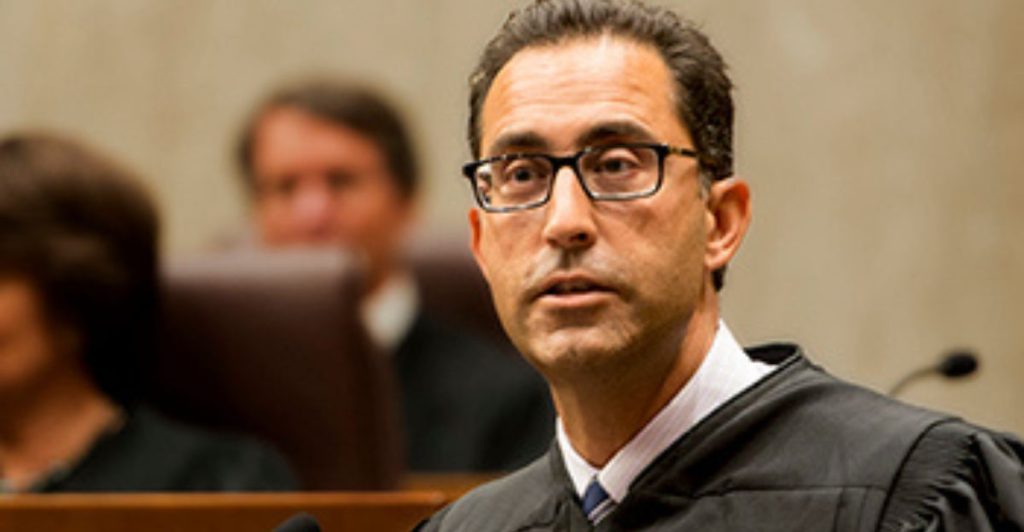
On February 24, 2026, U.S. District Judge Vince Chhabria declined to dismiss the class-action lawsuit. He called the recruiter’s “H-1B only” comment sufficient to support the discrimination claim.
Taub had presented “just enough facts” to proceed to discovery. That means Tesla’s internal hiring records, recruiter communications, and job posting guidelines are subject to a subpoena. The judge dismissed claims from a second plaintiff, HR specialist Sofia Brander, calling it “implausible” that Tesla would prefer visa workers for HR roles. Tesla called the allegations “preposterous.” A federal judge disagreed enough to open the vault.
The System
The hidden incentive structure explains everything the “skills gap” argument cannot. Federal prevailing wage rules allow employers to classify H-1B positions at Level 1, thereby paying below the median wage for that role. For software developer positions in major metro areas, an NFAP analysis found that Level 1 wages sit well below the median American salary for equivalent work.
Visa-dependent workers often find it difficult to switch employers, negotiate raises, or file labor complaints without risking deportation. The program, designed to supplement the American workforce, created a cheaper, captive alternative.
The Numbers
According to court filings and federal records, Tesla hired an estimated 1,355 H-1B visa workers in 2024, combining approximately 745 new visas and 610 transferred from other employers, all during its largest mass layoff. That ratio lands at roughly 4.4 Americans laid off for every visa worker brought in.
Tesla’s H-1B approvals increased sharply year over year, while an experienced American engineer received a rejection email in under a week. The EEOC’s updated guidance, issued in late 2025, explicitly warns that “H-1B only” job postings can constitute national origin discrimination.
Ripple Effect
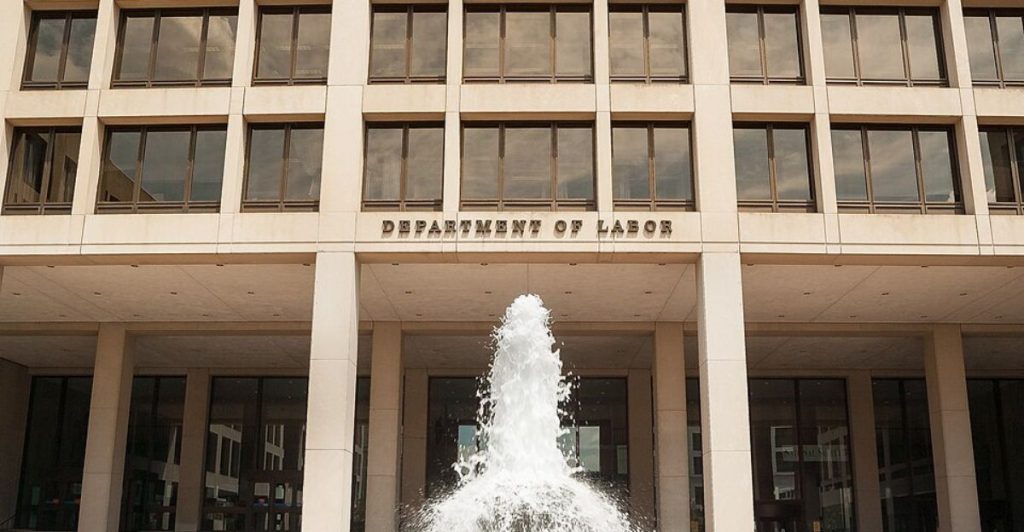
Tesla is not alone. The Department of Labor launched Project Firewall on September 19, 2025, specifically targeting violations of the H-1B program. By November 2025, investigators had opened 175 cases and assessed $15 million in back wages owed to workers nationwide.
Tesla simultaneously faces a separate EEOC lawsuit alleging racial harassment at its Fremont facility, with mediation reported in early 2026. Two federal discrimination cases are now running in parallel. Discovery in both threatens to expose internal communications that no corporate legal team wants the public to see.
New Rule
If the class-action succeeds, it could establish a precedent that simultaneous mass layoffs and large-scale visa hiring constitute citizenship discrimination under 42 U.S.C. § 1981. That could shift the burden onto every major tech employer in America. Amazon, Meta, Microsoft, and Google all rank among the top H-1B sponsors. The pattern Tesla allegedly followed is not an anomaly.
It is an industry practice that, until this ruling, faced almost no legal consequence. One lawsuit surviving dismissal does not change the law. It changes the math for every company doing the same thing.
Musk’s Silence
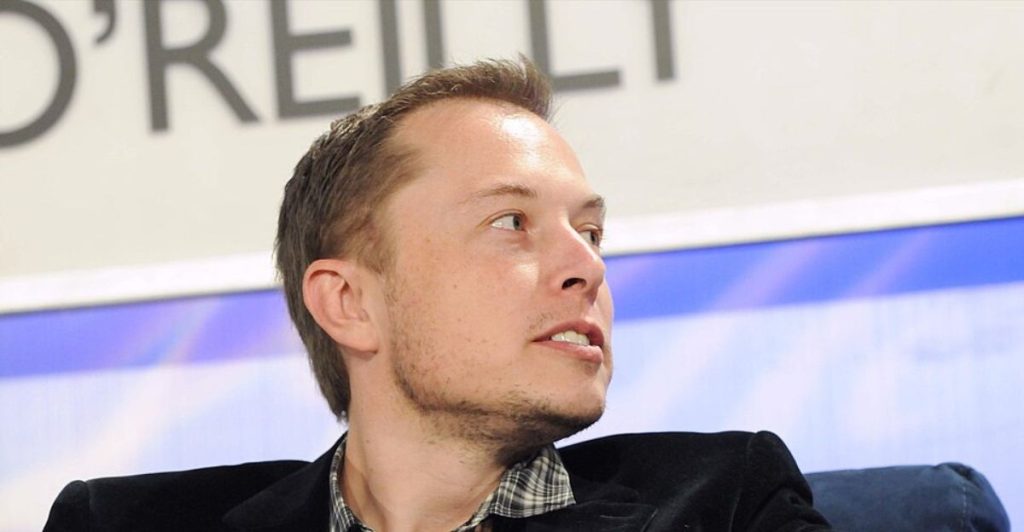
On December 28, 2024, Musk posted: “Take a big step back and [EXPLETIVE] YOURSELF in the face. I will go to war on this issue, the likes of which you cannot possibly comprehend.” That was his defense of H-1B visas. Within days, Musk softened, acknowledging the system needed “major reform.”
Then, in September 2025, Trump imposed a $100,000 supplemental fee per application. Musk had already conceded the system was “broken” and needed “major reform” back in December 2024. His brother Kimbal has said the Musk brothers were “illegal immigrants” in the 1990s, though Elon has disputed that characterization.
What Comes Next
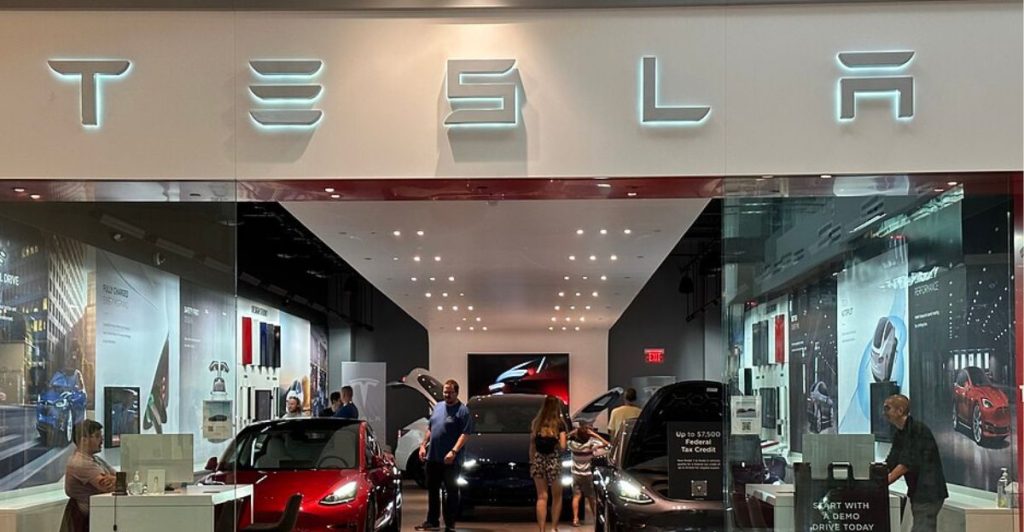
Discovery will now force Tesla to produce the documents it fought to keep sealed: recruiter scripts, hiring guidelines, and internal communications about workforce strategy. Depositions may follow. Every HR department at every major tech company is watching this case to learn one thing: whether replacing American workers with visa-dependent labor carries legal risk or just reputational noise.
The reader who understands the prevailing wage structure now sees what most people miss. The program was built to find talent America lacked. Companies used it to find talent America had, for less.
Sources:
Court Filing — Taub v. Tesla, Inc., Case No. 3:25-cv-07785-VC, U.S. District Court, Northern District of California — Filed September 12, 2025
EEOC Technical Assistance Document — “Discrimination Against American Workers Is Against The Law” — November 19, 2025
U.S. Department of Labor — “US Department of Labor launches Project Firewall to protect America’s highly skilled workforce” — September 19, 2025
NFAP Policy Brief — “Employers and Wage Requirements for H-1B Visa Holders” — March 2025
EEOC / HR Dive — “EEOC, Tesla head to private mediation in race-based harassment lawsuit” — January 13, 2026