Tesla Kills Models After 49% Sales Collapse—BYD Takes Global EV Crown For First Time
For 13 years, the Tesla Model S set the standard for electric vehicles. On a January 2026 earnings call, Elon Musk announced permanent discontinuation of the Model S and Model X, effective Q2 2026. These two vehicles had built Tesla’s reputation and global dominance. The announcement coincided with the company’s first annual revenue decline. Chinese automaker BYD claimed the global EV crown for the first time. Tesla’s premium models are vanishing as global competition rises. Early numbers reveal the scale of the shift and hint at further industry upheaval.
Musk Signals an End for Flagship Models
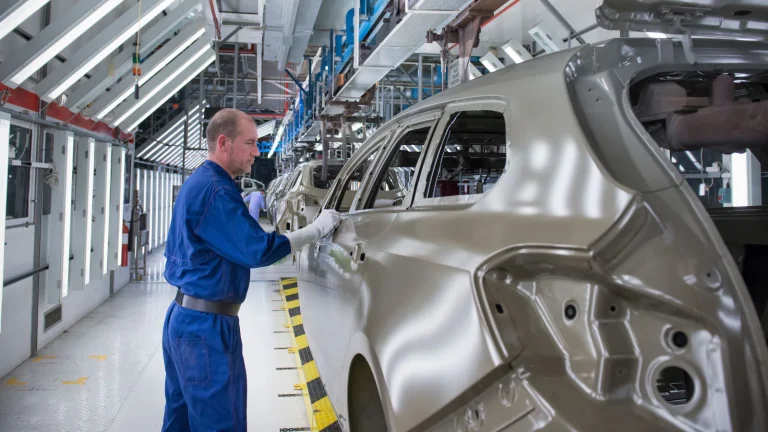
On January 28, Elon Musk told investors: “It’s time to basically bring the Model S and X programs to an end with an honorable discharge. We expect to wind down S and X production next quarter. Basically, stop production next quarter.” That same call revealed Tesla’s first annual revenue decline, a 46% drop in net profit, and global deliveries down for a second year. Fremont will shift from building luxury vehicles to producing Optimus humanoid robots. Factory operations now tell the story of Tesla’s changing focus.
Europe’s Sales Collapse Warned of Trouble
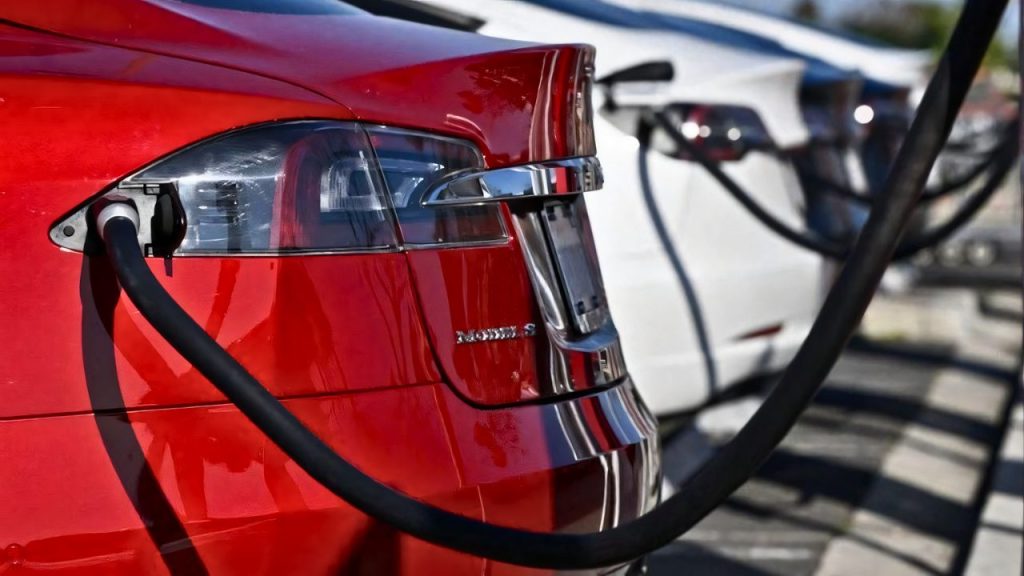
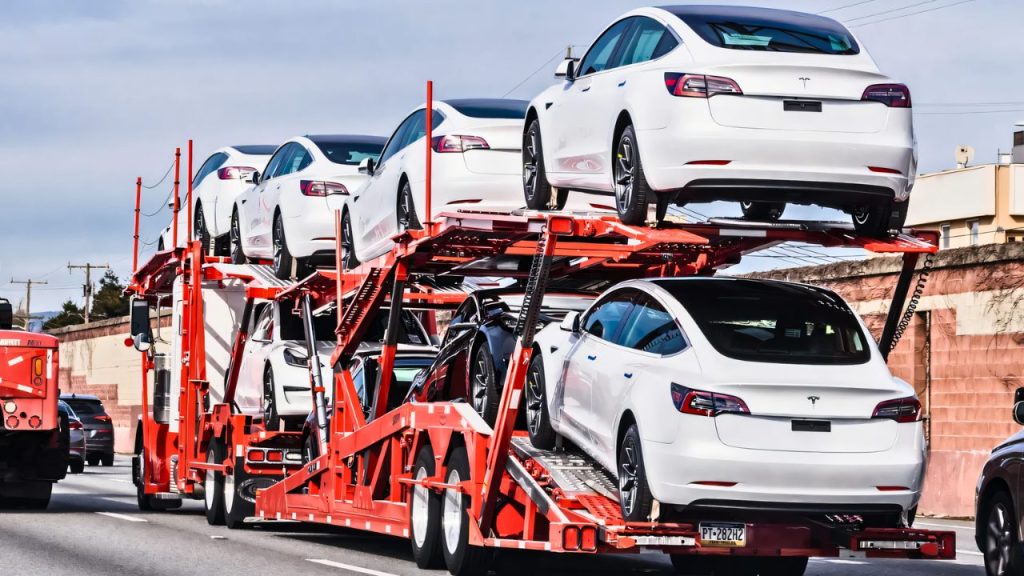
Tesla’s European sales fell 49.5% across 13 markets between January 2024 and January 2026, the steepest regional decline in company history. Norway dropped 93%, the Netherlands 81%, and the UK 55%. Monthly sales of Model S and X in Norway fell from 1,108 units to 83 in two years. European rivals gained ground on Tesla across the continent last year. Early declines in Europe foreshadowed global struggles. Tesla’s flagship models were losing relevance in key markets, signaling a broader contraction in demand for the vehicles that defined the company’s image.
Production Numbers Confirm Decline
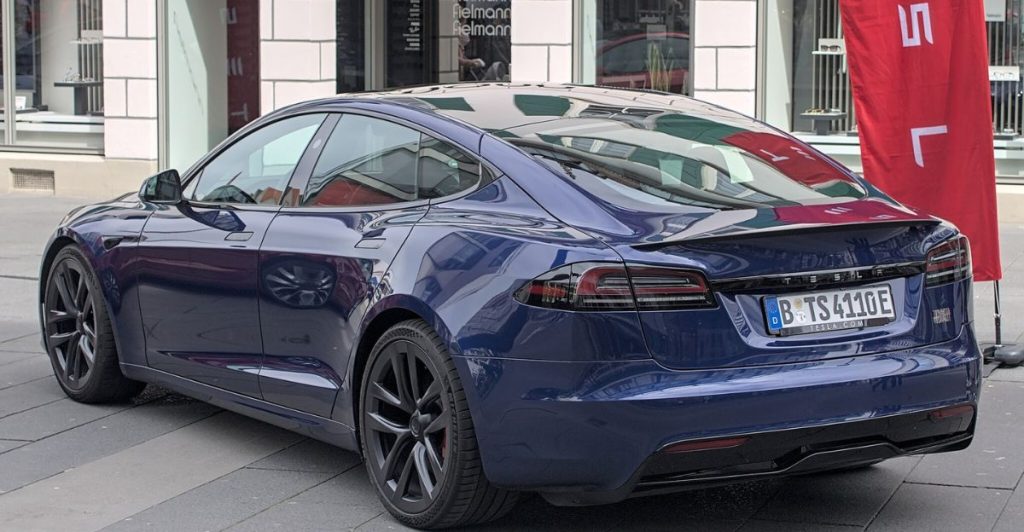
Despite repeated price cuts in 2023 and 2024, Model S and X production fell sharply in 2025, with the two models accounting for a small single-digit percentage of Tesla’s total output. Fremont factory capacity could no longer be justified. Total revenue for 2025 fell 3% to $94.8 billion. Premium EV demand contracted sharply. These numbers made continuation of the Model S and X unsustainable. Tesla’s strategic focus shifted toward lower-volume vehicles and emerging technologies, leaving high-end models behind.
BYD Becomes the Global EV Leader
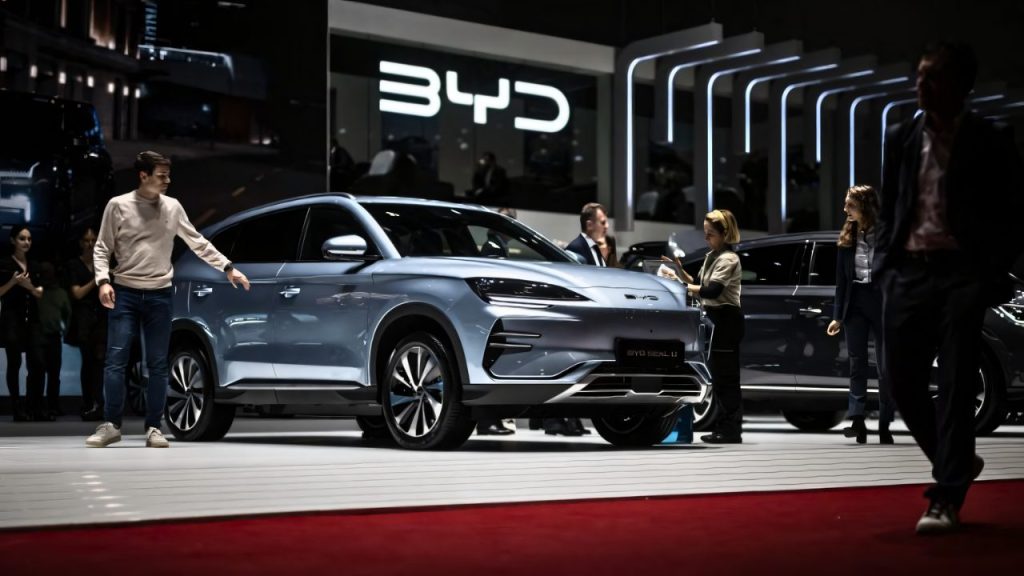
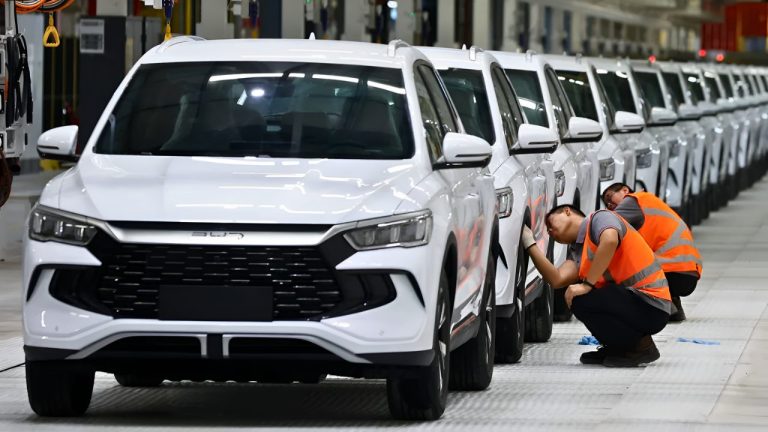
In 2025, BYD delivered more than 2.22 million battery-electric vehicles worldwide. Tesla delivered 1.636 million units, trailing by over 580,000 vehicles. Tesla’s global deliveries fell 8.6%, marking a second consecutive annual decline, and its market share dropped below 20% from historical dominance above 60%. BYD surpassed Tesla decisively. Musk once dismissed BYD as a niche Chinese competitor, yet it now leads global EV sales. Tesla’s decline in global influence coincided with BYD’s rise. The shift signals a major realignment in the electric vehicle market, reshaping who dominates premium and mass-market EV segments.
Legal Challenges Threaten Tesla’s Autonomy
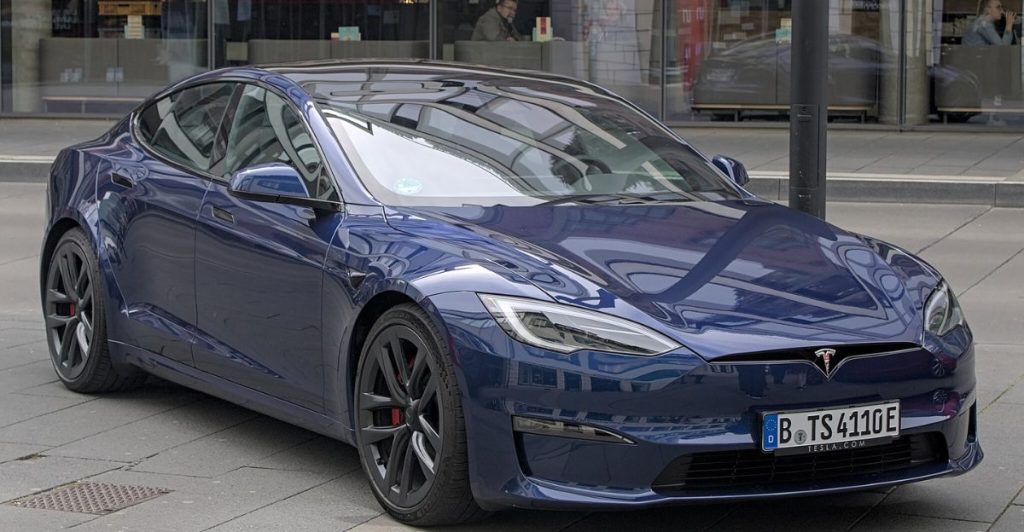
Tesla faced legal and regulatory setbacks in addition to declining sales. A California DMV judge ruled that “Autopilot” and “Full Self-Driving” marketing “is misleading and violates state law,” calling FSD “actually, unambiguously false.” Tesla is appealing. Federal courts upheld a $243 million jury award for a fatal 2019 Autopilot crash, rejecting Tesla’s attempt to reduce the verdict before trial. At least four additional Autopilot lawsuits were settled. These cases show a recurring threat to Tesla’s autonomous driving identity. Legal and regulatory scrutiny now shapes the company’s public image as much as production numbers.
Political Fallout Reduces Consumer Support
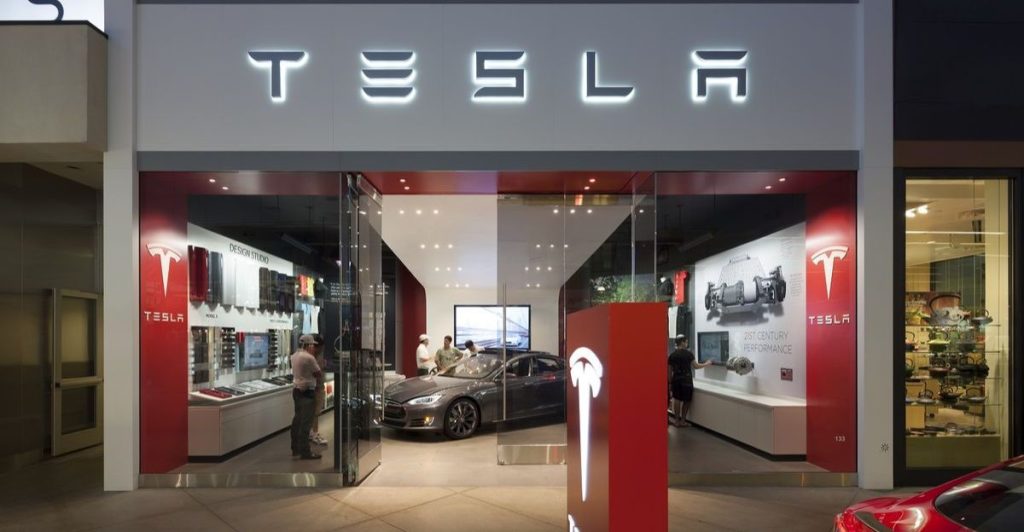
Musk’s political activity impacted Tesla’s sales. Analysis suggests political fallout contributed to Tesla’s Q1 2025 sales decline, with the company’s core environmentally conscious demographic weakening. Carbon credit revenue fell 28% year-over-year to $1.98 billion, down from $2.76 billion. Consumer behavior shifted due to brand perception, not just pricing. The combination of political fallout and declining incentives contributed to Tesla’s narrowing market position, intensifying pressure on premium vehicle lines.
Berlin Reduces Workforce, Fremont Shifts Focus
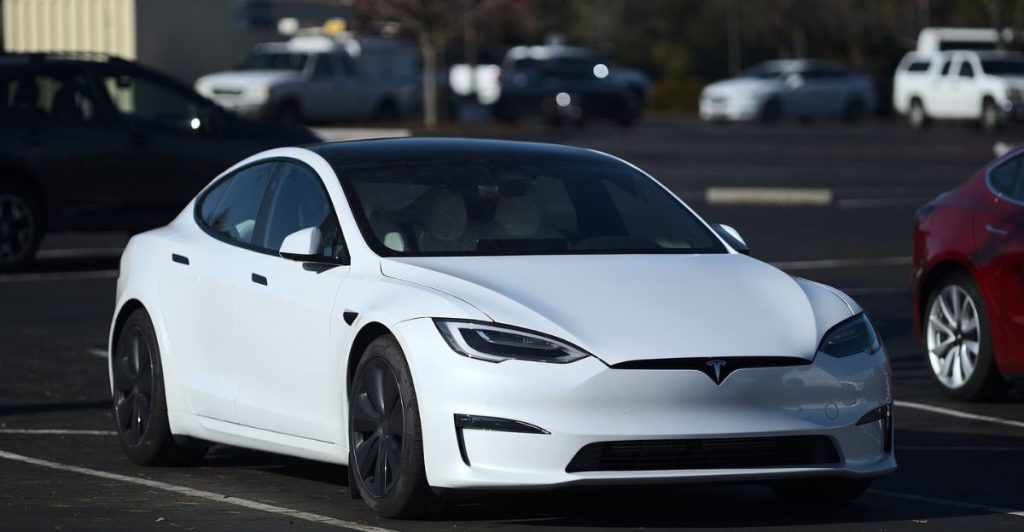
Tesla cut 1,700 jobs at Gigafactory Berlin, 14% of the workforce, after the plant was running well below its designed capacity of 375,000 vehicles. Fremont, home to the Model S and X, will convert to Optimus humanoid robot production, a technology generating minimal revenue at scale. Elon Musk said, “the vast majority of miles traveled will be autonomous in the future… probably less than 5% of miles driven will be where somebody’s actually driving the car themselves.” Factories are pivoting from high-volume automotive production to robotics. This transformation signals a high-stakes strategic gamble.
Tesla Bets Billions on Robotics
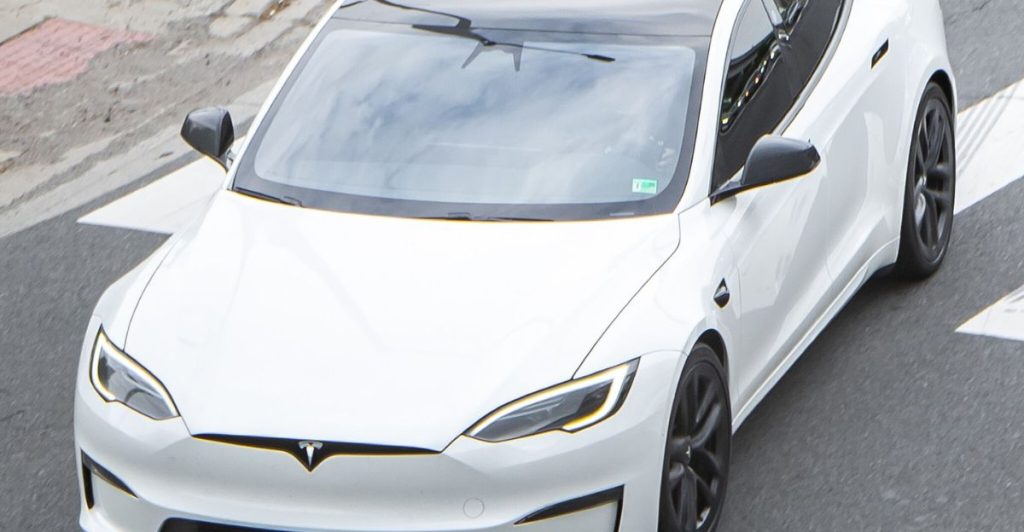
Tesla plans a major increase in 2026 capital expenditure, more than double 2025, for AI, Optimus production, and robotaxi expansion. Analysts forecast significant negative free cash flow as spending accelerates. The stock trades at elevated forward P/E multiples, reflecting expectations that Optimus and robotaxi must scale successfully. Musk has made bullish claims about Optimus becoming the dominant driver of Tesla’s long-term value. Tesla’s energy storage business grew significantly last year with strong margins but receives limited focus. The company’s financial structure now relies on unprecedented robotics outcomes.
The End of Tesla’s Flagship Era
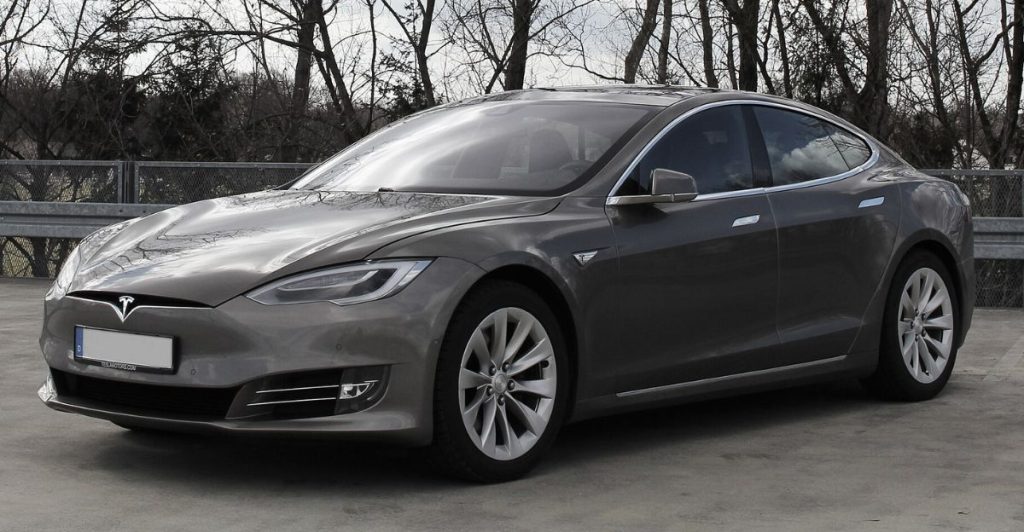
The Model S, launched in 2012, and Model X in 2015 established Tesla as a trillion-dollar company and forced global electrification. Both vehicles are now discontinued. Model 3 and Model Y account for 97% of deliveries. Fremont will assemble humanoid robots rather than luxury vehicles. Tesla’s 13-year crown in global EV sales now belongs to BYD. The company faces a decisive moment as robotics and AI investments replace the models that defined its success. The world’s most influential EVs are gone, leaving Tesla’s legacy and future tied to a bold new bet.
Sources:
Tesla Pulls Plug on Model S, Model X EVs. Cars.com, January 28, 2026
Tesla’s New Sales Data Is Absolutely Brutal. Futurism, January 2026
Tesla Reports First Annual Revenue Drop; BYD Surpasses Tesla Globally. Simply Wall Street, January 28, 2026
Federal Judge Upholds $243M Verdict in Fatal Autopilot Crash. Electrek, January 2026
Tesla Could Slide Into Cash-Burn Mode; Expects $6B Negative Free Cash Flow in 2026. MarketWatch / Morningstar, January 2026
Tesla Fremont Factory Ending Model S and X Manufacturing for Optimus Robot Production. CBS News Bay Area, January 28, 2026