Tesla Hits 51% Battery Score—First Automaker to Break 50% Threshold in 4-Year Ranking History
Eighteen automakers. Eighty-eight sustainability indicators are tracked across supply chains. Four years of independent grading by a coalition that includes the Sierra Club, Transport & Environment, Public Citizen, and other groups built on calling out corporate greenwashing. When the 2026 Lead the Charge Auto Supply Chain Leaderboard dropped on March 4, one company sat alone at the top for the second consecutive year. No automaker had yet reached 50% overall. The leader posted 49% and shattered a critical barrier in battery sourcing that no one else had even come close to.
The Gap
Tesla’s 49% overall score opened a 4- to 5-percentage-point lead over second-place Ford at 45%. That margin represents the widest gap in the ranking’s history. Even more revealing: Tesla improved six percentage points year-over-year while Ford managed just two. That’s a 3-to-1 improvement velocity gap that doesn’t come from better PR or slicker sustainability reports—it comes from owning the actual supply chain machinery that produces verifiable data. Volvo (44%), Mercedes (39%), and Volkswagen (34%) rounded out a top five advancing at roughly twice the pace of the remaining thirteen automakers, but even that pack couldn’t match Tesla’s acceleration.
The Myth
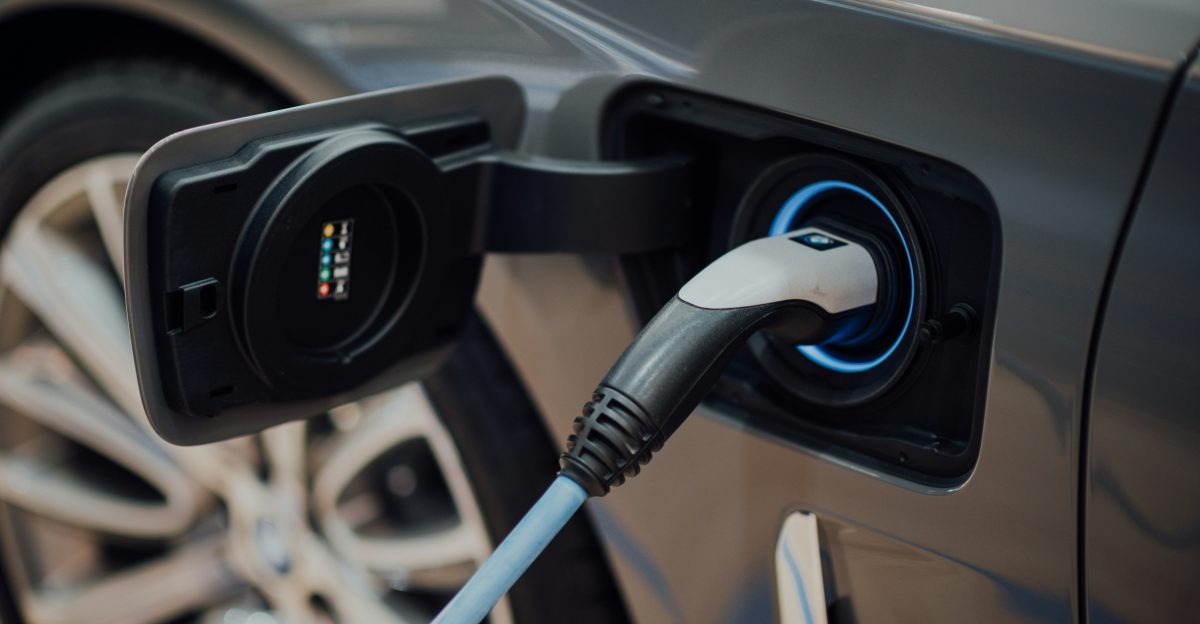
For years, the loudest criticism of electric vehicles followed a predictable script: the supply chains are dirty, the mining practices offset the climate benefits, and companies like Tesla cut corners where regulators and consumers can’t see. It sounded reasonable—even compelling. Except the organizations most hostile to corporate greenwashing just completed the most granular independent audit available and crowned Tesla the industry standard-setter. The coalition scored Scope 3 emissions transparency, material-by-material sourcing practices, and human rights due diligence across dozens of indicators. Tesla disclosed comprehensively. Most competitors disclosed selectively or not at all. That disclosure gap explains these rankings better than any corporate virtue campaign ever could.
The Barrier
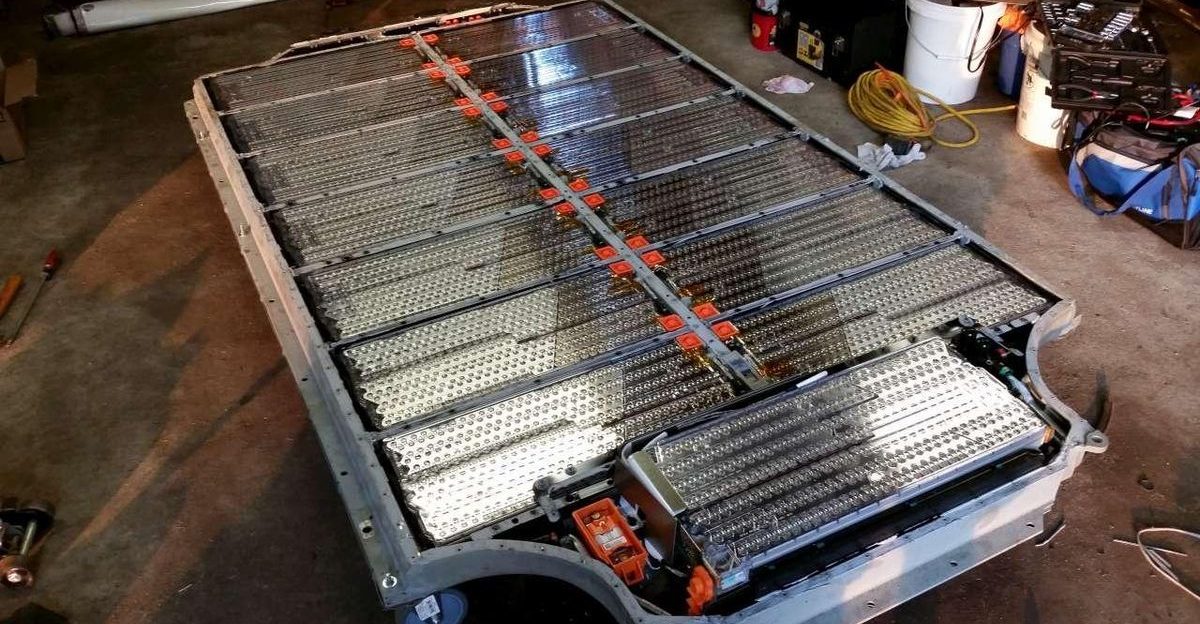
Tesla’s battery subsection score jumped 20 percentage points in a single year to reach 51%—a historic first. No automaker had ever crossed the 50% threshold in that notoriously difficult category before. Twenty points year-over-year across the ranking’s toughest subsection represents the largest single-category improvement in four editions. First company to pass a benchmark that the industry considered theoretically unreachable. The factors? One lithium refinery in Corpus Christi, Texas, went operational in January 2026. One low-carbon aluminum agreement producing under 2kg CO₂e per kilogram. Full emissions breakdowns disclosed for lithium, nickel, cobalt, and graphite supply chains. Vertical ownership made the transparency and the number possible.
The Machine
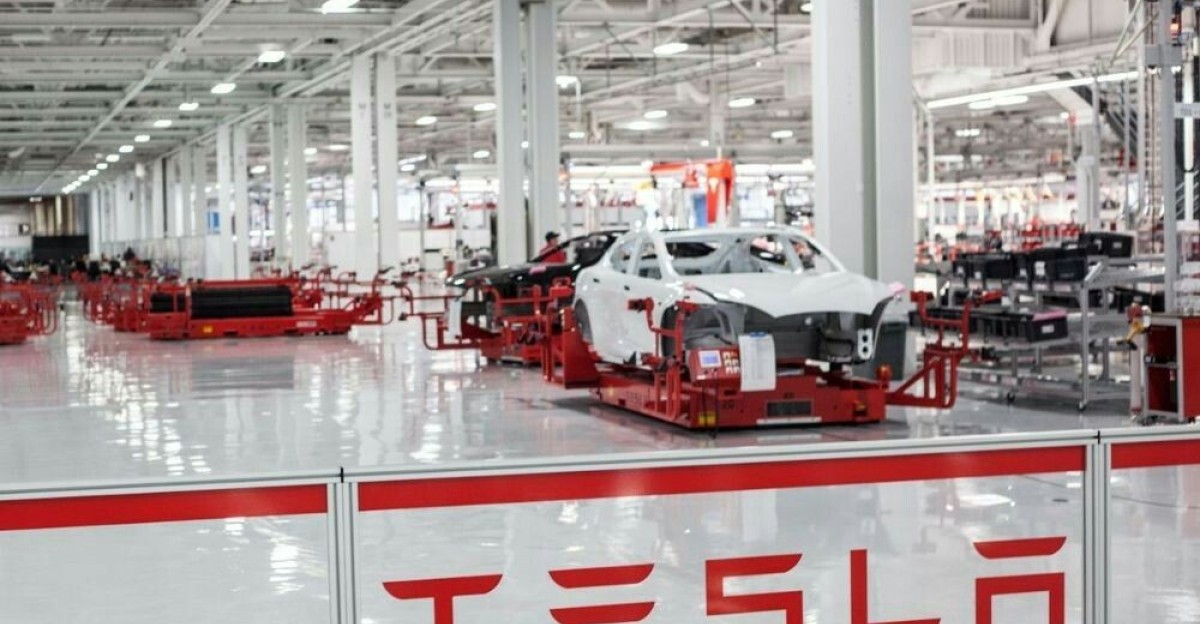
Vertical integration is the hidden engine powering these results. Tesla controls its own lithium refinery, negotiates aluminum supply contracts directly, and manufactures battery cells in-house at multiple facilities. At every supply chain node, the company can enforce sustainability standards internally and measure emissions in real-time without third-party delays. Ford, Volvo, and Mercedes rely on external suppliers—they audit compliance retrospectively through third parties on someone else’s reporting timeline. “A focus on vertical integration is a massive competitive advantage in the modern era.” That quote didn’t come from Tesla PR. It came from independent analysts reading the data.
The Laggards
Toyota, the world’s largest automaker by production volume, ranked third-to-last overall—ahead of only Chinese state-owned manufacturers SAIC and GAC. The coalition noted “little to no progress” across multiple reporting cycles in critical areas such as steel/aluminum decarbonization and responsible mineral sourcing. Meanwhile, vertically integrated Chinese upstarts BYD and Geely ranked above established Japanese giants Honda and Nissan. That competitive inversion should terrify boardrooms in Tokyo and Detroit alike. The coalition also noted some automakers failed to publish comprehensive sustainability reports, resulting in automatic scoring penalties. Absence of disclosure now carries measurable consequences, and markets are beginning to notice.
The Ripple
Tesla scored well in human rights and responsible sourcing, but still has acknowledged room for improvement on Indigenous Peoples’ rights protections—nobody’s perfect across every supply chain node. However, across the industry as a whole, twice as many automakers now have explicit Indigenous Peoples’ rights commitments compared to the first 2023 edition. The coalition’s sustained pressure is producing measurable behavioral change across the industry. The real strategic cost falls on legacy automakers, facing a stark choice: invest billions in supply chain restructuring over five to ten years, or accept a permanent competitive disadvantage on ESG metrics that increasingly drive investor sentiment, regulatory compliance, and consumer preferences.
The New Rule
The best-in-class theoretical score sits at 86%. Tesla’s 49% overall means a 37-percentage-point gap still exists between the current leader and theoretical perfection. Since the ranking’s inception in 2023, the automotive industry has nearly doubled its collective supply chain scores. But the acceleration remains dramatically uneven: five leaders (Tesla, Ford, Volvo, Mercedes, Volkswagen) pulling away fast, while thirteen companies stagnate or advance slowly. This ranking no longer measures who cares about environmental impact—it measures who owns enough of their supply chain infrastructure to prove it with verifiable data. That distinction transforms sustainability reporting from a PR exercise into a structural competitive moat.
The Clock
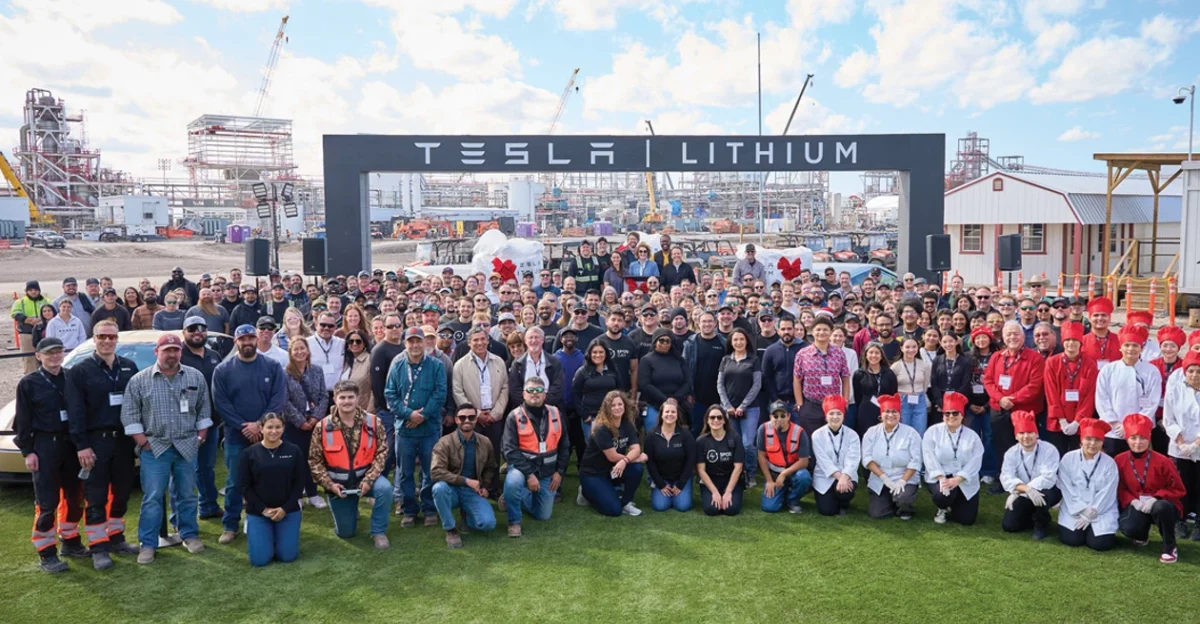
Tesla’s Texas lithium refinery began full-scale operations on January 14, 2026—just weeks before the March ranking was published. Its complete supply chain impact likely hasn’t fully registered in this year’s scoring yet. If the battery subsection score jumps again significantly in 2027, Tesla’s lead transforms from commanding to potentially insurmountable. Meanwhile, EU regulations now penalize fragmented supply chains through mandatory comprehensive disclosure requirements. European automakers operating under those stricter rules already score higher on average. Companies that avoid disclosure face compounding penalties each year. The restructuring window for legacy automakers is measured in years, and every annual edition narrows it further.
The Playbook
Legacy automakers have three realistic counter-moves available: lobby aggressively for relaxed ESG disclosure standards, announce supplier partnership agreements dressed up as vertical integration without actual ownership, or shift production operations to lower-regulation jurisdictions with weaker reporting requirements. One replicates what Tesla built over the past decade. “For Tesla detractors who claim EVs aren’t truly green or that the company cuts corners on sustainability, this recognition from rigorously independent sustainability-focused NGOs delivers a powerful evidence-based rebuttal.” The person who truly understands this ranking knows the real story: ESG scores don’t primarily measure corporate ethics—they measure the depth of supply chain ownership. And ownership advantages, once established, compound financially every single year the competition spends negotiating with somebody else’s suppliers.
Sources:
Lead the Charge 2026 Leaderboard Report, “Taking Charge of Cleaner Automotive Supply Chains,” March 2026
Teslarati, “Tesla wins another award critics will absolutely despise,” March 5, 2026
Electrek, coverage of 2026 Lead the Charge Leaderboard, March 3, 2026
Not a Tesla App, “Tesla Tops 2026 Supply Chain Sustainability Rankings,” March 4, 2026
Inclusive Development International, 2026 Lead the Charge coalition report, March 2026
National Today, coverage of 2026 Lead the Charge rankings, March 4, 2026