Tesla Hit With $243M Verdict In First Federal Autopilot Death Case—Crash Data Hidden For Years
In Key Largo, Florida, a Tesla Model S drove towards a T-intersection on Card Sound Road at 62 mph. The driver had dropped his phone and was bending down to pick it up. Tesla’s Autopilot was on. Ahead of the vehicle was a stationary Chevrolet Tahoe, fully visible to the car’s cameras and radar.
There was no system warning, no braking, and no evasive response. The car had the technology to stop, but it didn’t. 22-year-old Naibel Benavides Leon was standing near the Tahoe, and would never make it out of the intersection.
The Gamble
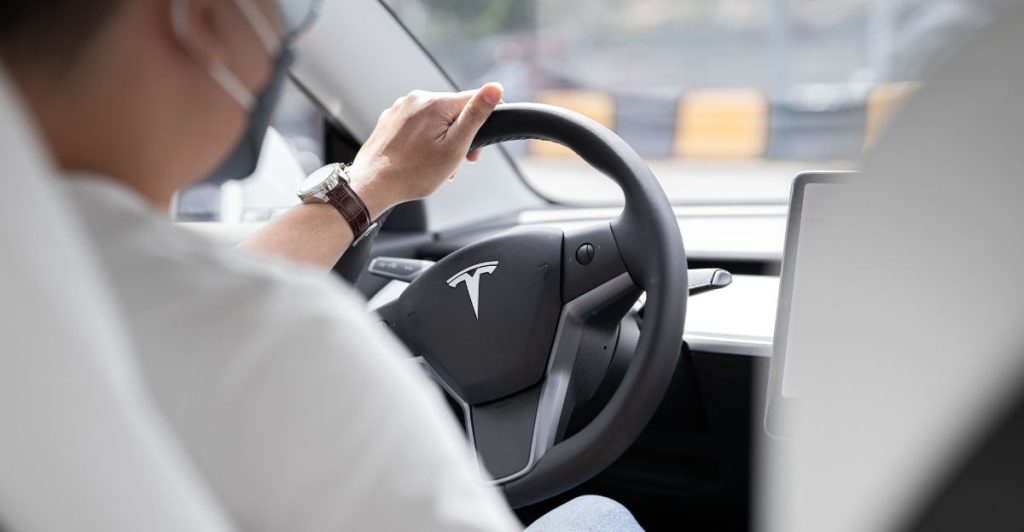
Before the case went to trial, plaintiffs offered Tesla a way out: $60 million to settle. Tesla rejected the settlement, betting on a jury that would blame George McGee, the Tesla driver. He admitted to distracted driving and to trusting Tesla’s Autopilot feature.
The story could have read, tragic accident, distracted driver, but after seven years of litigation, three weeks of testimony, and a mountain of forensic evidence, Tesla’s $60 million settlement turned into a $243 million crater.
Two Teslas
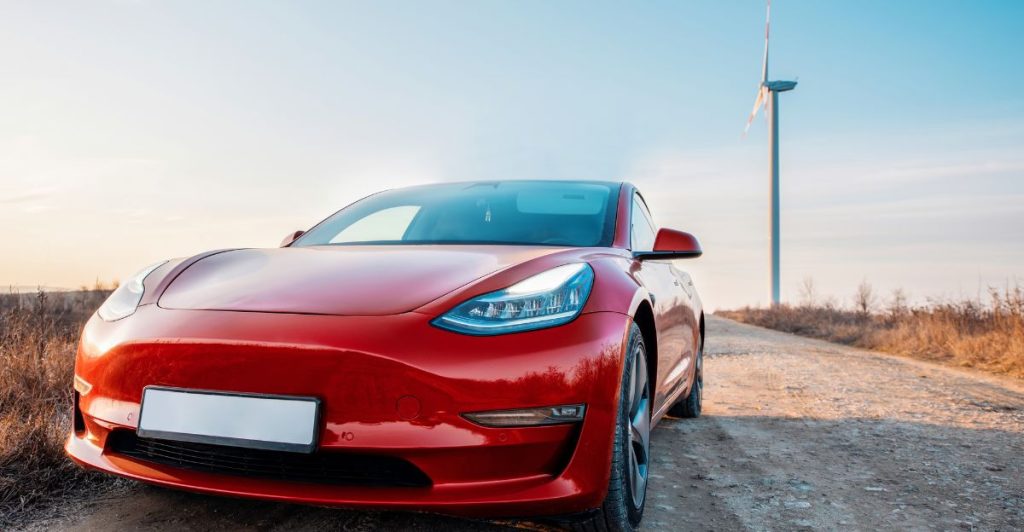
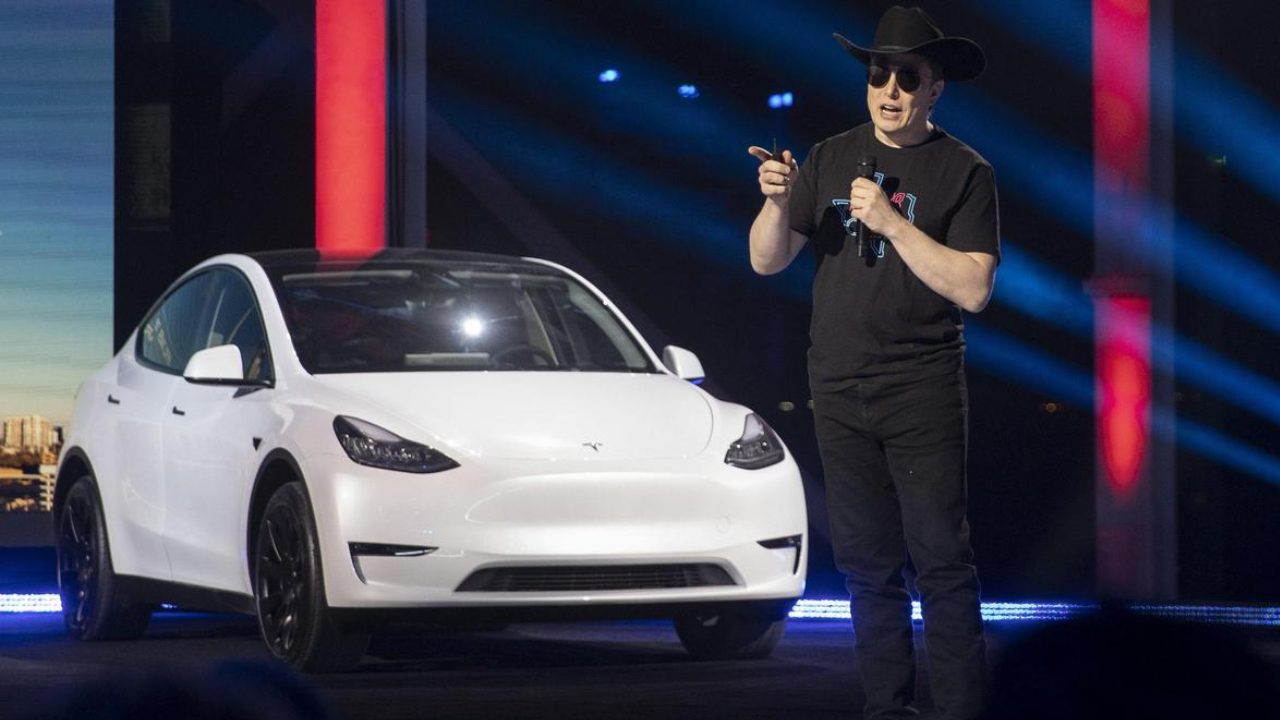
The plaintiffs’ lead attorney, Brett Schreiber, built his case around a devastating frame: “There’s Tesla in the showroom, and then there’s Tesla in the courtroom.” In the showroom, Musk told consumers and investors the cars were “fully self-driving,” and the hardware was “capable of full autonomy.”
In the courtroom, Tesla’s lawyers argued Autopilot was a limited driver assistance requiring constant human supervision. Both claims cannot coexist without someone lying. The jury decided which version of Tesla was telling the truth.
The Snapshot
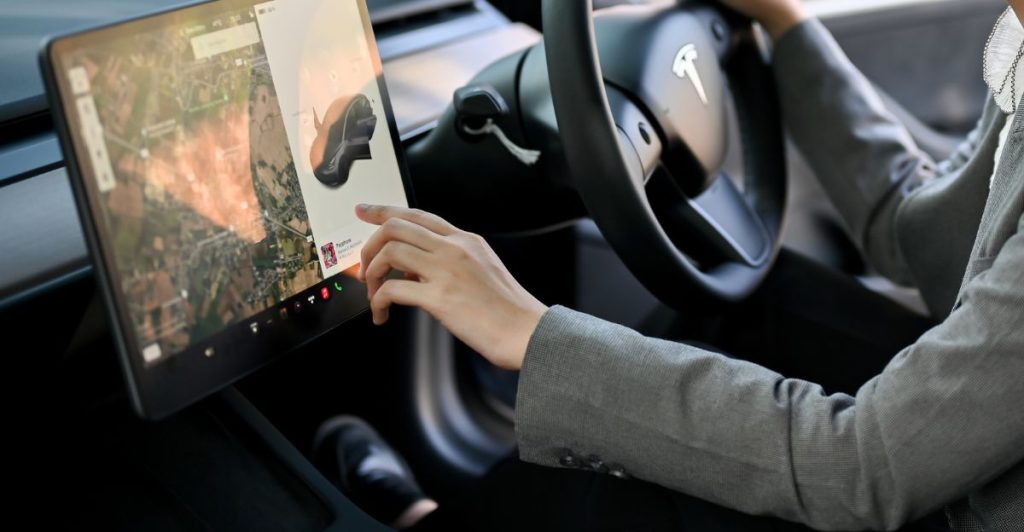
Tesla claimed it withheld no evidence, but forensic engineer Alan Moore recovered a collision snapshot from the car’s computers that Tesla had never disclosed to police or plaintiffs. The data was clear: the Autopilot was active, yet no “Take Over Immediately” alert was enabled.
Tesla’s own service technician denied powering up the Autopilot computer, yet forensic checksums proved it had been powered up and accessed that same day. Moore’s verdict: “Tesla engineers said this couldn’t be done… yet it was done by people outside Tesla.”
The Design
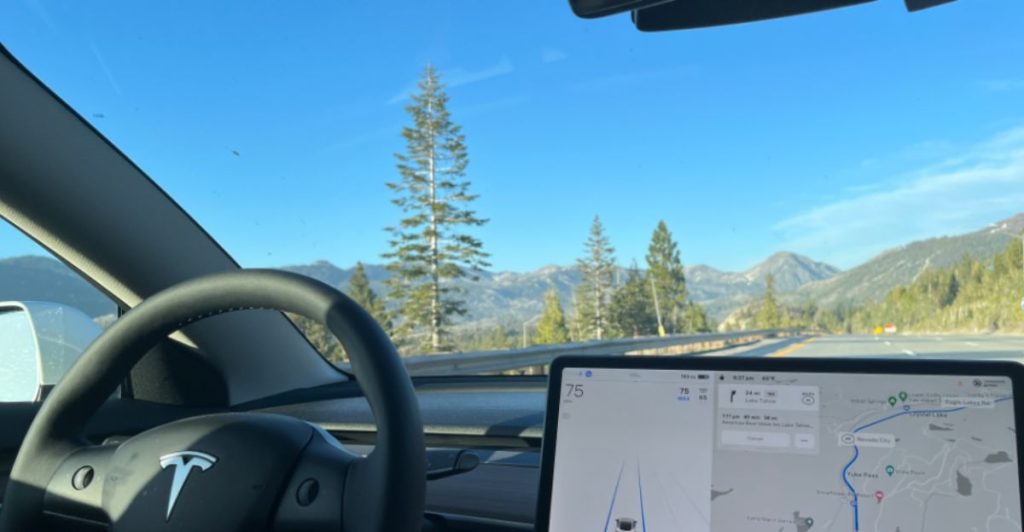
Tesla allowed Autopilot to engage on Card Sound Road, a rural two-lane stretch outside the system’s safe operational domain. The company had geofencing technology available and chose not to use it. The Tesla in the accident used camera-based observation rather than the more rigorous infrared eye-tracking competitors deployed.
McGee had repeatedly re-engaged Autopilot after receiving warnings, and Tesla’s system recorded every instance. It never locked him out. It never escalated alerts. The system watched a pattern of over-reliance develop and did nothing to interrupt it.
The Numbers
The jury deliberated seven hours after a three-week trial. They gave Tesla 33% of the liability, the first finding of its kind in a federal Autopilot wrongful death case. The company was liable for $42.6 million in compensatory damages, split between Benavides’ estate and survivor Dillon Angulo. An additional $200 million in punitive damages was awarded.
With a ratio nearly five times higher than the compensatory award, it shows the jury concluded that Tesla acted with reckless disregard for human life. Judge Beth Bloom ruled the evidence “more than supported” every dollar. Tesla raised no new arguments warranting reversal.
The Flood
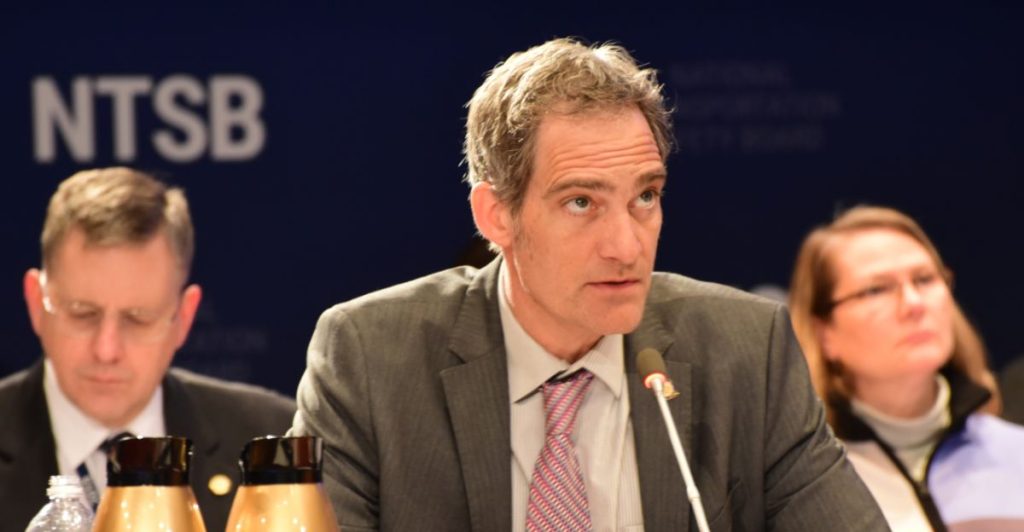
Since the verdict in August 2025, Tesla has settled at least four more Autopilot crash lawsuits rather than facing another Jury. In January 2026, the company was sued over a Model X crash that claimed the lives of a family of four in Idaho, including an 11-year-old. April 2024 data from NHTSA has linked 467 collisions and 13 fatalities to Autopilot accidents.
A certified class action targets Tesla’s FSD marketing, while the company separately disclosed reaching roughly 1.1 million FSD subscribers. One verdict cracked the dam. Dozens of cases are pouring through.
The Precedent
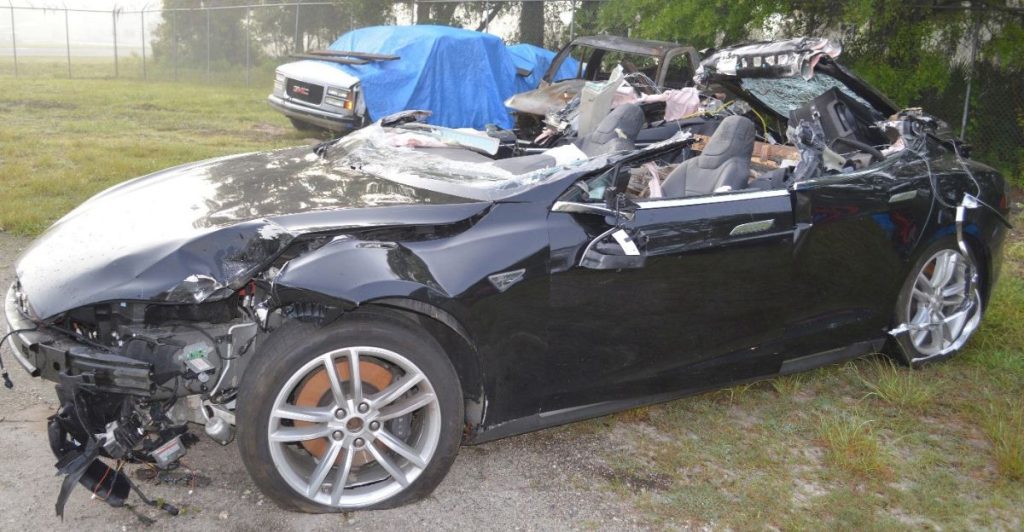
This verdict did something no settlement could: it established that manufacturers of Level 2 driver-assistance systems share liability when their marketing overstates capability and their design lacks safeguards against foreseeable misuse. In December 2025, California’s DMV found Tesla’s “Autopilot” label constituted misleading advertising.
On February 18, three days before the ruling, Tesla complied with every corrective order, dropping the “Autopilot” and “Full Self-Driving” branding in California, then immediately sued to erase the misleading-advertising label. Compliance and defiance in the same breath. Once you see the pattern, every Musk promise looks different.
The Robotaxi
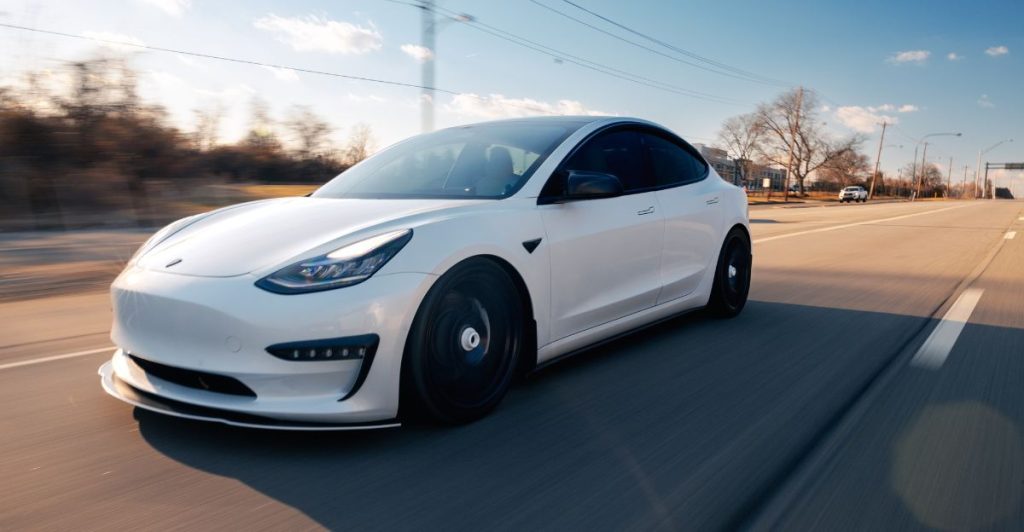
A lot of Tesla’s growth thesis relies on autonomous vehicles. In June 2025, Robotaxis were launched, but within eight months, 14 crashes had been logged across approximately 800,000 paid miles, a rate of about one crash every 57,000 miles. By comparison, human drivers average one crash every 229,000 miles, making Tesla’s robotaxis roughly four times more dangerous than the humans they want to replace.
Every robotaxi launch, every FSD subscription, now operates under the shadow of a jury that found the underlying system defective.
The Trap
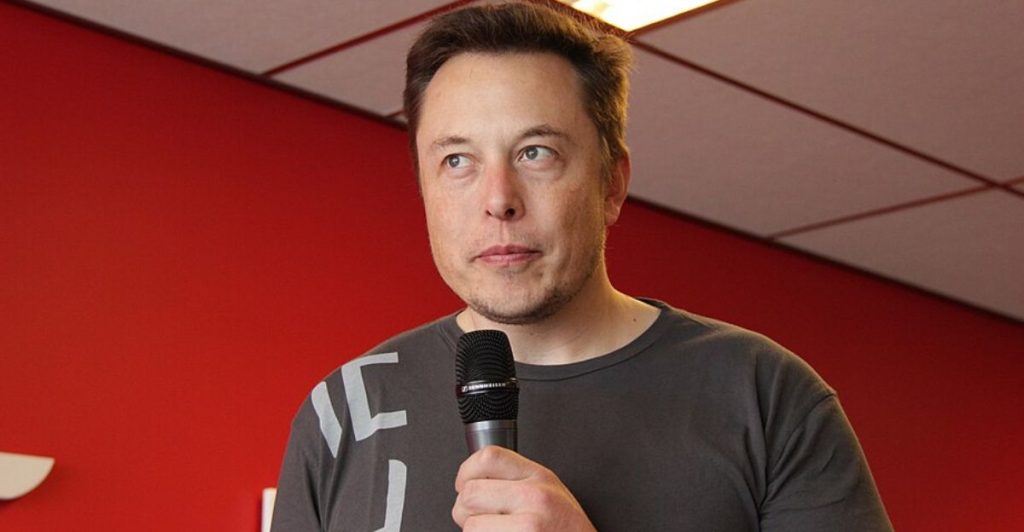
Tesla now heads to the Eleventh Circuit with a weakened footing, a judge who found the evidence overwhelming, and a forensic record it cannot unwrite. The company can neither credibly promise full autonomy, because regulators will cite this verdict, nor honestly admit current limitations, because investors built a $1.55 trillion valuation on the promise.
Schreiber put it plainly: “Those statements were as untrue the day he said them as they remain untrue today.” The showroom Tesla and the courtroom Tesla cannot both survive. The jury picked which one dies first.
Sources:
Insurance Journal | Judge Upholds $243M Verdict Against Tesla Over Fatal Autopilot Crash | Feb 23, 2026
Electrek | Tesla withheld data, lied, and misdirected police and plaintiffs to avoid blame in Autopilot crash | Aug 4, 2025
California DMV | Tesla Takes Corrective Action to Avoid DMV Suspension | Feb 18, 2026
Electrek | Tesla ‘Robotaxi’ adds 5 more crashes in Austin in a month, 4x worse than humans | Feb 17, 2026
Electrek | Tesla sued over family killed in tragic Model X crash as ‘flood’ of lawsuits keep opening | Jan 6, 2026