Tesla Hid a Fatal ‘Self-Driving’ Crash for 7 Months—Now 3.2M Vehicles Are One Step From Recall
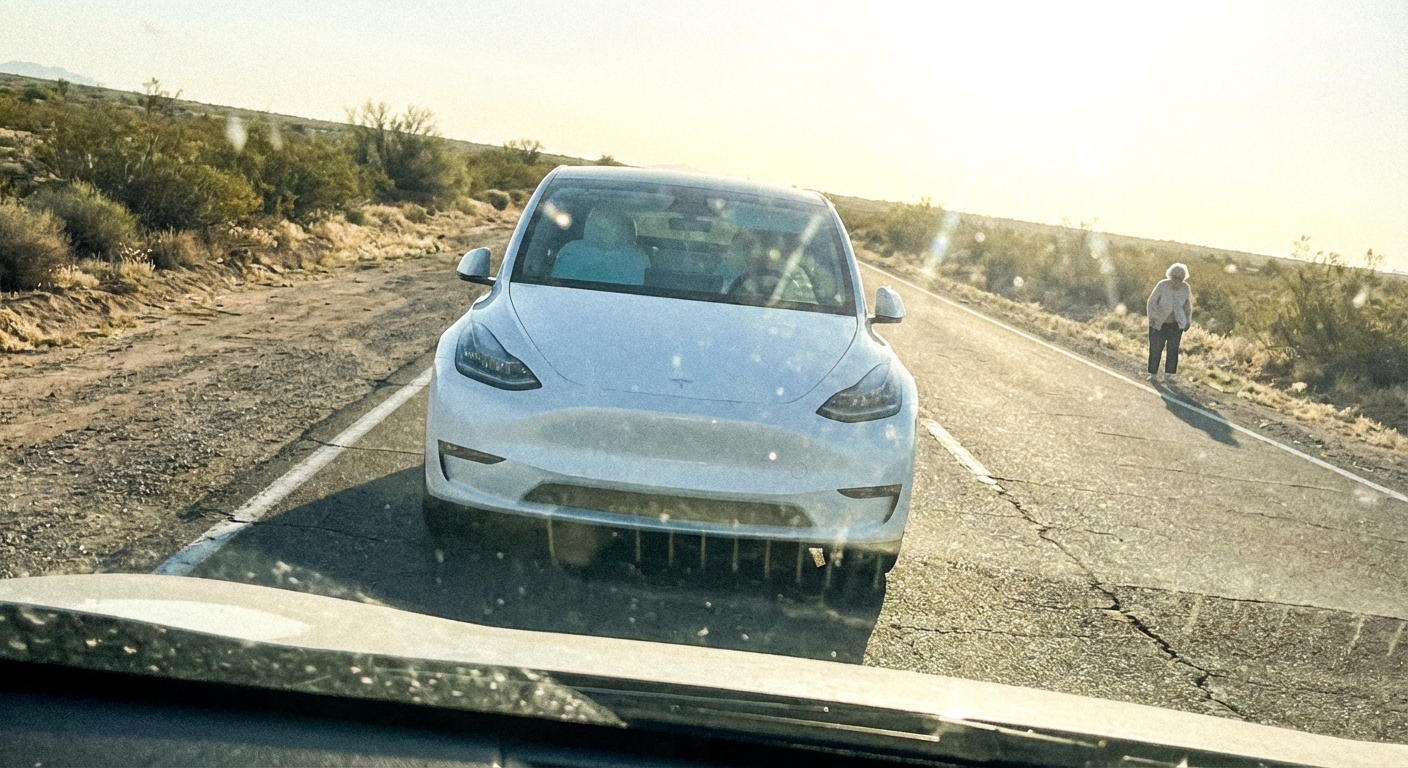
On a sunny afternoon in Rimrock, Arizona, a 71-year-old woman was crossing the street when tragedy struck. A 2021 Tesla Model Y, with its Full Self-Driving system (FSD) engaged, hit and killed her. According to a federal crash database, the incident happened in November 2023.
The Arizona Department of Public Safety later reported that sun glare contributed to the accident, and the woman was pronounced dead at the scene. Tesla did not submit its required crash report to NHTSA until late June 2024. That was about seven months after the crash. Federal expectations call for such reports to be filed within days.
Fatal Crash Spurs Questions
The woman from Mesa, Arizona, was the first pedestrian publicly identified as killed in a crash linked to Tesla’s FSD system during NHTSA’s ongoing visibility investigation.
Tesla eventually filed the required crash report for the November 2023 incident on June 27, 2024, seven months after the fact. For much of that time, NHTSA’s records did not include the Rimrock crash in its list of visibility-related FSD cases. Sunlight glare played a role, and the FSD-equipped Tesla failed to avoid her. The incident raised new questions about how Tesla reports crashes and how well its system handles challenging visibility.
A Broader Problem Comes Into Focus
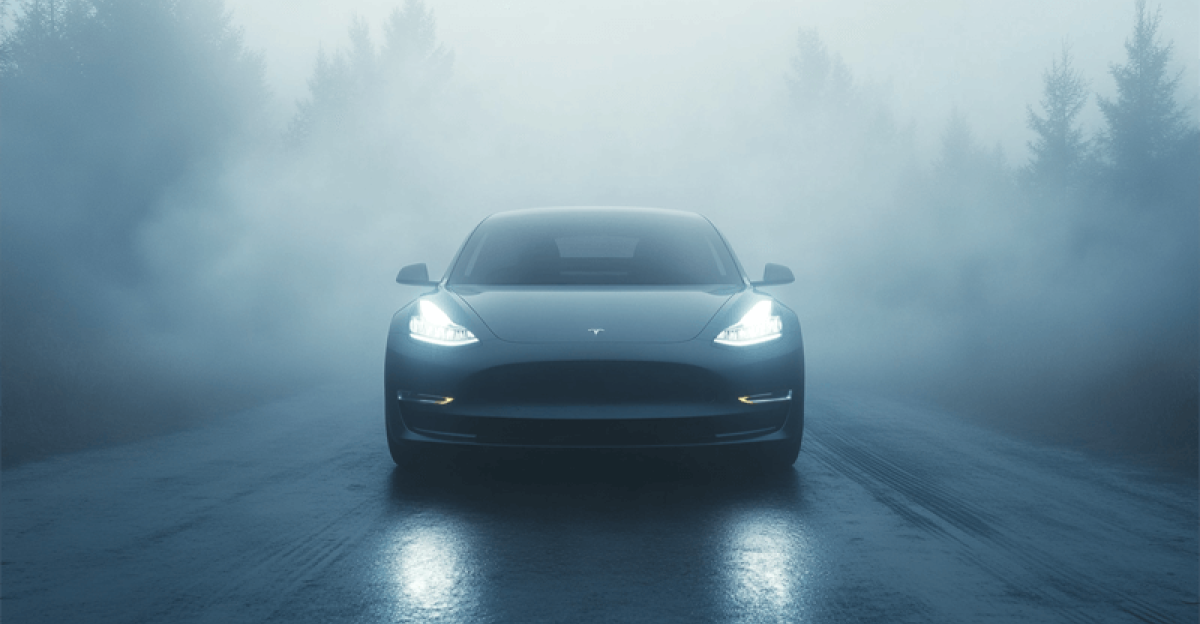
This incident was not isolated. NHTSA’s investigation, known as EA26002, found nine crashes that may be tied to FSD’s performance in poor visibility. Conditions included sun glare, fog, dust, and airborne debris. Among those crashes was one fatality and at least one other injury, and another six incidents are still being reviewed for possible links.
In several cases, the agency determined that FSD either lost track of or never noticed a vehicle ahead. The most fundamental duty of any driving system is seeing what is in front of it. NHTSA opened a preliminary evaluation into FSD’s performance in October 2024 and has been reviewing these problems since then.
Federal Investigation Intensifies
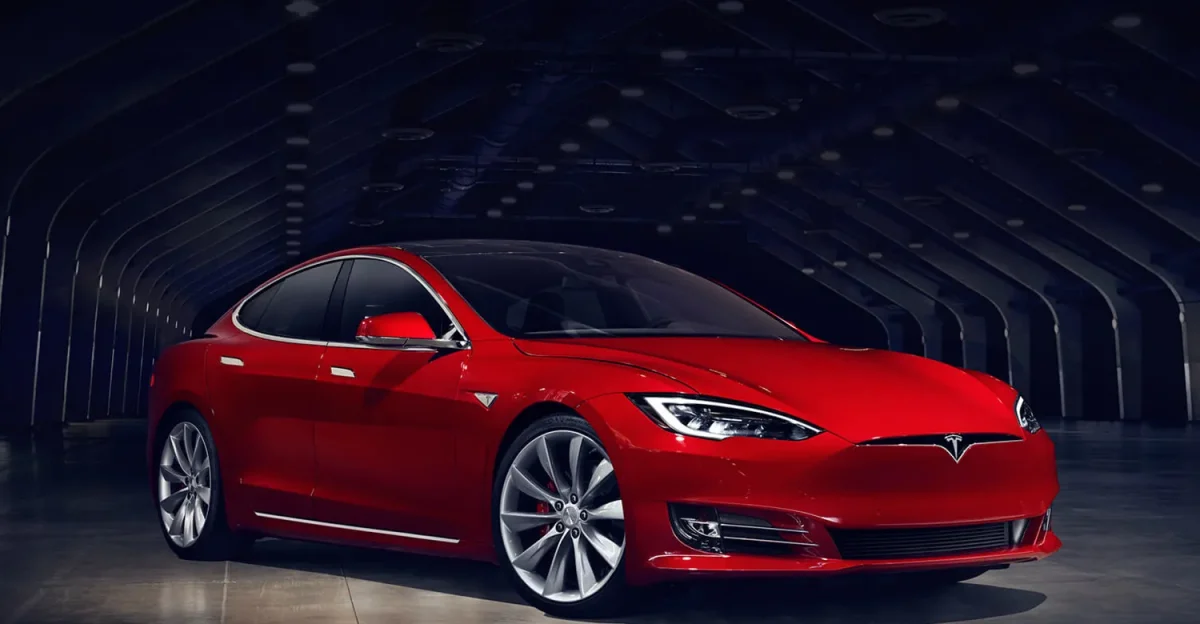
On March 18, 2026, NHTSA expanded its inquiry by launching a full engineering analysis that now covers more than 3.2 million vehicles. The probe includes the Model S, X, 3, Y, and Cybertruck from 2016 to 2026, all equipped with FSD. This kind of analysis is usually the last step before a recall decision, though it does not always lead to one.
Ten years of Tesla vehicles and every FSD-equipped car are now under federal review. Several news outlets have called this one of the largest safety investigations of driver-assistance technology ever.
Software Updates Fall Short
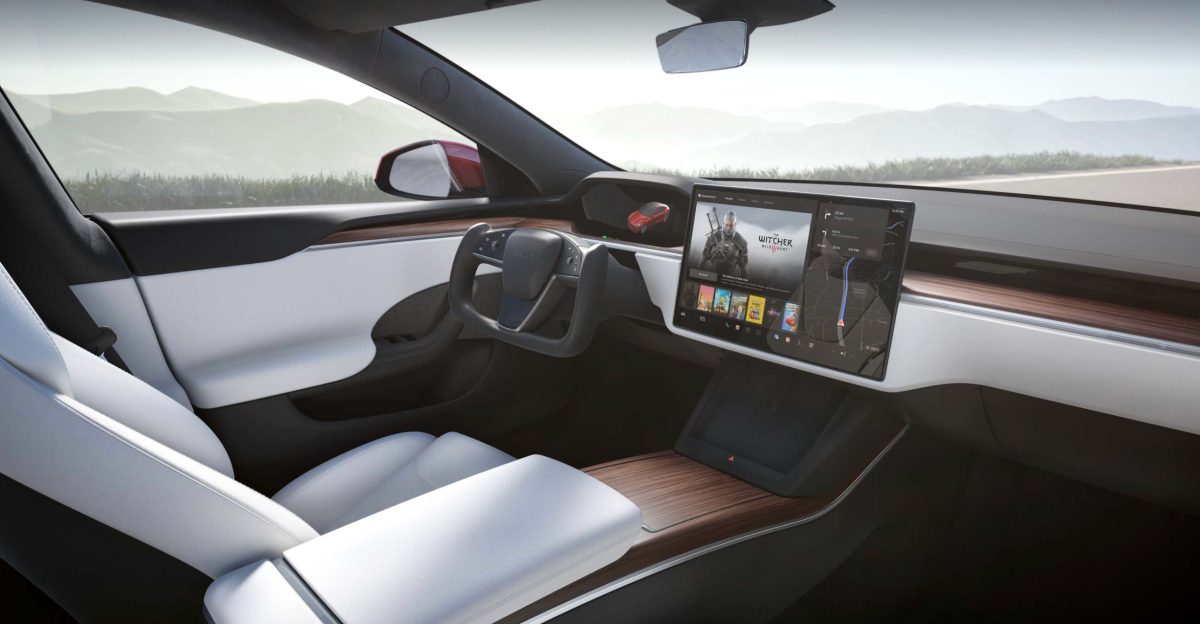
Tesla has told NHTSA about a new “degradation detection” feature designed to warn drivers if the cameras get blinded by sun glare or fog. Tesla acknowledges that this update would have only prevented some of the crashes NHTSA is reviewing. In many other cases, FSD still lost track of vehicles ahead or did not warn the driver soon enough to avoid an accident.
Software updates can help the system react better when cameras struggle. However, there are limits to what cameras alone can see in harsh conditions.
Camera-Only Design Raises Risks
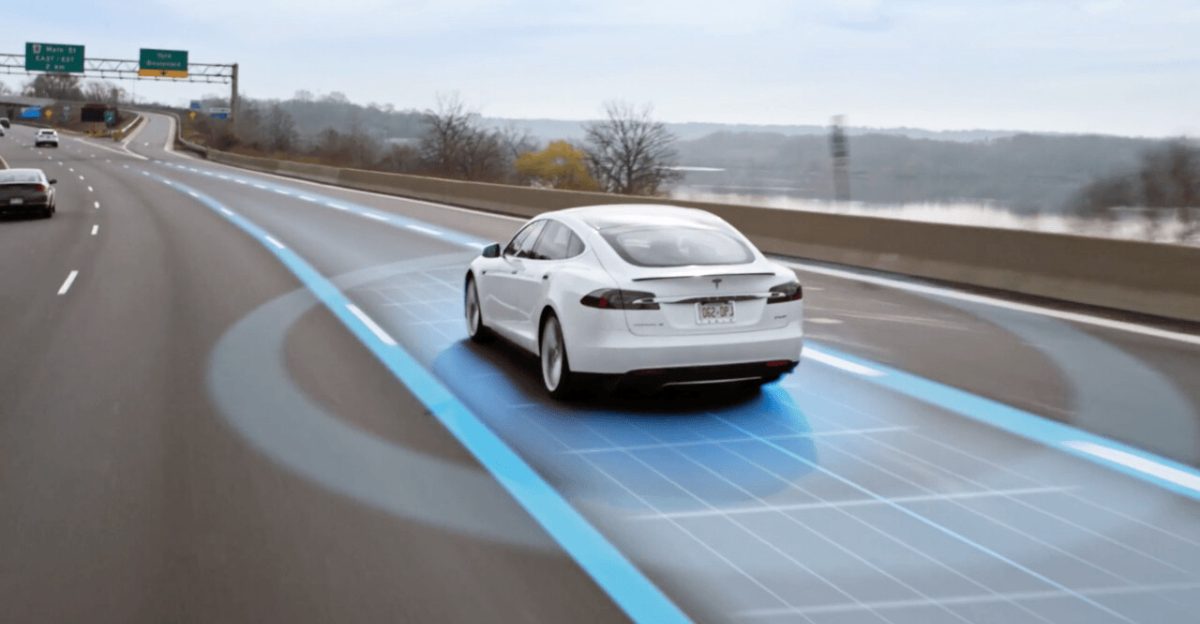
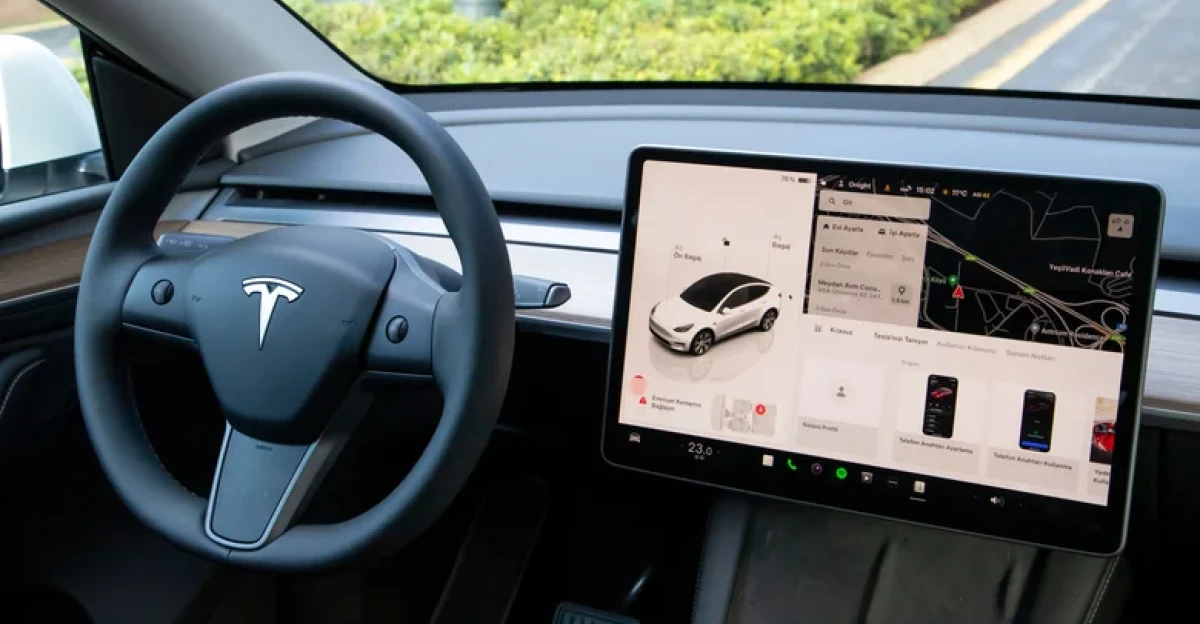
Starting in 2021, Tesla stopped putting radar in its cars, switching instead to a camera-only system called “Tesla Vision.” Cameras can struggle in situations involving glare, fog, dust, or anything else that blocks a clear view. Radar can still spot obstacles in those moments.
NHTSA has raised concerns that Tesla’s system might miss objects or fail to alert drivers when visibility is poor. Most of the affected cars do not have radar hardware anymore. Software updates can only work with the sensors currently installed.
Robotaxi Crash Rate Under Scrutiny
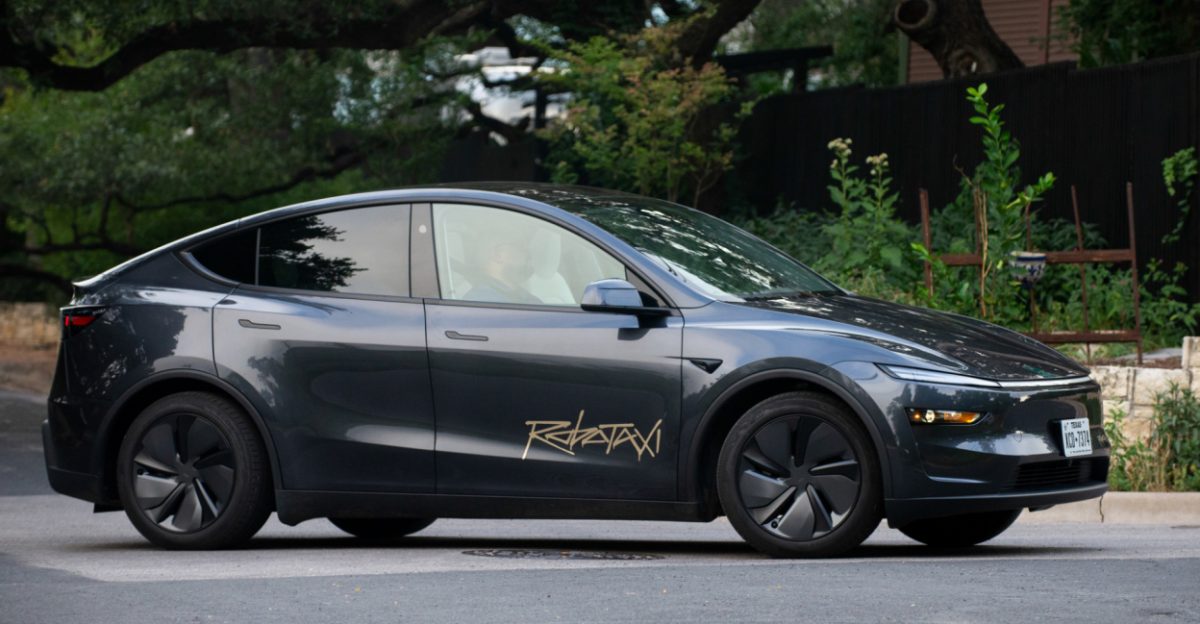
Tesla’s robotaxi pilot program in Austin has reported a number of crashes since it rolled out in mid-2025. Public estimates put the count at about 14 or 15 incidents over 800,000 paid miles driven as of early 2026. This works out to a crash every 57,000 miles.
Analyses suggest Tesla’s robotaxi fleet crashes more often than the national average for human drivers, though comparing the numbers directly is difficult. Only a handful of robotaxis are operating in Austin, mostly with safety supervisors still inside. These vehicles use the same FSD software as the 3.2 million Teslas now under federal review.
Tesla Faces Third Major Probe
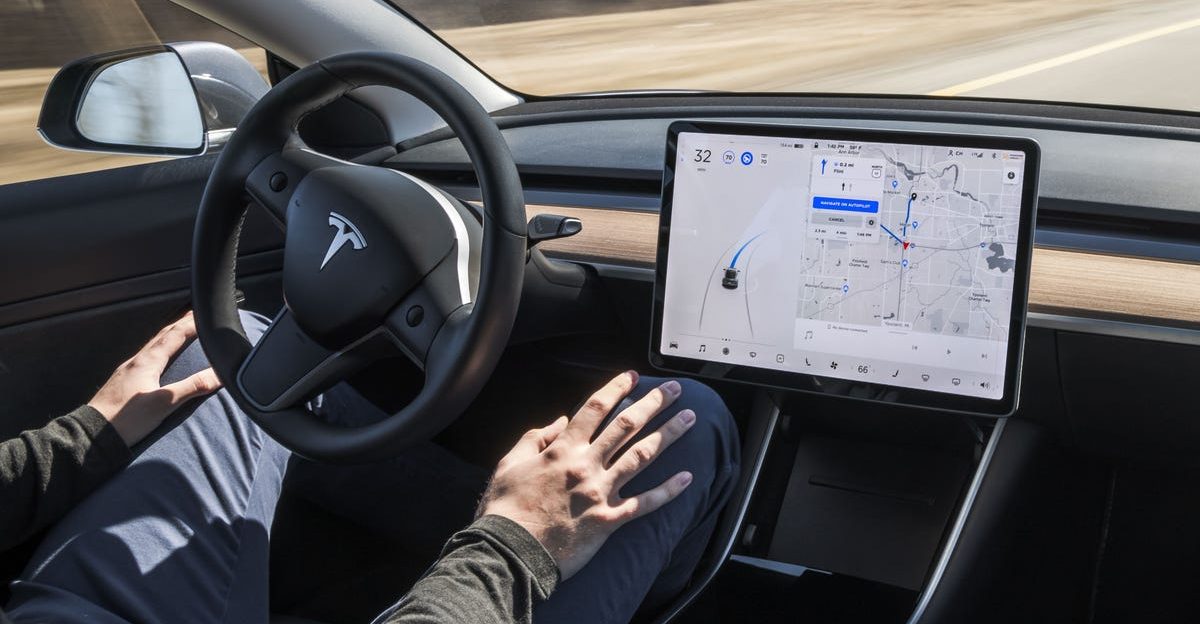
This marks the third NHTSA action involving Tesla’s driver-assist technology in three years. In February 2023, regulators called for a recall of about 363,000 vehicles running FSD Beta, stating the software sometimes acted unsafely around intersections and speed limits. Tesla disagreed with some of those findings but sent out a software fix.
In December 2023, NHTSA announced Tesla’s largest recall yet: about 2 million vehicles to address potential misuse of Autopilot. Now, with 3.2 million vehicles under investigation for FSD’s performance in reduced visibility, Tesla faces another round of regulatory scrutiny. This could slow its plans for expanding FSD and launching more robotaxis.
Regulatory and Business Stakes Rise
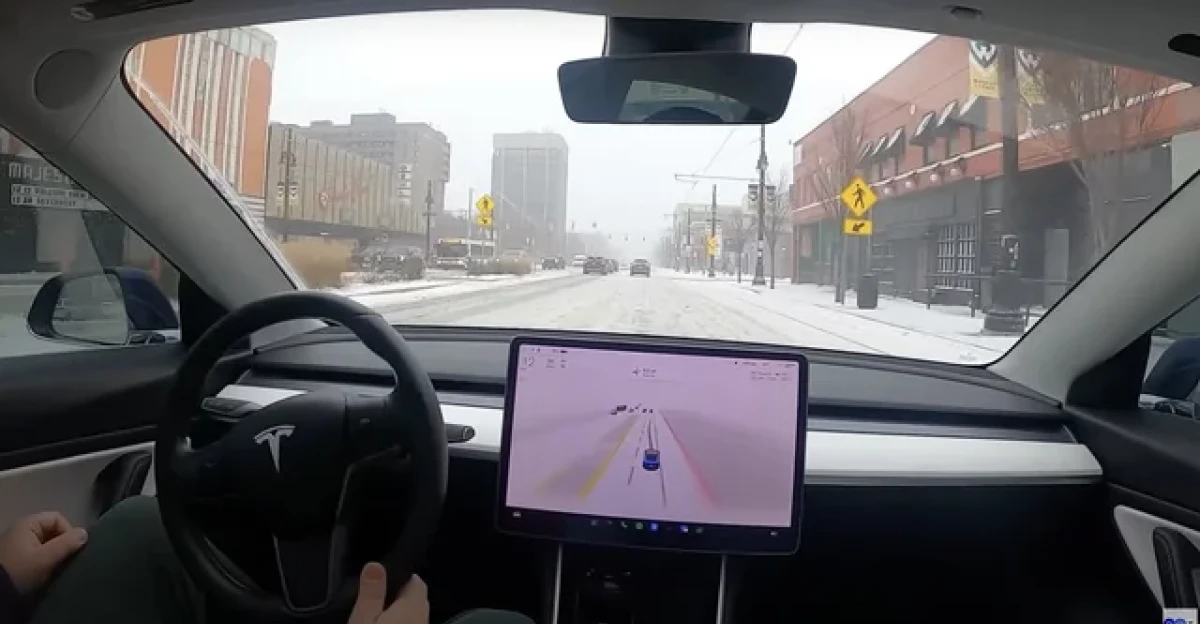
Two timelines are running in parallel. NHTSA’s engineering analysis will determine if Tesla must issue another recall related to FSD’s performance in poor visibility. The process could end quickly, or extend for months if Tesla contests the findings. During this time, millions of cars continue to operate with the same camera-based system.
At the same time, Tesla aims to expand its robotaxi service beyond Austin. Any recall affecting FSD’s core functions could shift how investors view Tesla’s future in self-driving vehicles. The company’s broader electric vehicle and energy operations also influence market expectations.
Visibility Gaps Remain Unresolved
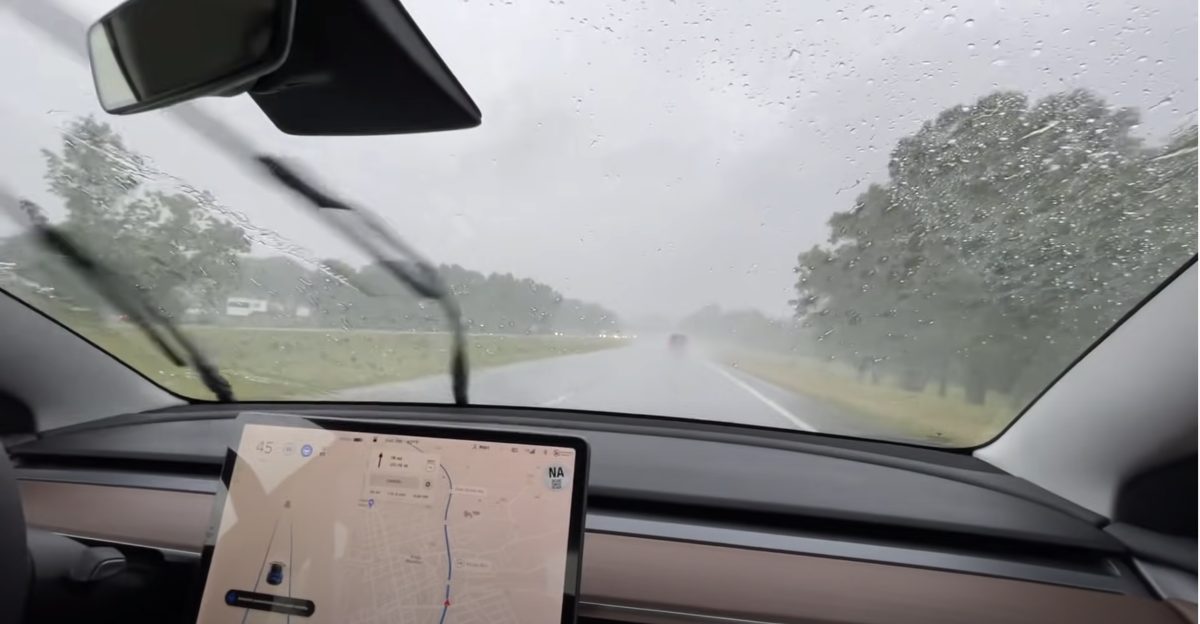
Tesla’s FSD system relies on cameras that share many of the same weaknesses as human eyes. Glare, fog, and dust can all make it harder for the system to see, just as they do for people. NHTSA’s latest investigation specifically points out that FSD may not always spot dangers or warn drivers in those situations.
Most Tesla owners may not be aware of all the details in NHTSA’s findings, or that current fixes might not have addressed every crash under review. The gap between FSD’s marketing promises and how it performs in challenging visibility is now the focus of a large federal safety analysis. This could affect about 3.2 million cars.
Sources:
Electrek – “Tesla is one step away from having to recall FSD in NHTSA visibility investigation covering 3.2 million vehicles” – March 18, 2026
CNBC – “Tesla faces intensifying NHTSA probe of FSD in reduced visibility” – March 19, 2026
Autoweek – “NHTSA Escalates Probe into Tesla FSD over Visibility Concerns” – March 18, 2026Insurance Journal – “NHTSA Upgrades Probe into 3.2M Teslas Over Self-Driving Crashes” – March 19, 2026
Fortune – “By Tesla’s own math, it reveals that its robotaxis are 4x–8x worse than humans at driving” – February 25, 2026