Tesla Erases The Steering Wheel After 130 Years And Readies The Cybercab For The Streets
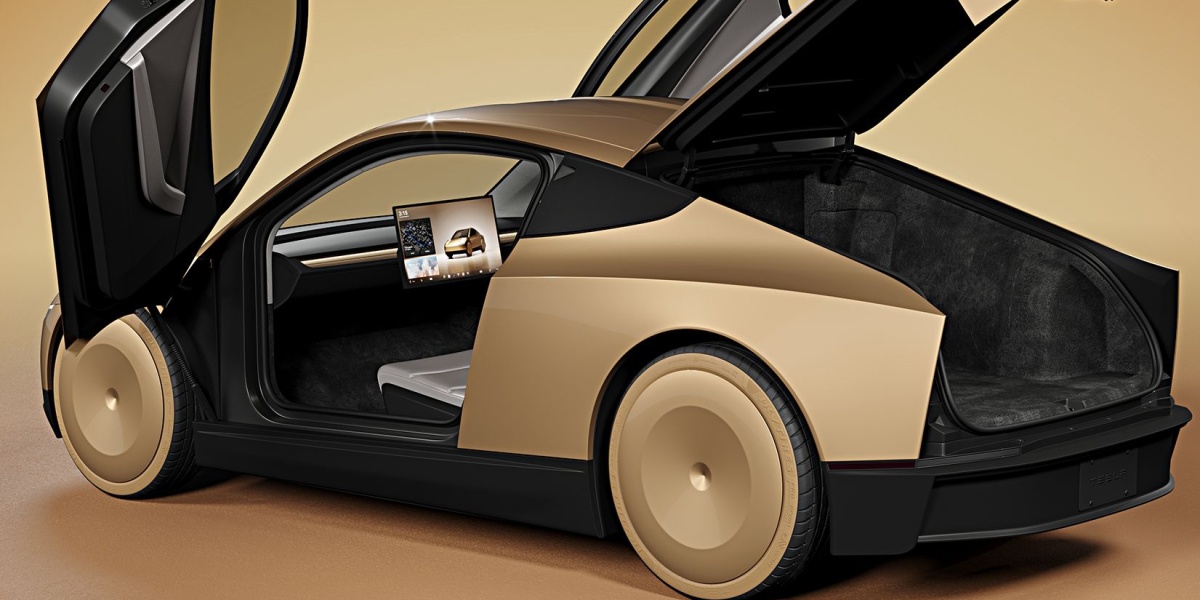
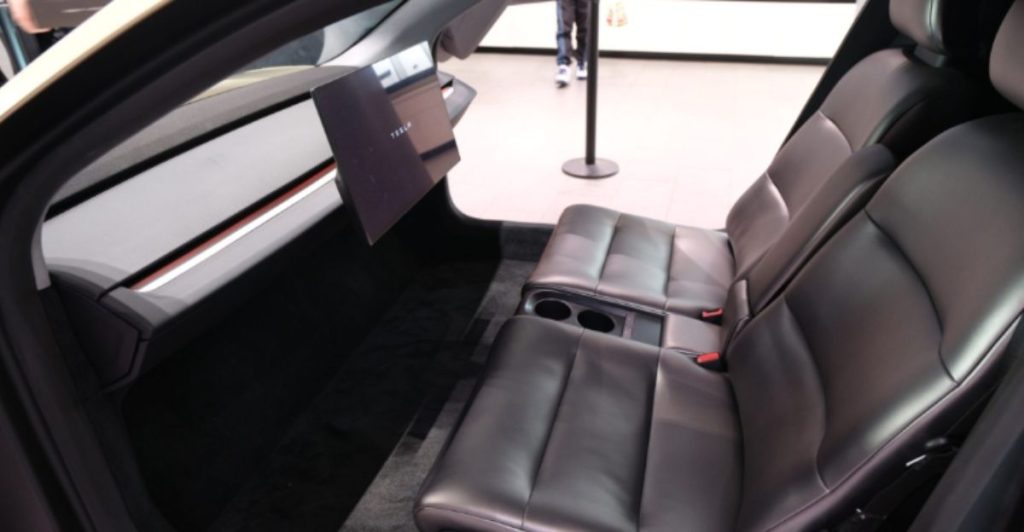
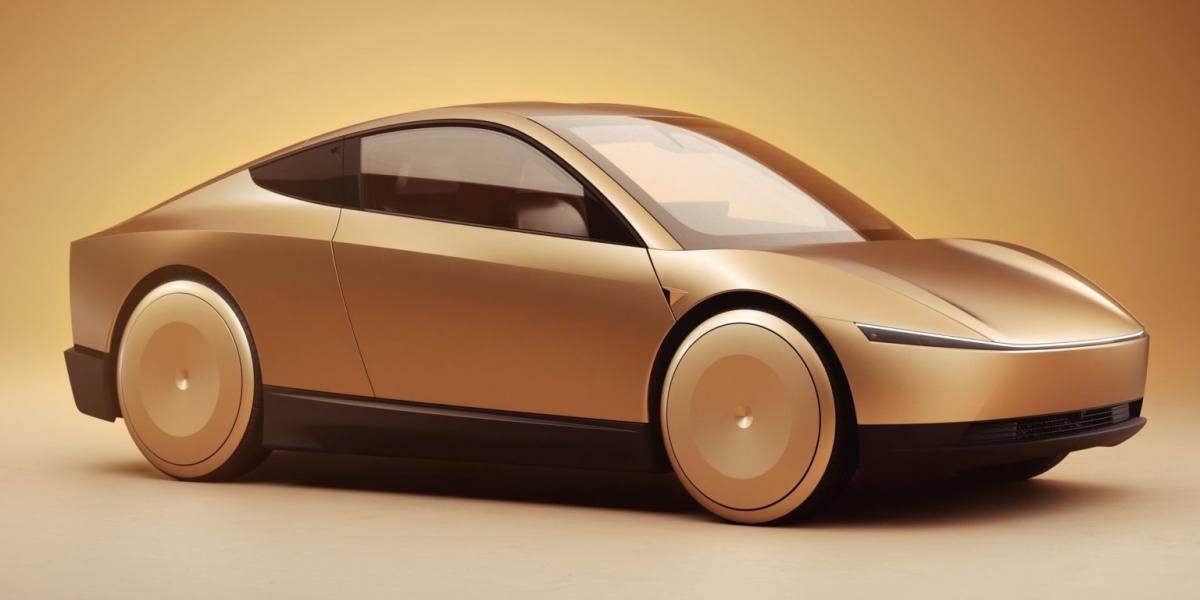
For 130 years, every production car rolling off every assembly line on Earth came with a steering wheel. That streak ended on February 17, 2026, at Giga Texas, where Tesla’s Cybercab became the first volume-manufactured vehicle built without one. By March 30, drone footage captured 36 production-ready units scattered across the factory grounds: 12 in crash testing, 11 at the exit, and 8 engineering units with blue-tape camera markers. April production starts in days. The cascade from here reaches further than anyone expects.
Why This Factory Builds Cars Differently
The Cybercab exists because Tesla reinvented how cars get assembled. The unboxed manufacturing process builds floor, front, and rear modules simultaneously, then joins them at the end. That parallel approach targets a 10-second build cycle versus 34 seconds for a Model Y and 45 to 60 seconds for legacy automakers. The body uses roughly 80 structural components instead of 200. Tesla’s patents describe 30% less labor, 40% less factory floor space, and 50% lower costs. That production math is what makes a $30,000 autonomous vehicle possible instead of theoretical.
What Riders Pay Changes Overnight
Driver labor accounts for 70% of current ride-hailing costs. Eliminate the driver, and the per-mile price collapses. ARK Invest projects $0.20 per mile at production scale by 2030 versus roughly $2.80 for a human-driven ride today. That is 14 times cheaper. Tesla’s Austin Robotaxi fleet launched at a flat $4.20 fare at its June 2025 debut, equivalent to roughly $0.60 per mile on an average trip, undercutting Waymo’s $1.00-plus rate at the time by nearly half. Pricing has since risen on both platforms, but the structural cost advantage remains: a ten-mile trip that costs $28 today could cost $2 at full autonomous scale. For a family relying on ride-hail for commutes, that repricing rewrites monthly budgets. The restaurant industry, delivery logistics, and medical transport feel it next.
The Scramble Inside Detroit
Legacy automakers cannot match that cost structure without rebuilding their factories from scratch. Tesla’s unboxed process eliminates the paint shop entirely. Lars Moravy, Tesla’s VP of Vehicle Engineering, confirmed it: “You inject the polyurethane paint as you are forming the plastic panels. That car has no paint shop.” Traditional plants spend hundreds of millions on paint infrastructure alone. Retooling a single legacy factory could cost $2 to $5 billion. Meanwhile, Tesla targets 2 million Cybercabs annually across multiple sites. The gap between production architectures is widening, not closing.
The Dirty Camera Problem Nobody Solved
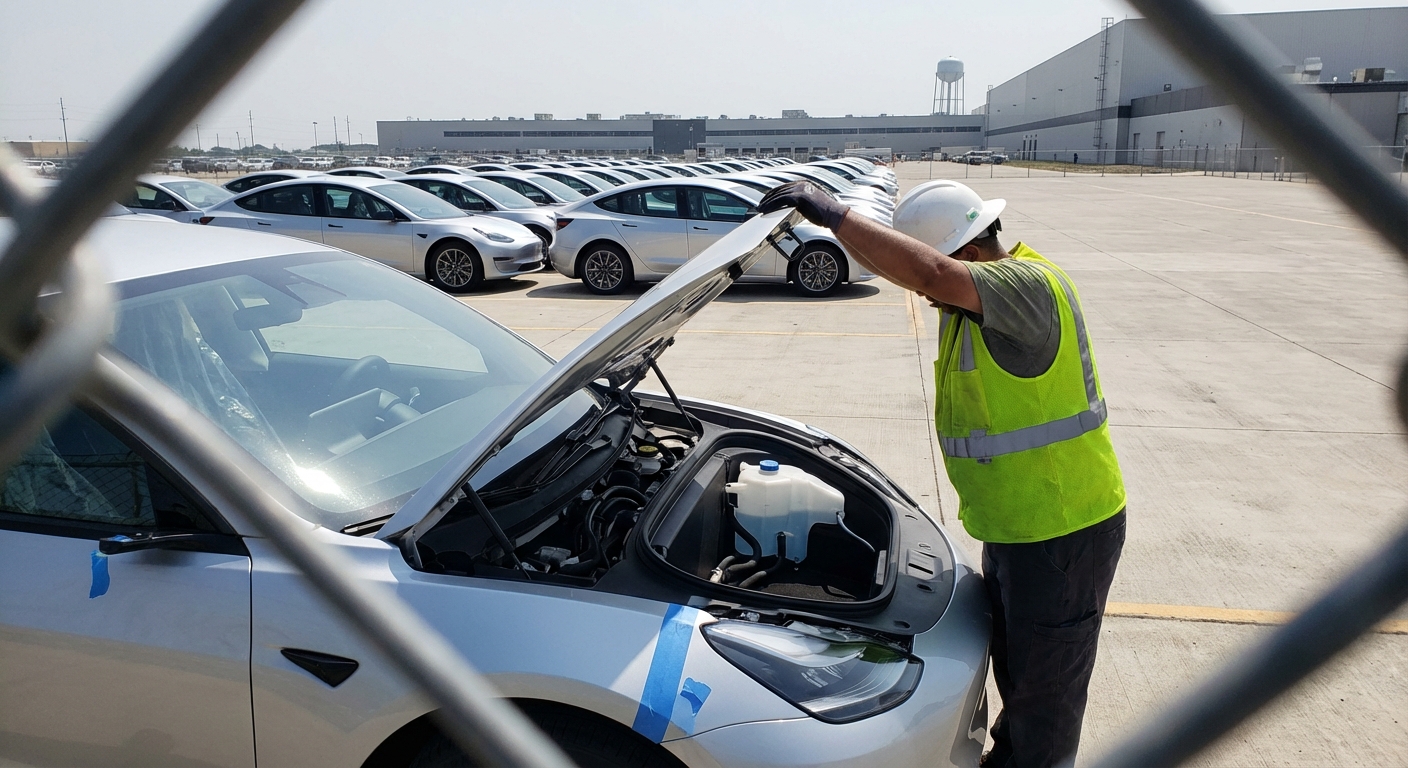
Here is where the cascade crosses into territory nobody expected. The frunk breakdown revealed an oversized washer fluid reservoir engineered specifically for 24/7 robotaxi operation. Every external camera gets its own high-pressure micro-nozzle washer. Chicago winter testing showed a prototype with clean lenses despite filthy bodywork. Camera-based autonomy fails when cameras get dirty. Competitors relying on lidar assumed this was cameras’ fatal weakness. Tesla solved it with plumbing. That oversized tank is not a quirk. It is proof that camera-primary autonomy works in rain, snow, and grime at production scale.
The System Connecting Every Ripple
Fewer parts. Faster assembly. No paint shop. Camera washers are engineered from day one. Every ripple traces back to one architectural decision: Tesla designed the Cybercab as a driverless machine from the ground up, not a consumer car with the steering wheel removed. The 48V electrical system cuts copper usage 75%. Ethernet replaces legacy wiring. Gigacastings replace welded subframes. Factory to software to sensor cleaning, all in one integrated system. That system makes every competitor’s retrofit approach obsolete. Autonomy built around a driver’s seat. Autonomy built without one. Completely different economics.
The Voice From Inside The Machine
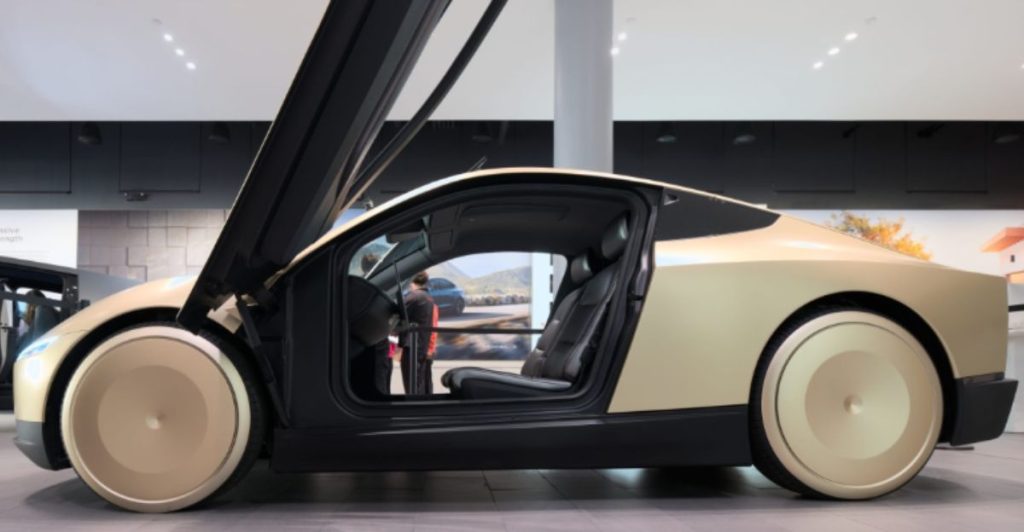
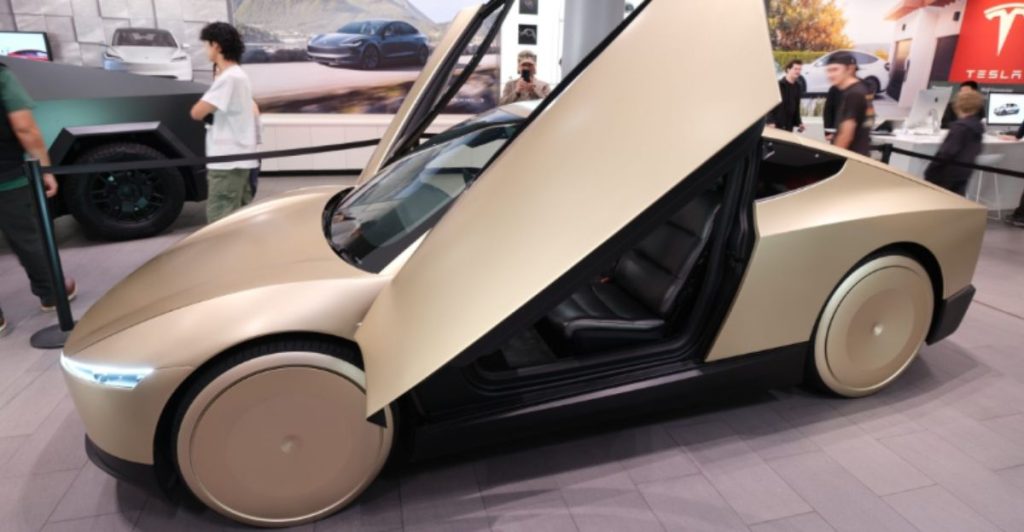
Cybercab Engineering Lead Eric E. framed the mission in human terms: “We built the seat height to be in line with standard wheelchair seat height. Accessibility is very important in autonomous vehicles; freedom of transportation for everyone is critical.” Wheelchair-height seating, automatic butterfly doors, no steps to climb. The first production vehicle purpose-built for disabled riders arrived not from a government mandate but from a robotaxi fleet. That accessibility exists only through Tesla’s proprietary service, though. Freedom of transportation, delivered through a single company’s platform. Think about that tension for a second.
The Regulators Blinked First
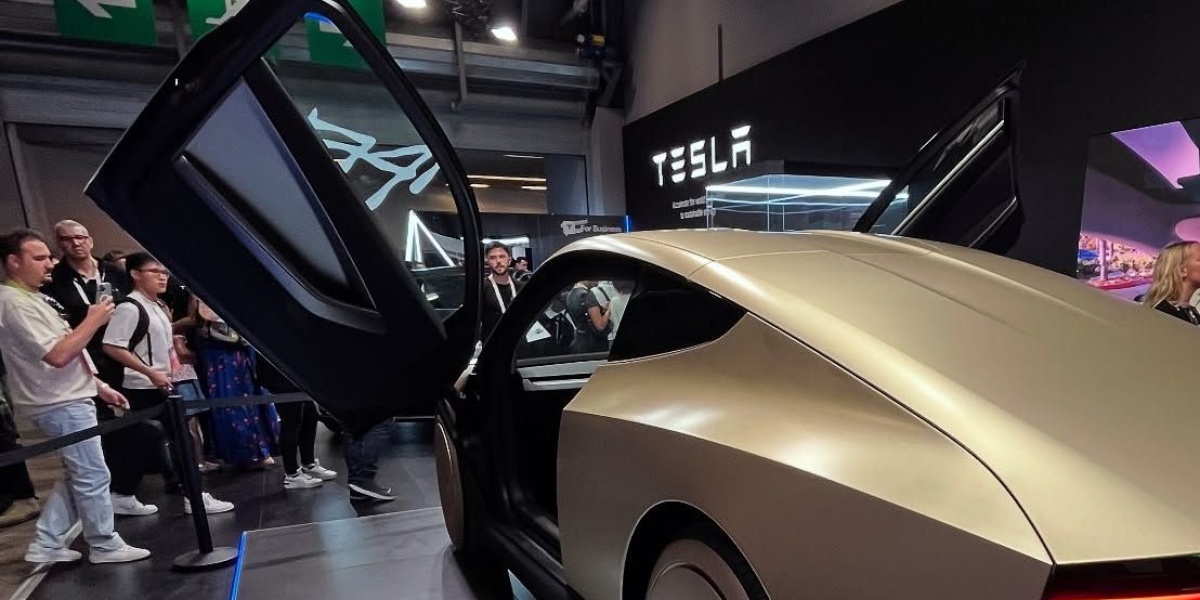
On March 20, 2026, NHTSA rejected a recall petition covering 2.26 million Tesla vehicles, validating Tesla’s regenerative braking system. While the decision removes one regulatory overhang, NHTSA simultaneously escalated its probe into Tesla’s Full Self-Driving software. That decision set a precedent no other country has matched. European regulators, already cautious under the AI Act, now face pressure as the American market pulls ahead. Chinese regulators will likely accelerate approvals for Baidu and Didi autonomous programs to keep pace. One agency’s ruling in Washington just reshaped the global autonomous vehicle timeline. The rules of the road are being rewritten continent by continent.
Who Wins, Who Loses, What To Watch
Winners: Tesla’s fleet economics and anyone positioned in autonomous infrastructure. Losers arrive in waves. First, over one million global ride-hailing drivers face income elimination within 24 to 36 months as labor costs drop from 70% of expenses to zero. Taxi medallion values collapse. Lidar suppliers lose their core argument as Tesla’s camera-primary system posts 5.3 million miles between serious accidents, eight times safer than human drivers. Insurance companies face untested autonomous liability models. Urban parking demand could drop 40 to 60% as shared fleets replace personal vehicles. Every one of these losses traces back to the same production line in Austin.
The Cascade Is Just Starting
Elon Musk said on January 20 that early Cybercab production would be “agonizingly slow, but eventually end up being insanely fast.” Sixty-nine days later, 36 units sat on the factory floor. Ride-hailing unions are already lobbying for robot taxes. Competitors are pivoting to premium autonomous markets that they can still afford to serve. Public transit agencies face a revenue crisis as robotaxi pricing approaches bus fares. None of these counterattacks solves the core problem: Tesla’s factory architecture produces autonomous vehicles at costs nobody else can reach. The 36 units are not the story. The system that built them is.
Sources:
“Tesla Produces First Cybercab Robotaxi Without Steering Wheel or Pedals.” The Driven, 18 Feb. 2026.
“First Giga Texas Cybercab Breakdown Reveals Massive ‘Frunk’ Liquid Tank.” TeslaNorth, 30 Mar. 2026.
“Tesla Faces Intensifying NHTSA Probe of FSD in Reduced Visibility.” CNBC, 19 Mar. 2026.
“Musk Says It’s ‘Probably True’ Cybercab Could Cost Less Than $0.20 Per Mile.” Electric Vehicles (eletric-vehicles.com), 21 Jan. 2026.