Tesla Ends FSD Transfers and One-Time Purchases — While Its Own Disclaimer Says the Feature ‘Does Not Make the Vehicle Autonomous’
Tesla owners who bought Full Self-Driving software expected a rare perk: the ability to transfer the feature to their next vehicle. Tesla told customers the promotion would end on March 31, 2026 and sent text and email notices ahead of that deadline. Yet later support page edits tightened eligibility rules, catching some buyers off guard. For owners planning trade-ins around the program, the shift changed the math overnight. A software upgrade that once behaved like a transferable asset suddenly looked conditional. That change arrived just as Tesla introduced another major shift to how the feature itself is sold.
Subscription Era Begins For FSD
On February 14, 2026, Tesla discontinued the one time purchase option for Full Self-Driving entirely. The feature is now offered only as a $99 per month subscription, a pivot CEO Elon Musk previewed earlier in January. The move ends years of debate over whether the expensive upgrade should be owned or rented. For buyers considering a new Tesla, the decision now resembles a streaming subscription rather than a permanent vehicle option. Combined with the transfer deadline approaching on March 31, the shift signals a larger strategy change. To understand why, the pricing history tells an important story.
The Price Roller Coaster
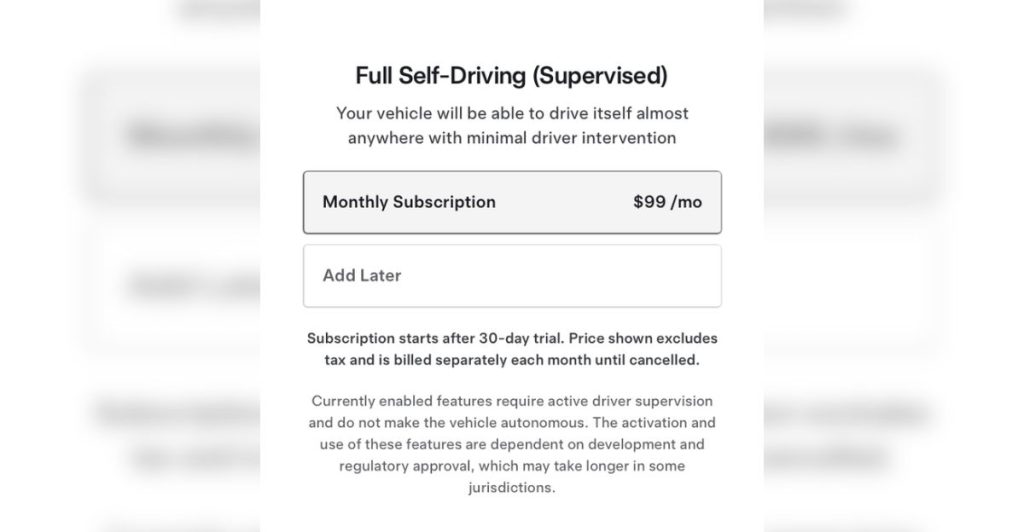
Full Self-Driving pricing has changed dramatically over the past few years. From September 2022 through September 2023 the upgrade peaked at $15,000. In April 2024 Tesla cut the price to $8,000, lowering the barrier for new buyers. Then on February 14, 2026 the company eliminated the one time purchase entirely and moved to the $99 monthly subscription model. Owners who paid up to $15,000 at the peak now face the biggest difference between what they spent and today’s structure. Others who paid $8,000 see a smaller gap. Either way, the transfer change reshapes how those earlier purchases are viewed.
Ownership Was Never Simple
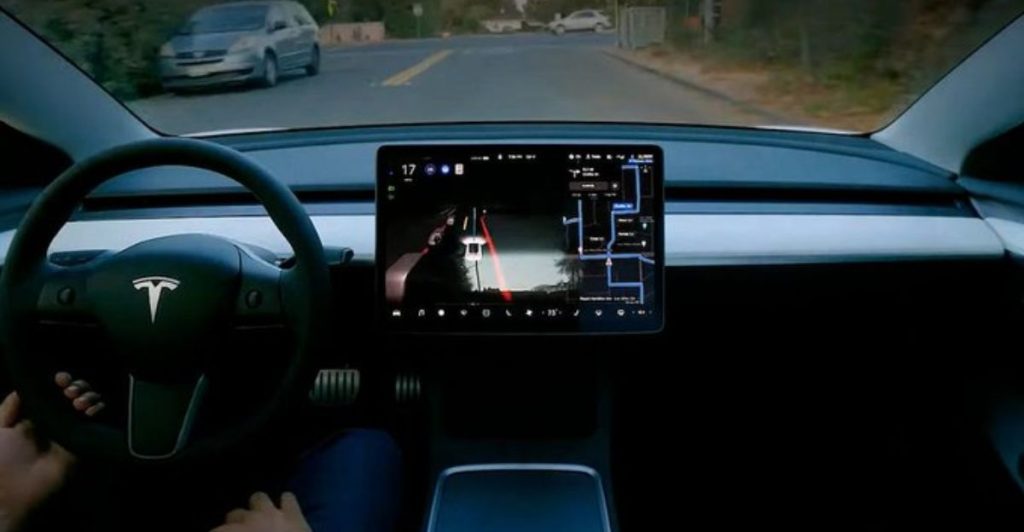
Many buyers assumed a software upgrade purchased with the car worked like any other option. Seats, wheels, and audio systems stay with the vehicle. Software operates differently. Tesla manages Full Self-Driving entitlements through account level rules that can change over time. Promotions such as transfer windows appear and disappear depending on company policy. That means the upgrade behaves less like a physical feature and more like a license governed by terms. For some owners, that distinction only became clear after the transfer program changed. Another detail on Tesla’s own support pages adds further perspective to the debate.
The Name Versus The Disclaimer
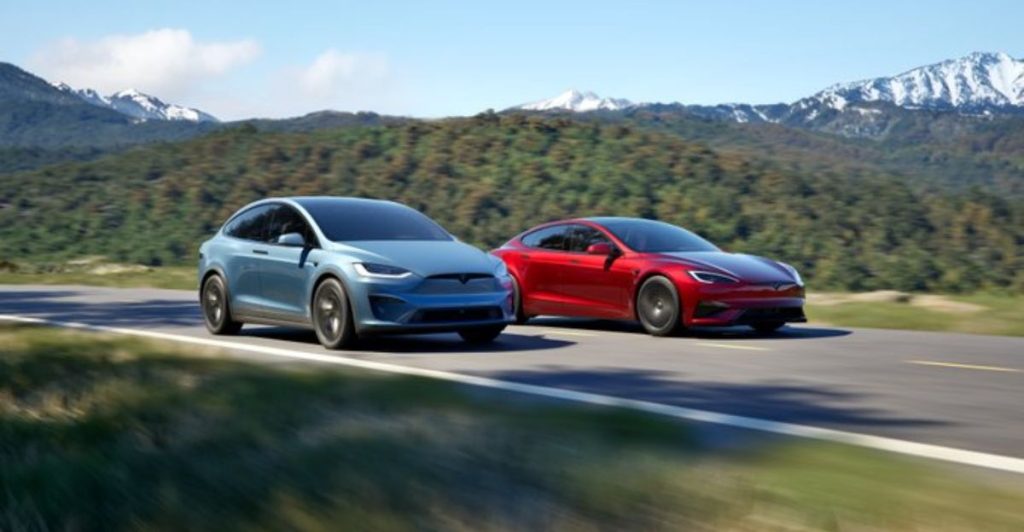
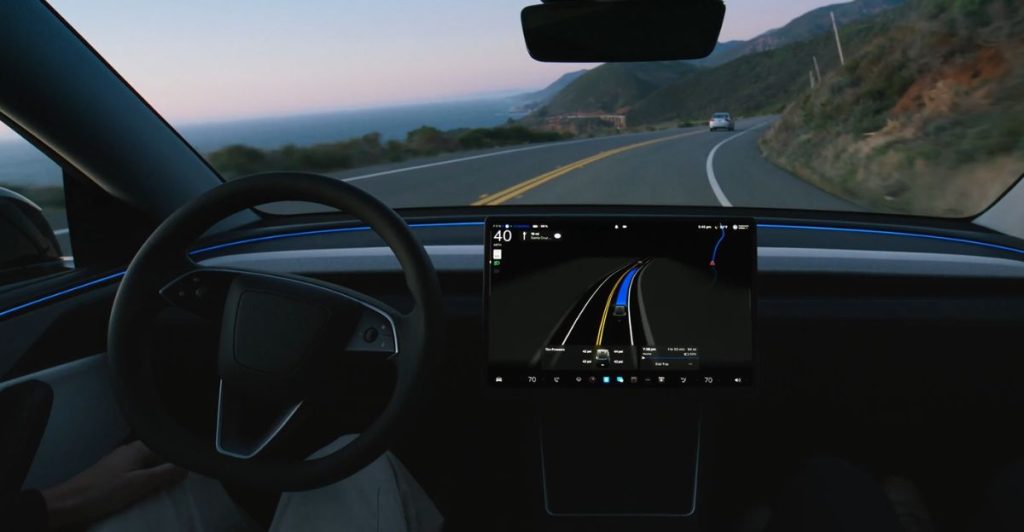
Tesla’s Autopilot support page has long stated that “Full Self-Driving (Supervised) requires active driver supervision and does not make the vehicle autonomous.” The disclaimer has appeared on company documentation for years. Yet the product name still implies a future where the vehicle handles everything alone. That contrast between branding and current capability has fueled debate among regulators, safety researchers, and customers. Drivers must remain attentive even when advanced features are active. The tension between aspiration and present reality became especially visible after a major federal safety action that reshaped the conversation around Tesla’s technology.
The Recall That Changed Oversight
On December 13, 2023 the National Highway Traffic Safety Administration announced a recall affecting more than 2 million Tesla vehicles equipped with Autopilot. The action addressed concerns about driver misuse and required software updates to strengthen monitoring and safety prompts. It became one of the largest recalls involving advanced driver assistance systems in United States history. Regulators concluded that additional safeguards were needed to ensure drivers stayed engaged while the technology operated. That recall established a precedent for federal oversight of driver assistance features. The ripple effects of that decision continue to influence Tesla’s policies today.
What Owners Actually Risk
Financial exposure varies widely depending on when someone bought Full Self-Driving. Owners who purchased during the $15,000 peak between 2022 and 2023 face the largest difference between what they paid and today’s subscription model. More recent buyers who paid $8,000 face a smaller gap. Still, the end of the transfer option means that investment generally does not follow them to their next Tesla vehicle. Buyers must either subscribe again or go without the feature. That reality changes how customers calculate the long term value of expensive software upgrades. Automakers across the industry are watching closely.
Why The Industry Is Watching
Tesla’s software strategy has always been closely watched by competing automakers. The shift toward subscriptions, combined with temporary transfer promotions, shows how vehicle features are increasingly managed through digital policies rather than permanent hardware purchases. If the model proves profitable, other manufacturers may expand similar subscription based services for driver assistance, connectivity, and performance upgrades. At the same time, regulators remain focused on how such technologies are marketed and used. The balance between innovation, safety oversight, and consumer expectations is still evolving. That uncertainty leaves many buyers wondering what comes next.
Policy Now Defines The Product
The evolving rules around Full Self-Driving illustrate a broader shift in how vehicles are sold. Software features can change through updates, pricing adjustments, or revised eligibility terms long after a car leaves the dealership. In practice, that means the policy framework often matters more than the original purchase receipt. Consumers who once focused on horsepower or trim packages must now read terms of service just as carefully. Tesla’s transfer promotion highlights how quickly those policies can shift. For drivers evaluating their next purchase, the key question is no longer just what the feature does today.
A New Reality For Car Buyers
Tesla will likely continue refining its strategy through future promotions, pricing experiments, and software updates. Subscription models offer flexibility for the company and lower upfront costs for buyers, but they also redefine what ownership means in the automotive world. The story surrounding Full Self-Driving shows how software features evolve under regulatory pressure, market competition, and company policy. Buyers now face a different landscape where digital upgrades may change over time. Understanding that reality may shape purchasing decisions far beyond Tesla. The biggest lesson may be simple: in modern vehicles, policy often matters as much as technology itself.
Sources:
Tesla Pulls Plug on One Time Purchases of FSD. Business Insider, February 15, 2026
Tesla FSD Transfer Deadline Tightened: Take Delivery by March 31. Basenor, February 27, 2026
Tesla recalls 2 million vehicles over Autopilot monitoring defect. NPR, December 13, 2023
Full Self-Driving (Supervised) Transfers. Tesla Support, accessed March 2026
Musk says Tesla is moving Full Self-Driving to a monthly subscription. CNBC, January 14, 2026
Tesla Recalls 2 Million Cars to Fix Autopilot Safety Flaws. Daily Maverick, December 13, 2023