Tesla Cuts 4,685 Austin Workers And Loses EV Crown To China—$15.4B In Brand Value Gone
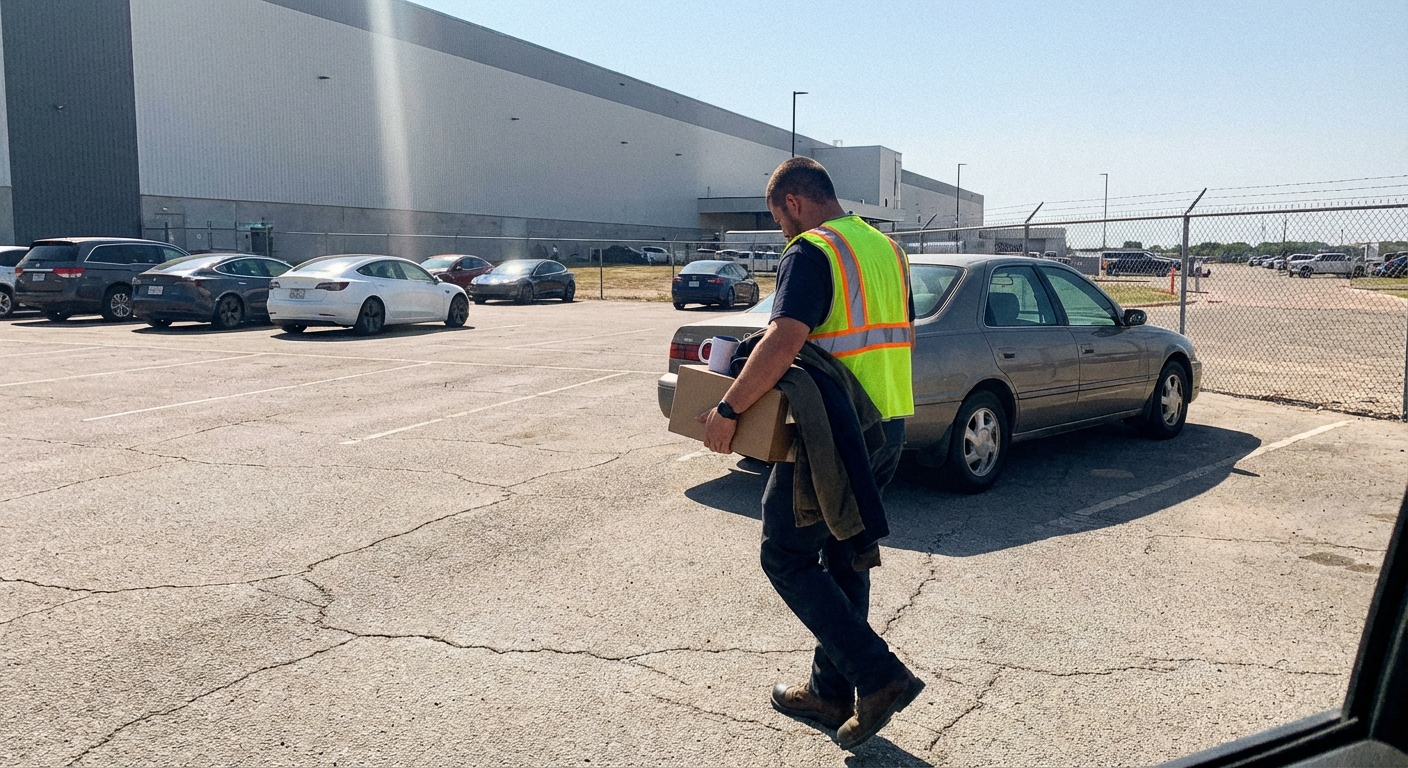
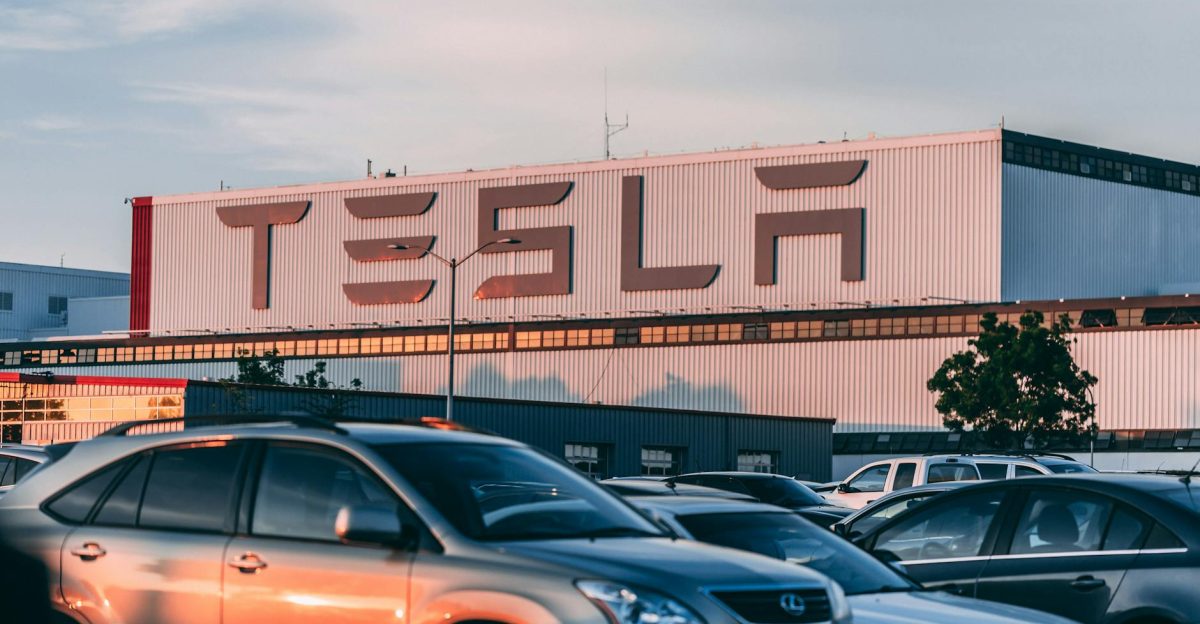
The factory at 1 Tesla Road in Austin, Texas, started 2025 with 21,191 workers. By December, 4,685 of them were gone. A 22% cut at a single facility, the largest single-facility workforce reduction in Tesla’s history, executed while the company poured $6.3 billion into the same property. Capital flowing in. Workers flowing out. Somewhere between those two facts sits a story about what Tesla is actually building now, and who gets left behind when a company decides its future runs on something other than human hands.
The Sales Collapse Nobody Predicted
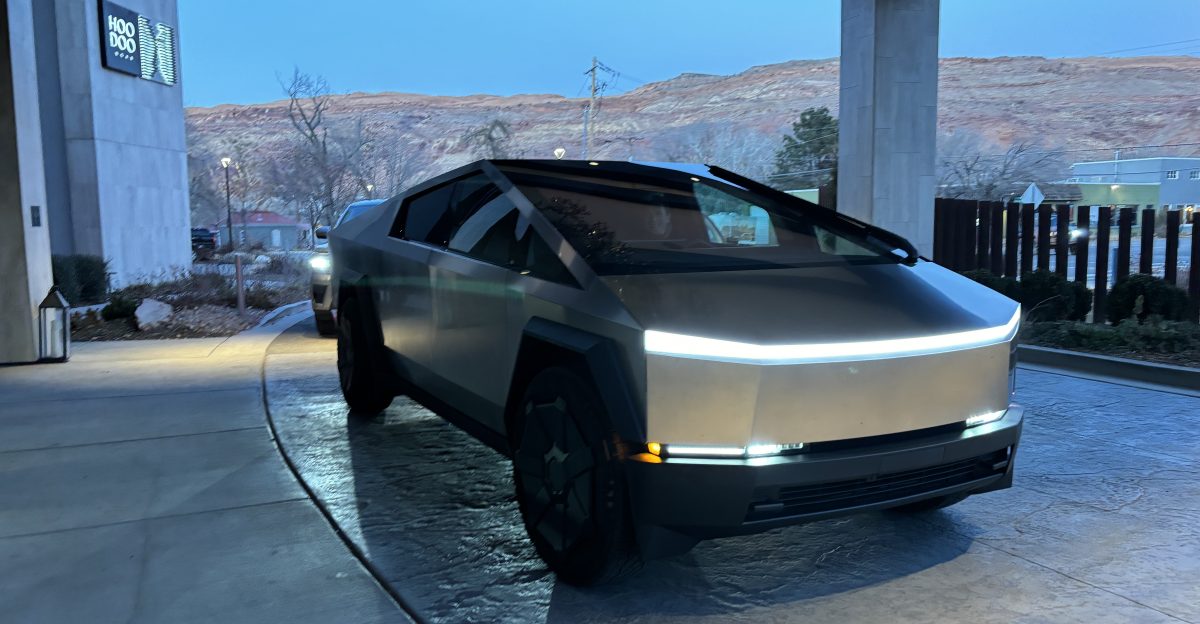
Global deliveries fell 9% in 2025, dropping from 1.79 million vehicles to 1.64 million. Q1 2025 hit 336,681 deliveries, the lowest quarterly total since the first half of 2022. That’s a full-circle reversal of a growth story Wall Street had treated as inevitable. The Cybertruck, marketed as indestructible, crashed 48% in sales, collapsing from 38,965 units to 20,237. Tesla issued 116,000 Cybertruck recalls in 2025 alone, averaging 318 vehicles recalled per day. The flagship product became the company’s most visible failure.
The Crown Changes Hands
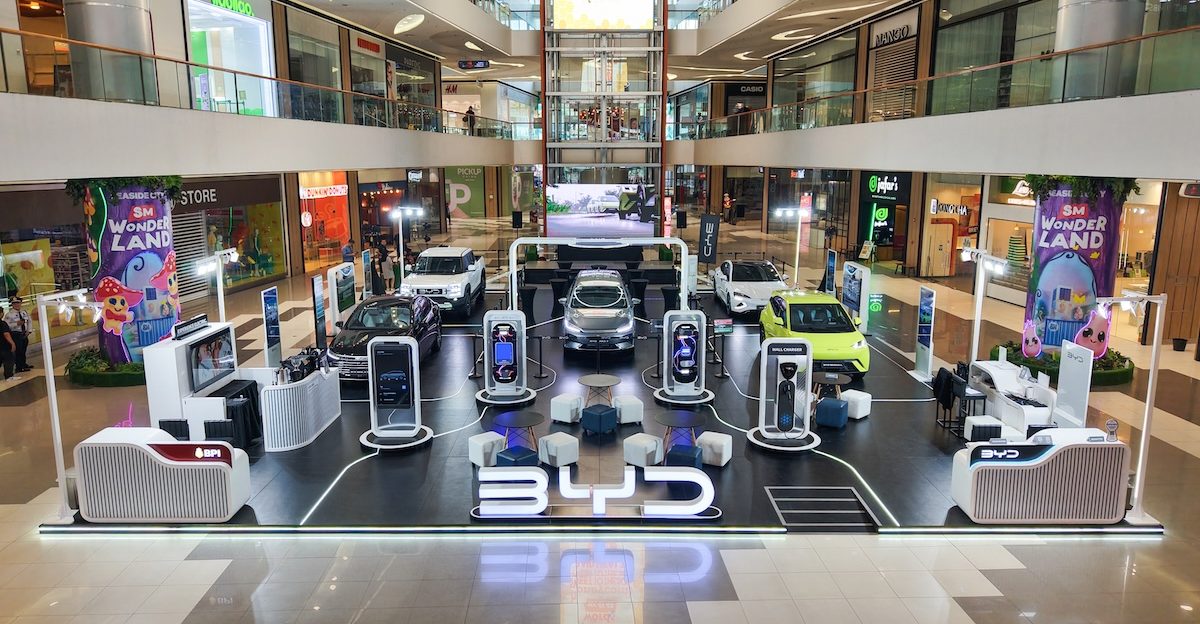
For the first time on an annual basis, Tesla lost the global EV sales crown. China’s BYD sold 2.26 million electric vehicles in 2025, capturing 12.1% of the global EV market. Tesla held 8.8%. Most Americans assumed Tesla’s dominance was permanent, a birthright of being first. BYD achieved 28% year-over-year sales growth while Tesla declined 9%. That gap accelerated throughout 2025. German sales fell 62% comparing February 2024 to February 2026 on a month-on-month basis, despite Giga Berlin operating locally. The damage crossed oceans, and it followed one man.
The Price of Politics
Yale researchers put a number on it. Kenneth Gillingham, Senior Associate Dean at the Yale School of Environment, examined U.S. county-level sales data and found that “without the Musk partisan effect, Tesla vehicle sales between October 2022 and April 2025 would have been higher by an amount in the range of 67% and 83%, equivalent to between 1 and 1.26 million vehicles.” Austin’s 22% facility cut came even as Tesla’s overall global headcount grew in 2025, suggesting the Austin reduction tracked regional demand destruction rather than a company-wide efficiency drive. The regions most hostile to Musk’s politics absorbed the deepest cuts. That’s not streamlining. That’s collateral damage with a zip code.
A Billion-Dollar Bet on Robots
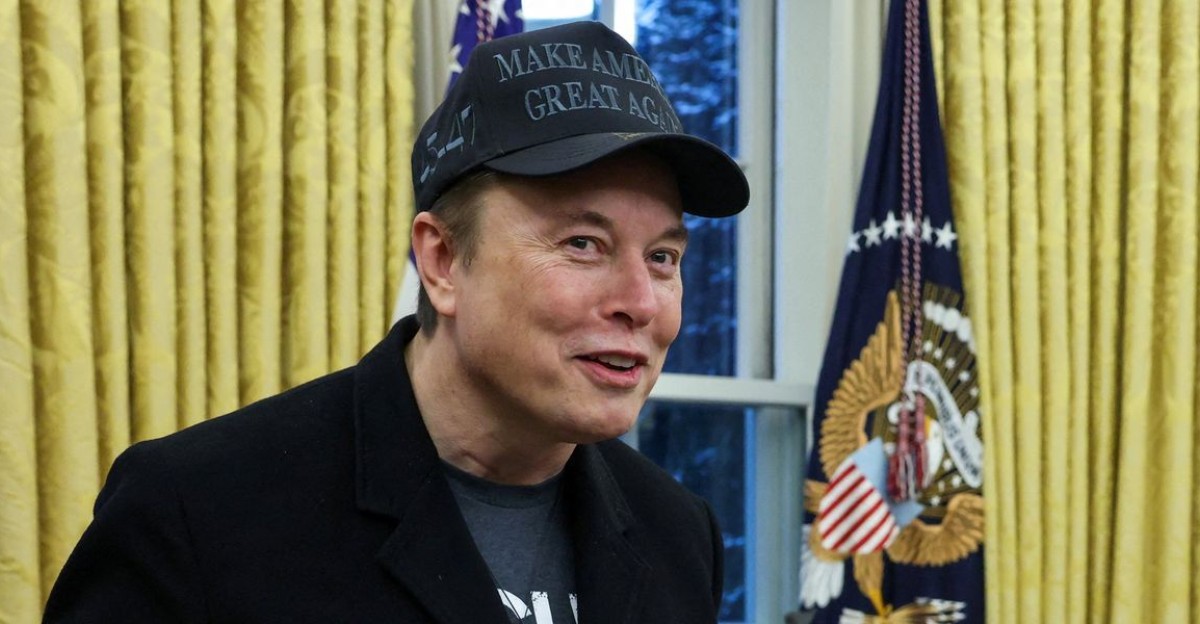
In January 2025, Musk took the DOGE leadership role. Nine months later, in September 2025, Tesla’s board approved a compensation package requiring the company’s market cap to reach $8.5 trillion, roughly an eightfold increase from approximately $1 trillion. Austin investment surged to $6.3 billion while headcount fell 22%. That inverse relationship tells the whole story. Money went into Optimus robot production lines and chip fabrication. Workers walked out with severance. The factory is being rebuilt for machines, and the compensation structure only pays off if those machines replace the humans who just left.
Brand Destruction by the Numbers
Tesla’s brand value fell 36% in 2025, erasing $15.4 billion in a single year. Third consecutive annual decline. The U.S. recommendation score dropped from 8.2 out of 10 in 2023 to 4.0 out of 10 in 2025. Americans halved their willingness to recommend Tesla to friends and family in two years. Stock prices bounce. Brand reputation takes years to rebuild. China’s first annual sales decline for Tesla, down 6%, confirmed the damage wasn’t limited to Western political polarization. The cool factor didn’t just fade. It evaporated globally.
Travis County Holds the Leverage
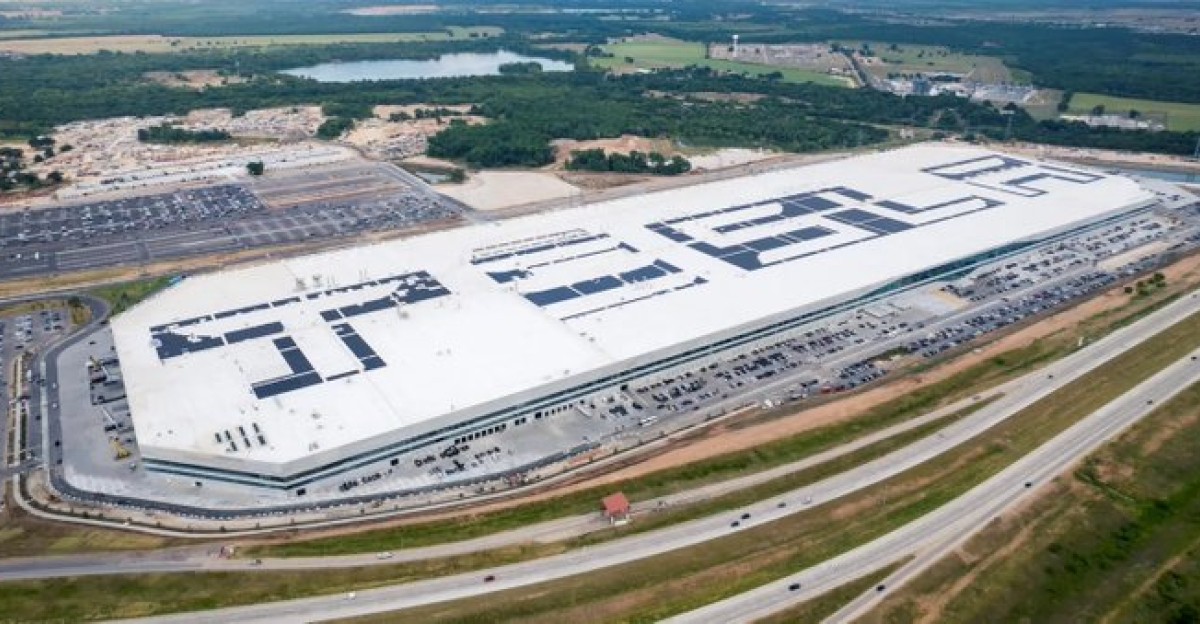
Tesla’s economic development agreement with Travis County ties employment levels to government incentive payouts. The county has withheld approximately $14 million in annual property tax rebates pending contract compliance verification. That’s a clawback threat with teeth. If Austin’s headcount keeps falling, other states watching this dispute gain a template: demand worker-count verification, not just capital expenditure promises. Giga Berlin already cut 1,700 workers, a 14% reduction, running at just 40% capacity. The Austin pattern is replicating across continents, and local governments are taking notes.
The Regulatory Guillotine
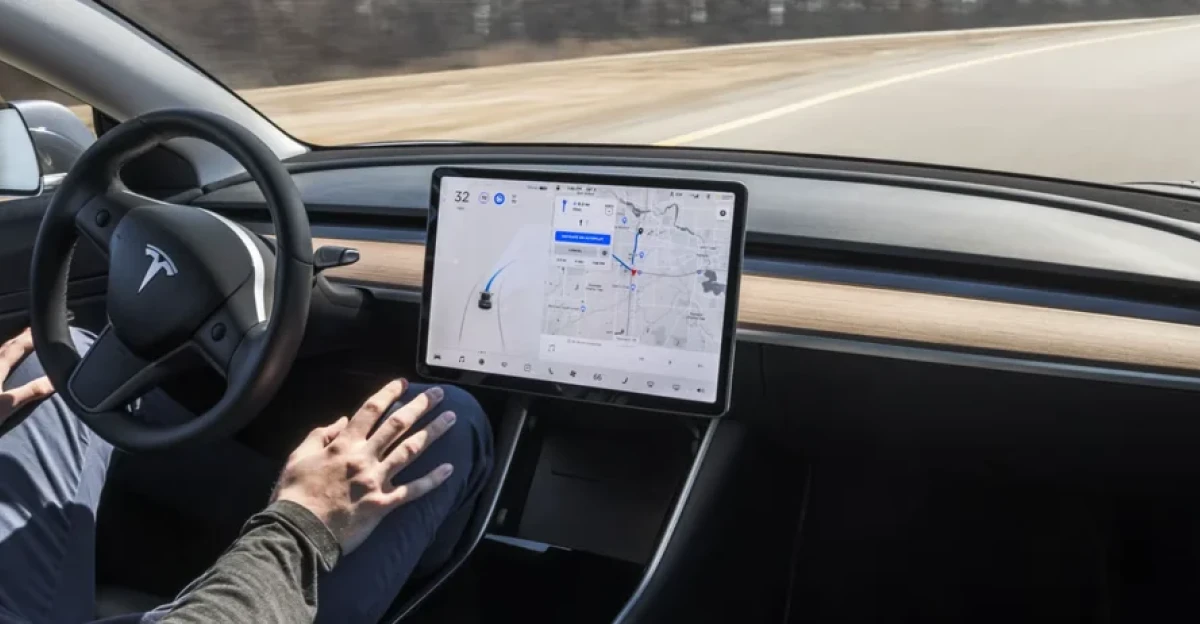
California’s DMV found Tesla in violation for misleading “Autopilot” marketing and forced the company to remove the term to avoid a 30-day license suspension. NHTSA opened an investigation into Full Self-Driving red-light violations affecting approximately 2.88 million vehicles, the largest autonomous driving safety probe ever opened. Once you see the pattern, every data point connects: brand collapse tracks political liability, job cuts track regional demand destruction, and the $1 trillion compensation package bets everything on autonomous technology that regulators now actively challenge. The company’s future depends on technology its own government says it misrepresented.
Who Loses Next
Suppliers who staffed up to meet Tesla’s growth promises now face volume reductions. Austin’s service economy, restaurants, housing, logistics, built around 21,000-plus Tesla workers, absorbs the shock of 4,685 departures. Q1 2026 deliveries fell approximately 14% sequentially from Q4 2025’s 418,227 units, though they marked a 6.3% year-over-year improvement from Q1 2025. If the NHTSA investigation triggers a recall of 2.88 million vehicles, engineering costs and brand damage compound simultaneously. Shareholders who bought the $1 trillion compensation narrative face repricing if Optimus and Cybercab miss their timelines. The dominoes haven’t finished falling.
The Factory With No Workers
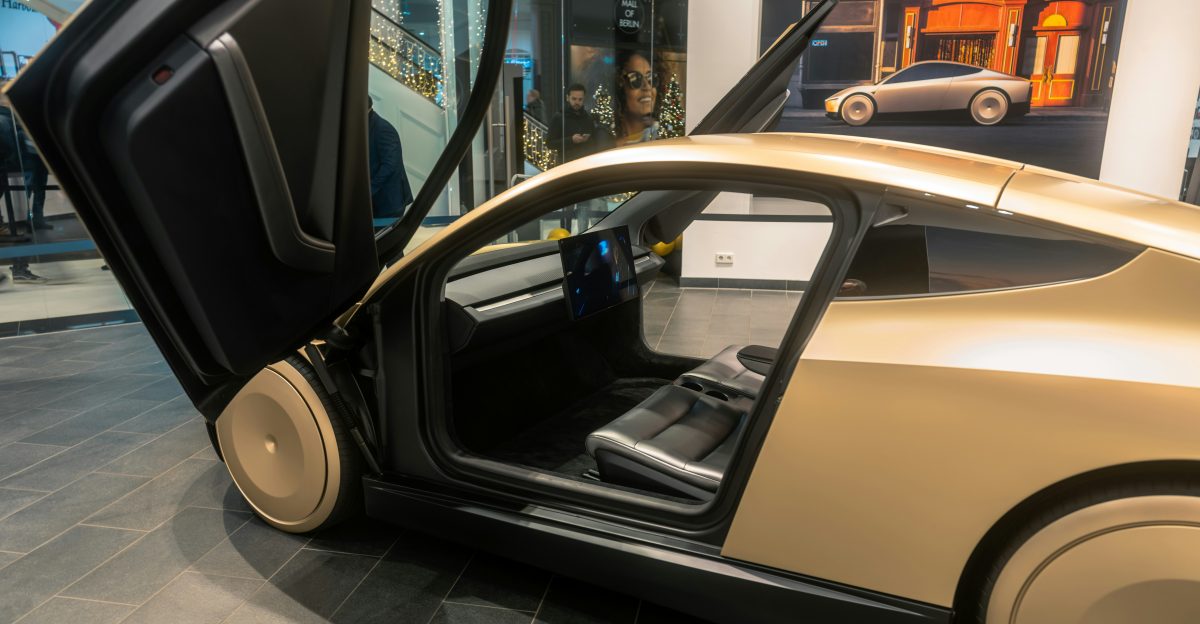
Tesla will likely announce new Austin expansion plans to reset the news cycle and accelerate Cybercab timelines to rebuild credibility. The average remaining Austin worker earns $41.53 per hour. The minimum full-time annual compensation sits at $47,147. Those numbers look stable until you realize Optimus production lines now occupy the same facility where severance paperwork just cleared. Most people still think these layoffs were about efficiency. They were about a CEO whose politics cost over a million vehicle sales, and a board that decided robots were cheaper than rebuilding trust.
Headline:
“Tesla First Quarter 2025 Production, Deliveries & Deployments.” Tesla Investor Relations, 2 Apr. 2025.
“Tesla’s Texas Factory Workforce Reportedly Shrunk 22% in 2025.” TechCrunch, 3 Apr. 2026.
“Elon Musk’s Partisan Political Activities Resulted in Over 1 Million Fewer Tesla Sales.” Yale School of the Environment, 30 Oct. 2025.
“US Probes Driver Assistance Software in 2.9 Million Tesla Vehicles Over Traffic Violations.” Reuters, 9 Oct. 2025.