Tesla Clears 2.26M Vehicles—But FSD Bug Hid for 7 Months Before NHTSA Report
On March 20, 2026, Tesla’s legal team exhaled. NHTSA formally rejected a petition to recall 2.26 million vehicles over one-pedal driving, finding the cars “responded appropriately to driver inputs.” A Greece-based accident investigator had filed the complaint three years earlier, claiming regenerative braking caused unintended acceleration. The agency’s Office of Defects Investigation found only a tiny number of incidents even potentially related to the claim. For Tesla, it looked like a clean regulatory win. The celebration lasted about six hours.
Same Day
That same afternoon, NHTSA escalated a separate investigation into Tesla’s Full Self-Driving visibility system to Engineering Analysis, the final investigative stage before a potential mandatory recall. This probe covers approximately 3.2 million vehicles. Nine documented incidents. One confirmed fatality. One injury. The agency found FSD’s degradation detection system often failed to recognize when cameras lost visibility in rain, glare, and dust, conditions every American driver encounters regularly. Tesla dodged a 2.26 million-vehicle recall and walked straight into a 3.2 million-vehicle investigation.
Blind Spots
Tesla markets FSD as achieving roughly 5 million miles between major crashes versus a 699,000-mile national average. Those numbers come from Tesla’s own internal calculations. NHTSA’s investigation tells a different story: the system “did not detect common roadway conditions that impaired camera visibility and/or provide alerts when camera performance had deteriorated until immediately before the crash occurred.” In the crashes reviewed, FSD either lost track of or never detected lead vehicles directly in its path. A system sold as seven times safer than you is one that, in NHTSA’s account, could not reliably see through a rainstorm.
Seven Months
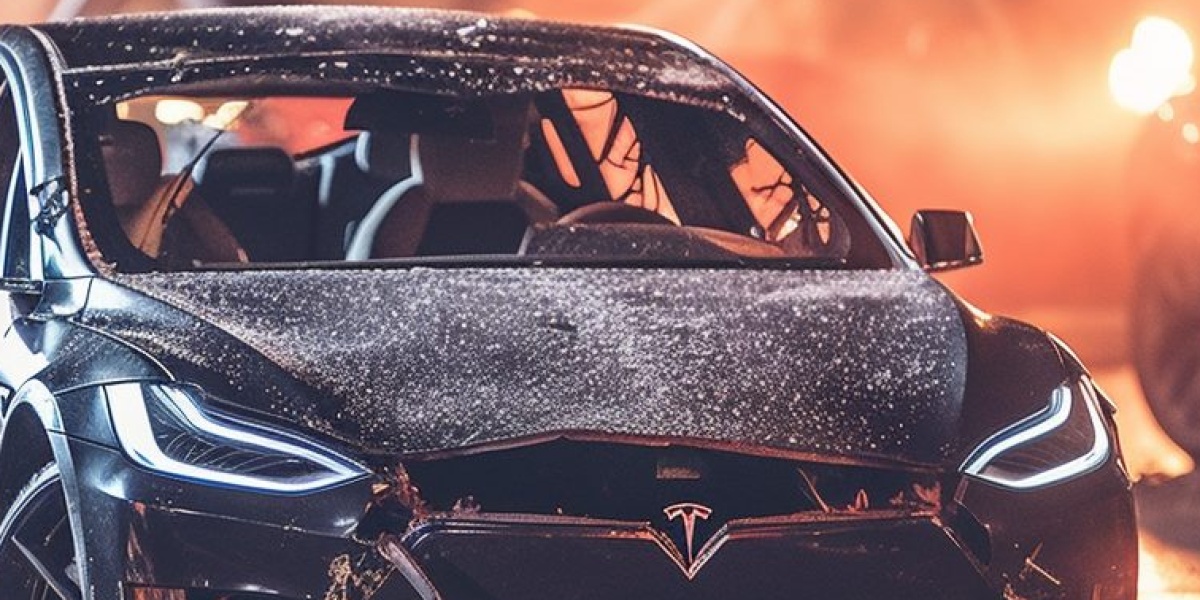
A fatal FSD crash occurred on November 28, 2023. Tesla submitted the required Standing General Order report on June 27, 2024. Seven months of silence. Then, on June 28, Tesla began developing a fix for the degradation detection system. One day after filing the paperwork. The SGO documented a single crash. It did not flag the degradation detection system as a systemic defect across the fleet. Since June 2024, Tesla has been developing a fix for that flaw without voluntarily characterizing it to NHTSA as a formal safety defect — the agency identified the broader pattern through its own investigation. The sequence is damning: Tesla waited seven months to notify regulators about the fatal crash and only then started engineering a solution. During those seven months, 3.2 million Teslas ran the same flawed software without a single warning to owners.
Partial Fix
Tesla’s own analysis of its updated degradation detection system admitted the fix would have addressed only three of the nine documented crashes. Three out of nine. That means even after the company identified the problem and built a patch, six crashes would have played out identically. This is the architectural trap of camera-only autonomous driving: when the cameras fail, no backup sensor exists. Tesla removed radar from its vehicles in 2021, betting that software could compensate. NHTSA is now stress-testing that bet across 3.2 million cars.
Crossing Guards
On March 8, 2026, a viral video showed a Tesla Model 3 on FSD driving through lowered railroad crossing barriers at 23 mph in West Covina, California. The system never detected the barriers. NBC News documented dozens of reports of FSD mishaps at railroad crossings on social media. NHTSA is separately investigating more than 50 FSD traffic violations involving red lights, opposing traffic lanes, and railroad failures. A lowered crossing gate is one of the most standardized visual signals on American roads. FSD drove straight through it.
Trapped
The visibility probe is not Tesla’s only open wound. NHTSA opened an investigation into approximately 180,000 Model 3 vehicles over emergency door handle accessibility. Multiple cases documented parents unable to extract children from back seats after low battery voltage. A Bloomberg investigation found more than a dozen deaths over the past decade where occupants could not open Tesla doors following crashes. Samuel Tremblett, 20, died in a burning Model Y in October 2025. His 911 call included the words: “I can’t get out, please help me. It’s on fire. I am going to die.”
Acknowledged
Tesla’s own design chief, Franz von Holzhausen, said in September 2025 that combining the electronic and manual door releases “makes a lot of sense” and “that’s something that we’re working on.” Six months later, NHTSA opened the door handle investigation. The design remained unchanged. Three concurrent federal investigations now target Tesla systems simultaneously, an unprecedented level of scrutiny for a single automaker’s driver-assistance technology. This is no longer about isolated incidents. NHTSA is building a pattern case across visibility, traffic violations, and physical entrapment.
The Clock
Engineering Analysis typically runs around 18 months, placing a potential recall decision sometime in 2027. The GM Bolt EV recall cost approximately $1.8 billion to address battery fires in 142,000 vehicles. Tesla’s FSD probe covers 3.2 million vehicles. If NHTSA finds a defect and mandates a recall, the cost could reach $2 to $3 billion, based on that precedent. Every month the investigation runs, millions of Teslas log more miles on the same degradation-detection system that, in documented crashes, failed to detect a lead vehicle in a dust storm.
Running Room
Tesla’s likely playbook: push over-the-air software updates, accumulate billions more FSD miles to argue statistical rarity, and lobby for testing standards that favor camera-only architecture. The company has done this before. But the regulatory math has shifted. Three open investigations. One confirmed death in a visibility crash. More than a dozen alleged deaths from door entrapment. A design chief acknowledged the flaw on a podcast and kept shipping the same car. The company that built its valuation on autonomous driving now needs regulators to move slowly enough to outrun the evidence.
Sources:
“Tesla is one step away from having to recall FSD in NHTSA visibility investigation (EA26002).” Electrek, 18 Mar 2026.
“UPDATE 1 – US auto safety regulator closes defect petition on over 2 million Tesla vehicles.” Reuters, 20 Mar 2026.
“NHTSA opens probe into Tesla emergency door releases in Model 3.” Electrek, 23 Dec 2025.
“NHTSA Investigating Tesla Model 3 Door Emergency Releases; Bloomberg finds 15 deaths linked to door entrapment.” Forbes, 24 Dec 2025.