
Target and Walmart Warn $7 San Diego Diesel Drives Up Trucking Bills And Prices
The pump clicked off at $7.018, and you did the math before the receipt printed. Same truck, same tank, same run down the I-8 you’ve made a hundred times, and the fill-up just cost $300 more than it did three weeks ago. That number isn’t a surcharge or a tax line. It’s the price, confirmed by AAA as a new all-time California diesel record, edging past the $7.012 set in June 2022 during the aftermath of Russia’s invasion of Ukraine.
By late March, California had already pushed past $7.17 per gallon. The conditions driving it — a gutted refinery network, a war-locked shipping lane, and a seasonal price driver arriving April 1 — aren’t clearing anytime soon.
Every Walmart and Target Shelf Has a Diesel Bill Behind It

Roughly 70 percent of U.S. freight moves by truck, and commercial trucking consumes over 35 billion gallons of diesel annually. That number sits behind every pallet that arrives at a Walmart or Target distribution center. “A good portion of the food supply and most everything you see in a Walmart or a Target or other type of store is transported by truck,” said Bruce Bullock, director of the Maguire Energy Institute at Southern Methodist University.
“Everything you purchase will also be more expensive because the fuel surcharge will be incorporated into the overall cost of goods,” said Royal Jones, president and CEO of Mesilla Valley Transportation, which operates 1,600 trucks. The cost always lands somewhere. Right now, it’s loading onto the shelf price.
The Freight Math Stopped Working
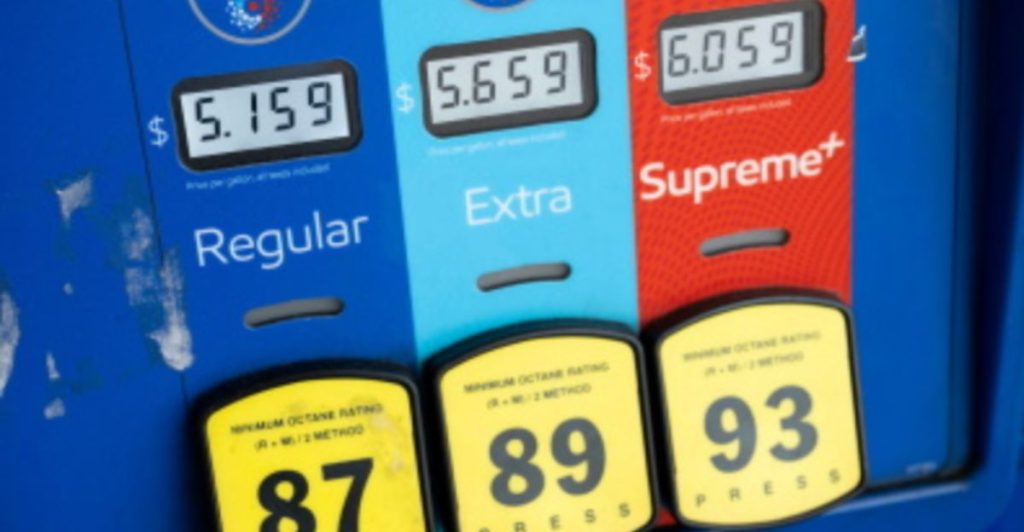
You didn’t change anything, same route, same rig, same broker, but somewhere in the last three weeks, the fuel log stopped reconciling with the rate sheet. National diesel hit $5.04 per gallon by mid-March, up from $3.65 just before the Iran conflict erupted in late February, a 38 percent jump that outpaced regular unleaded by eight full percentage points. When diesel separates from gasoline that sharply, the problem isn’t at the pump; it’s in every loaded trailer and overnight haul behind it.
“When fuel costs go up, that automatically gets passed through to whoever is paying for the shipment,” said Bruce Bullock of SMU’s Maguire Energy Institute. Independent truckers are already feeling the floor fall out from under them. “If prices don’t decrease, we won’t see any profits. It could lead to closing my business,” Heather Griffith, a California-based independent trucker, told the Washington Post. The rate locked in six weeks ago no longer covers the run.
California Built This Trap Itself
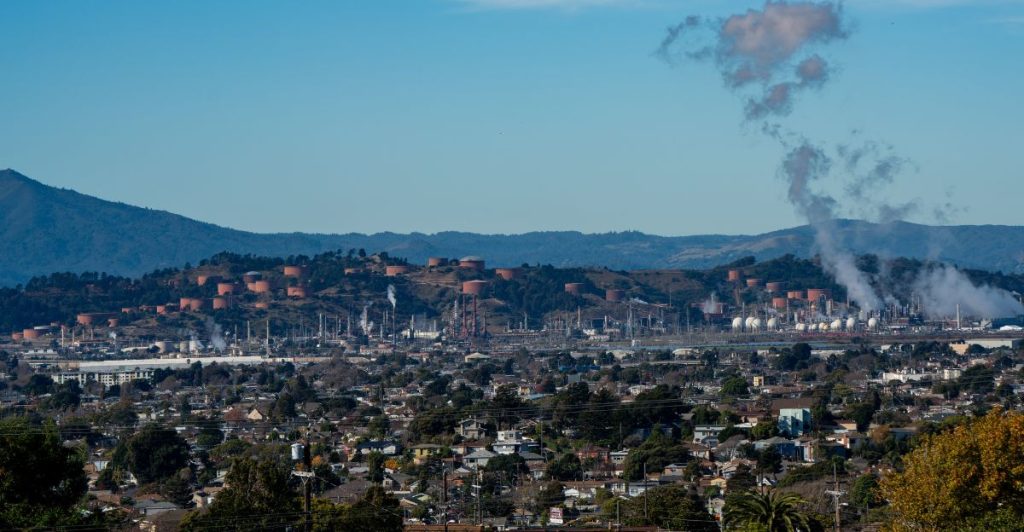
California’s refinery problem didn’t arrive overnight; it was filed in public documents, announced at investor calls, and ignored until the bill came due. Phillips 66 shut its Wilmington refinery in the Los Angeles area, taking 139,000 barrels per day offline. Valero is closing its Benicia refinery in the Bay Area by the end of April 2026, removing another 145,000 barrels per day — 17 percent of California’s total refining capacity and 11 percent of the entire West Coast supply chain — gone in one calendar year. Both closures were in public filings for months.
The state made refinery operations economically unviable through layered mandates and permitting friction until operators walked, and now every driver, shipper, and small business owner is living with the bill. Benicia hasn’t closed yet. Whatever $7 diesel feels like today will get worse in the weeks ahead.
A 21-Mile Chokepoint Changed the Price of Everything
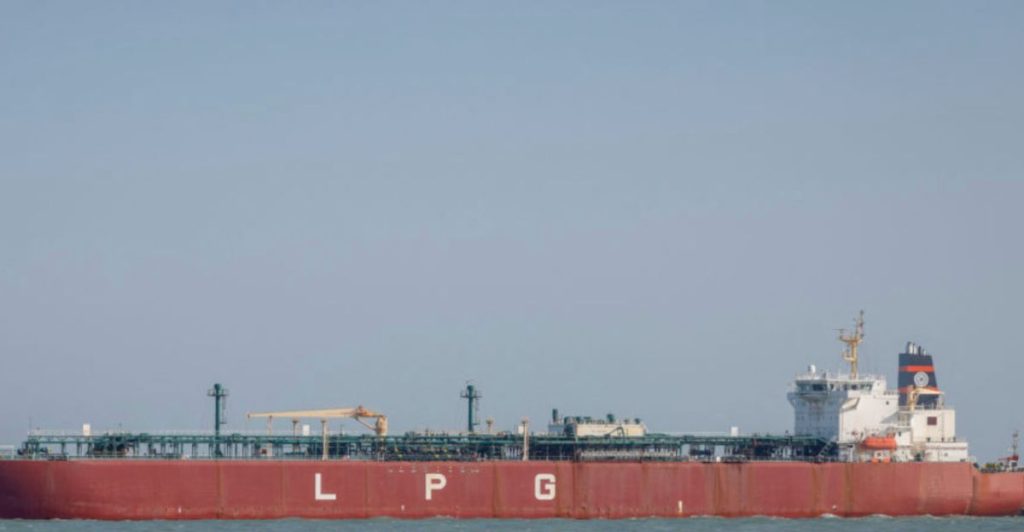
Twenty million barrels of oil — roughly 20 percent of global supply — move through the Strait of Hormuz every day. When US-Israeli strikes hit Iran in late February 2026, and Iran retaliated against energy infrastructure across the Gulf region, that chokepoint effectively closed, and the International Energy Agency said what it had never said before: this is “the largest supply disruption in the history of the global oil market.”
Brent crude was sitting near $68 a barrel before the first strike, surged past $100, and climbed toward $120 at peak disruption, and since every dollar per barrel in crude translates to roughly 2.5 cents at the pump, that spike is already baked into the price you paid this week, stacked directly on top of California’s refinery deficit.
The Government Told You It Would Cost $3.50
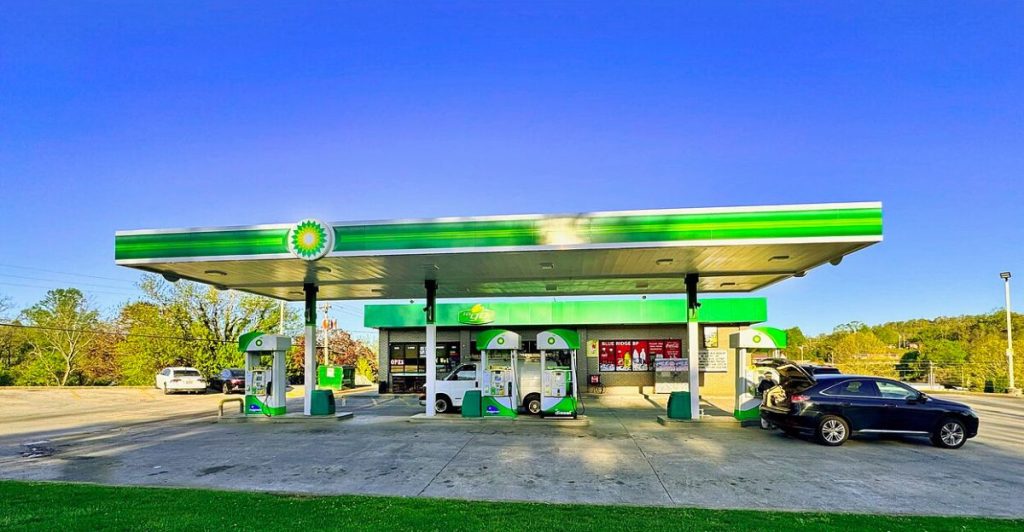
The Energy Information Administration opened 2026 forecasting diesel at $3.50 per gallon, with geopolitical risk buried as a footnote. When the Iran war broke out, the EIA issued an emergency revision on March 9, raising its 2026 diesel forecast to $4.12 per gallon, a 20 percent correction presented as a routine update. California crossed $7 within two weeks. The agency couldn’t get within three dollars of reality even after the panic revision, not because the data was hidden, but because California’s refinery closures and the Iran risk were modeled as separate footnotes rather than one compounding catastrophe.
Researchers at UVA’s Darden School of Business confirmed in a March 27, 2026, analysis that fuel shortages and freight surcharges have created cascading cost increases across consumer goods categories. You’re filling the tank on the distance between what the government forecast and what actually happened.
Larry Fink Laid Out Two Scenarios. Neither Is Comfortable
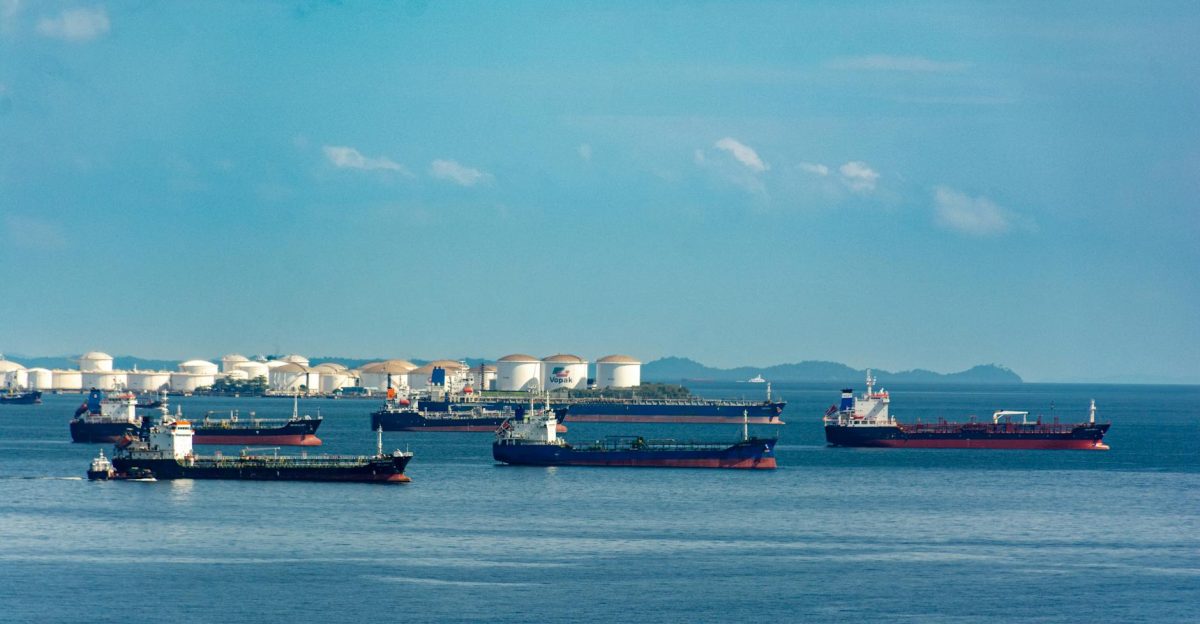
BlackRock CEO Larry Fink, who manages $14 trillion in assets, sat down with BBC Business Editor Simon Jack on March 25, 2026, and walked through exactly where this ends. Asked directly what would happen if oil stayed elevated, Fink didn’t hedge. “If there’s a cessation of war and yet Iran remains a threat — a threat to trade, a threat to the Strait of Hormuz — then I would argue we could have years of above $100, closer to $150 oil,” he said.
On what $150 oil does to the economy: “We’ll have global recession.” The other scenario, war ends, Iran stands down, crude retreats, requires a clean resolution of the Hormuz situation that hasn’t yet been signaled. Two scenarios, both extreme, nothing in between. The diesel price you paid this morning is already deep inside Scenario One.
Airlines Moved First. Trucking Is Loading the Same Playbook
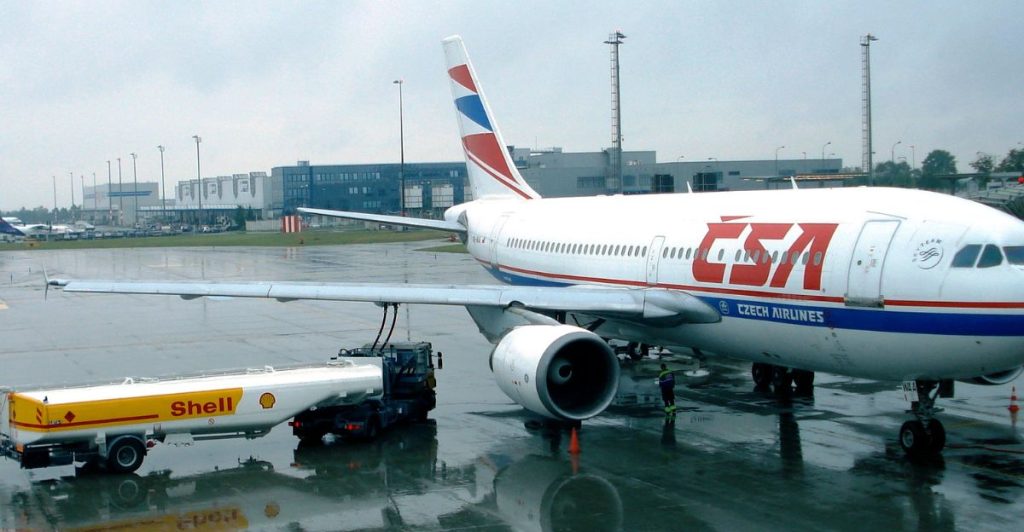
Aviation and trucking run on the same upstream shock with different reaction speeds, and aviation has already shown how this plays out. Jet fuel surged to $197 per barrel, according to IATA data, more than double the $95.50 recorded just one month prior. Air New Zealand canceled 1,100 flights, affecting over 44,000 passengers. Cathay Pacific raised fuel surcharges 34 percent for all tickets booked from April 1, on top of a near-doubling it had already applied in mid-March. Airlines move fast because they have to.
Trucking operators absorb first, then raise rates, cut marginal routes, and park rigs that won’t pencil out. That absorption phase is running right now on every Southwest corridor. The rate increases are already loading.
80 Percent. Let That Number Breathe

Eight out of ten small business owners say energy costs are significantly impacting operations right now, not monitoring a trend, but making decisions today because of it. Fifty-eight percent are taking the hit through lower profits. Fifty-two percent are raising prices. Those numbers overlap, meaning a substantial share are doing both at once: compressing margin while still passing costs to customers who are themselves getting squeezed.
Philadelphia Fed data from Q1 2026 shows firms already planned 3.1 percent price increases over the next four quarters, before late-March diesel peaked. Carlos Aguilar, an economics professor at El Paso Community College, put a household number on it: a 10 percent increase in food prices by April, roughly $600 more per year for a family of four. That isn’t a projection. That’s the next grocery receipt.
April Doesn’t Negotiate

Summer blend gasoline switches on April 1, automatic, regulatory, non-negotiable — adding 20 to 25 cents per gallon on top of whatever the market has already done. Farmers are in the field right now locking in fuel costs for the entire 2026 growing season with no ability to renegotiate later. The U.S. Postal Service announced an 8 percent postage rate increase effective April 26, running through January 2027, because the truck that moves your mail has a diesel tank.
Nationwide’s chief economist has warned that the conflict’s effect on energy prices is likely to push consumer price inflation to 3.5 percent by April, up from the current 2.4 percent. The calendar doesn’t care about the circumstances. It just turns.
The Next Run
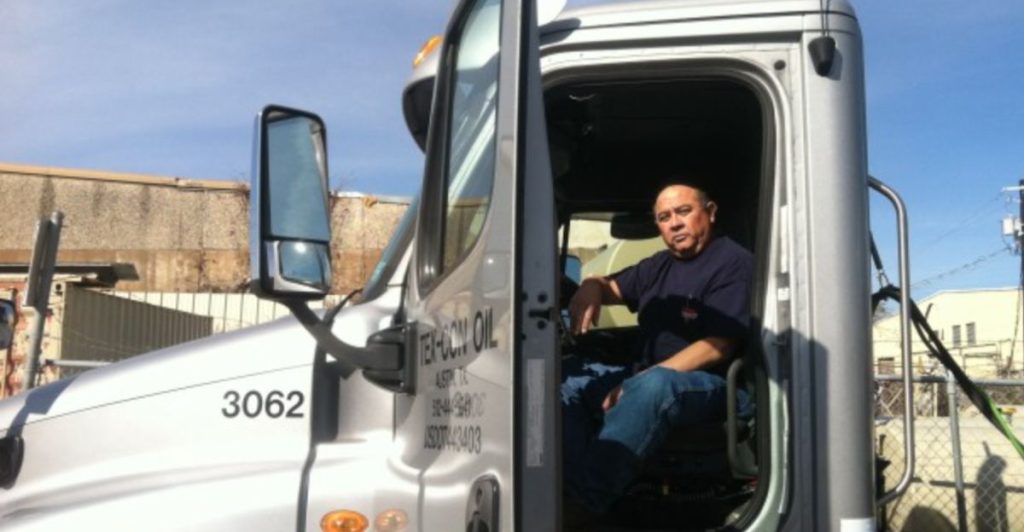
You pull out of that station and make the run because the load is booked, and parking the truck today means a harder conversation tomorrow. But somewhere between this run and the fifth one, when the fuel log won’t close, and the broker offers the same rate, and you do the math before you answer — the decision gets made quietly. A route dropped. A load is unbooked. A margin that was thin before $7 diesel becomes a margin that doesn’t exist, and the shelf at Walmart or Target on the far end of that route goes a little harder to stock.
“The individuals truly feeling the pressure are the smaller carriers that lack the ability to negotiate better rates,” Dean Croke, principal analyst at freight analytics firm DAT, told Reuters. The pump at $7 was the first number. It’s still counting.
Sources
AAA Fuel Gauge Report — American Automobile Association
IEA Oil Market Report, March 2026 — International Energy Agency
EIA Short-Term Energy Outlook, March 9, 2026 — U.S. Energy Information Administration
BlackRock CEO Larry Fink: BBC Big Boss Interview, March 25, 2026 — BBC Business
Rising Diesel Prices Threaten to Push Up Costs Across Texas — CBS News Texas
Spiking US Diesel Prices Keep Trucking Industry Stuck in Years-Long Slump — Reuters