Subprime Auto Lending Hits Highest Crisis-Era Levels—Average Car Now Costs 37 Weeks of Income
The average new car in America now costs $50,080. That crossed the $50,000 threshold for the first time in automotive history last September, and it hasn’t come back down. To put that in terms that actually sting: the median American household needs about 37 weeks of income to cover that sticker price, based on Cox Automotive’s 37.4‑weeks affordability reading. Nearly three‑quarters of a year’s earnings for one vehicle. New‑vehicle sales are forecast to drop 2.4% in 2026, falling to 15.8 million units. The decline everyone expected is here. Where it leads is the part nobody’s tracking.
Designed Unaffordability
This pricing crisis didn’t happen by accident. Automakers have systematically reduced the number of vehicles under $20,000 and pushed most nameplates above that line. The entire truly entry‑level segment is effectively disappearing. OEMs shifted their portfolios upmarket toward SUVs, trucks, and luxury trims because the margins are fatter. The average manufacturer suggested retail price hit a record $52,183. Cars now represent just 17% of the market, down from over 40% historically. The industry didn’t lose affordable vehicles. It chose to stop making most of them. And that choice created a chain reaction reaching far beyond the showroom floor.
Kitchen Table Math

The monthly payment on the average new vehicle now runs in the mid‑$700s, around $750 to $770 depending on the source, on loans that commonly stretch 73 to 84 months for a depreciating asset. A large share of all auto loans now extends past six years. Meanwhile, the average used vehicle lists in the mid‑$20,000s, roughly $26,000, creating a gap of around $24,000 between new and used. For a family doing the math at the kitchen table, the answer writes itself. That gap is pushing millions of buyers out of new‑car showrooms entirely. The dealerships absorbing that exodus are the next domino.
Dealer Drowning
As of early 2026, hundreds of thousands of unsold new vehicles sat on dealer lots between the 2024 and 2025 model years. That inventory is aging, depreciating, and bleeding floor‑plan interest every single day. Dealers face heavy markdowns, often in the $5,000 to $15,000 range per unit, just to move metal. Tax refund season became a do‑or‑die liquidation window. Fleet sales are expected to drop 6.1% this year, the sharpest annual contraction in the current cycle. Smaller, single‑store family dealerships are staring at franchise termination notices. The squeeze on dealers is brutal enough. The squeeze on factories is worse.
Factory Shutdown
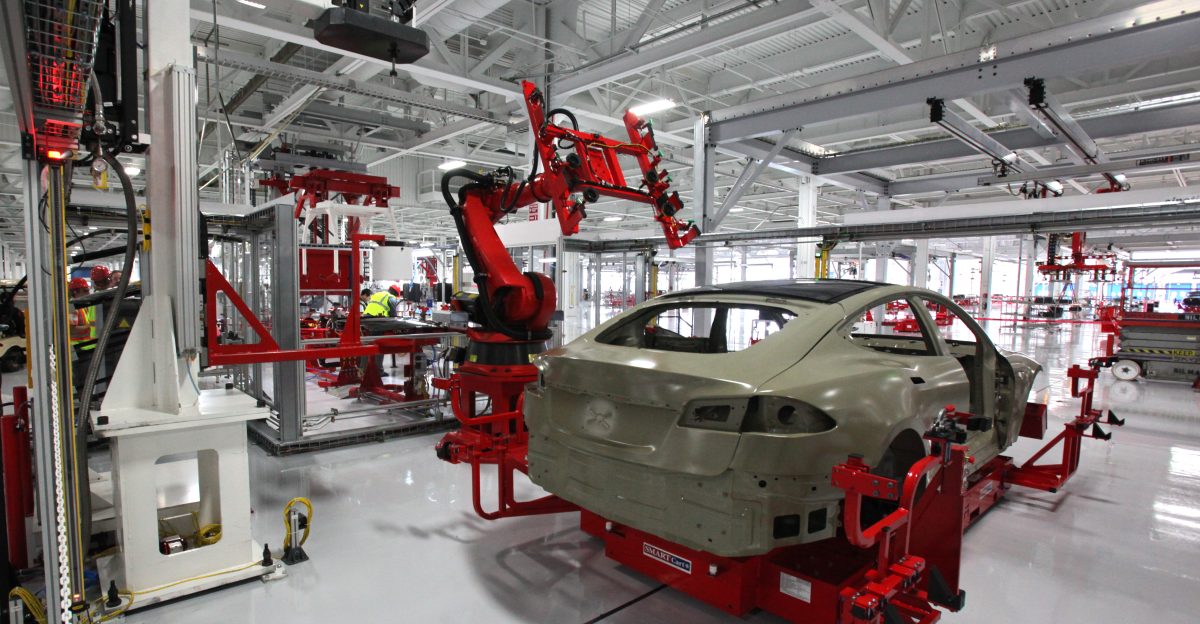
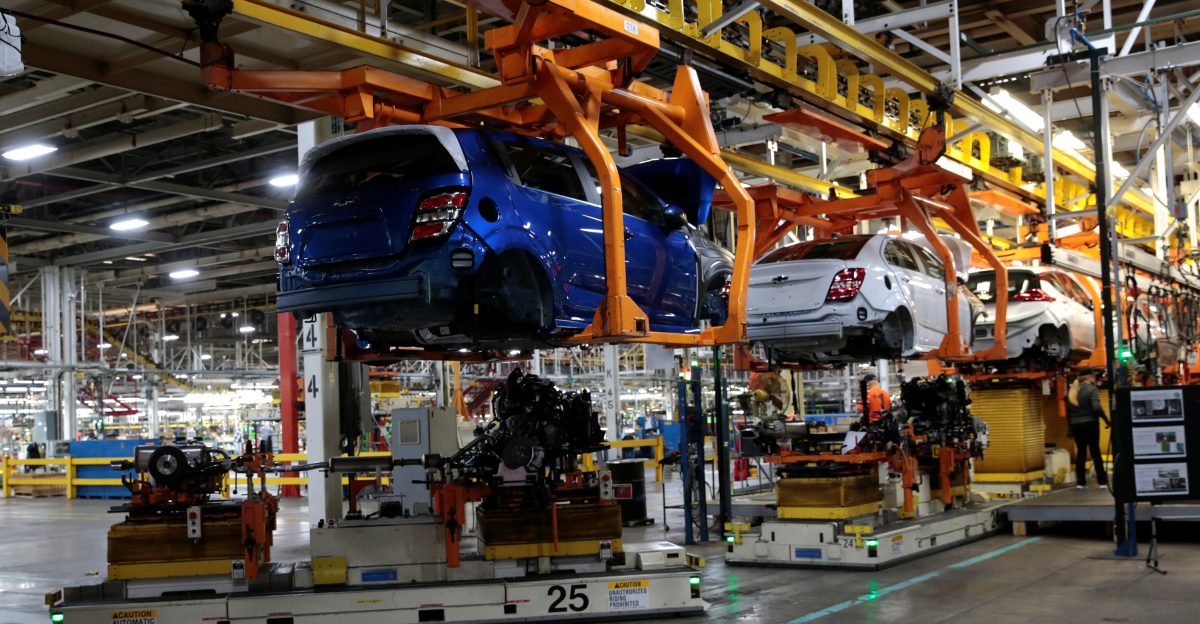
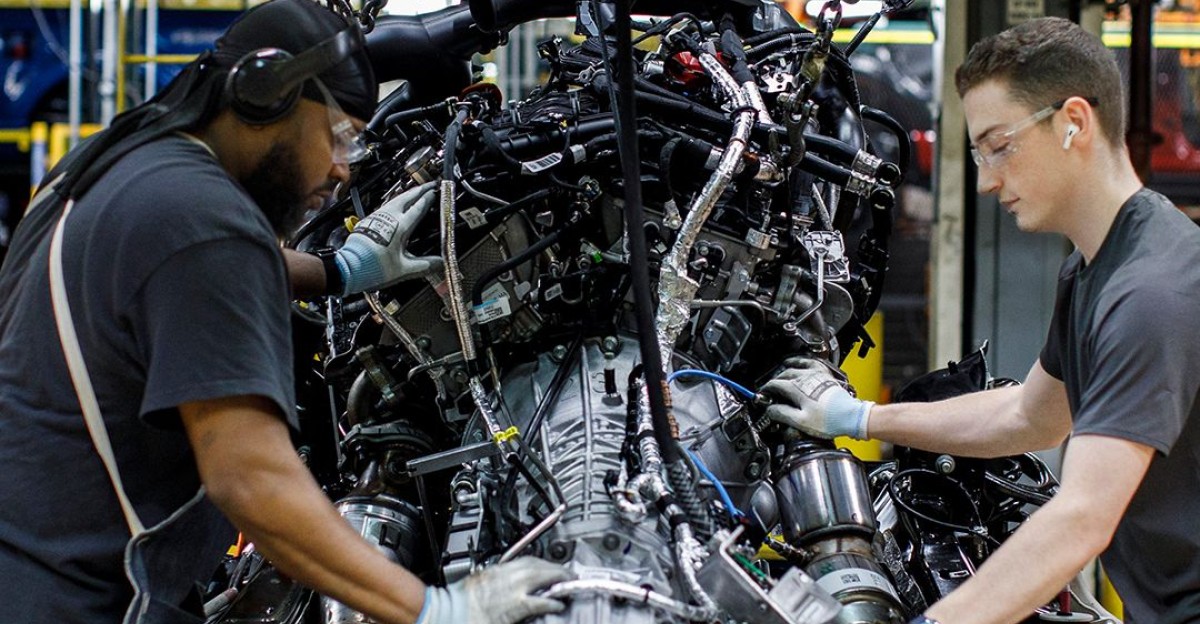
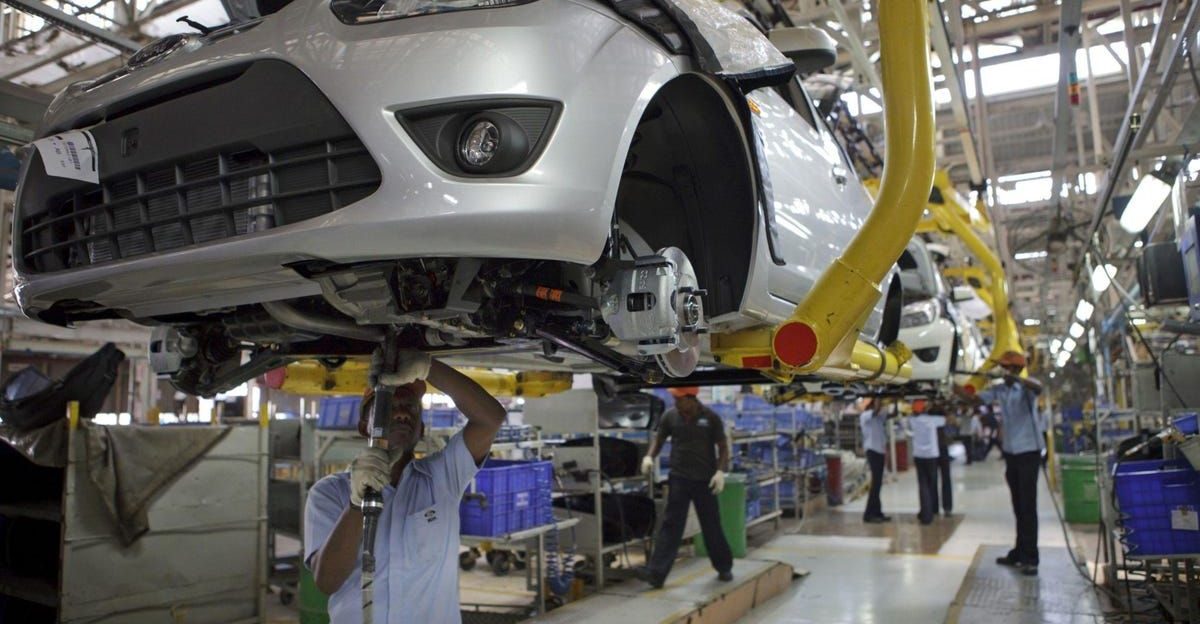
Auto manufacturing capacity utilization collapsed to about 58.2% in the fourth quarter of 2025, down from roughly 64.3% just one quarter earlier. That 6‑point plunge in a single quarter is staggering. The last time utilization sat this low was during the 2008‑2009 financial crisis recovery. Plants built to produce close to 17 million vehicles a year are running at volumes closer to 15.8 million. Tier‑2 and tier‑3 suppliers cannot absorb fixed costs at those levels. Global light‑vehicle production is facing one of its sharpest declines in recent years. Same affordability crisis. Different industry. Identical math.
Two Americas

Here is the mechanism connecting every one of these ripples. The auto market has split into two economies. Luxury vehicles priced above $70,000 and mass‑market vehicles are selling at a similar overall pace, with inventories turning over in roughly two months, but they serve completely different buyers. The top 20% of earners absorb price increases without flinching, with brand loyalty running well above 60% in many premium segments. Everyone else gets pushed into used vehicles or higher‑rate financing that often runs into the low double digits. Experian and NY Fed data show that roughly one in six vehicles now goes to a borrower with a credit score below 620. Automakers didn’t fail to solve affordability. They opted out of serving most of the mass market. That structural abandonment reaches your driveway, your credit score, and your monthly budget.
Debt Trap
“Policy no longer drives the market; consumer demand does. And consumer adoption is moving more slowly than many anticipated,” said Eric Anderson of S&P Global, in a comment reflecting the new demand‑driven reality. Subprime auto financing climbed to about 15.3% of the total market in the fourth quarter of 2025, according to Experian. That is the highest level since 2021 and matches the penetration seen in the pre‑2008 financial crisis era by some historical measures. One in six vehicles now goes to a borrower with a credit score below 620.
EV Collapse

A key federal EV tax‑credit structure expired in late 2025, and the market responded instantly. EV market share fell from around 11.6% in September 2025 to about 6.0% by January 2026. New EV sales dropped by roughly 30% year‑over‑year. Meanwhile, more than 300,000 off‑lease electric vehicles are flooding the used market in 2026, driven by heavy leasing from 2022 to 2023. Used EV sales actually climbed about 21.2%, but only because prices are cratering. That supply tsunami is expected to depress used EV values by roughly $2,000 to $3,000 per unit. One policy change rewrote the rules for an entire vehicle category.
Winners and Losers
The winners are obvious: large multi‑store dealer groups buying out struggling independents at steep discounts. Chinese automakers are developing new models in as little as 18 months, while Detroit can still take more than five years to bring a clean‑sheet program to market. Used‑car platforms are riding a market that some forecasts see growing from roughly $1.26 trillion this year to more than $2 trillion by 2034. The losers are equally clear. Subprime borrowers locked into 84‑month loans face a delinquency wave building for 2027‑2028. Regional economies dependent on dealership employment could absorb multibillion‑dollar annual tax revenue losses if closures accelerate. In recent surveys, on the order of four in ten Americans say they plan to buy a vehicle this year. Most of them have no idea what they’re walking into.
No Finish Line
This cascade is accelerating, not settling. Chinese competitors with rapid product cycles and roughly 40% global sales growth are circling the mass‑market segment Western automakers have largely abandoned. Consumers are delaying purchases, refinancing through credit unions, and exploring subscriptions. None of that fixes the core fracture: an industry that decided the majority of its potential buyers weren’t worth serving. The used market is now the American car market for most families. Anyone who reads this headline and thinks it stops at sticker shock is seeing the surface of a structural collapse still unfolding.
Sources:
“Cox Automotive/Moody’s Analytics Vehicle Affordability Index – September 2025.” Cox Automotive, 14 Oct 2025.
“State of the Automotive Finance Market Report: Q4 2025.” Experian Automotive, 5 Mar 2026.
“EV Market Monitor – January 2026.” Cox Automotive, 15 Feb 2026.
“Industrial Production and Capacity Utilization – G.17 (Motor Vehicle Assemblies and Capacity Utilization Tables).” Board of Governors of the Federal Reserve System, 22 Dec 2025.