Strait Of Hormuz Chokes 20 Million Barrels A Day—US Farmers Have Just 5 Weeks To Plant
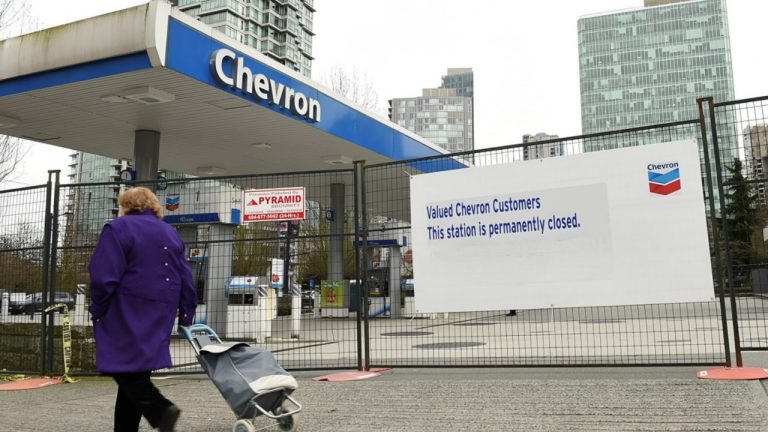
Portland drivers watched the pump tick past five dollars on April 6, 2026. Not five dollars in California, where that number barely raises an eyebrow. Five dollars in Oregon, where it hadn’t happened in over three years. The statewide average sat just under $5 and climbing. AAA Oregon director Marie Dodds confirmed what everyone filling their tank already knew: “We are hovering just below that $5 a gallon mark, and it’s very likely that we’ll eclipse $5 a gallon here coming up in the next day or so.”
The national average had already crossed $4 for the first time since August 2022, and the forces pushing prices higher started 7,000 miles from any American gas station. The Iran‑US‑Israel conflict that began February 28 brought near‑total disruption to the Strait of Hormuz by early March. Before the crisis, roughly 20 million barrels of crude and petroleum products transited the Strait daily. Since then, flows have dropped by more than 90%, according to the International Energy Agency, which called it “the largest supply disruption in the history of the global oil market.” Brent crude jumped roughly 25–30% in the first weeks of the war, and oil traded at about $111 per barrel on April 6. Eight million barrels a day of global oil supply, and far more in potential capacity, are now at risk.
A Dollar More Than Last Year
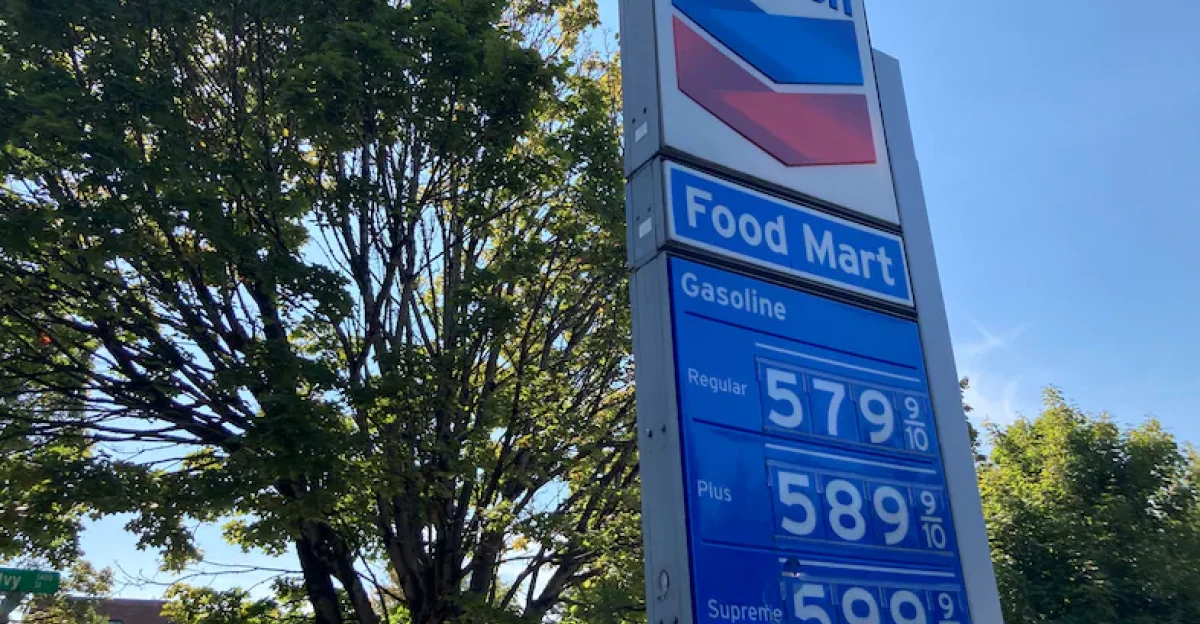
Portland’s average gas price on the same date last year was just over $4 per gallon. The national average then was around $3.20. That roughly one‑dollar year‑over‑year increase in Portland and nearly $1 jump in the national average landed in an Oregon already ranked among the least affordable states in the country.
Analyses of household budgets show Oregon families spending far more on essentials than the national average, and nominal income growth since 2019 has not kept pace with inflation, eroding purchasing power. People assumed recovery was permanent. Diesel prices, now back near their 2022 records in Oregon and nationally, have proved otherwise.
The Promise Versus the Price Tag
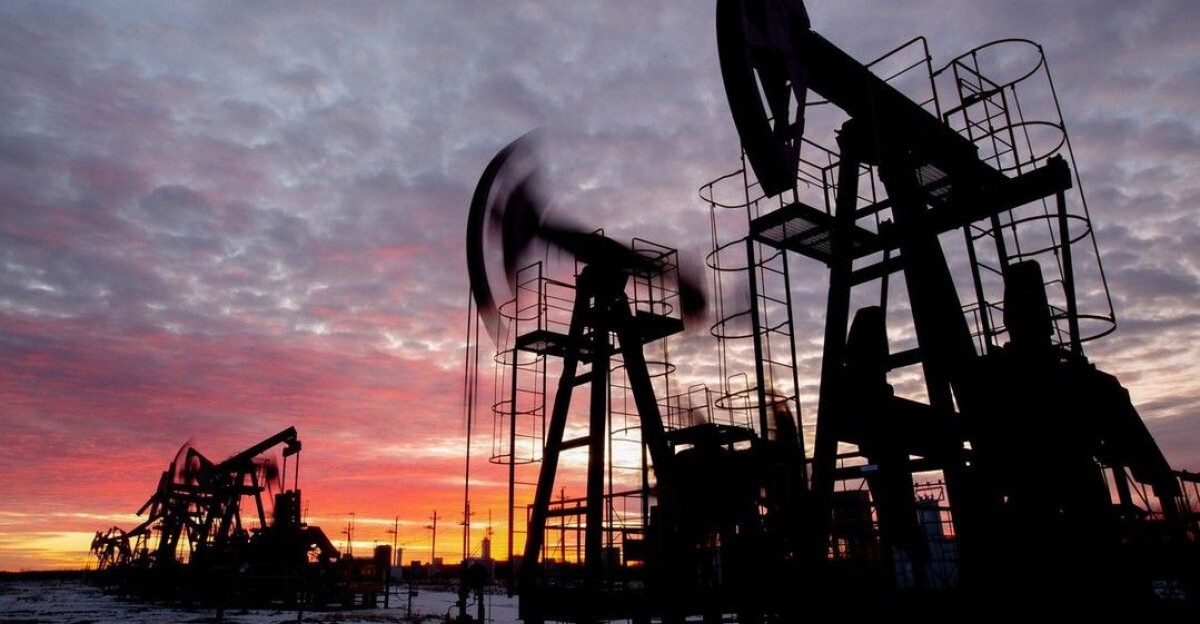
In early March, the White House declared oil and gas prices would “drop rapidly” once the objectives of Operation Epic Fury are fully achieved. Officials projected a four‑to‑six‑week timeline to destroy Iran’s missile stockpiles, cripple its navy, and permanently deny it nuclear weapons capability. By April 6, those objectives remained “unchanged, unambiguous, and consistent.”
Oil climbed anyway. Brent crude rose more than $20 a barrel from pre‑war levels, and global benchmarks kept pricing in a prolonged Strait disruption regardless of Pentagon briefings. Military success and market relief turned out to be completely different animals.
Where the Pain Actually Lands

The top 10% of American earners drive nearly half—about 49%—of all consumer spending. They spend a relatively small share of their income on fuel, so $5 gas is more nuisance than crisis. The bottom 50% drives roughly a third of spending and devotes a much larger share of income to gasoline and transportation.
In one national profile, a single mother earning around $40,000 reported paying about $40 more per week at the pump—roughly a 30% jump—leaving $160 less each month for groceries and essentials. The Federal Reserve has acknowledged that when fuel prices spike, low‑income households have “less money for everything else,” even as policymakers hold rates steady to avoid amplifying an energy‑driven shock.
The Fertilizer Trap

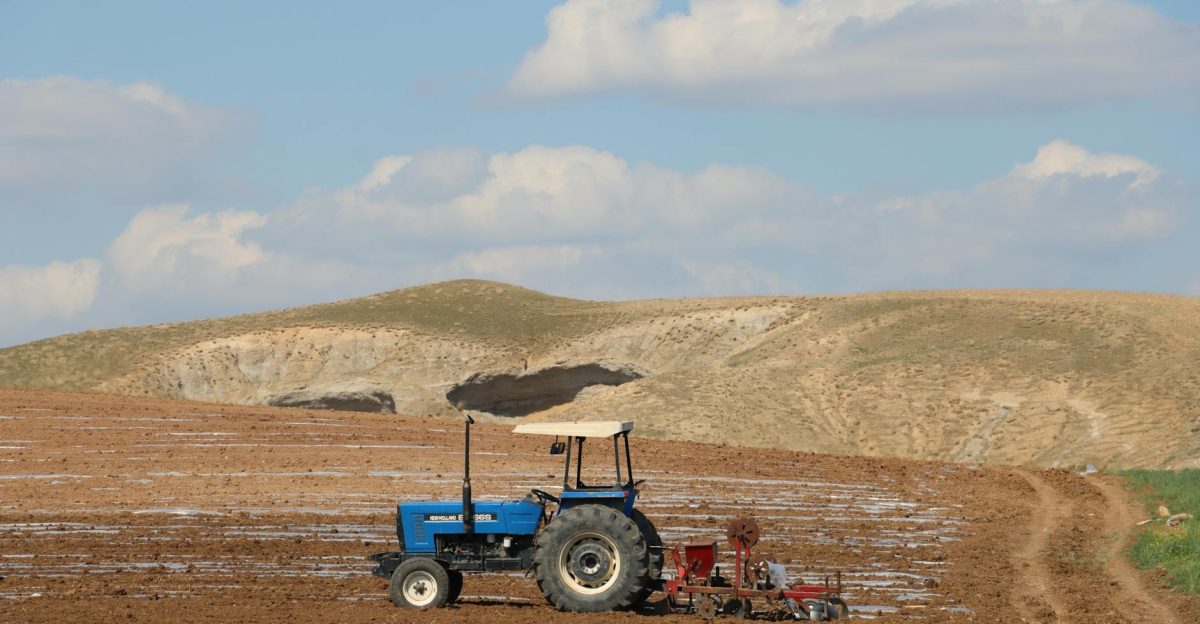
The Middle East is a major exporter of nitrogen fertilizers, with Gulf producers supplying a large share of the world’s urea and ammonia and roughly one‑third of global seaborne fertilizer volumes moving through the Strait of Hormuz. When the Strait’s flows collapsed, fertilizer shipments stalled. Urea and other nitrogen fertilizer prices have surged roughly 20–50% since late February, depending on product and benchmark.
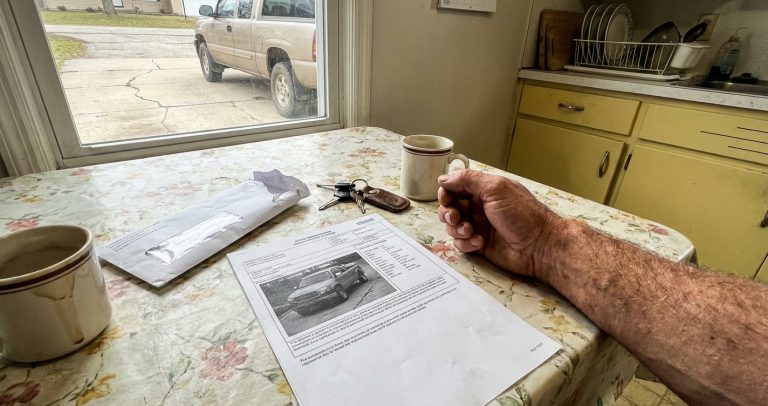
“Farmers were optimistic things were turning the corner. And then the Strait of Hormuz closes. Urea prices have skyrocketed,” one farm‑sector analyst told Fortune. Midwest corn planting typically wraps up by mid‑May, giving farmers only about five weeks from early April to commit. They must sign the mortgage before the appraisal comes back. Once planted, those decisions effectively lock in for the crop year.
The Cascade Nobody Sees Coming
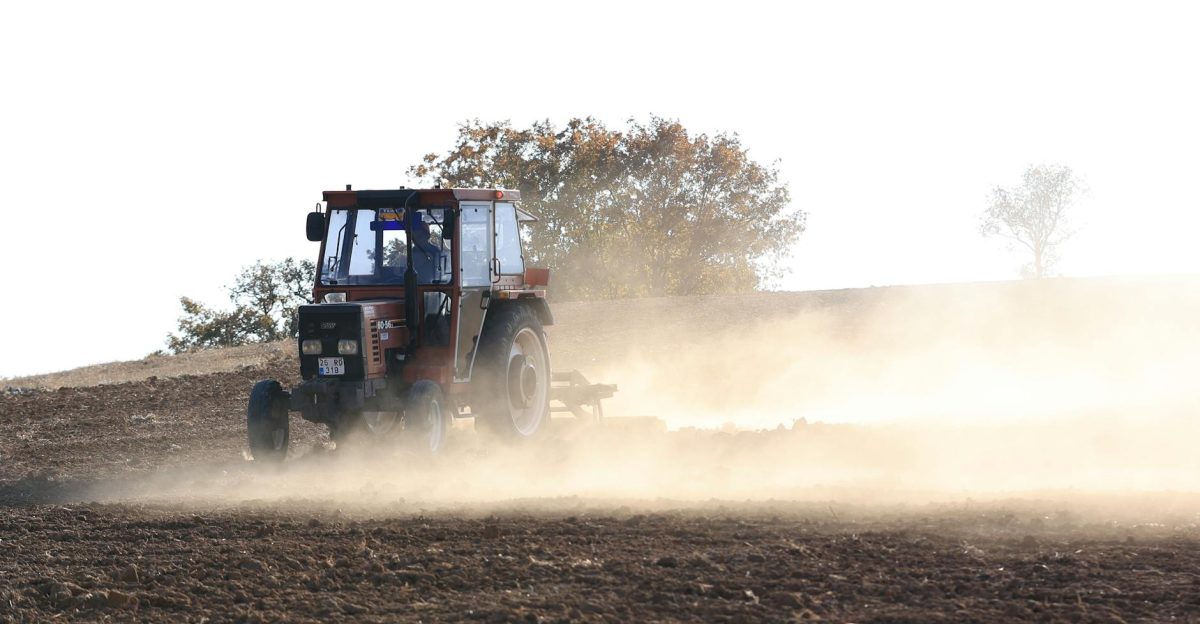
Farmers are already weighing shifts from corn to soybeans because nitrogen‑heavy corn has become far more expensive to plant as fertilizer costs spike. Any resulting corn production loss will not fully show up in cereal prices, livestock feed, or corn‑based sweeteners until the 2026–27 marketing year. Meanwhile, the U.S. Postal Service has requested regulatory approval for a temporary 8% surcharge on many package shipments, set to begin April 26 if approved.
Airlines have sharply increased fuel surcharges on long‑haul routes as jet fuel prices have climbed, with some transatlantic itineraries seeing hundreds of dollars added to round‑trip tickets. GasBuddy’s Patrick De Haan has warned that diesel prices now sit within a few dozen cents of setting new all‑time records in parts of the country. Every transaction now carries a hidden energy tax.
The New Rule, Not the Exception
Barclays has called this the largest geopolitical shock to energy markets since the 1990 Gulf War. But the 1990 shock helped trigger a broad recession. This one may not, and that’s the part worth understanding.
When the top 10% of earners absorb a small fuel burden while controlling nearly half of consumer spending, headline GDP can stay stable even as the bottom half bleeds. The Federal Reserve cannot easily raise rates into an energy shock without deepening the pain, and it cannot swiftly cut rates without risking its inflation‑fighting credibility. Monetary policy is boxed in. The system now relies on inequality to keep aggregate growth numbers from flashing red.
What Breaks Next

If the Strait remains severely disrupted past mid‑May, a second empty shipping cycle will arrive. Supply shortage becomes structural, not temporary. Small trucking firms facing thin diesel margins could be pushed out of the market, consolidating freight into fewer, larger carriers and pushing shipping costs materially higher.
Rural banks may confront rising farm loan stress if planting decisions collide with the wrong combination of crop prices and input costs. Baseline forecasts already show real consumer spending growth slowing from the mid‑2% range in 2025 to closer to 1.5–1.6% in 2026. Stable GDP figures will mask household‑level crisis for months.
The Clock Everyone Should Watch
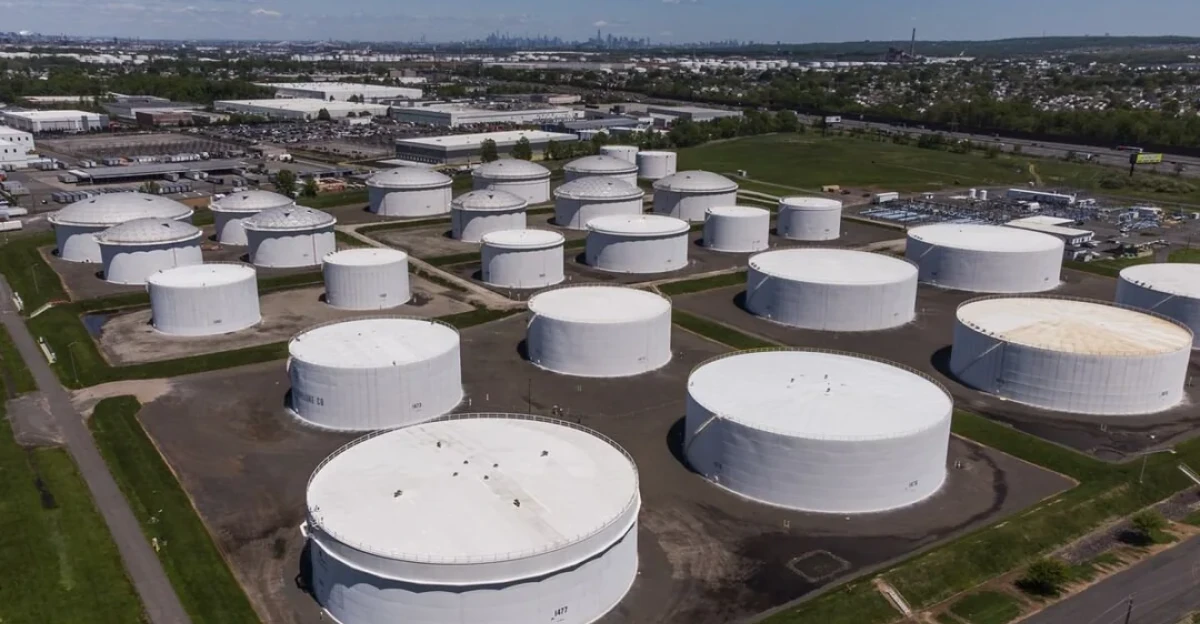
The administration is widely expected to tap the Strategic Petroleum Reserve in mid‑spring to blunt price spikes, which could buy four to six weeks of relief and push the worst of the energy crunch into the heart of election season. Voters will feel household‑level pain while leaders point to stable unemployment and moderate top‑line growth.
That gap between what the macro numbers say and what the grocery receipt says is likely to define the rest of 2026. In Oregon, Curry County is already paying about $5.26 a gallon, while Malheur County sits near $4.47—same state, same crisis, different ZIP codes. The pump doesn’t care about your macro indicators.
Sources:
AAA Oregon. “National Average Surpasses $4, Oregon Average Reaches $5 a Gallon for First Time in Four Years.” April 6, 2026.
International Energy Agency via The New York Times. “Iran War Causing Largest Ever Oil Disruption, I.E.A. Says.” March 12, 2026.
International Energy Agency via Yahoo Finance. “Middle East War Is Causing Largest Oil Supply Disruption in History.” March 12, 2026.
CNBC. “U.S. Postal Service Seeks 8% Fuel Surcharge for Package Deliveries.” March 25, 2026.
Fortune. “Fertilizer Prices Soar as Strait of Hormuz Tensions Rise—Forcing U.S. Farmers’ Spring Planting Decisions.” March 11, 2026.
Deloitte. “US Economic Forecast 2026–2030.” December 18, 2025.