Strait of Hormuz Blocked for 19 Days Forces White House to Issue Emergency Gas Waiver
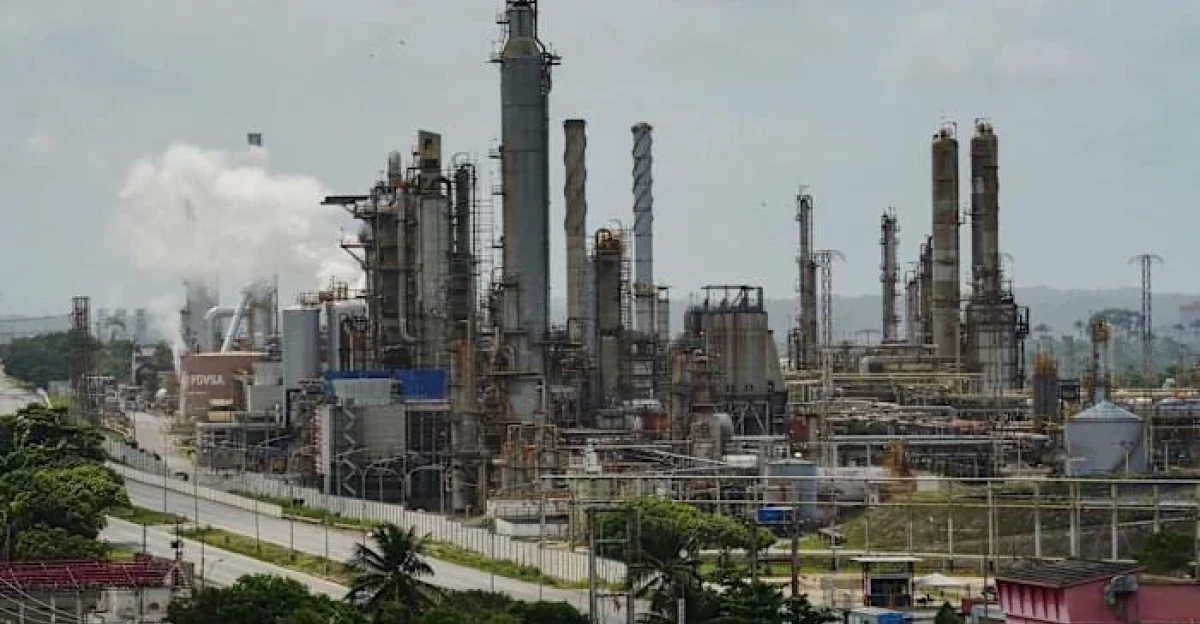
Somewhere around 20 million barrels of oil per day used to flow through a narrow strip of water between Iran and Oman. Used to. Since February 28, maritime traffic through the Strait of Hormuz has collapsed, with vessel transits falling to a fraction of their normal volume. Brent crude surged past $100 a barrel, peaking at $126 before settling back. Pump prices climbed toward $4 a gallon. And on March 25, the Trump administration did something Congress has failed to make permanent since 2009. The fuel it unlocked had been sitting in American corn fields the entire time.
A 17-Year Stalemate Meets a Three-Week War
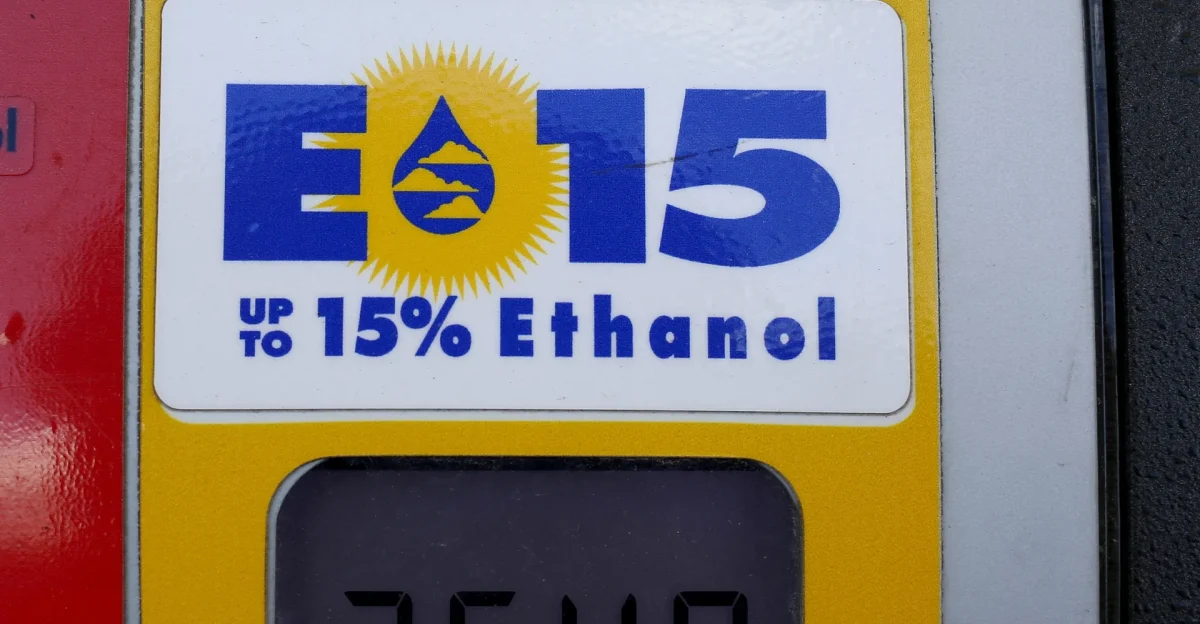
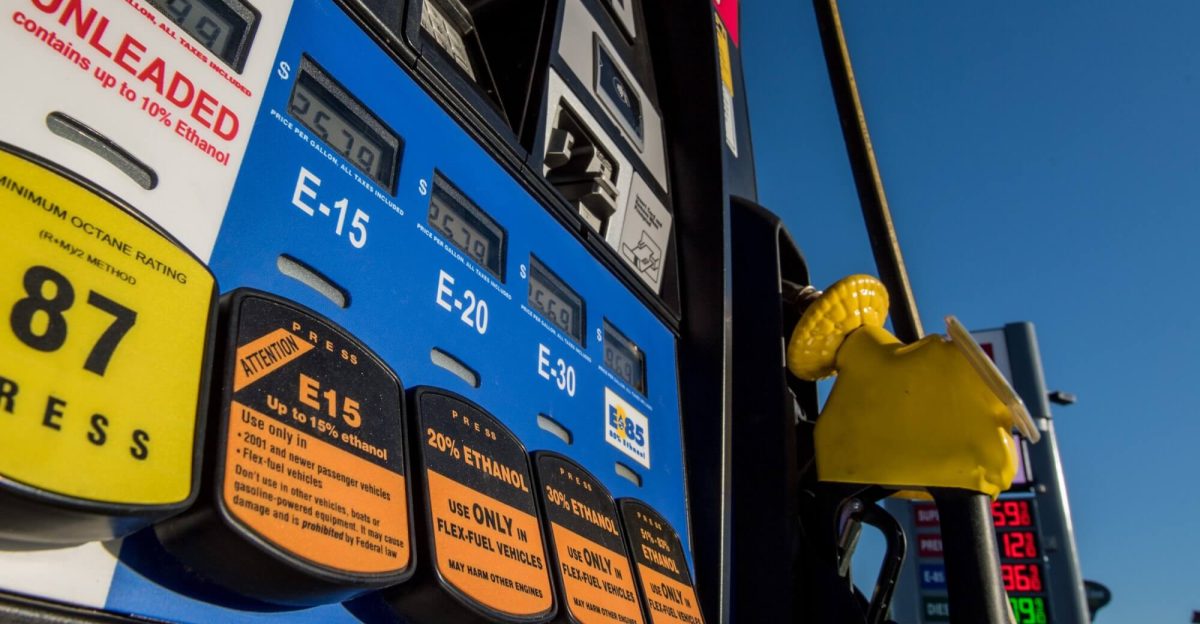
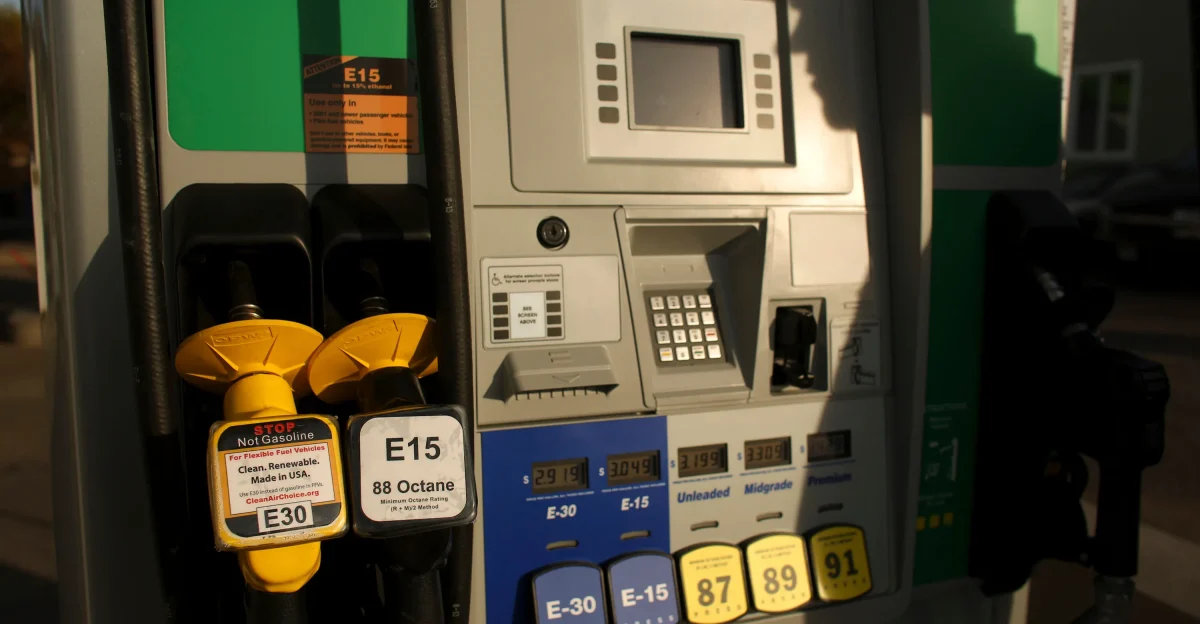
E15, gasoline blended with 15% ethanol, has been approved for every vehicle built since model year 2001. Every major automaker signs off on it. It saves drivers an estimated 20-39 cents per gallon, depending on location. Yet roughly half the country has been locked out of buying it every summer since the fuel existed, blocked by EPA vapor pressure rules written decades ago. Eight Midwestern governors begged for relief. Congress held bipartisan hearings. Growth Energy formally petitioned the EPA in March 2009. Nothing permanent moved. Then Iran closed a shipping lane, and the math changed overnight.
The Rule That Protected Nobody
The assumption was always that E15 posed an unacceptable summer smog risk. That Reid Vapor Pressure restrictions existed for scientific reasons. Except a UC Riverside study found E15 actually reduces particulate matter, carbon monoxide, and hydrocarbon emissions compared to E10. California passed AB 30 in 2025, authorizing E15 sales statewide, with CARB rulemaking still underway. And the EPA itself has now waived these same restrictions for five consecutive summers, starting in 2022, after Russia invaded Ukraine. Five years of “emergencies” suggests the rule was never about science at all.
EPA Waives EPA’s Own Rule
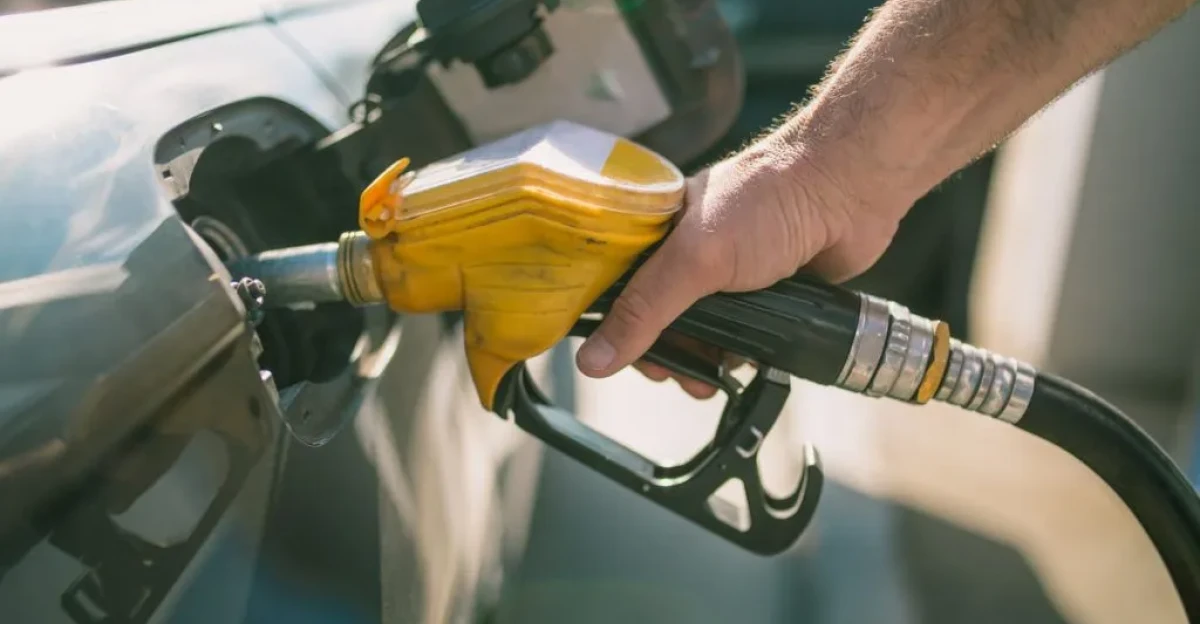
EPA Administrator Lee Zeldin said the waiver was about “providing Americans relief at the pump.” Then his own agency admitted: “Without this action, E15 gasoline cannot be used by roughly half of the country this summer.” Read that again. The agency offering relief created the restriction requiring relief. The waiver, issued March 25, covers all 50 states from May 1 through May 20. Twenty days. The maximum the Clean Air Act allows for an emergency fuel waiver. One geopolitical shock accomplished what nearly two decades of legislative efforts could not make permanent.
The Hidden System Behind the Bottleneck
Reid Vapor Pressure restrictions apply to E15 but not E10, despite comparable volatility concerns. That asymmetry is the tell. The Renewable Fuel Standard mandates ethanol blending, inflating corn demand. RVP rules then cap the amount of ethanol that can compete with conventional gasoline each summer. One regulation creates demand. The other throttle supply. Together, they function as a managed cartel, protecting incumbent refiners and E10 market share from E15 competition. The emergency waiver lifts one barrier while leaving the other intact, and the corn lobby gets paid either way.
The Numbers That Rewrite the Story
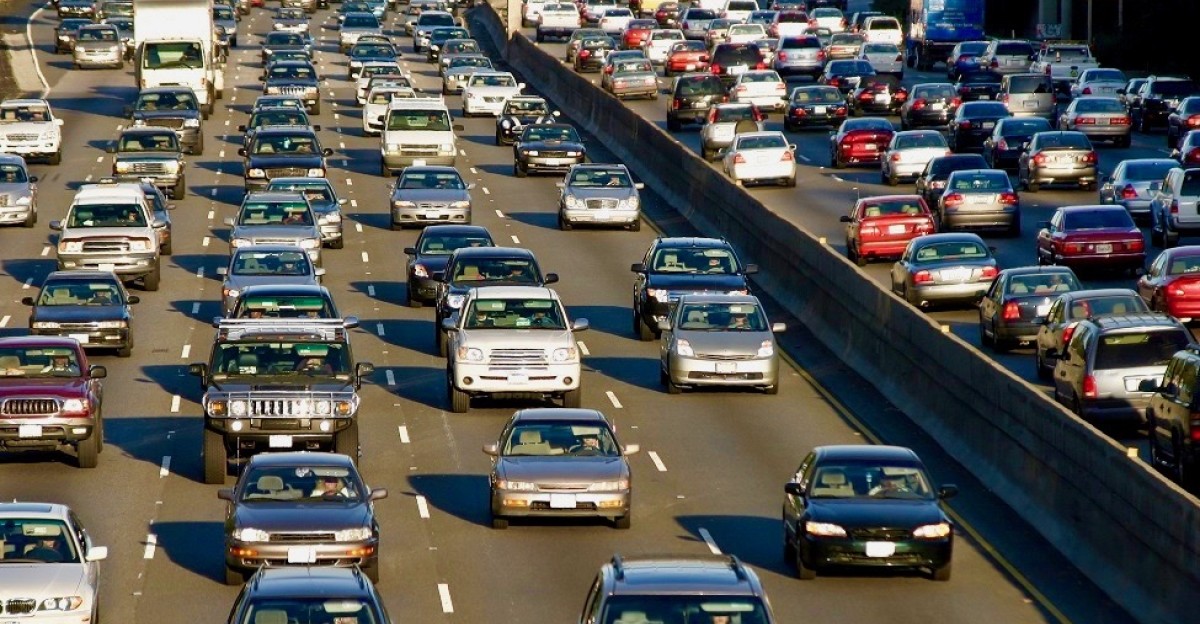
Ethanol blending already saves American drivers an estimated $50 billion annually, according to industry groups, roughly 30 cents or more per gallon across the fuel supply. Moving the entire country from E10 to E15 would require billions of additional gallons of ethanol per year, absorbing massive corn acreage into fuel tanks. Yet only about 3,000 gas stations nationwide currently offer E15, approximately 1% of the country’s fuel retail footprint. The infrastructure gap dwarfs the regulatory one.
Who Pays When the Waiver Expires
Terminal operators must retool blending systems by May 1 to qualify for a waiver that expires May 20. Ethanol producers ramping up production may have to idle for three weeks. Conventional refiners lose blending margin if E15 displaces E10 volume. And millions of pre-2001 vehicles cannot use E15 due to ethanol compatibility issues, locking the Americans most likely to drive older cars out of the savings entirely. Senator Moran applauded the waiver, then admitted the quiet part: “Congress must act to provide a long-term solution by making this policy permanent.”
Emergency Is the New Permanent
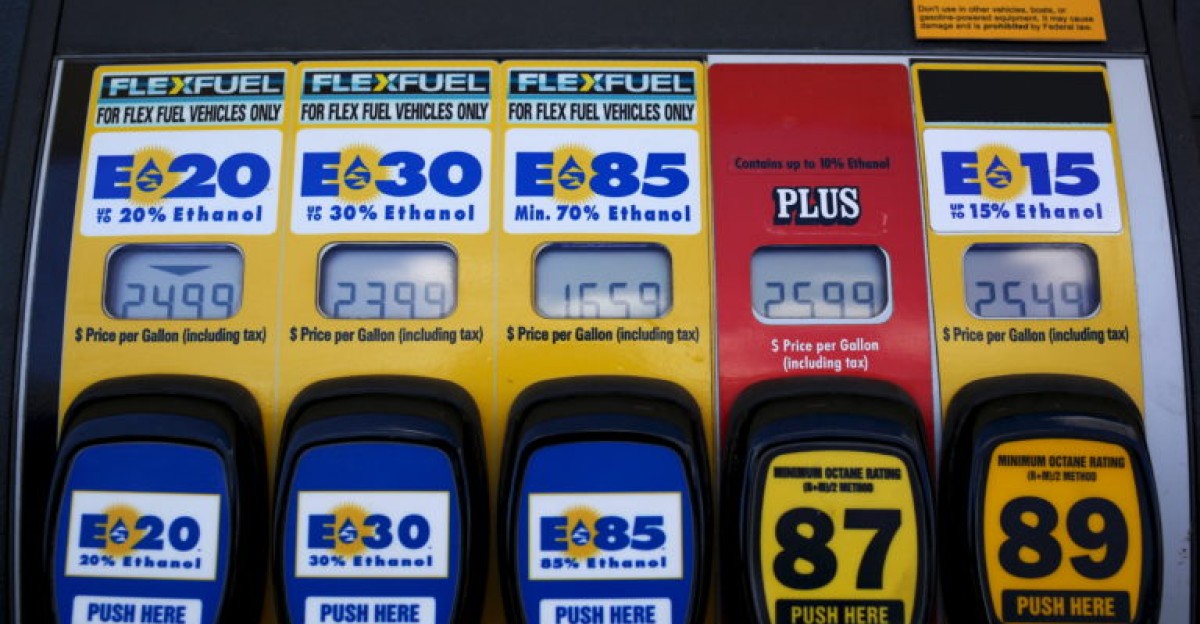
This is the fifth consecutive summer EPA has issued E15 emergency waivers. First came Russia’s invasion of Ukraine in 2022. Now Iran’s blockade. Each crisis unlocks what Congress refuses to legislate permanently. The pattern sets a precedent: seasonal restrictions are suspendable at the administration’s discretion, and emergency authority supersedes lawmaking. A court overturned EPA’s 2019 attempt to make the RVP waiver permanent. So the agency just declares a new emergency every year. Once you see that cycle, the 20-day window stops looking like relief and starts looking like a subscription.
The Costs Nobody Mentions at the Podium
Yale School of Environment economist Kenneth Gillingham has warned of increased ozone risks from summer ethanol blending, noting potential health consequences, including respiratory issues and cardiovascular stress. Wisconsin has reported widespread nitrate contamination of private drinking wells linked to agricultural runoff, a problem that expanding corn-for-ethanol acreage could deepen. If the Iran conflict persists, the waiver becomes a de facto permanent fixture, embedding agricultural subsidies into energy policy through crisis management rather than deliberation.
The Cartel Expiration Notice
Environmental groups are already preparing Clean Air Act lawsuits. Oil refiners will lobby hard for the waiver to expire and RVP barriers to snap back. The corn lobby wants permanent legislation to lock in demand. Congress may split the difference with a compromise allowing summer E15 but not year-round access, preserving the seasonal bottleneck that keeps everyone dependent on the next emergency. The person who understands this story knows the Iran war did not create an E15 opportunity. It proved the barrier was always political, never scientific, and the next crisis will prove it again.
Sources:
EPA Press Release, “EPA Fortifies Domestic Fuel Supply, Provides Americans with Relief at the Pump,” March 25, 2026
DTN Progressive Farmer, “EPA Gives 5th Straight E15 Fuel Waiver,” March 25, 2026
Energy AgWired, “EPA Announces Waiver to Allow Summer Sales of E15,” March 25, 2026
Wikipedia, “2026 Strait of Hormuz Crisis,” March 2026
Growth Energy, “Ensure Year-Round Sales of E15,” January 9, 2026
CBS News, “Strait of Hormuz Remains Shut as Trump Pushes U.S. Allies to Help,” March 1, 2026