Stellantis Sold Its $980M Battery Plant For $100—The Same Week It Admitted EVs Were A Mistake
On February 6, 2026, Stellantis offloaded its 49% stake in the NextStar Energy plant to LG Energy Solution for a $100 token payment. Stellantis had committed $980 million for that stake as part of a joint venture that attracted more than C$5 billion (USD $3.7 billion) in total investment.
The worst joint-venture exit in modern automotive battery history, and it barely made the second paragraph of the press release.
Stock Crater
Stellantis announced €22.2 billion in EV-related charges that same day, the largest such write-down in automotive history. The stock cratered 25% in a single session, erasing roughly $8.6 billion in market capitalization and dragging shares to multi-year lows near $7.70.
Ford’s $19.5 billion in EV losses and GM’s $7.9 billion, combined, roughly matched Stellantis’ $26.5 billion write-down, underscoring the industry-wide scale of the retreat. For the parent of Jeep, Dodge, and Ram, February 6 produced the first annual net loss in the company’s five-year existence: €22.3 billion gone.
Dealer Revolt
In September 2024, the Stellantis National Dealer Council published a letter sharply criticizing management over pricing strategy and inventory mismanagement. Former CEO Carlos Tavares had pushed Jeep and Ram pricing into luxury territory, and production kept rolling.
By late 2024, 82.1% of Dodge Hornet plug-in hybrids sat unsold on lots. Grand Cherokee inventory hit 70.8% overhang. The industry average for aged stock is 0.4%. Tavares treated those warnings like background noise.
The Admission
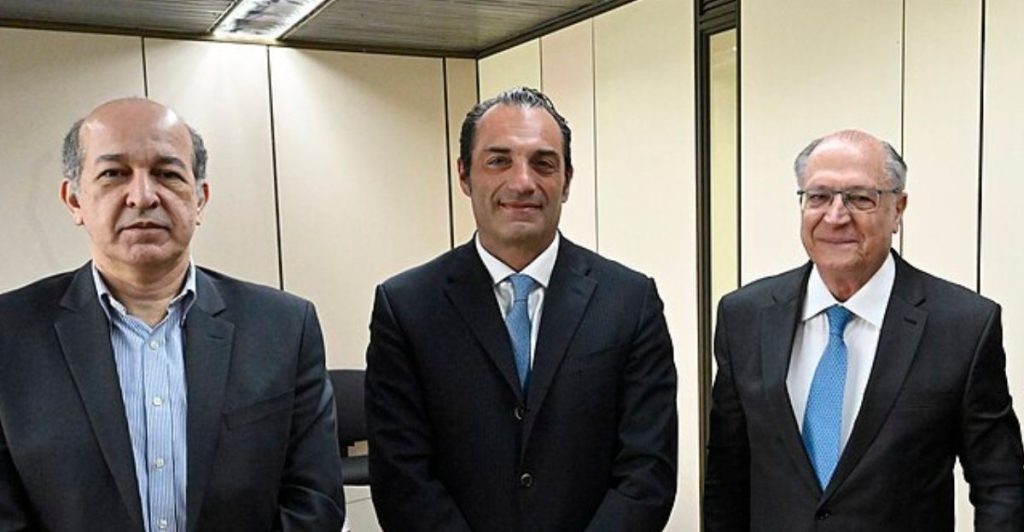
CEO Antonio Filosa stood at the podium and confirmed what the spreadsheets had been implying: “The charges announced today largely reflect the cost of overestimating the pace of the energy transition that distanced us from many car buyers’ real-world needs, means and desires.”
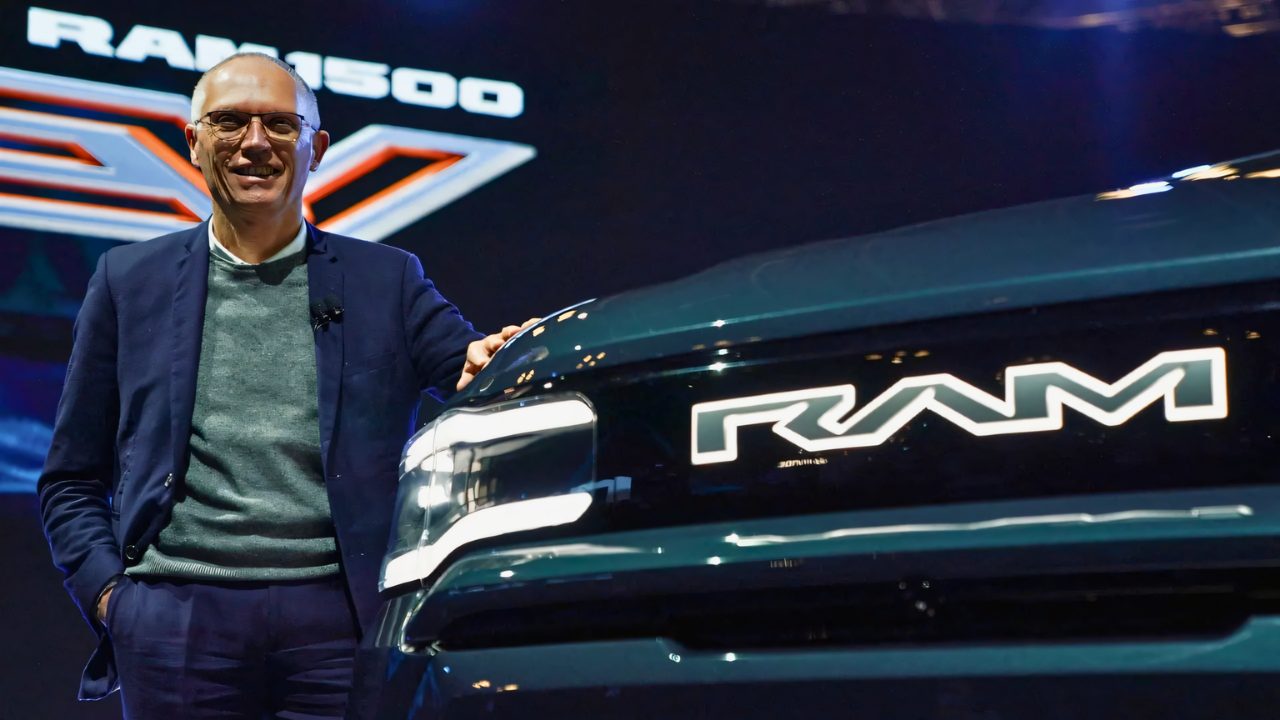
Filosa then confirmed the cancellation of the Ram 1500 REV electric pickup, suspended the 2026 dividend, and authorized €5 billion in subordinated hybrid bonds. The company pivoted back to gas engines and hybrids. With billions invested, only a fraction was recovered.
Paris Problem

A key factor behind the collapse was centralized decision-making in Paris, where Tavares imported cost-cutting logic from European operations and applied it to American mass-market brands that survive on loyalty, value, and towing capacity.
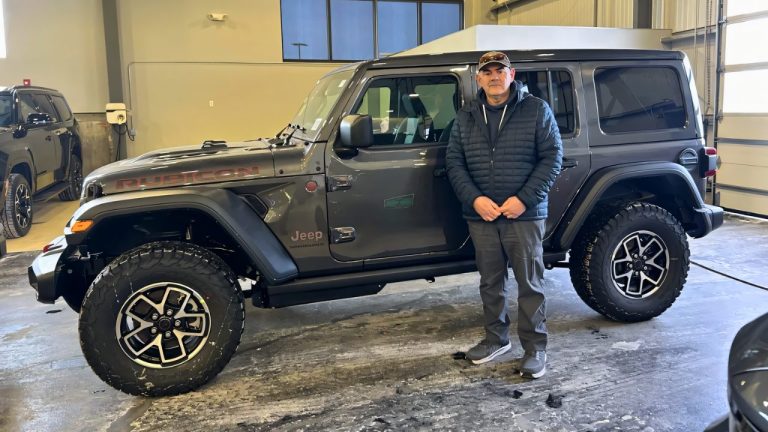
Ram sales fell from 569,000 units in 2021 to 373,000 in 2024, a 34% decline that closely tracked price increases. Jeep’s U.S. market share collapsed from 11.6% to 8% in three years. The brand DNA required Auburn Hills instincts.
Profit Mirage
The numbers looked brilliant on paper. Stellantis posted record margins in 2022 and 2023 under Tavares, squeezing profit from fewer sales at higher prices. Then the mirage broke. Full-year 2025 revenue hit €153.5 billion, down 2%.
The company hemorrhaged €22.3 billion in net losses. Q1 2025 U.S. sales dropped 12% year-over-year. The Jeep Grand Cherokee fell 11%. The Dodge Charger Daytona EV sold 1,947 units in Q1, while leftover gas Chargers from the discontinued generation outsold it.
Cascade Effect
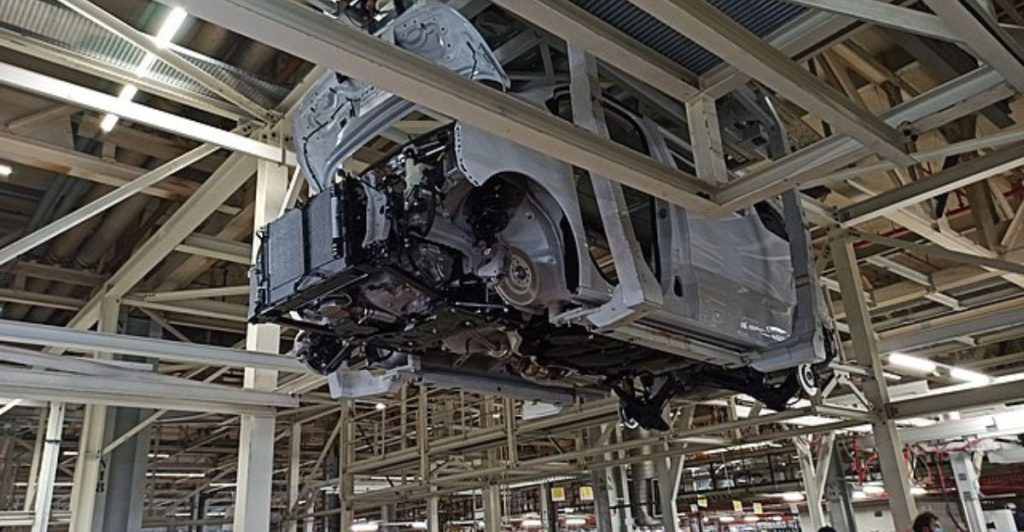
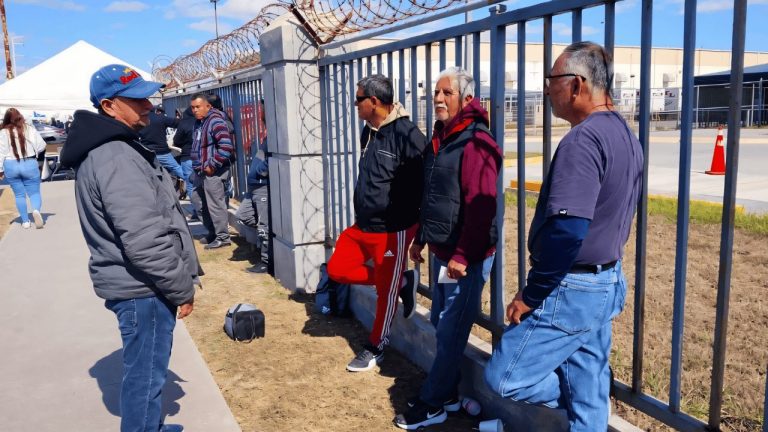
The damage radiates outward as production at Windsor Assembly and Toluca Assembly was paused in April 2025, idling approximately 4,500 Canadian workers and 900 U.S. support staff. Some Tier-2 and Tier-3 suppliers report a six-year profit drought.
Tricolor Auto, a major used-car subprime lender, filed for bankruptcy in September 2025 amid allegations of fraud and collateral mismanagement, compounding an already strained dealer financing environment. Canada’s industry minister declared “Stellantis is on the hook” after serving a formal default notice over $150 million in government assistance. The company denies breach. The production lines say otherwise.
New Rule
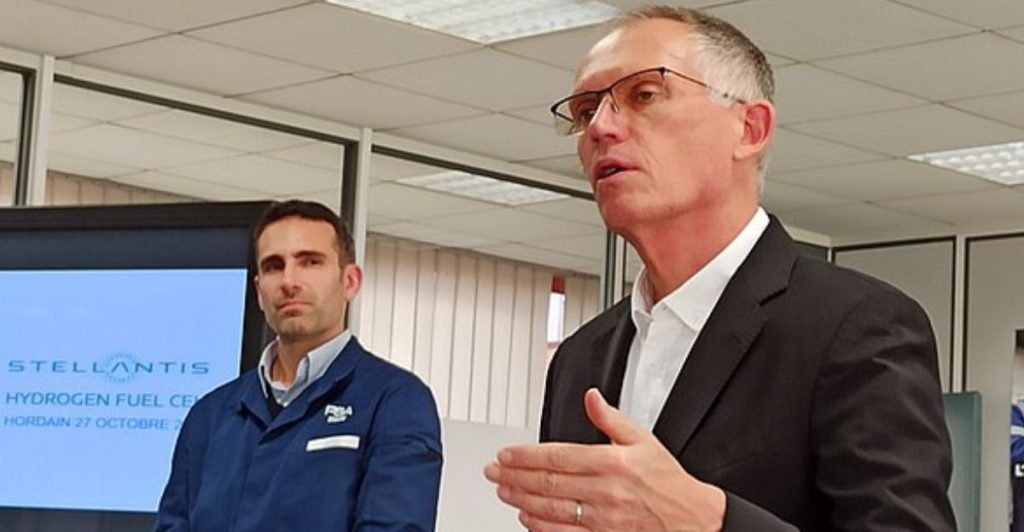
Industry-wide EV write-downs now exceed $65 billion. Ford, GM, Volkswagen, Stellantis: every major legacy automaker that treated electrification as an all-or-nothing mandate has bled capital at historic rates. The battery joint-venture model, where OEMs co-invest with cell suppliers, collapsed the moment demand softened. Stellantis dumped its stake like an investor unloading a penny stock.
Future government incentive programs will likely demand escrow accounts to prevent token buyouts. One company’s failure just rewrote the rules for an entire industry’s capital structure.
Ticking Clock
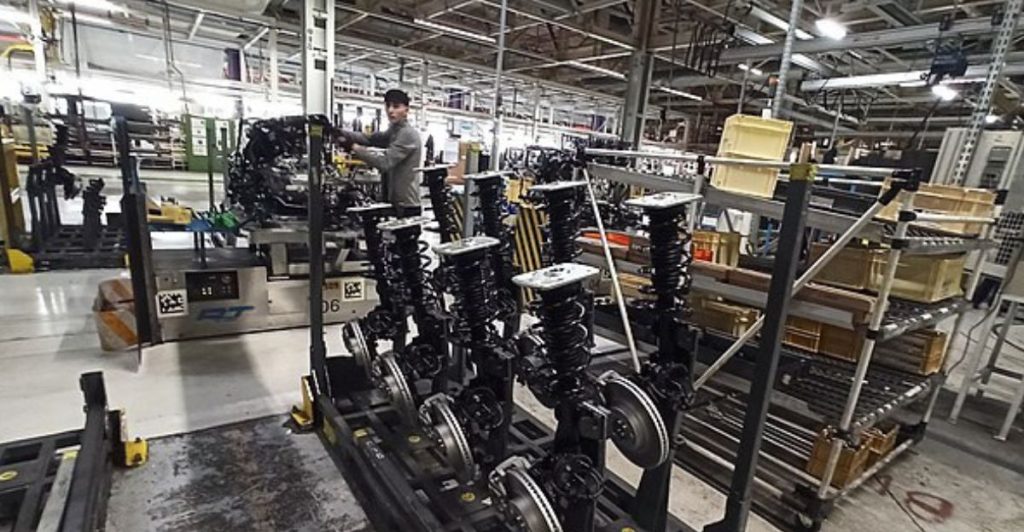
Stellantis faces €6.5 billion in projected cash outflows from cancelled EV programs over the next four years. The Belvidere, Illinois, plant retooling targets 2027 production, but a 25% tariff on Mexico- and Canada-made vehicles could spike reshoring costs by billions more.
The May 21, 2026, Investor Day is the credibility test: prove the turnaround or watch the stock slide toward $5. The UAW has threatened strike action if Belvidere commitments fail to meet their timeline. Brands like Maserati, DS, and Lancia face potential divestiture.
Brand Bet
New CEO Filosa committed $13 billion in U.S. manufacturing investment, cut base prices, reintroduced V8 options, and simplified trim bundles. H2 2025 showed early signs: 2.8 million consolidated shipments, up 11%, with North America surging 39%.
The recovery playbook is everything Tavares refused to do. Customers didn’t reject Jeep, Dodge, or Ram. They rejected being charged luxury prices for trucks built on loyalty. Stellantis wrote off €22.2 billion ($26.5 billion) to learn what its own dealers told them for free two years earlier.
Sources:
Stellantis Official Press Release — “Stellantis Reports Full Year 2025 Financial Results” — February 25, 2026
LG Energy Solution Official Press Release — “LG Energy Solution to Acquire Full Ownership of NextStar Energy in Windsor, Ontario” — February 5, 2026
Forbes — “Stellantis Shares Drop 25% After Reporting $26.5 Billion Write Off” — February 6, 2026
Semafor — “EV carmakers register $65 billion in write-offs globally” — February 16, 2026