Stellantis Hires 2,000 Engineers After $25B Quality Meltdown—47 Recalls Hit 3.2M Vehicles
Picture merging onto a highway in a hybrid SUV when the drivetrain goes dead. No warning. No limp mode. Just silence where torque used to be. That scenario played out across Stellantis’ lineup in 2025, when more than 610,000 vehicles were recalled in a single month for hybrid power loss, airbag failures, rollaway risks, and driver-assistance malfunctions. Four separate defect categories landed on one recall notice. The engineers who might have caught those problems before production were already gone.
How Cost Cutting Hollowed Out Engineering

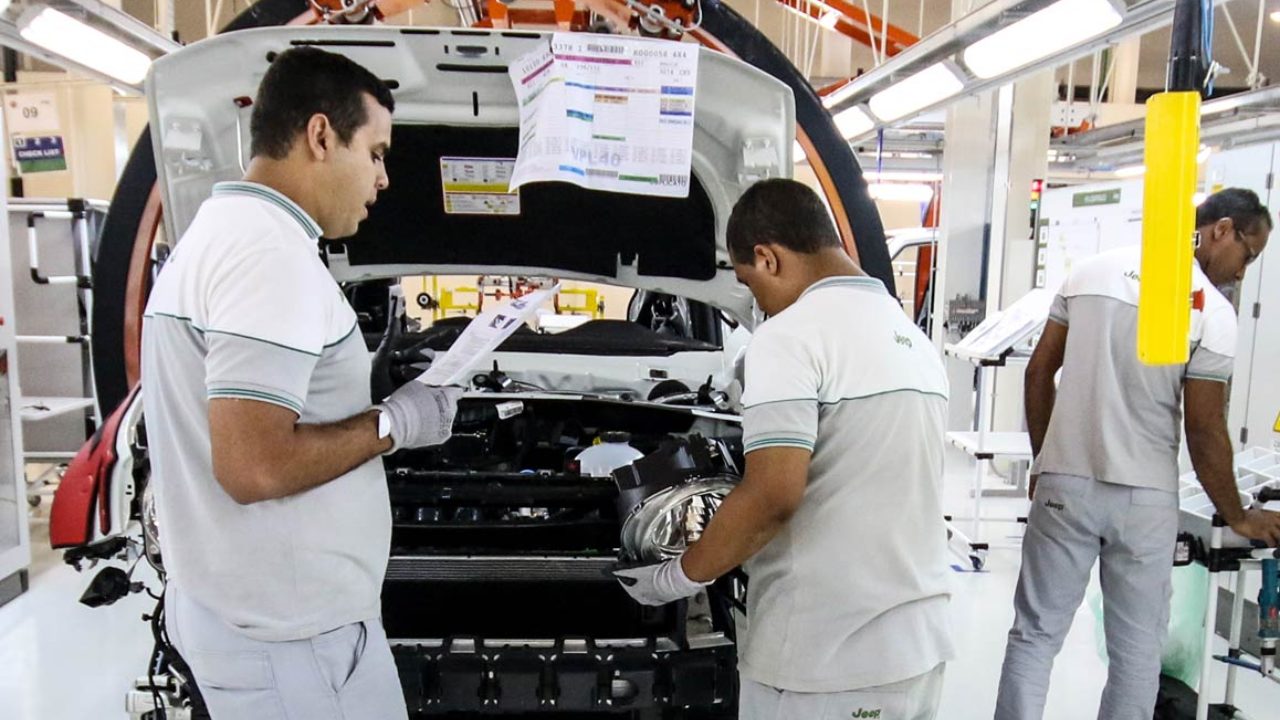
Those engineers vanished during the Tavares era. Former CEO Carlos Tavares ran Stellantis on an aggressive cost-cutting philosophy that slashed engineering budgets while simultaneously launching complex new platforms and electrified powertrains. Sean Hogan, chairman of the Stellantis National Dealer Council, put it bluntly: “When you make those cuts that Tavares did, and you still want the same quality, it’s just not going to happen.” The company was building more complicated vehicles with fewer people qualified to build them right.
Warning Lights On The Quality Scoreboard
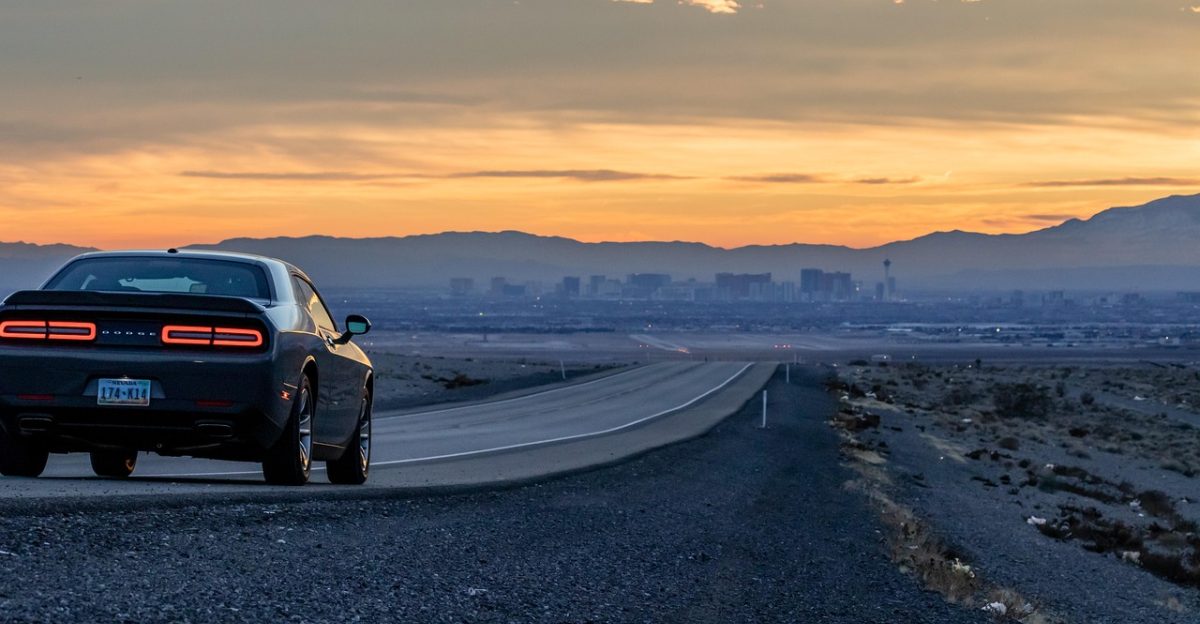
The data screamed before the balance sheet did. Dodge led J.D. Power’s Initial Quality Study in 2023, then cratered to dead last in 2024. Ram’s customer satisfaction score plunged by about 10 points in a single year, the biggest drop of any brand in the American Customer Satisfaction Index. All four Stellantis brands averaged 71 out of 100 against a mass‑market average of 79. Dealer complaints piled up, warranty claims swelled, and every signal pointed the same direction, yet nobody at the board level pulled the alarm.
When The Bill For Quality Finally Arrived
Then the accounting caught up. Stellantis recorded €22.2 billion in charges, more than $25 billion at prevailing exchange rates, for its second‑half 2025 reset. Of that total, €14.7 billion covered product‑plan write‑downs and platform impairments from the EV retreat, €2.1 billion went to battery supply‑chain downsizing, and €1.3 billion to restructuring. But the charge that revealed the quality crisis was €4.1 billion for warranty provisions, which cited in the company’s own filings “deterioration in quality as a result of operational choices.” Not bad luck. Not supply chain chaos. Operational choices. The same cost‑cutting philosophy that hollowed out engineering also helped force the product‑plan retreat that made up the rest of the bill.
Trying To Rebuild The Engineering Muscle

CEO Antonio Filosa hired more than 2,000 engineers during 2025, framing it as a “deep reset.” He blamed “previous operational issues triggered by past decisions” and said the reset was meant to correct choices that had not delivered the expected quality performance. Those 2,000 hires represent replacement, not expansion. Stellantis spent years removing the people responsible for catching defects before they reached customers, then spent billions rehiring that same capability. Consumer Reports’ Jake Fisher noted that vehicle launches are always the riskiest moment for quality, and Stellantis chose to face that risk understaffed.
Progress On Paper And Damage In The Field

The numbers after the hiring tell two stories at once. First‑month vehicle issues dropped by more than 50 percent in North America and over 30 percent in Europe compared with early 2025. That’s encouraging. But Stellantis reported 47 global recall campaigns in its 2025 annual report, encompassing more than 3.2 million vehicles worldwide. In the U.S. alone, regulators recorded more than 60 individual recall notices covering roughly 2.7 million vehicles, making Stellantis the third most‑recalled automaker behind Ford and Toyota. Dodge clawed back from last place to seventh in J.D. Power’s 2025 study. Progress and wreckage coexisting on the same spreadsheet.
Models Lost In The Fallout
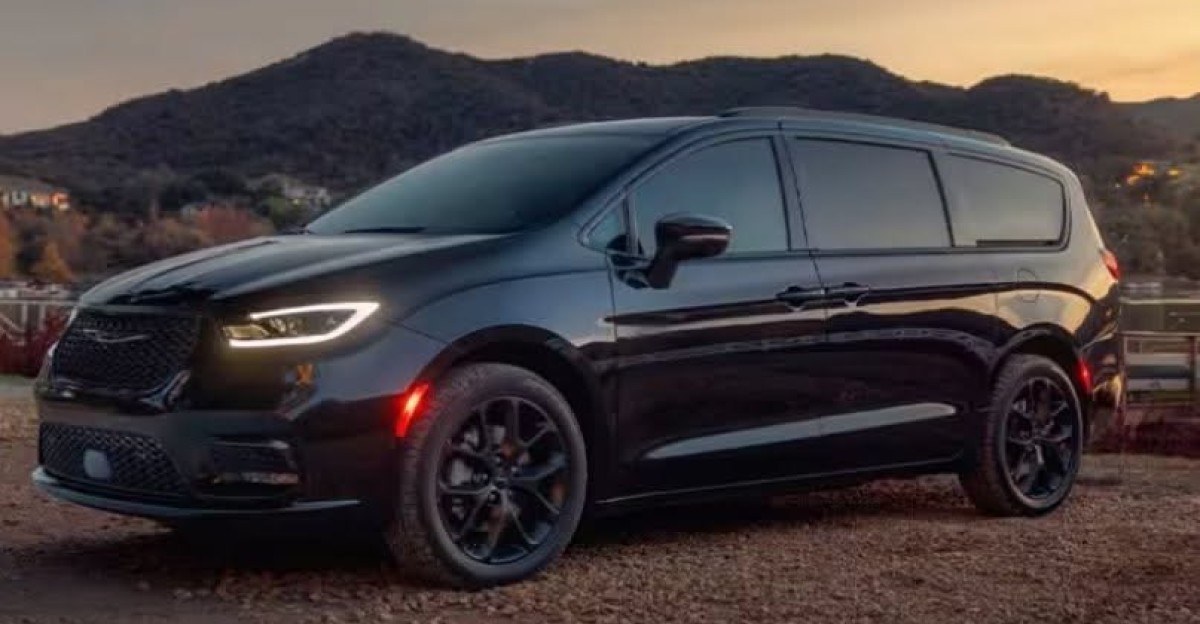
The fallout reached beyond the balance sheet. Stellantis discontinued three entire plug‑in hybrid lines for 2026: Chrysler Pacifica Hybrid, Jeep Grand Cherokee 4xe, and Jeep Wrangler 4xe. Not because customers suddenly stopped buying them, but because recurring fire risks, power‑loss recalls, and shifting demand made the business case crumble. Partly they had become a liability in the showroom, and partly customer interest was already moving toward conventional hybrids and full battery‑electric models. Analysts predicted supplier bankruptcies in 2026 as restructuring cascaded through the vendor chain. Aluminum shortages paused Jeep plant production, and every layer of the operation felt the compression from decisions made years earlier.
When Governance Fails Before The Cars Do

The real story was never only about bad cars. Stellantis had audit committees, quarterly reviews, KPIs, and risk frameworks. None of them worked. Quality deterioration showed up in J.D. Power rankings, dealer complaints, and warranty trends for years before the €22.2 billion charge forced action. The company elevated Sébastien Jacquet to Chief Quality Officer with board‑level authority, the first time quality held equal standing with engineering and finance. That promotion is the confession: the system designed to detect risk never detected it until the bill arrived.
A Recovery That Still Looks Fragile
Even the recovery carries risk. Influencers tore apart a pre‑production Jeep Recon at the LA Auto Show, pulling loose plastic panels off a vehicle expected to cost around $65,000 in a TikTok that passed 1.1 million views. Stellantis called the video “destructive.” The creators argued they merely demonstrated that the parts were already loose. If the 50 percent first‑month improvement fails to convert into long‑term reliability gains, additional warranty provisions loom for 2027 and 2028. The company pledged €13 billion in U.S. investment over four years, roughly $14 billion, and 5,000 new jobs to back its reset.
What Other Automakers Are Learning From This

Subaru scores in the mid‑80s on the ACSI. Stellantis averages 71. The difference is not luck or heritage. Subaru invests steadily in carryover platforms. Stellantis gutted engineering mid‑transition and launched anyway. Quality turned out to be a governance choice, not an engineering fate. Competitors from Toyota to BMW now study this reset as a template for what happens when cost‑cutting crosses the threshold. The 2,000 engineers are on the payroll. Whether they arrived early enough to save the brands they are rebuilding is the question nobody at Stellantis can answer yet.
Sources:
“Stellantis Resets its Business to Meet Customer Preferences and to Support Profitable Growth.” Stellantis, 5 Feb 2026.
“Stellantis Resets its Business to Meet Customer Preferences.” GlobeNewswire / Stellantis, 6 Feb 2026.
“Stellantis Discontinues Chrysler and Jeep Plug-in Hybrid Vehicles.” Cars.com, 8 Jan 2026.
“Automotive Recall Alert: 8.6 Million Vehicles Recalled in Q4 2025.” BizzyCar, 18 Jan 2026.