Stellantis Boots Employees’ Cars For Driving Ford To Work—’Bad Things Might Happen’ To Your Car
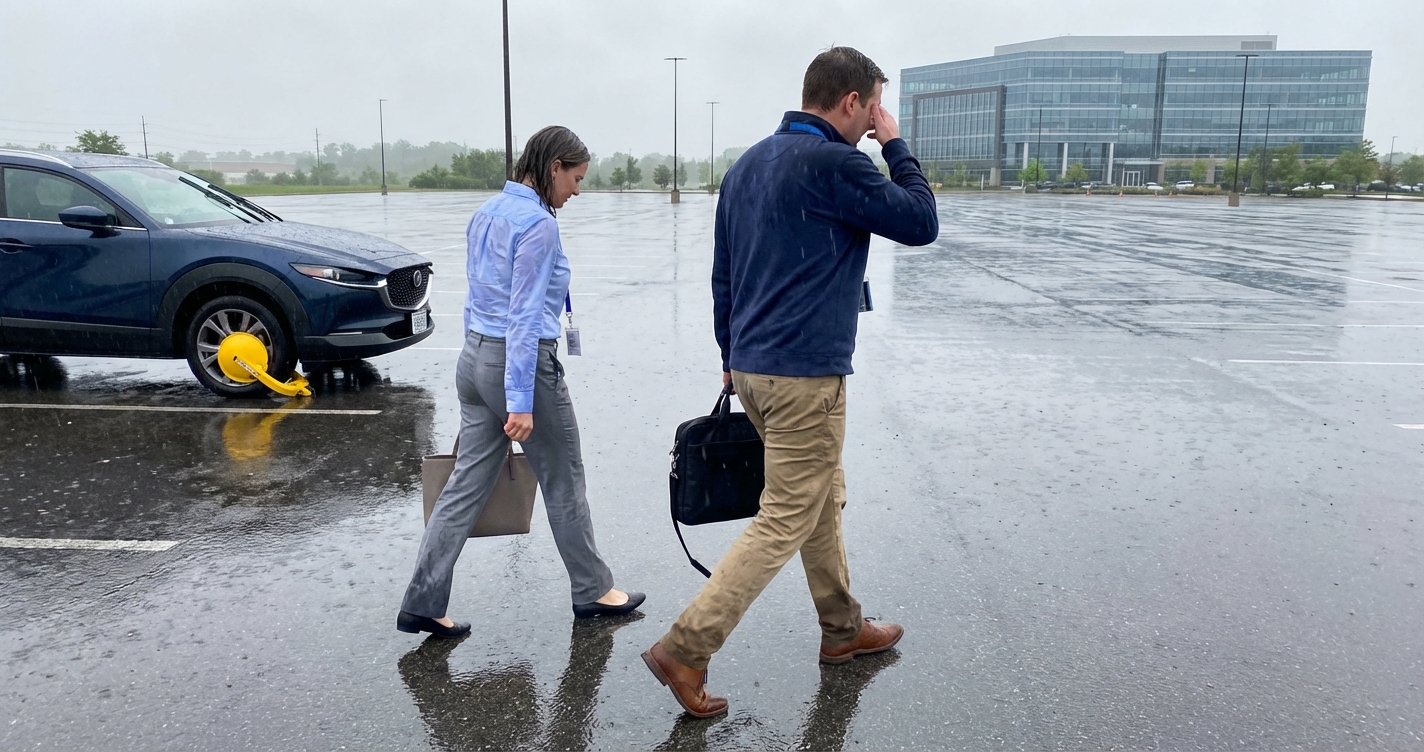
Picture walking back to your car after a full shift at Stellantis headquarters in Auburn Hills, Michigan. Rain is coming sideways. And there it is: a boot clamped to your wheel. Not because you parked illegally or because you blocked a fire lane. Because you drove the wrong brand. Stellantis reserves preferred parking exclusively for vehicles from its 14-brand portfolio. Ford, Toyota, Tesla, and Hyundai all get the same treatment. The policy escalated right as thousands of salaried workers returned to mandatory full-time office work on March 30, 2026.
The Worst Possible Timing
These workers had been working remotely. They commuted in their pajamas. Nobody cared what sat in their driveways. Then Stellantis ordered every U.S. salaried employee back to the office, and suddenly the parking lot became a loyalty checkpoint. Employees who park non-Stellantis vehicles in preferred spaces receive multiple warning stickers first. Ignore those, and enforcement escalates to a full parking boot. Removal requires calling your manager. That detail matters. Your boss has to know you drove the wrong car, and the company made sure of it.
An “Existing” Policy Nobody Knew About

Stellantis insists this is nothing new. A spokesperson told reporters employees “must adhere to posted signage and communications.” But employees flooding the r/Stellantis subreddit told a different story: they discovered the enforcement only after returning to campus. Ford and GM ran similar programs in the past. Ford now denies having designated non-Ford parking areas. Stellantis went the opposite direction, ramping up enforcement at the exact moment workers had no choice but to show up. A policy nobody enforced became a policy everybody feared.
The Boot Is the Message
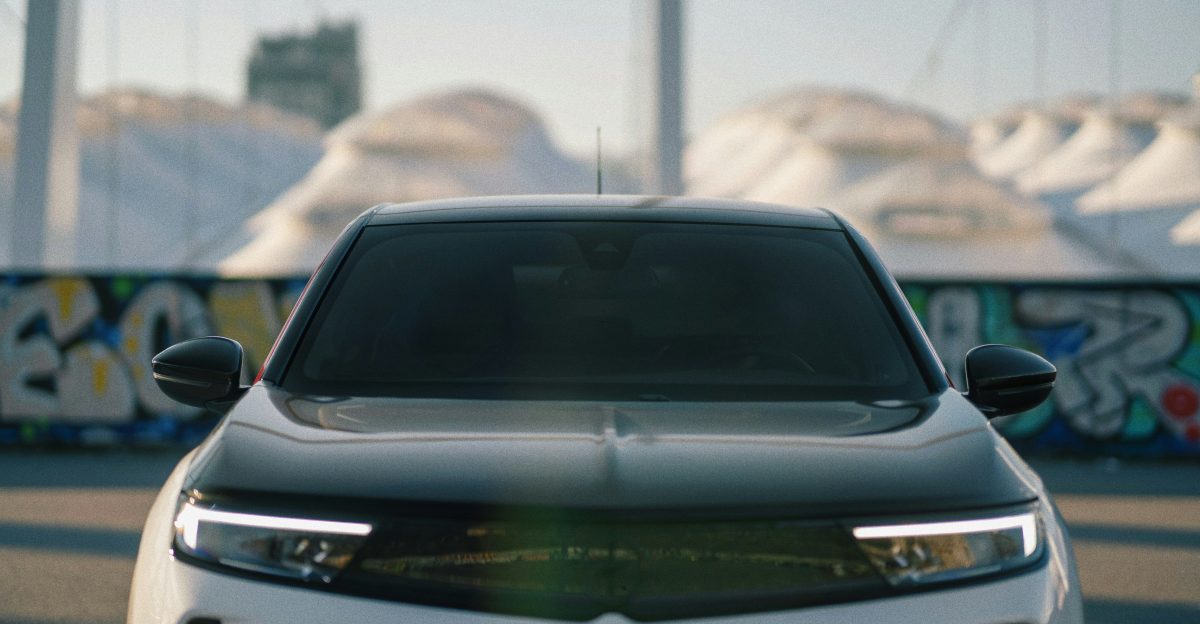
Stellantis forced employees back to the office, then immediately punished them for parking choices that were invisible during remote work. Multiple warnings precede booting, but escalation to immobilization is swift. The boot converts an advisory into coercion. Employees who refuse to comply face an extra 20 to 30 minutes of walking each day in Michigan weather. That’s not a parking inconvenience. That’s a daily penalty designed to change behavior. The average new car in America costs $50,326. Stellantis expects you to spend it on their brand.
How Parking Became Surveillance
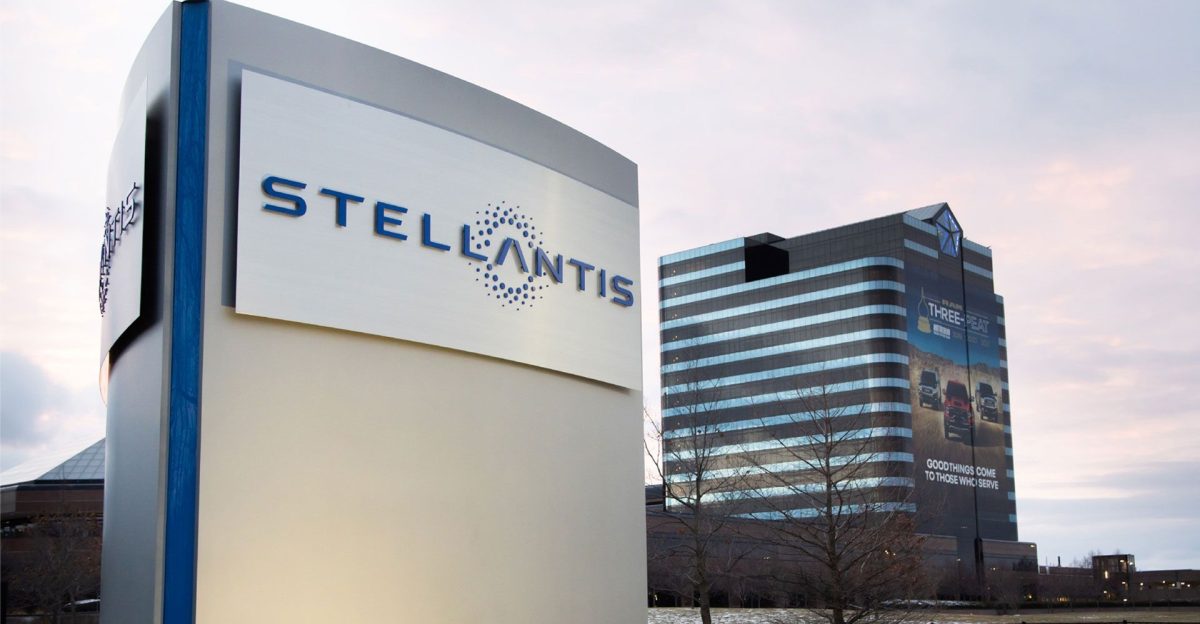
Instead of cutting pay or issuing mandates about vehicle purchases, Stellantis built a friction machine. Park the wrong brand, walk for half an hour. Get caught repeatedly, lose access to your car until your manager intervenes. The financial penalty hides inside daily inconvenience. No paycheck deduction. No written policy demanding you buy a Jeep. Just a system that makes every other choice progressively more miserable. Consumer attorney Steve Lehto confirmed the policy is legal, then added a warning: “If you park a foreign car in the lot, bad things might happen to it.”
A Company Bleeding Billions
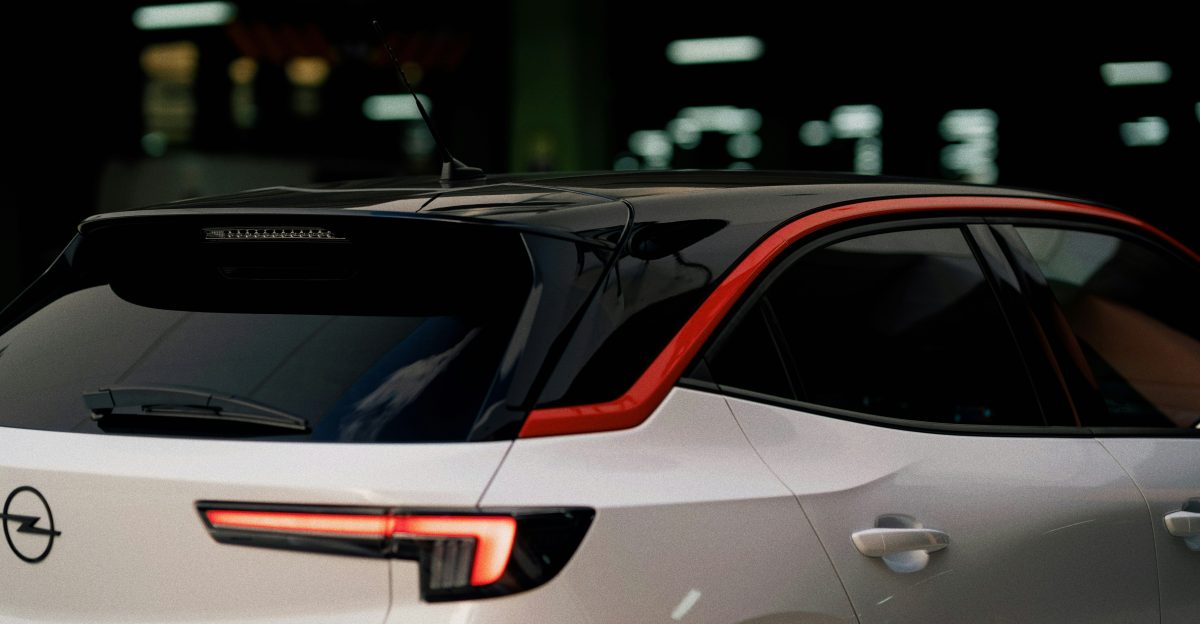
Here is what makes the parking theater absurd. Stellantis recorded €22.2 billion in charges during the second half of 2025. The full-year net loss hit €22.3 billion. The company suspended its dividend. Worker bonuses and profit-sharing took cuts. A new CEO, Antonio Filosa, replaced Carlos Tavares, whose high-margin pricing strategy had driven customers away. The company that cannot convince the American public to buy its cars is spending security resources making sure its own employees drive them.
The Ripple Nobody Predicted
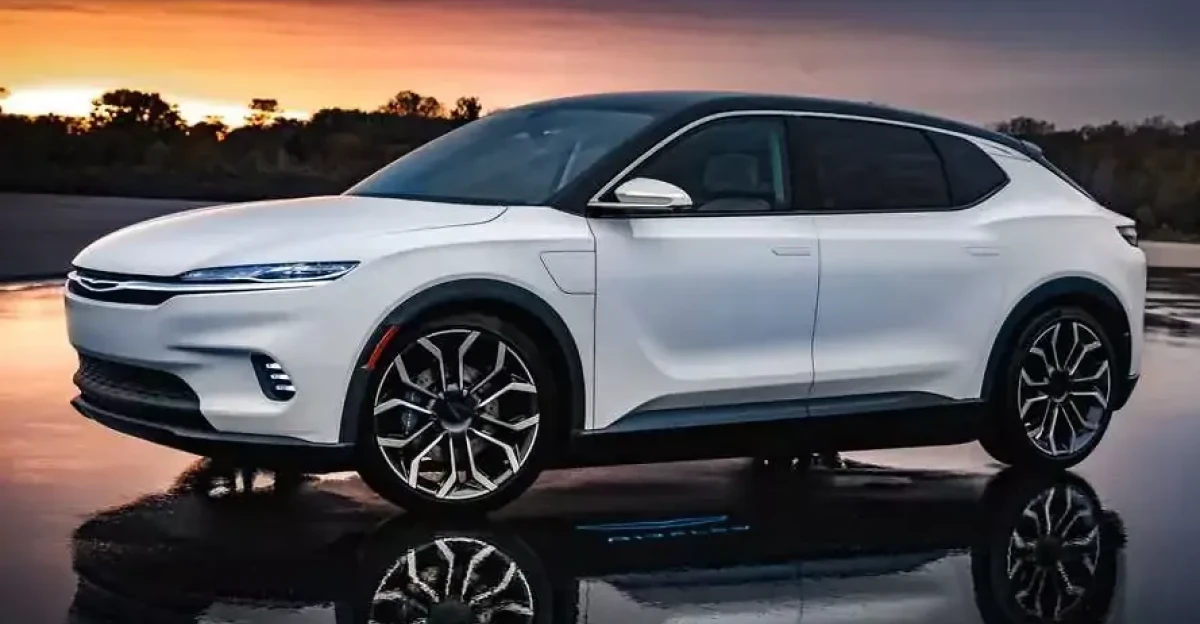
The UAW already clashed with Stellantis over slashed profit-sharing while non-union bonuses continued. Now, parking enforcement hands the union fresh ammunition for the next contract negotiation. Meanwhile, talented engineers and designers face a choice: buy a $50,000 company car, walk 30 minutes in the rain, or update their résumé. Ford and GM are watching. Other automakers will quietly reassess their own parking policies, calculating whether the brand-loyalty signal is worth the retention risk Stellantis just demonstrated.
The Eagle Talon Incident
One employee parked a 1990s Chrysler Eagle Talon at headquarters and received a ticket. The Eagle Talon is a Chrysler product. Chrysler is a Stellantis brand. Security ticketed a company car because nobody trained them to recognize the 14-brand portfolio they are supposed to enforce. Stellantis acknowledged the error, saying it was “reviewing its processes to help prevent such situations in the future.” Once you see that, the whole system collapses. A company with 14 brands built an enforcement apparatus that cannot identify its own vehicles. That is not a policy. That is theater.
What Comes Next
If enforcement continues unchecked, labor complaints could follow. State labor boards may scrutinize whether 20 to 30 minutes of forced walking constitutes uncompensated time added to the workday. More legacy-brand misidentifications are inevitable, each one eroding whatever credibility the policy retains. Employees are already organizing quiet resistance: venting frustration on the r/Stellantis subreddit and questioning the policy publicly. Stellantis will likely announce a “review” or “clarification” without formally reversing anything.
Your Driveway Is Company Property Now
If Stellantis normalizes this without major backlash, the precedent extends beyond automakers. Any large employer could weaponize workplace infrastructure to coerce personal purchasing decisions. Parking, lunch perks, office assignments: all potential leverage. The legal framework already permits it. What most people still assume is that what you drive on your own time is your business. Stellantis just proved otherwise. The company that lost billions trying to sell cars to America decided the easier play was forcing its own people to buy them.
Sources:
Felton, Ryan. “The Company Where Driving the Wrong Car to Work Can Get You a Ticket.” The Wall Street Journal, 25 Mar. 2026.
“Some Hero Got a Ticket for Parking an Eagle Talon in a Stellantis-Only Parking Lot as Company Tries to Get Workers to Drive Its Cars.” The Autopian, 25 Mar. 2026.
“Stellantis Reports Full Year 2025 Financial Results.” Stellantis N.V. Press Release via GlobeNewswire, 26 Feb. 2026.
“UAW Stellantis Workers Won’t Get Profit-Sharing Checks from 2025: ‘A Very Challenging Year.'” FOX 2 Detroit, 25 Feb. 2026.