Stellantis’ $26B Chinese Bet Crushes BYD—400,000 EVs And The ‘Niche’ Startup Won
Somewhere in Hangzhou, a factory floor hummed through the night. Not a prototype run. Not a publicity stunt. The fourth consecutive quarter of six-figure deliveries rolling off the line for a company most Western auto executives couldn’t name three years ago.
Leapmotor, a Chinese EV startup backed by Stellantis, just crossed 110,155 vehicles in a single quarter. Again. Meanwhile, the company everyone assumed owned the EV future posted numbers that sent analysts scrambling for new models. BYD’s throne had developed a crack nobody expected.
The Streak Nobody Predicted
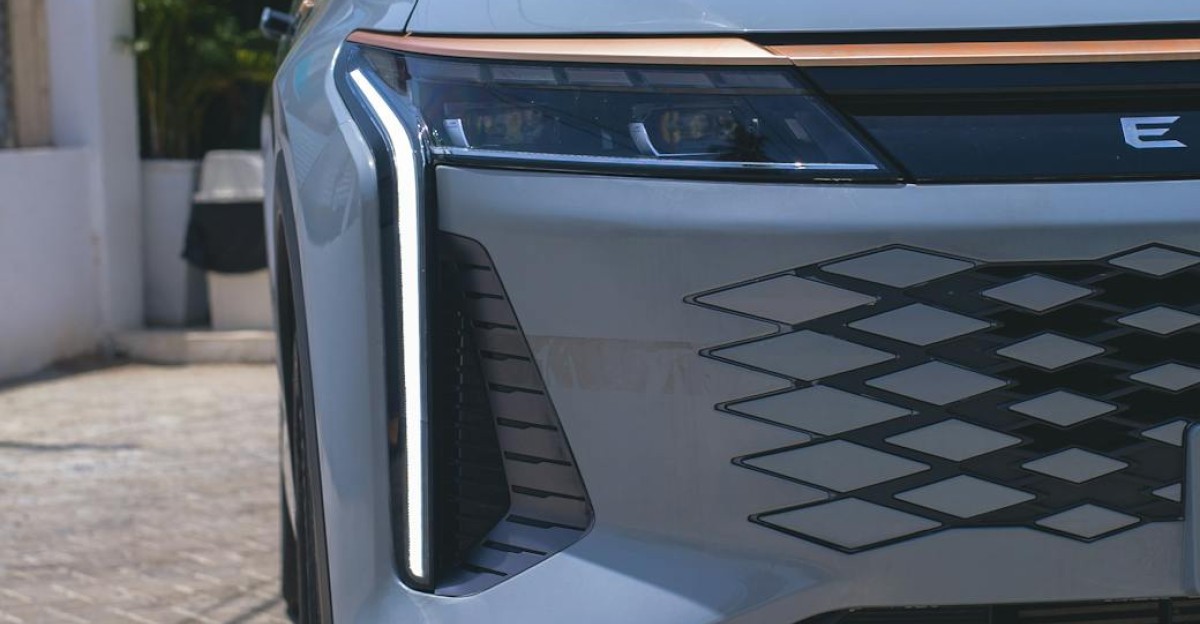
Four consecutive quarters above 100,000 deliveries. That number sounds clinical until you realize what it represents: roughly 400,000 vehicles annualized, from a startup that barely existed five years ago. Stellantis poured billions into its global EV transition and chose Leapmotor as its core Chinese platform. The bet looked risky in 2023. By Q1 2026, it looked prophetic.
Leapmotor grew deliveries 26% year over year in the same period BYD’s battery-electric sales declined significantly. That gap, fueled by a €1.5 billion strategic investment, carried a message for Detroit.
The Myth That Died in Hangzhou
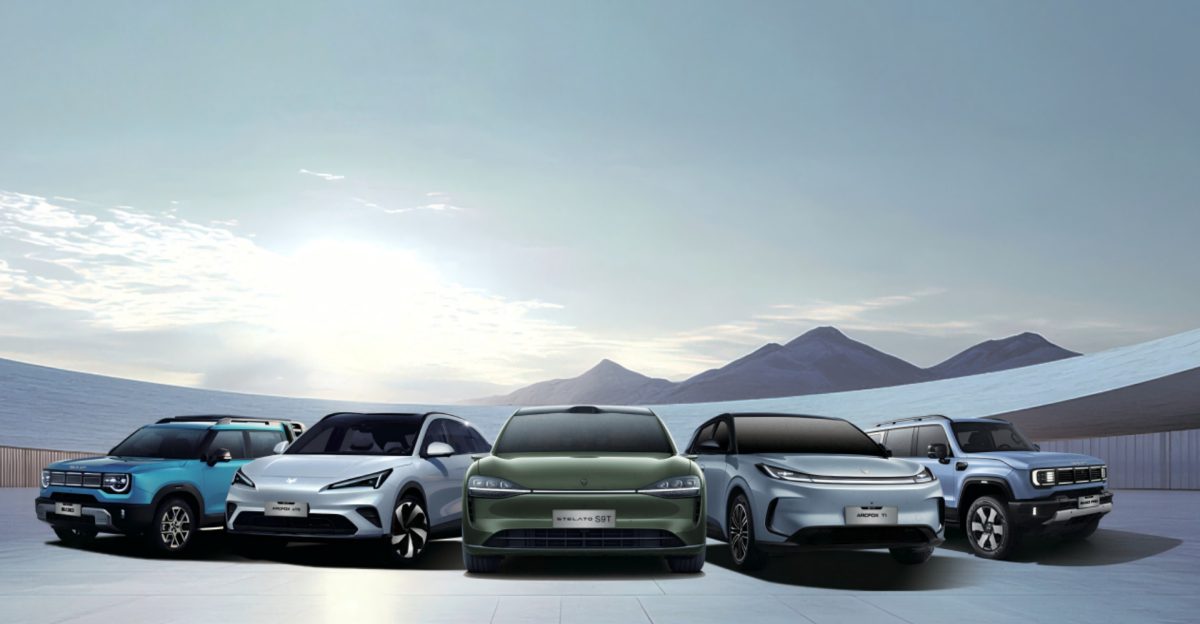
The assumption was simple: Chinese EV startups boom, then crash. NIO crossed 100,000 quarterly deliveries, then saw volume pull back sharply the following quarter. Leapmotor was supposed to follow that script. Instead, it sustained the threshold four times running and turned profitable, posting 540 million yuan in net income for 2025.
Gross margins climbed to 14.5%, up over six percentage points in a single year. This wasn’t a startup running hot. This was industrial maturity wearing a startup’s name. And BYD, whose founder Wang Chuanfu acknowledged in late 2025 that the company faced “a stern challenge from smaller rivals such as Xiaomi and Leapmotor,” now faced a competitor rewriting the rules it invented.
The Volume King Stumbles
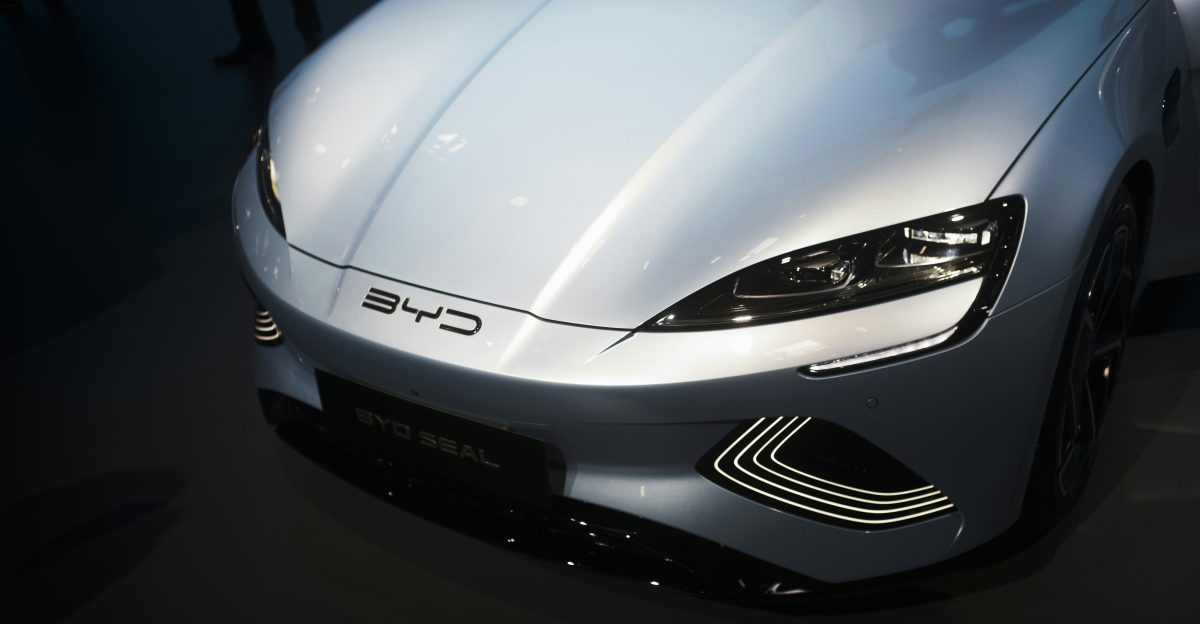
BYD still sold roughly 700,000 vehicles in Q1 2026. By raw volume, it remains the giant. But volume leaders never lose momentum in a growing market. Unless someone found what they missed. The crush was not in absolute scale — BYD remains far larger by volume. It was in trajectory: BYD’s battery-electric sales fell year over year while
Leapmotor’s rose 26%, a momentum inversion that signals how market leadership historically begins to shift. Four straight quarters. Profitability achieved. Margins expanding. BYD built the kingdom. Leapmotor, backed by Stellantis capital and left alone to execute, found the side door nobody was guarding.
The Hands-Off Weapon
Stellantis spent €1.5 billion for a roughly 20% stake in Leapmotor, then formed a joint venture giving Stellantis 51% control of international distribution. That €1.5 billion bet looks even more striking against the backdrop of Stellantis’ broader EV reckoning: the company booked roughly $26 billion in write-downs for 2025, largely from cancelled electrification programs in North America and Europe. Then it did something Western automakers almost never do: stepped back. No micromanagement. No committee approvals. Leapmotor kept its founding CEO, its engineering culture, its speed.
Volkswagen, Ford, GM, and Toyota built vertical integration empires. Stellantis bought agility and funded it massively. That contrast explains everything. The companies trying to control their Chinese EV strategy from Stuttgart or Dearborn are watching Leapmotor ship 100,000 vehicles while their own partnerships stall in boardrooms.
Numbers That Rewrite the Playbook
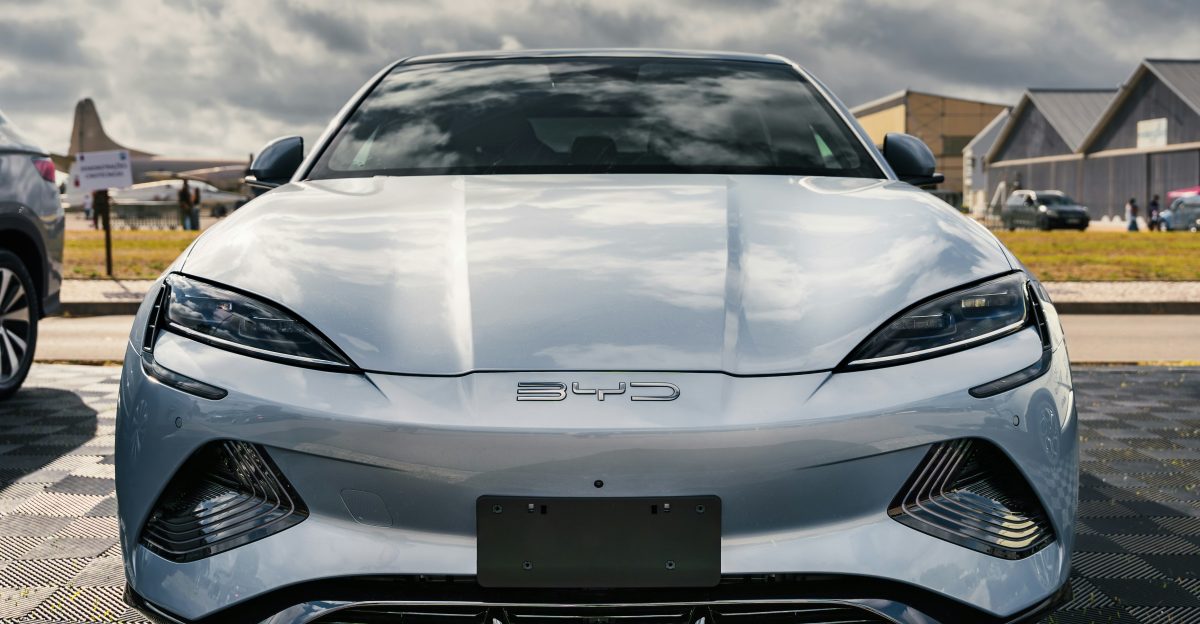
Leapmotor delivered 596,555 vehicles in 2025, more than doubling year-over-year. The company’s 2026 target: one million units. Cash reserves hit 37.88 billion yuan with positive free cash flow. No debt distress. No survival-mode pricing.
Meanwhile, BYD faces margin pressure that could force price cuts across the entire Chinese EV sector. If quarterly revenue at Leapmotor’s current volume and average selling price approaches over $1.5 billion, Stellantis leadership called it right: “A watershed moment for EV industrialization.” The financial architecture underneath Leapmotor looks nothing like a startup about to collapse.
The Duopoly Nobody Voted For
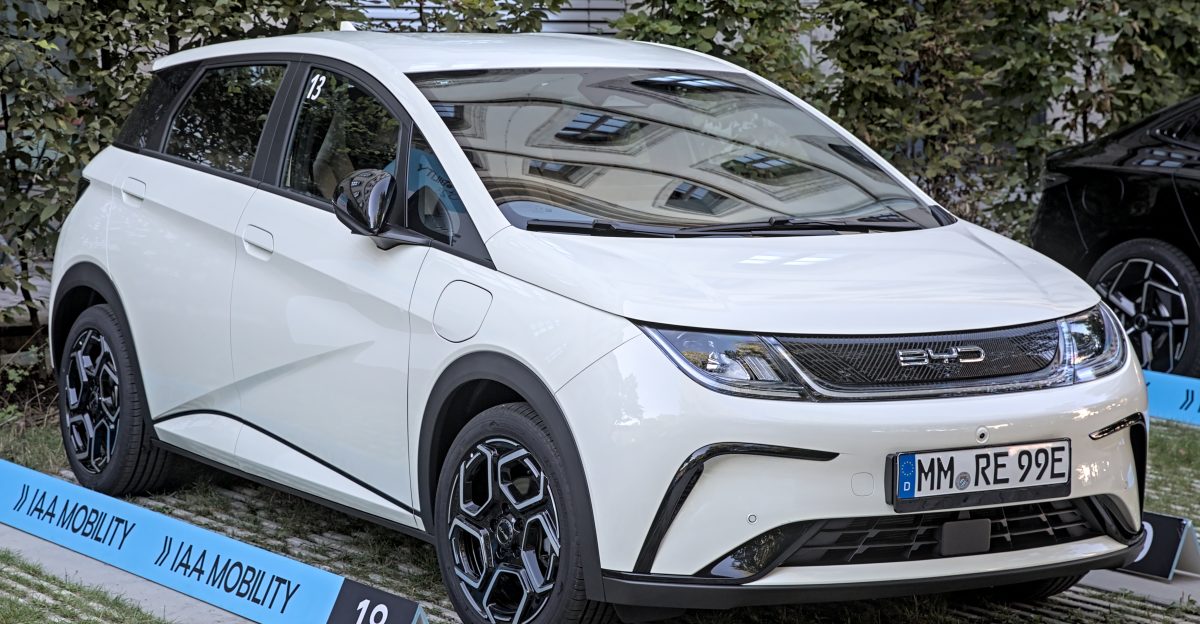
In 2015, more than 50 Chinese EV startups competed for market share. By 2026, fewer than 10 remain viable. Leapmotor and BYD have emerged as two of the most significant players shaping global EV supply and pricing. Smaller EV startups without comparable Western capital backing face growing consolidation pressure heading into 2027. BYD’s likely response to margin pressure: price cuts that trigger a global EV price war. Consumers benefit. Legacy automakers’ margins compress further.
Western brands without a Chinese platform partner aren’t just behind. They’re becoming distributors for companies headquartered in cities most Americans can’t pronounce.
The New Rule, Not the Exception

Stellantis’ hands-off partnership model is becoming the gold standard. Any automaker that tries to “manage” a Chinese subsidiary from overseas will underperform those that delegate. That precedent reshapes the entire industry. If Leapmotor reaches 500,000 annual deliveries by 2027, Stellantis becomes a top-three global EV manufacturer.
The EV war wasn’t won in Detroit, Stuttgart, or Tokyo. It was won in Hangzhou, by a company that opened over 800 sales outlets across Europe and expanded into South America and Africa while competitors debated org charts. Once you see that pattern, every Western automaker’s strategy looks two years too late.
The Clock Running Out
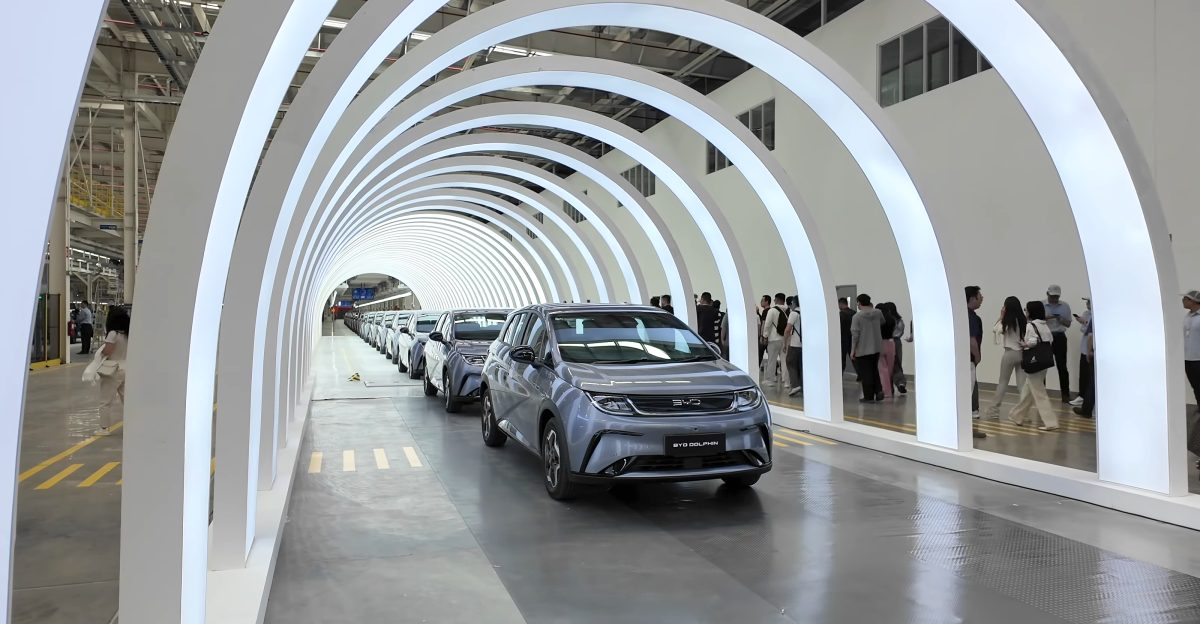
Leapmotor’s current capacity has an estimated 18-to-24-month runway before requiring major expansion capex. Stellantis will likely announce that expansion within months. If the trajectory holds, Stellantis stock could begin trading as a “Chinese EV play” rather than legacy auto, triggering a revaluation that pressures every competitor without equivalent Chinese access.
The remaining viable Chinese startups become acquisition targets overnight. Prices for those assets could spike 30 to 50 percent as Western automakers rush to secure access to platforms they should have locked in years ago. The window is closing, and the premium is climbing.
The Race to Copy Hangzhou
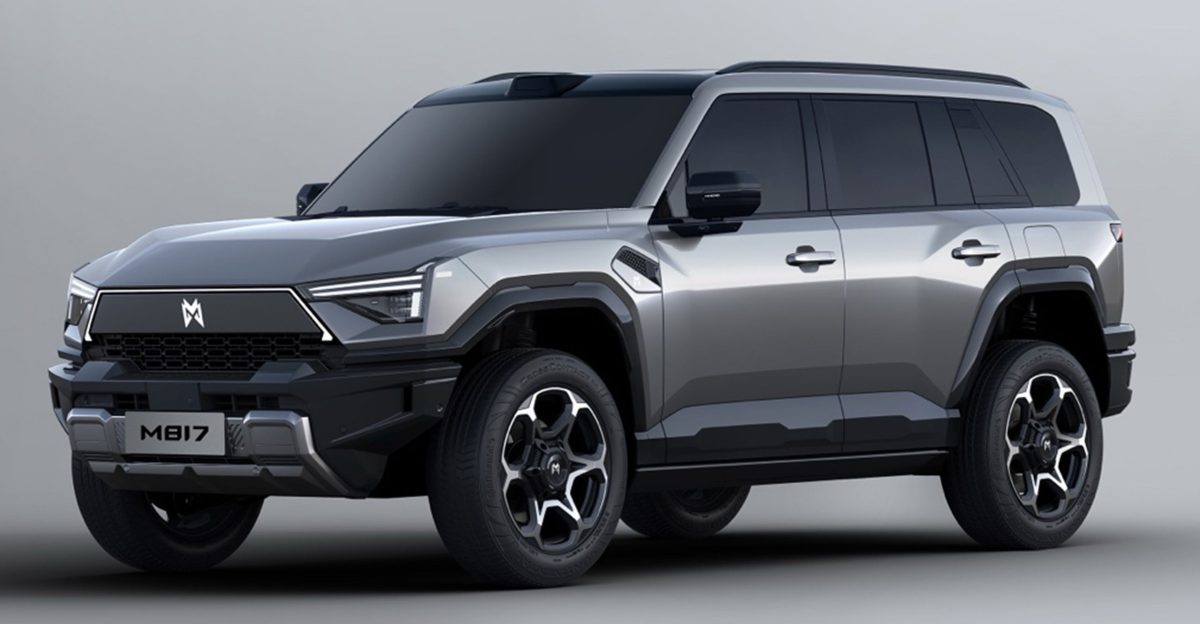
Ford, GM, or Toyota could announce a $15 billion-plus Chinese EV acquisition by late 2026. That move would trigger a consolidation wave, shrinking 10 Chinese players to five within three years. But Stellantis moved first, paid less, and got the better platform. Everyone copying the playbook now pays a premium for an inferior version.
The person who understands this story knows something most boardrooms are still debating: the EV future belongs to whoever partnered with Chinese manufacturing earliest and interfered the least. Stellantis placed that bet. The rest are still reading the menu.
Sources:
Leapmotor, “Leapmotor Q1 2026 Delivery Update,” press release, April 1, 2026.
Stellantis N.V., “Stellantis to Become a Strategic Shareholder of Leapmotor with €1.5 Billion Investment,” press release, Oct. 26, 2023.
Leapmotor, “Annual Results for the Fiscal Year Ended December 31, 2025,” financial filing, March 16, 2026.
BYD Co., “BYD Founder Wang Chuanfu Bets on New Tech to Win Back Customers as Sales Decelerate,” as reported by South China Morning Post, Dec. 4, 2025.
NIO Inc., “NIO Inc. Reports Unaudited Fourth Quarter and Full Year 2025 Financial Results,” press release, March 10, 2026.
Stellantis N.V., “Stellantis Resets Its Business to Meet Customer Preferences,” press release and earnings report, Feb. 5, 2026.