
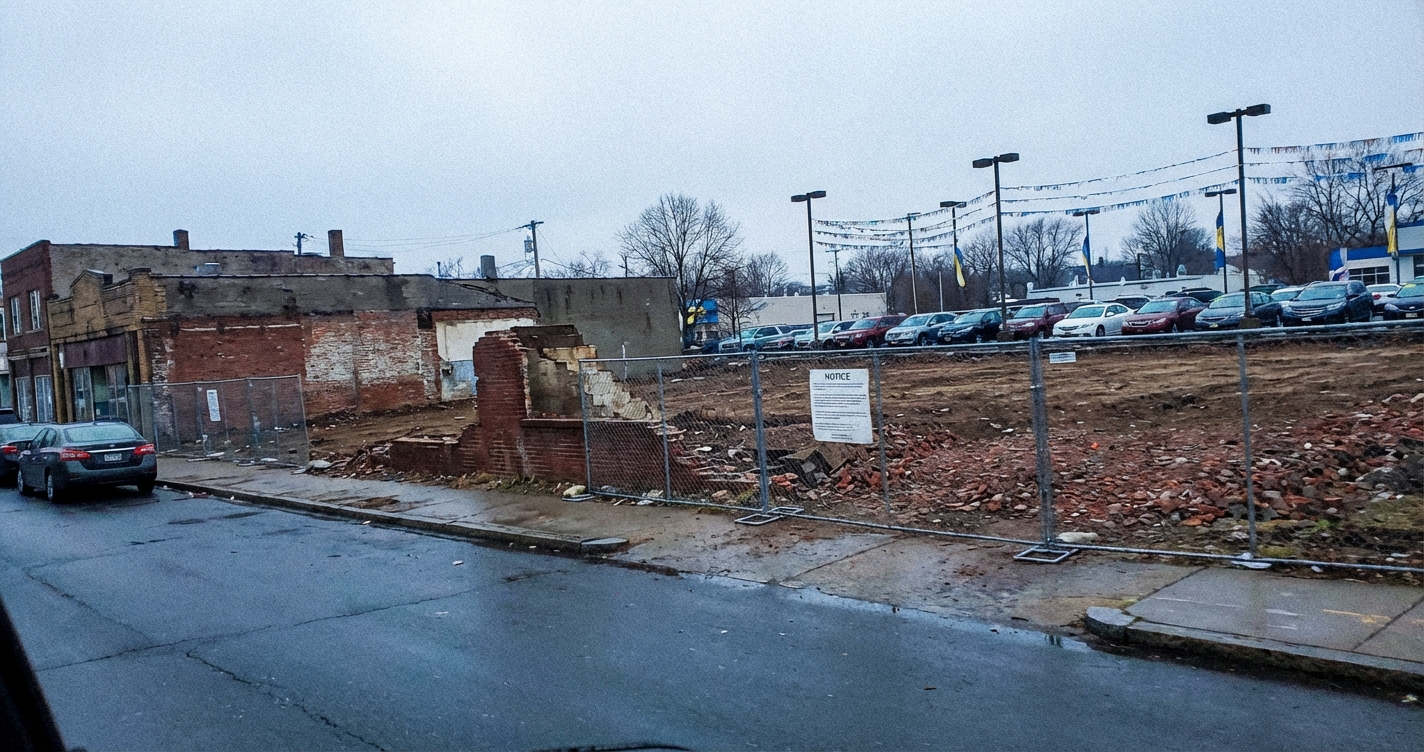
Springfield Auto Dealer Wins OK To Level Historic Building As Fears For Dozens Rise
A Springfield auto dealer received permission from the city to tear down a building officially recognized as historic. Not an empty lot or a forgotten warehouse. A real piece of Springfield’s history, approved for demolition by the city itself. The word “historic” was clearly printed on the paperwork.
The demolition permit was granted, and the local preservation community discovered they had no legal tools strong enough to stop it. The Springfield Historical Commission voted 4 to 1 to waive a nine-month demolition delay for a six-story, 1910 building at 135–139 Lyman Street, owned by auto dealer James “Jeb” Balise.
Historic Status, No Safeguard
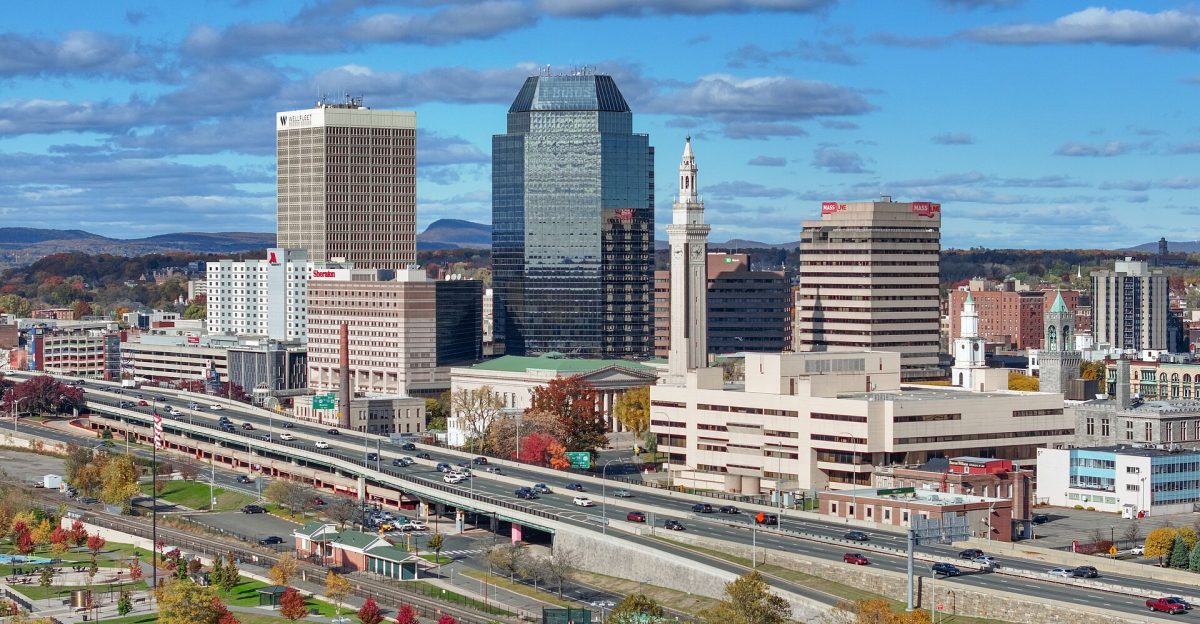
This dealer has knocked down more than one historic building in Springfield. A single case can be a business move. Multiple cases suggest a strategy: buy up historic buildings, obtain permits, clear the land.
This group had already removed several early-1900s buildings nearby as part of a plan to assemble land for a possible new courthouse. Preservation supporters expected the system to respond after the first demolition. It did not.
Pattern of Demolition Emerges
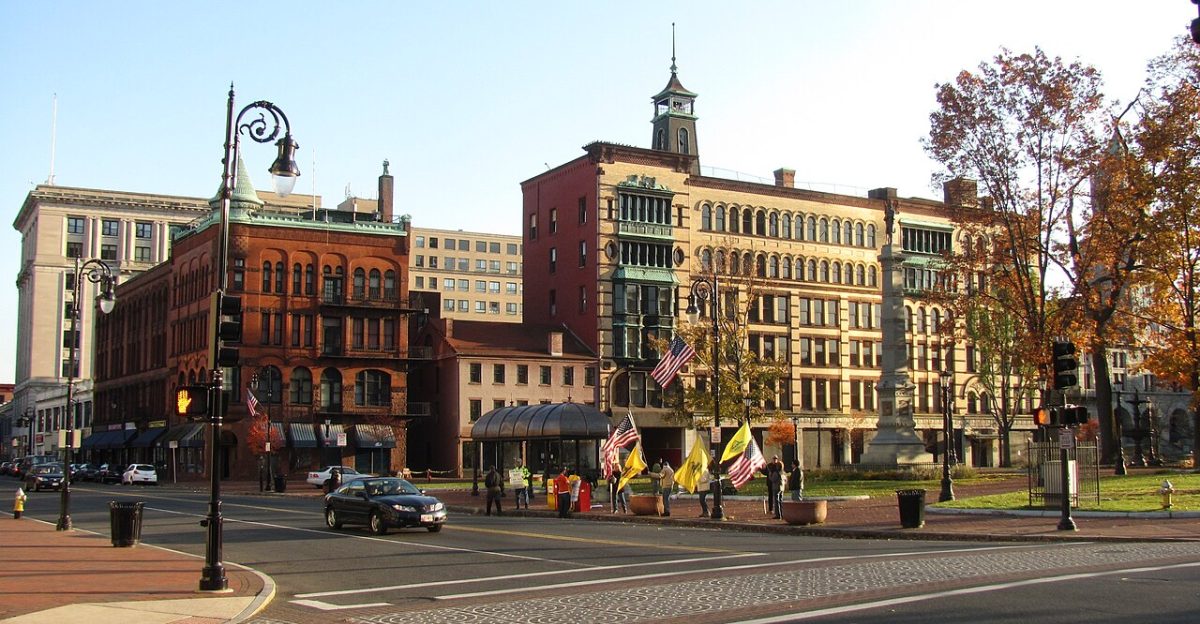
Many believe a building labeled “historic” is protected from demolition. The National Register of Historic Places, according to the National Park Service, is mainly an honorary list. It recognizes a place as important. It does not prevent the owner from tearing it down.
Without a specific local or state rule tied to the project, the plaque on the wall is only symbolic. Springfield, like many other cities, has learned that “historic” does not always mean “protected.”
Legal Protections Define Outcomes
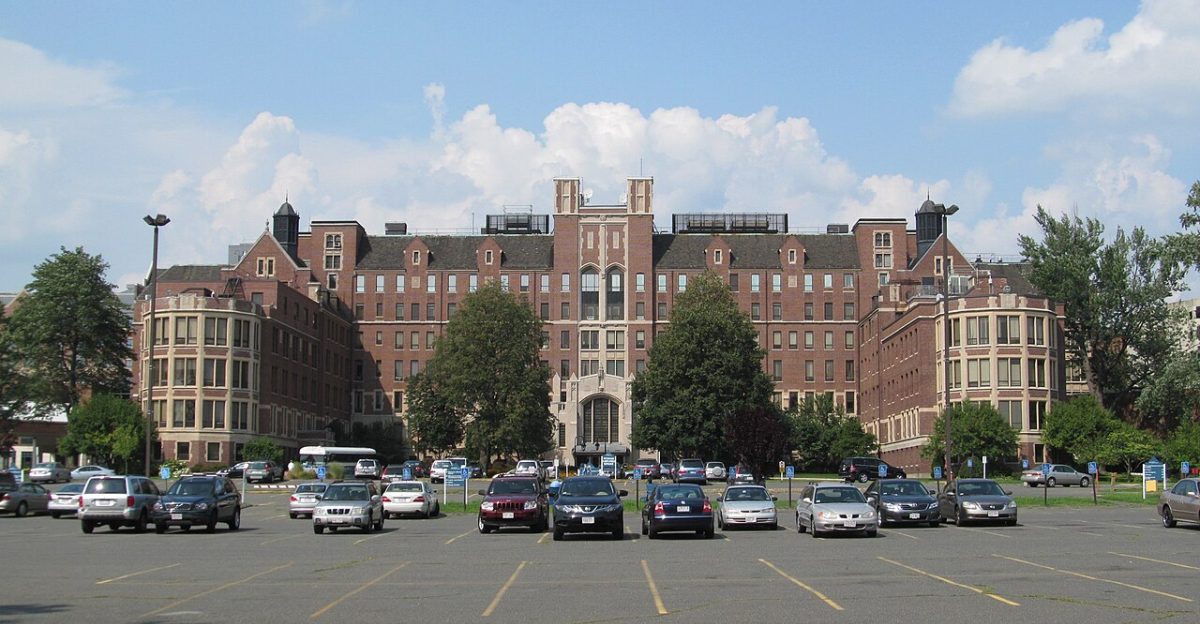
The preservation debate is often framed as history versus progress. The real issue is which laws apply, and when. In Massachusetts, the Massachusetts Historical Commission oversees preservation under state law, but only for certain projects.
If a demolition does not trigger a specific local or state review, the “historic” label on the paperwork has little effect. The dealer did not find a loophole. The rules lacked the power to stop the demolition.
The Building
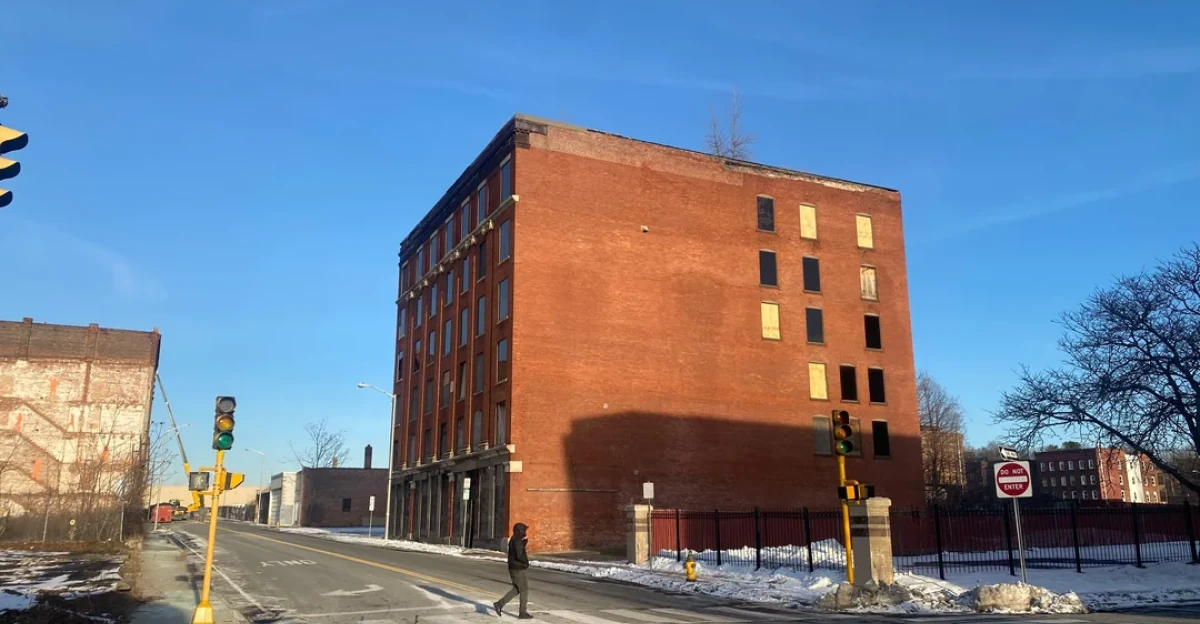
The six-story building at 135–139 Lyman Street was constructed in 1910, during Springfield’s commercial boom. The city was a manufacturing and retail hub at the time. This structure represents early 20th-century urban commercial architecture, typical of downtown Springfield’s Lyman Street corridor. The area housed retail shops, offices, and light industrial tenants who served the city’s growing population. Buildings from this era on Lyman Street formed a continuous streetscape of brick commercial blocks.
These blocks defined Springfield’s downtown character for more than a century. The property is over 75 years old. This qualifies it as “preferably preserved” under Springfield’s Chapter 218 demolition-delay ordinance. That ordinance requires a nine-month review period before demolition, unless the Historical Commission grants an exemption. The building’s age, construction quality, and role in the Lyman Street commercial district made it a candidate for preservation. The commission waived the delay and allowed demolition to proceed immediately.
Citywide Consequences
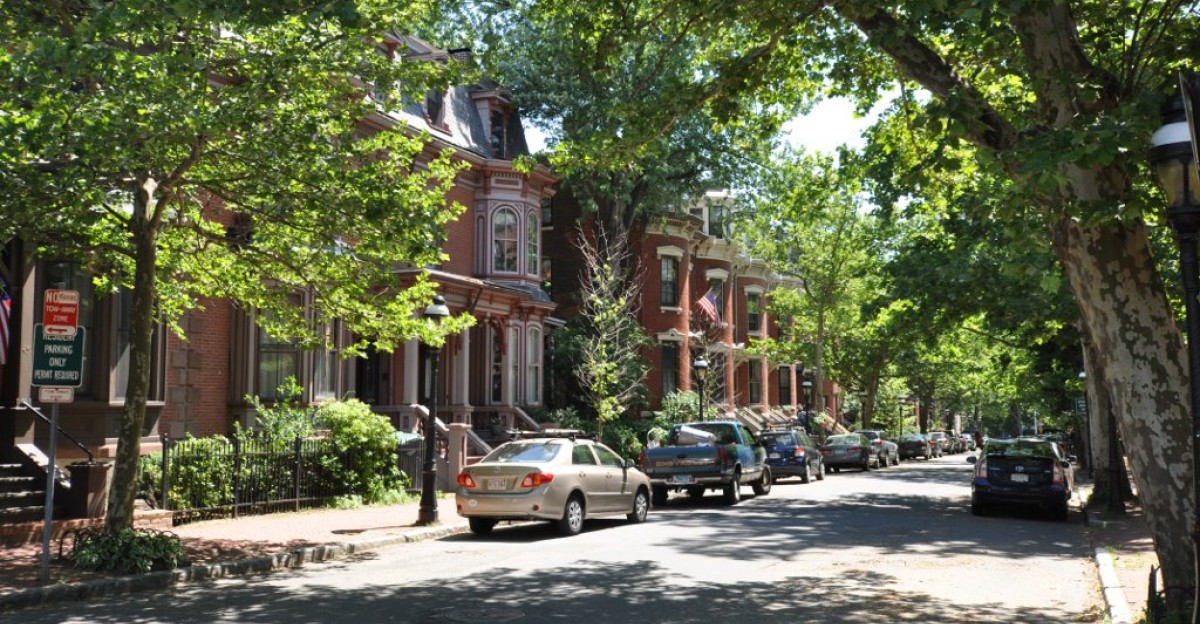
This demolition approval affects more than one property. Every owner in Springfield now sees that tearing down a historic building may be possible. “Historic” status loses meaning across the city. Other old buildings without legal protection are now at risk.
Developers see more opportunities, and neighborhoods change. The real message is not found in a legal document. It is written in the empty space where a building once stood.
The Courthouse Context
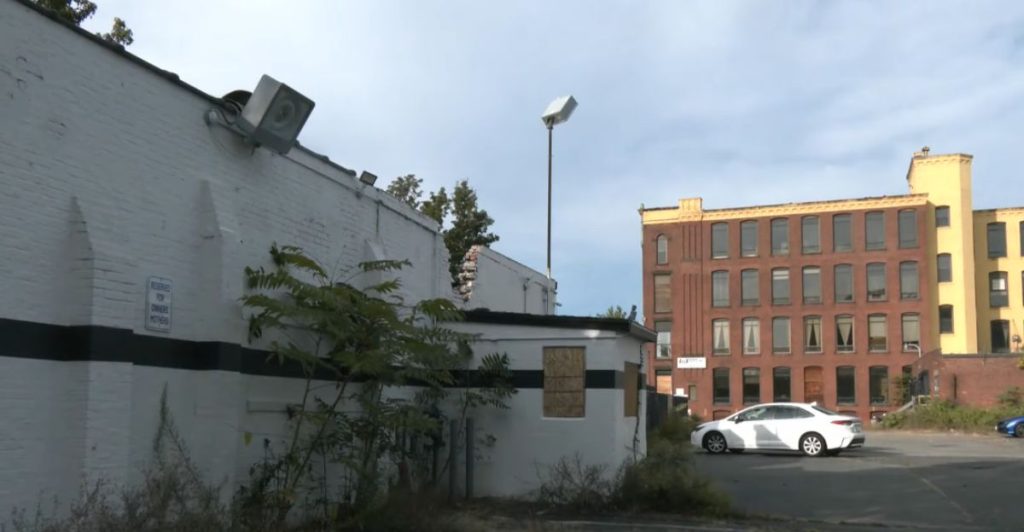
The demolition is part of a larger plan. Balise and partners are assembling land for a proposed new courthouse complex to replace Springfield’s Roderick L. Ireland Courthouse. The plan calls for clearing multiple historic buildings on Lyman and Chestnut streets. At least four properties, built between 1880 and 1910, would be removed to create a consolidated site for a modern judicial facility.
Proponents say a new courthouse would support downtown revitalization and keep state jobs in Springfield. The Massachusetts Trial Court has shown interest in moving from the current 1976 facility, which is considered outdated. The land-assembly strategy requires demolition of an entire block of early commercial architecture. The Historical Commission voted 4 to 1 to waive the demolition delay. This decision set the stage for a block-scale transformation of downtown.
Push for Stronger Protections

Preservation groups across Massachusetts are already pushing for designations with teeth: stronger local historic districts, tougher demolition delay ordinances like Springfield’s Chapter 218, protective covenants, and funding conditions that attach enforceable strings. The escalation path is clear. Springfield’s approval becomes the case study advocates cite when lobbying city councils for stronger rules.
Whether those efforts arrive fast enough to save the next building on someone’s acquisition list is the open question. The calls for reform are loud. The permitting clock is louder.
The Real Vulnerability
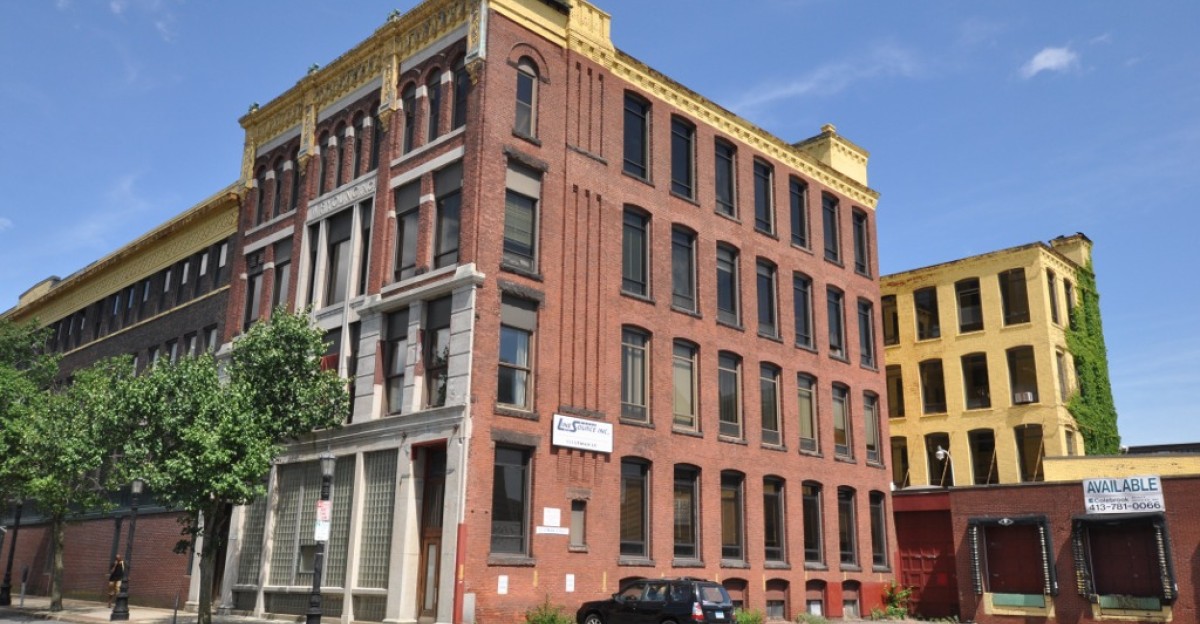
Here is what most people still don’t understand: a building can carry the word “historic” on every government database in the country and still be legally demolished tomorrow morning if no enforceable local or state trigger exists. The dealer who just secured a second demolition approval in Springfield didn’t exploit a loophole. The dealer followed the rules as written.
The next owner watching this unfold now knows exactly how thin those rules are, and the wrecking crew hasn’t even started yet.
Sources:
MassLive (via Facebook), Springfield auto dealer receives OK to tear down another historic building, 2026-03-17
MassLive/Yahoo syndication, Springfield developers unveil pitch to build courthouse on Lyman Street, 2025-09-19
The Reminder, Lyman Street courthouse proposals are coming, 2025-09-29
Massachusetts Historical Commission, Effects and Benefits of Listing in the National Register, 2023-12-31
Massachusetts Historical Commission, What to Know about Listing in the National Register of Historic Places, 2023-12-31
City of Springfield, MA – Code of Ordinances Chapter 218: Historic Preservation (Demolition Delay Ordinance), 2013-12-15