Sony And Honda Permanently Shut Down $90K ‘PlayStation On Wheels’ After Honda’s $15.7B Loss
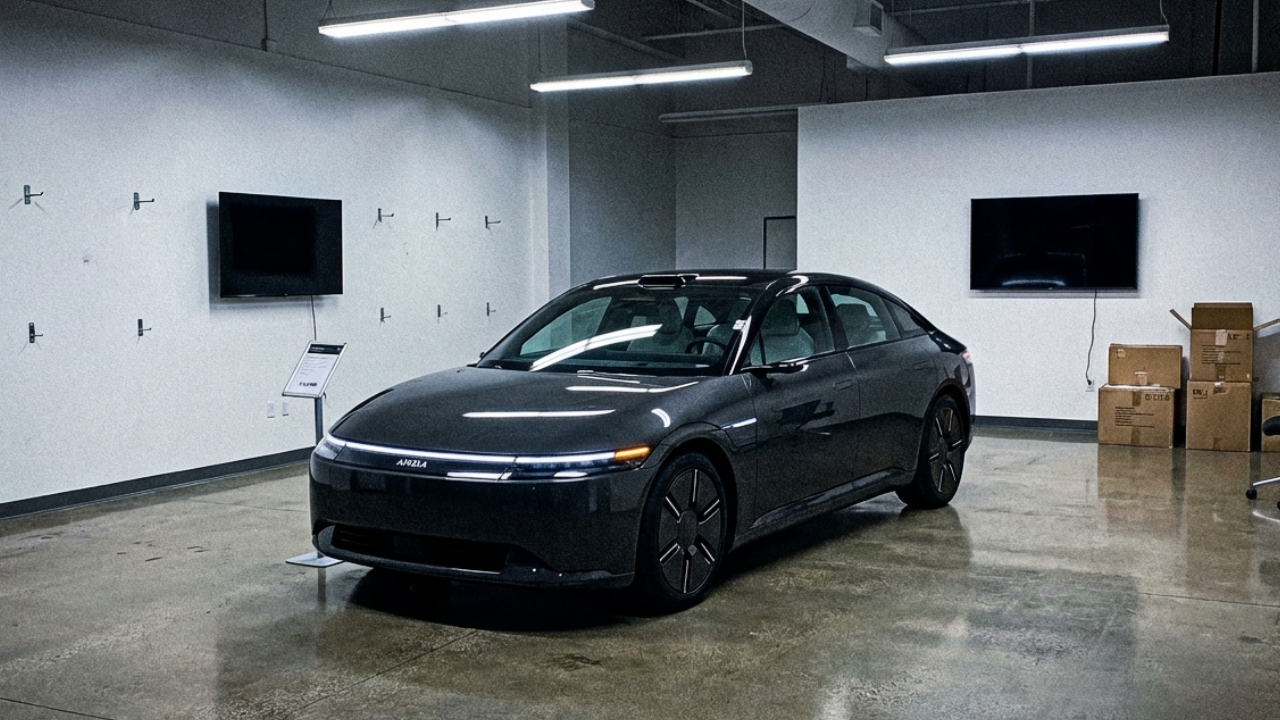
Eleven weeks. That’s how long the Afeela 1 survived between its production-spec debut at CES 2026 and its death certificate. Sony Honda Mobility executives stood on stage in January promising California deliveries by mid-year. The car had PlayStation Remote Play built in, Gran Turismo integration, spatial audio, 40 sensors for autonomous driving. Pre-production units were already rolling off the line at Honda’s East Liberty plant in Ohio. Customers had put down $200 reservations on a $89,900 sedan. Nobody on that stage mentioned that the entire project depended on a partner about to quit the EV business.
Honda Pulled the Plug First
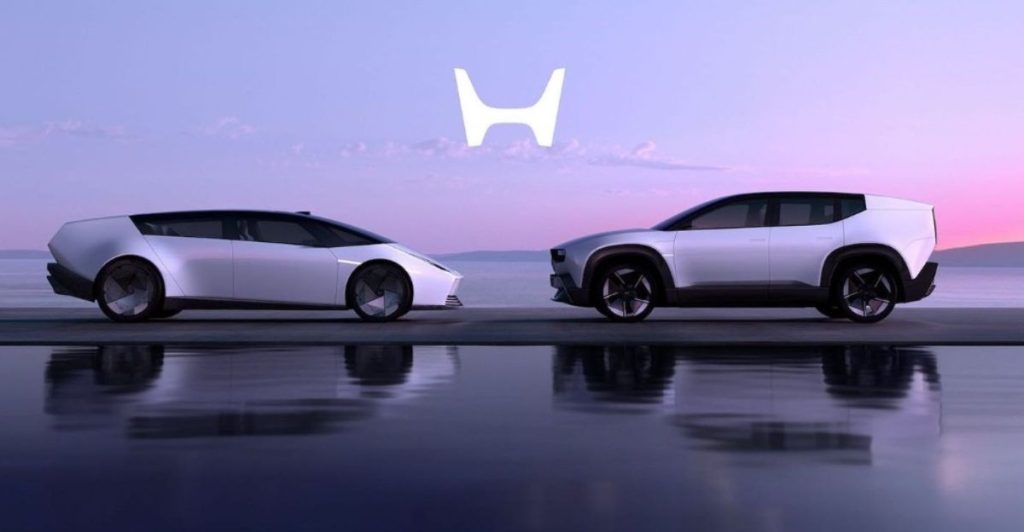
On March 12, Honda announced it was scrapping three EV models planned for North America: the Honda 0 SUV, 0 Saloon, and Acura RSX. The company blamed Trump tariffs, Chinese competition, and collapsing U.S. demand. Honda warned of up to $15.7 billion in restructuring costs and its first annual loss in roughly 70 years as a listed company. Stock dropped 5.6% in a single session. That March 12 decision gutted the platform, manufacturing infrastructure, and supply chain that the Afeela shared with Honda’s own EVs.
The Foundation Vanished Overnight
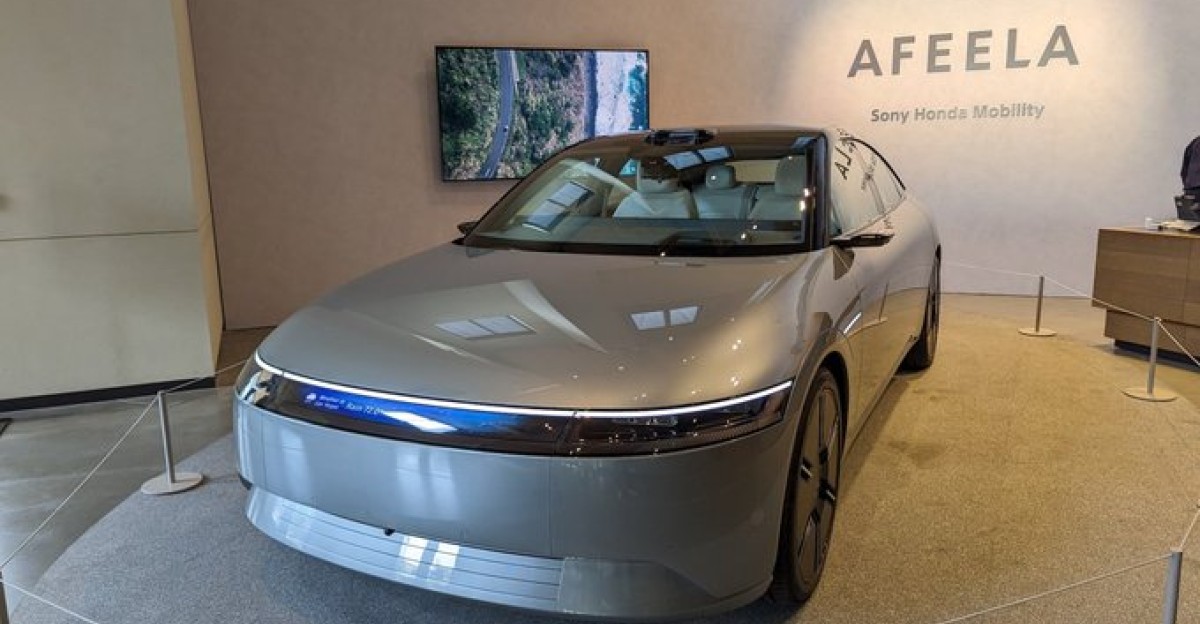
Sony Honda Mobility operated as an “asset-light” venture. Sony brought the entertainment tech. Honda brought the factory, the platform, and the parts. When Honda abandoned its own EV lineup, SHM lost access to the manufacturing backbone it had no ability to replace. The assumption most people carried, that a $100-billion-plus tech giant like Sony could muscle through any setback, cracked against a simple reality: Sony couldn’t build a single car without Honda’s supply chain. The brilliance of the product meant nothing without the infrastructure underneath it.
Seventy-Eight Days, Start to Finish
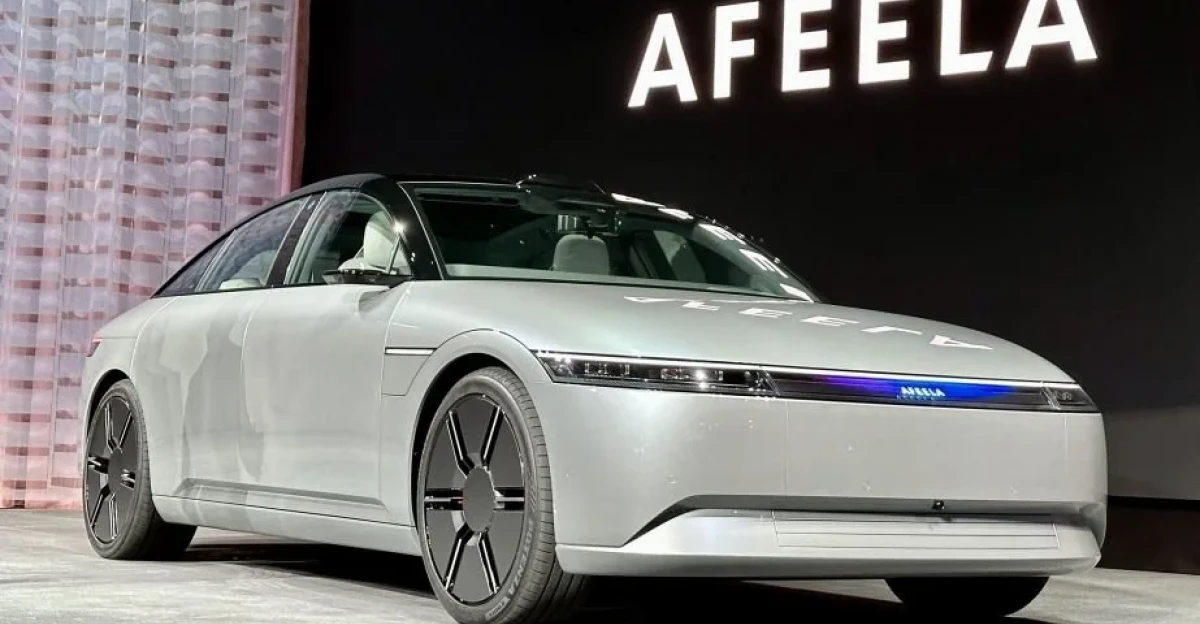
On March 25, SHM made it official: development discontinued, both the sedan and a planned SUV. “SHM has determined that it does not have a viable path forward to bring the Models to market as originally planned.” Seventy-eight days from premiere to cancellation. Pre-production vehicles completed. Reservations collected. Employees hired across Tokyo and California. Then gone. Honda cited an inability to compete on value against newer EV manufacturers. That confession covered the Afeela’s grave with Honda’s own dirt.
Supply Chain Is the Only Throne
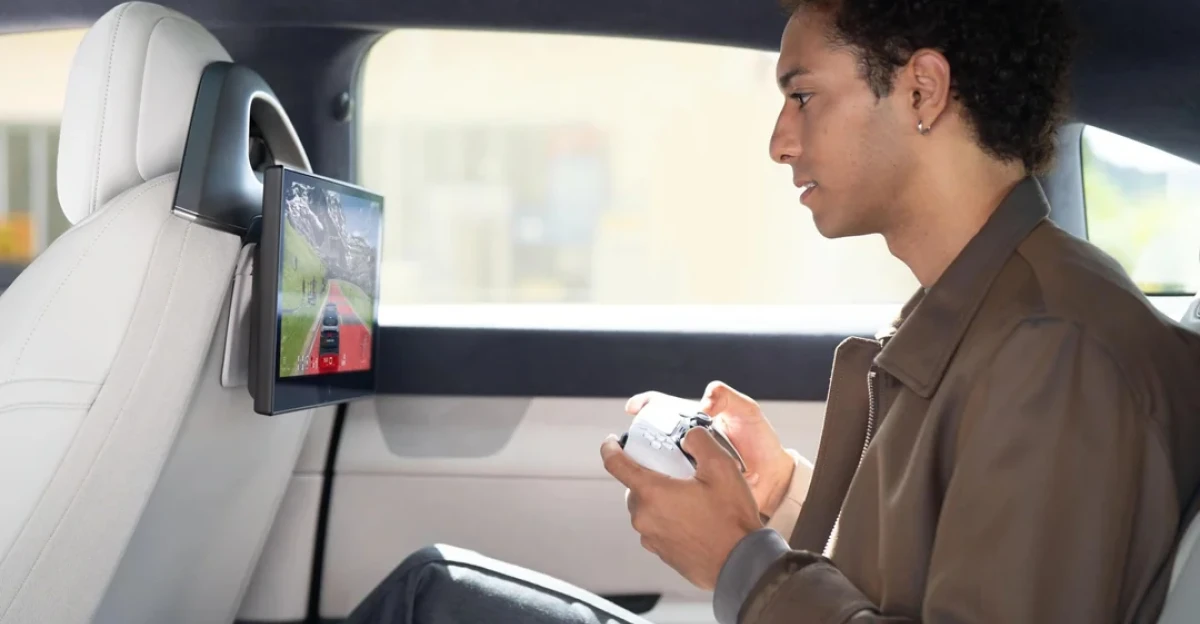
Sony had world-class technology. Dual 180-kW motors, 91-kWh battery, 300-mile range, Level 2+ autonomy with a roadmap toward Level 4. Grammy-nominated producers designing custom motor sounds. A car you could literally play Gran Turismo 7 inside. None of it mattered. Automotive manufacturing and supply chain control remain the kingmakers, not software, not brand, not entertainment ecosystems. SHM couldn’t pivot to another manufacturer in weeks. Retooling a platform takes years. That structural dependency is what killed the Afeela, not any flaw in the car itself.
The Numbers Behind the Wreckage
U.S. EV sales dropped 26.8% year-over-year in February 2026. Battery-electric market share sat at 5.6%. The average EV price premium over a gas vehicle narrowed to $6,532, the lowest on record, which sounds like progress until you realize it means EV profit margins are evaporating. Meanwhile, automakers globally poured roughly $330 billion into EV investments between 2021 and 2024. By early 2026, the industry had absorbed an estimated $65 billion in writedowns. Sony’s SEC filing called the Afeela shutdown “not material” to its finances. For 300-plus SHM employees, that word stings.
The Ripple Hits Everyone
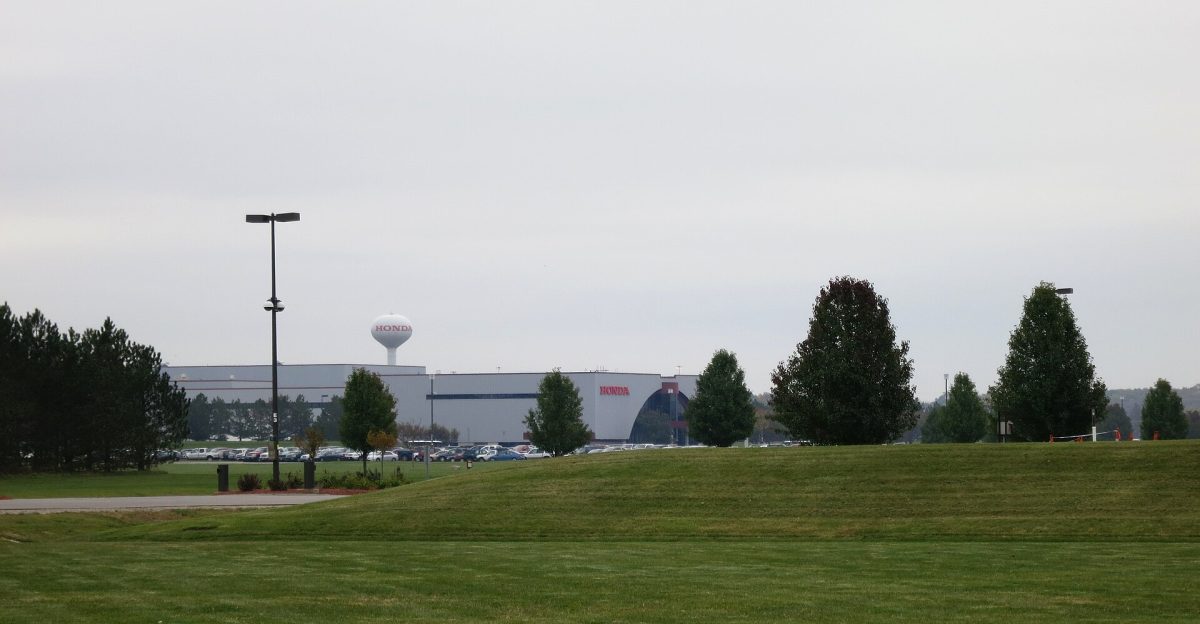
SHM layoffs are coming. California offices face closure. Ohio’s East Liberty plant loses the Afeela contract. Reservation holders get $200 back on what would have been a $90,000 purchase. Suppliers who scaled up for Afeela-tier production now eat cancellation costs. And the precedent radiates outward: Apple already killed its car project. Google’s Waymo builds software, not vehicles. Any future tech company considering a full-vehicle manufacturing partnership just watched Sony fail with one of Japan’s largest automakers. Tens of thousands of U.S. automotive jobs have been cut since mid-2025.
Why China Keeps Winning
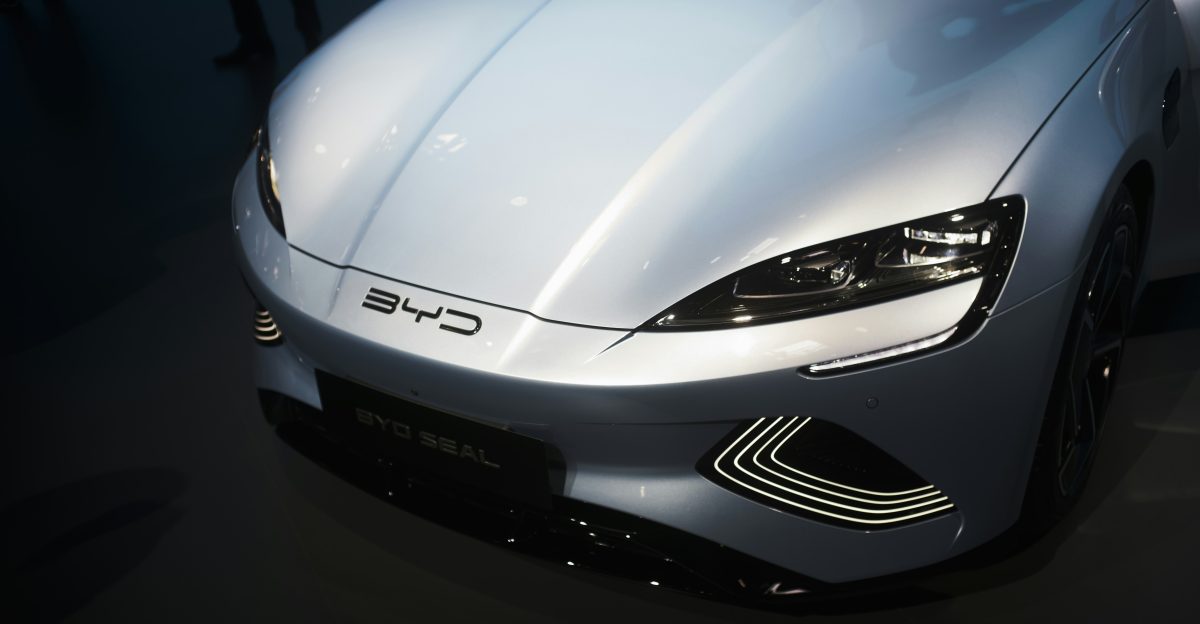
Chinese OEMs now control 70% of China’s passenger vehicle market. Foreign brands lost roughly 34 percentage points of share since 2020. BYD sold 4.27 million vehicles. Geely sold over 2 million. They win because they own the batteries, the chips, the software, and the assembly lines. Vertical integration from raw material to finished car. Western automakers fragmented those supply chains decades ago through outsourcing. That fragmentation is now a death sentence in a price-sensitive EV market. Once you see it, the Afeela story stops being about one car and becomes about an entire industrial model collapsing.
More Writedowns Are Coming
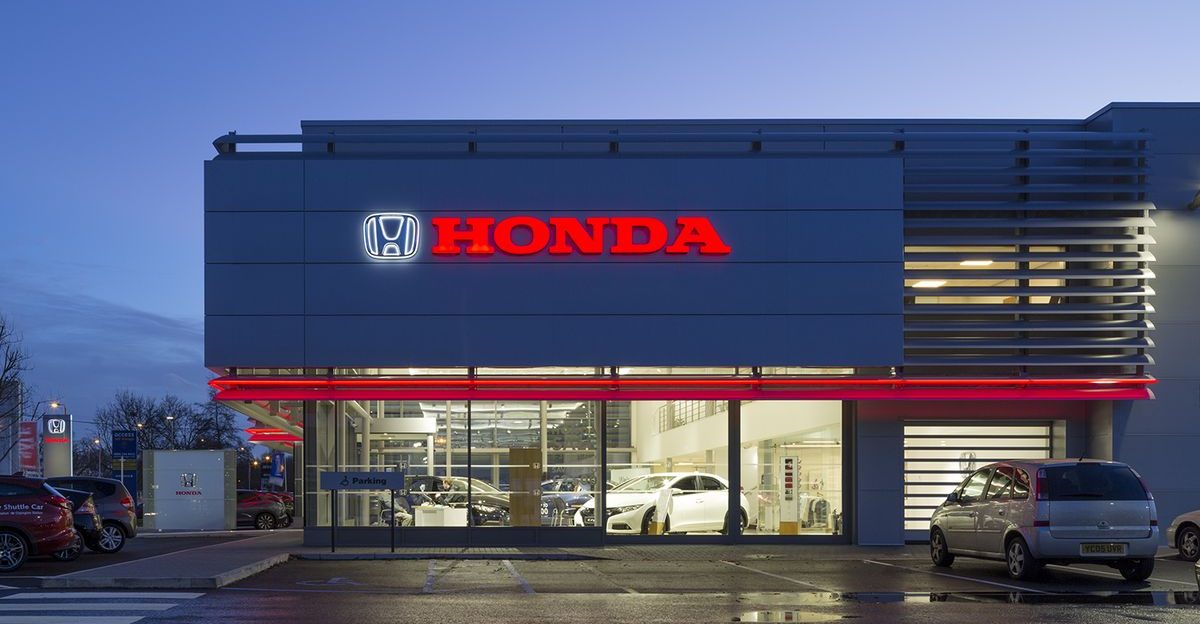
Honda warned additional expenses remain possible. Stellantis already recorded roughly $24 billion in losses in the second half of 2025. Ford has absorbed billions. GM the same. Global EV registrations fell 3% year-over-year in January 2026, the first major retreat after years of growth. Every startup or joint venture still dependent on a legacy automaker’s supply chain is sitting on the same fault line that swallowed the Afeela.
The Only Place You Can Drive One
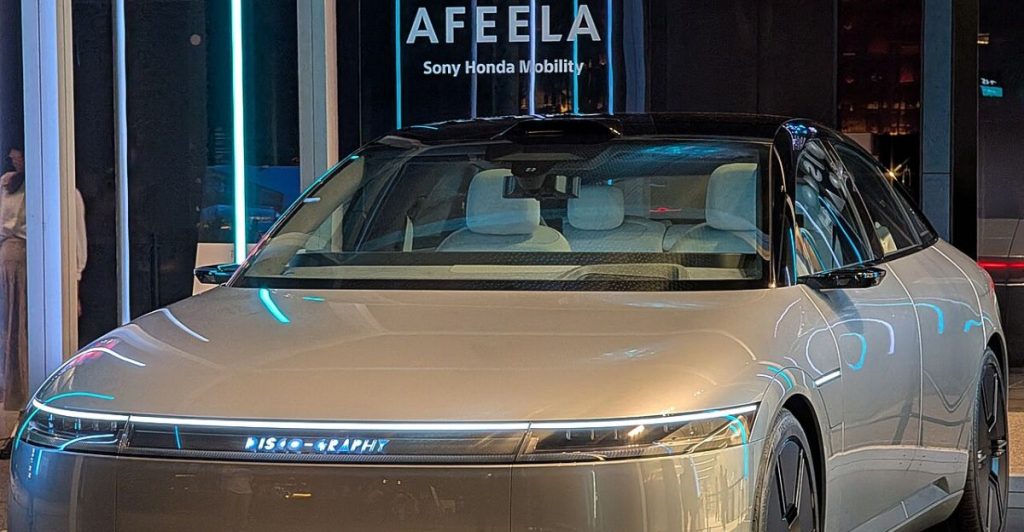
Six years of development. CES concept in 2020. Prototype in 2023. Production spec in January 2026. Dead by March. The only place anyone will ever drive an Afeela is inside Gran Turismo 7. SHM says it will “continue discussions” about its future, but resumption would require finding a new manufacturing partner, rebuilding a platform from scratch, and restarting a supply chain in a market where demand is shrinking. Chinese OEMs are expanding into Thailand, Mexico, and India while Western automakers retreat. The next company that tries to disrupt automotive with technology alone will have to explain why it thinks it can succeed where Sony couldn’t.
Sources:
“Discontinuation of Development and Launch of AFEELA 1 and the Second Model of AFEELA Vehicles.” Sony Honda Mobility Inc., 25 Mar 2026.
“Honda Announces Losses Associated with Reassessment of Automobile Electrification Strategy; Revision to Forecast for Consolidated Financial Results; and Future Direction.” Honda Motor Co., Ltd., 12 Mar 2026.
“2026 Afeela 1 EV Will Start at $89,900, Feature Subscription Services.” Car and Driver, 6 Jan 2025.
“Honda Shares Slide Nearly 6% as Automaker Faces First Annual Loss.” Reuters, 12 Mar 2026.