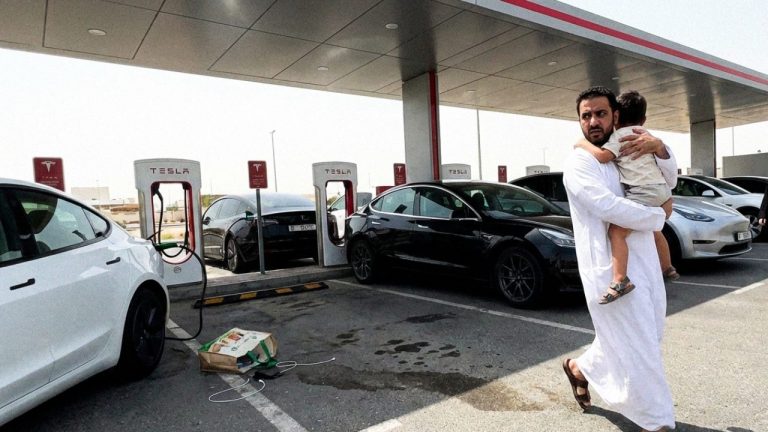
‘Sold Us Out’ GM Cuts 2,300 EV Jobs And Writes Off $7.6B— 300,000 Used EVs Hit The Market
General Motors just absorbed $7.6 billion in EV losses and cut more than 2,300 jobs at its Factory ZERO plant in Detroit, a rolling series of permanent and temporary cuts accumulated since late 2025, including roughly 1,300 workers on temporary layoff through mid-April. The stock? Up 50% in 2025. Wall Street rewarded GM for retreating from electric vehicles. That part everyone knows. The part worth tracking is where the wreckage lands. Because those written-off EVs didn’t vanish. Over 300,000 of them are rolling back from leases in 2026, a 200% spike over last year, and they’re about to reshape a market that GM, Trump, and the oil industry all assumed they controlled.
The $2.25 Assumption That Broke
Trump’s EPA built its entire EV rollback on one number: $2.25 per gallon of gasoline in 2027. That was the cost-benefit anchor justifying the elimination of emission standards, the $7,500 tax credit, and the NEVI charging freeze. Then, on February 28, 2026, the U.S. launched military operations against Iran. The Strait of Hormuz, carrying 20% of the world’s oil, was blockaded within days. By April 3, the Brent crude spot price hit $141.36 per barrel — the highest since the 2008 financial crisis, with futures settling around $109. The EIA revised its 2026 gas forecast to $3.34 per gallon. The assumption died in a month.
Your Gas Bill Just Got Permanent

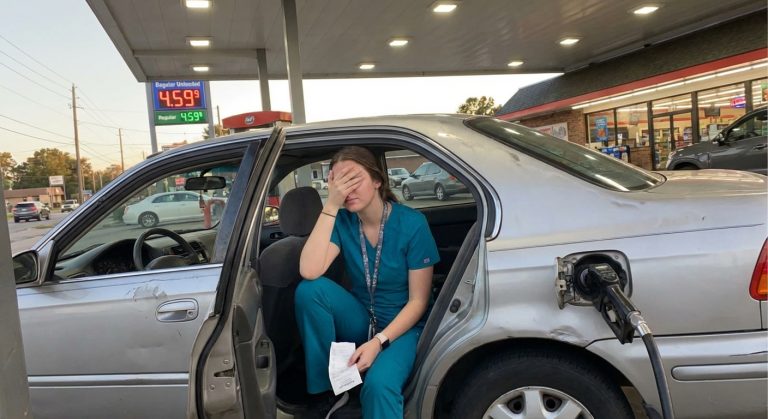
At $3.34 per gallon, the average EV owner saves roughly $1,396 a year over a gas vehicle driving 15,000 miles. Home charging runs about $10 for a full battery. That math existed before the Iran conflict, but it was easy to ignore when gas sat near $2.50. Nobody’s ignoring it now. Edmunds reported rising EV inquiry searches as pump prices climbed. Amanda Levin of the NRDC had warned: “The policies that Trump is putting into place would actually increase the price of gasoline.” Oil at $110-plus proved her right.
GM’s Quiet Luxury Pivot
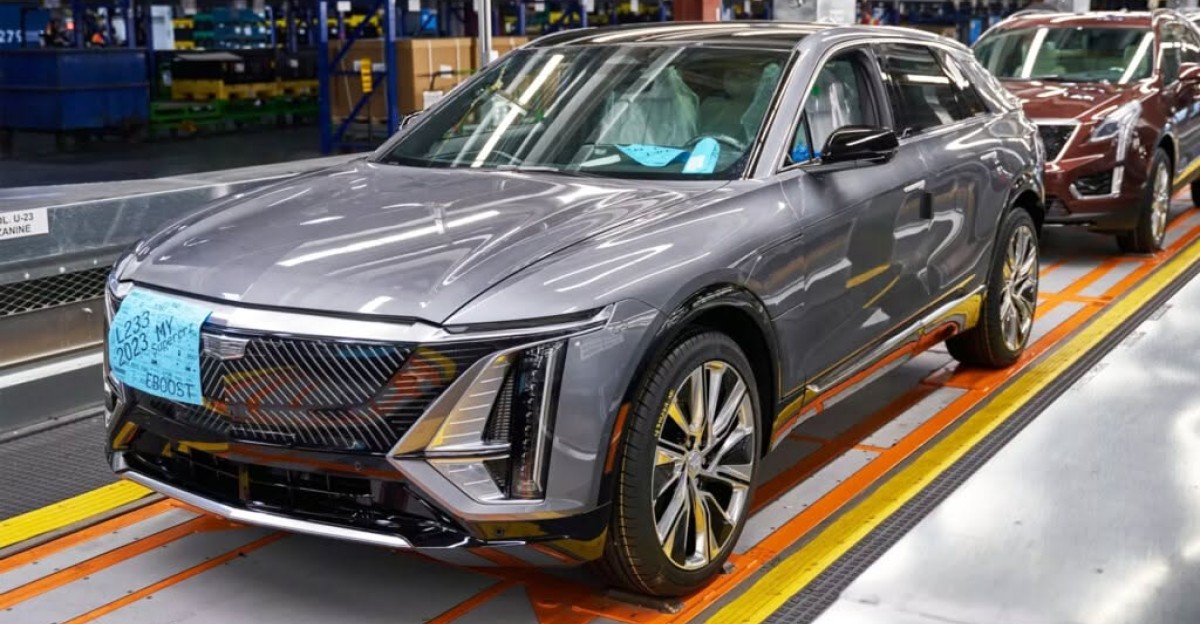
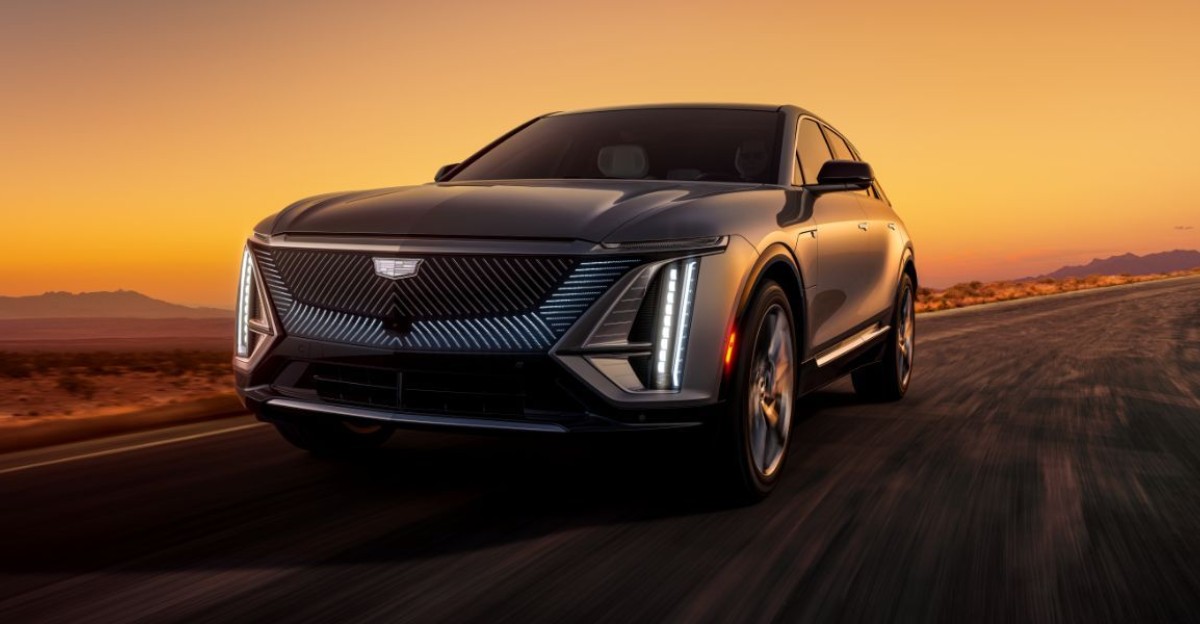
While GM gutted Factory ZERO and cut mass-market EV production, Cadillac EV sales grew 20% in Q1 2026. The Escalade IQ jumped from 670 units in Q4 2024 to 2,085 in Q4 2025. GM didn’t abandon EVs. It abandoned cheap EVs. The company redirected capital toward high-margin luxury models where buyers absorb the full cost without subsidies. CFO Paul Jacobson told investors GM expects to eliminate its EV cash headwind by end of Q2 2026. Translation: the profitable EVs stay. The affordable ones get written off. That’s the business response nobody expected.
The Used EV Tsunami Nobody Priced In
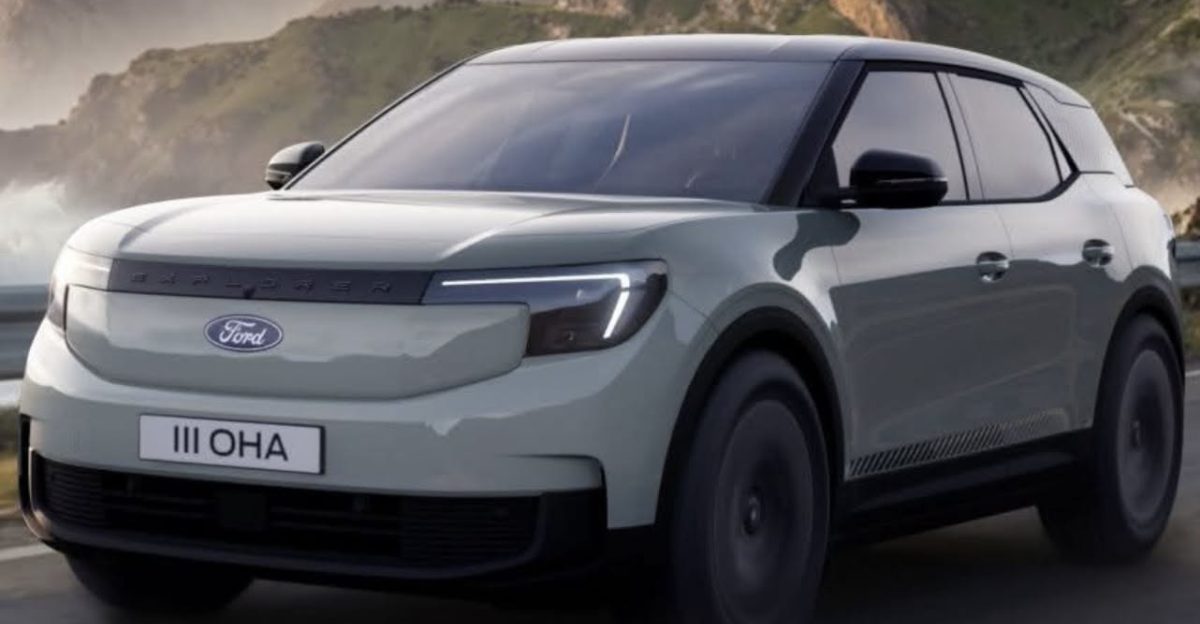
Here’s where the cascade crosses into territory nobody anticipated. Those 300,000 off-lease EVs flooding back in 2026 carry an average list price of $37,000, with nearly one-third priced under $25,000. Lease companies assumed 50% residual value. Actual resale sits at 35-40%, creating a roughly $10,000 gap per vehicle. That’s potentially $3 billion in cumulative losses across the leasing industry. And 2027 looks worse: projections show 650,000 more EVs returning, with over a million total across three years. The used car market just became the real EV battleground.
Oil Prices Override Everything

Every one of these ripples traces back to the same force. Not subsidies. Not mandates. Not California waivers. Oil prices. When gas costs $2.25, Trump’s anti-EV framework holds. When gas costs $3.34, that framework collapses. Strait of Hormuz blockade. Brent crude spot at $141. EIA revisions upward. The cascade narrows fast. Commodity markets repriced in Chicago. Automakers repriced in Detroit. Dealerships repriced on your street. The steak costs more, the commute costs more, and the EV in your neighbor’s driveway suddenly looks less like a political statement and more like the smartest purchase on the block.
‘GM Sold Us Out’
California Governor Gavin Newsom didn’t mince words: “GM sold us out.” The company spent $20 million lobbying in 2025 to overturn the very EV regulations it once championed. GM helped kill California’s emission waiver. Then its stock surged. Meanwhile, 96% of existing EV owners told J.D. Power they’d buy another, the highest satisfaction score since the study began. The people driving EVs love them. The company that built them walked away. And the 2,300 Factory ZERO workers caught in between lost their jobs over a bet that cheap gas would last forever.
The Courts Rewrote the Rules
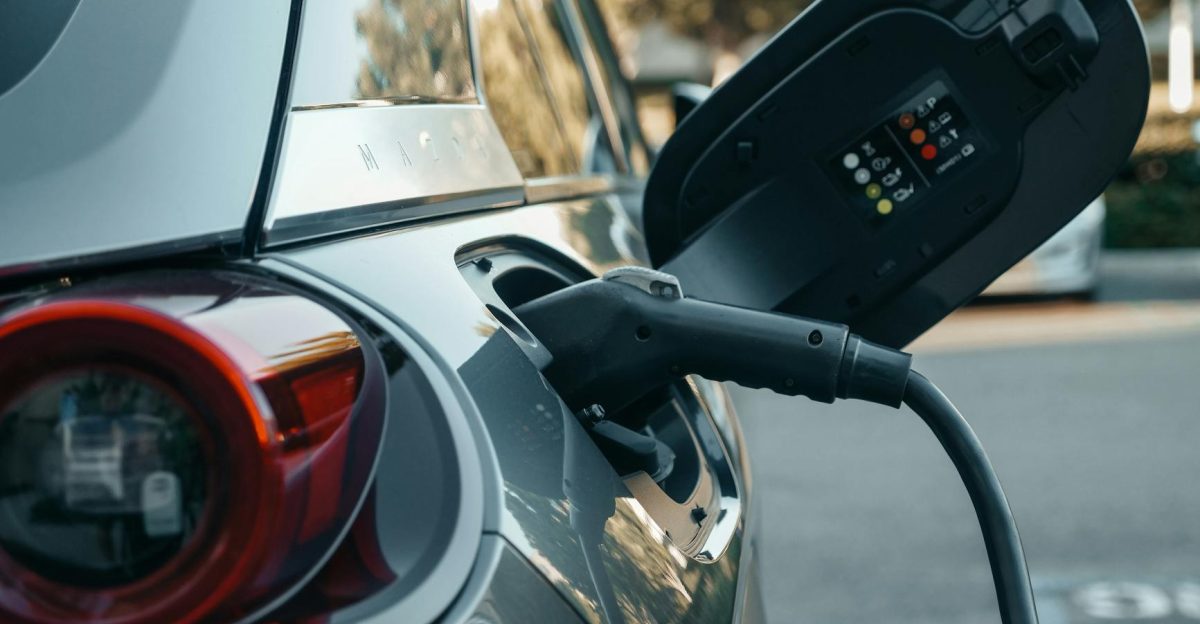
Trump froze the $5 billion NEVI charging program on February 6, 2025. A federal judge ruled the freeze illegal. On January 23, 2026, a final judgment permanently protected NEVI funding across all 50 states, restoring over $1 billion to 14 states immediately. The court found the Department of Transportation acted arbitrarily. That precedent now limits any future president’s ability to freeze congressionally appropriated infrastructure funds. Meanwhile, private networks kept building: Ionna opened its 100th site in March 2026, and GM’s partnership with Pilot and EVgo deployed 1,000-plus DC fast-charging stalls in 40 states.
Winners, Losers, and the $25,000 Question
Winners: buyers shopping used EVs under $25,000 with battery warranties intact. The 2027 Chevy Bolt returns at $28,995 with 255-plus miles of range, but off-lease models will undercut it before the first one ships. Losers: lease finance arms eating $10,000 residual gaps per vehicle. Gas vehicle dealers are facing margin compression as affordable EVs flood their lots. And the oil industry, which needs sustained demand to justify $110-barrel pricing. EV maintenance runs 30-50% cheaper than gas vehicles. At current fuel prices, the total cost of ownership math has flipped entirely.
The Cascade Keeps Breaking
If the Iran blockade persists past Q2 2026, oil stays above $100 a barrel, and EV market share could rebound to 15% by year’s end, tripling Q4 2025’s 5.8%. Trump could release Strategic Petroleum Reserve stocks to suppress prices, but that’s a temporary fix for a structural problem. GM positioned itself for exactly this scenario: constrained new supply, surging used affordability, and 245,000 public chargers already built. The company that wrote off $7.6 billion in EV losses may end up profiting from a used EV market it accidentally created. Same mechanism. Different outcome. The cascade continues.
Sources:
“GM Extends Downtime at EV Factory, Cuts 1,300 More Jobs.” National Today, 31 Mar. 2026.
“EPA Tied Its Climate Rollback to Low Oil Prices. Then Came the Iran War.” E&E News, Apr. 2026.
“Court Rules Feds Cannot Interfere With Disbursement of EV Charging Funds.” Electrek, 23 Jan. 2026.
“What 300,000 Returning EV Leases Mean for Dealership Inventory Strategy.” CDK Global, 2026.