Several States Target Windshield Obstructions—One Carries Up to 90 Days in Jail
Scroll through social media long enough, and you’ll hit the claim: states are making it illegal to have a messy car. The reality is older and sharper than any viral post suggests. At least five states have vehicle-code provisions that let officers cite you for obstructing your own windshield view, and Michigan’s unsecured-load statute is a straight misdemeanor carrying up to 90 days in jail.
None of these laws mentions “messy car.” What they target is specific, enforceable, and has been on the books for decades.
These Laws Predate Your Grandparents’ Cars
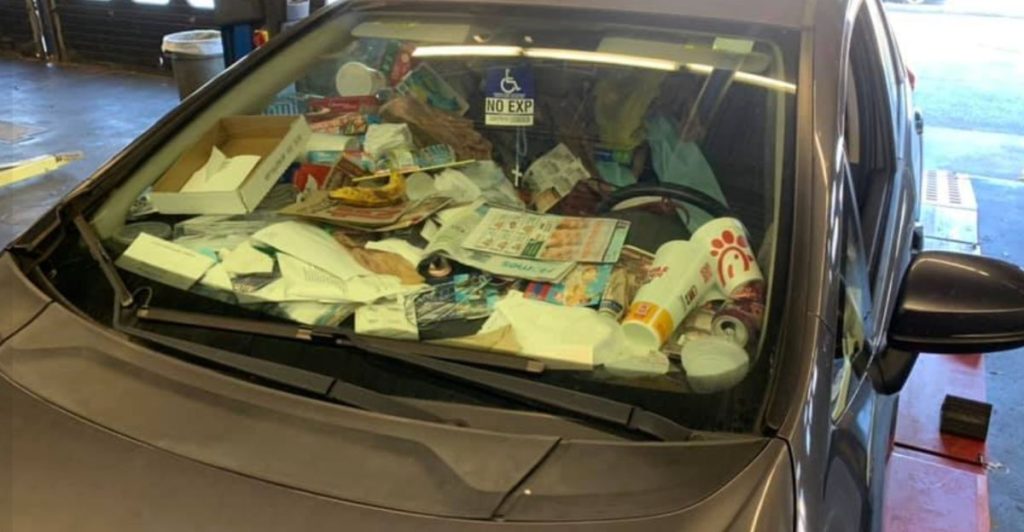
New Jersey’s windshield-obstruction statute was enacted in 1921 and last amended in 1937. California, Michigan, and Florida have maintained similar provisions for decades.
The internet discovered old law and dressed it up as breaking news. The statutes haven’t changed—the algorithm just found them.
California: Two Statutes, Two Tracks
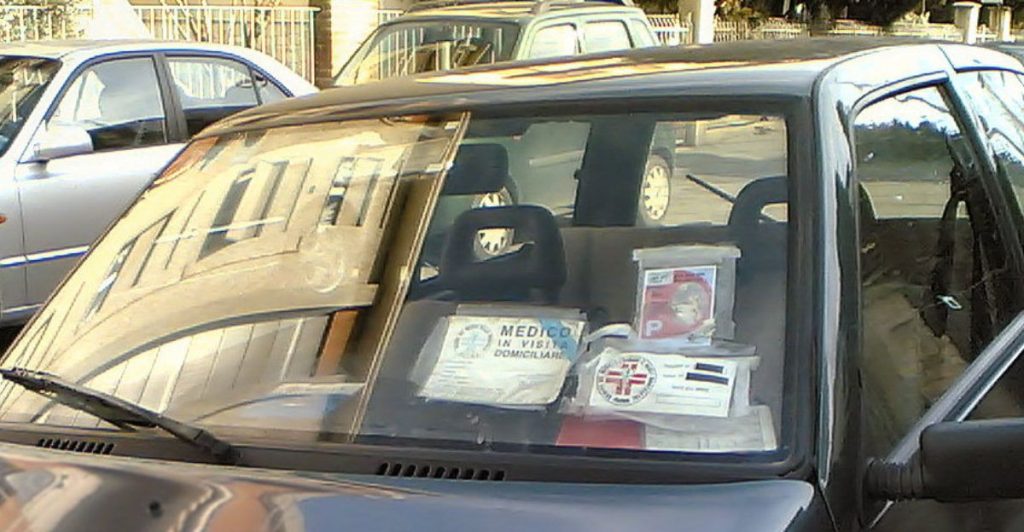
California Vehicle Code §26708 prohibits placing any object or material on the windshield or side windows that “obstructs or reduces the driver’s clear view”. That covers air fresheners, parking passes, and oversized phone mounts blocking sightlines. Separately, CVC §23114 targets vehicles “so constructed, covered, or loaded” that contents can drop, sift, leak, or blow onto the highway.
One is an equipment violation about what’s on your glass. The other is a driving offense about what leaves your vehicle. Same car, different legal exposure.
Michigan Hits the Hardest
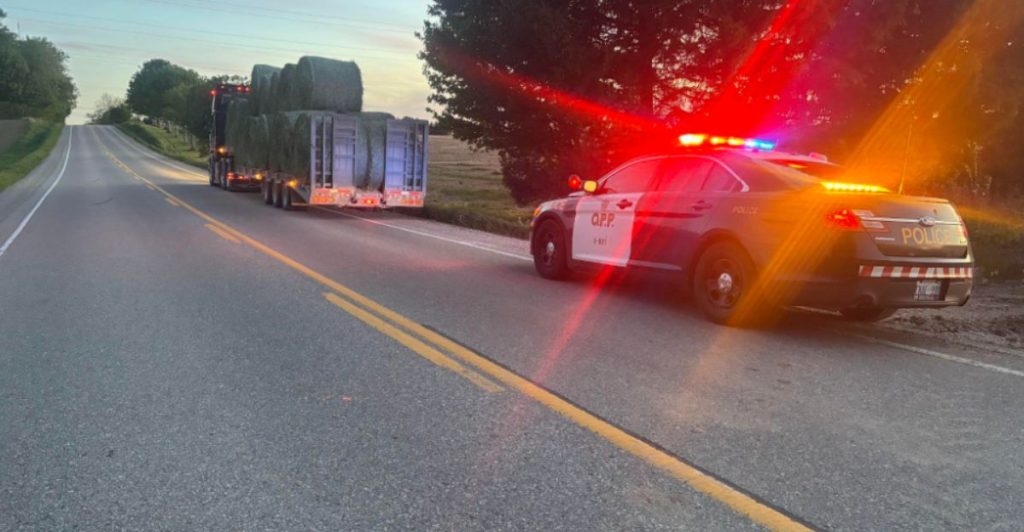
Michigan’s MCL §257.709 bans any “sign, poster, nontransparent material” on the windshield or side windows that obstructs the driver’s view. Standard equipment violation. But MCL §257.720 is where it gets serious: if your vehicle’s contents can drop, sift, leak, blow off, or escape onto the highway, that’s a misdemeanor punishable by up to $500, 90 days in jail, or both.
Actual spillage isn’t even required to prove the violation. An improperly loaded truck bed isn’t just a ticket. It’s a booking.
New Jersey: A Century-Old Statute With Broad Reach
New Jersey Revised Statute §39:3-74 prohibits driving with “any sign, poster, sticker or other non-transparent material” on the front windshield or side windows, other than documents required by law. The language is broad enough that a sticker collection creeping across your windshield qualifies.
The New Jersey Supreme Court addressed this statute in State v. Smith (2022), reaffirming its plain-language scope and noting that the Legislature can modernize the century-old provision if it chooses.
Florida: The Lightest Touch
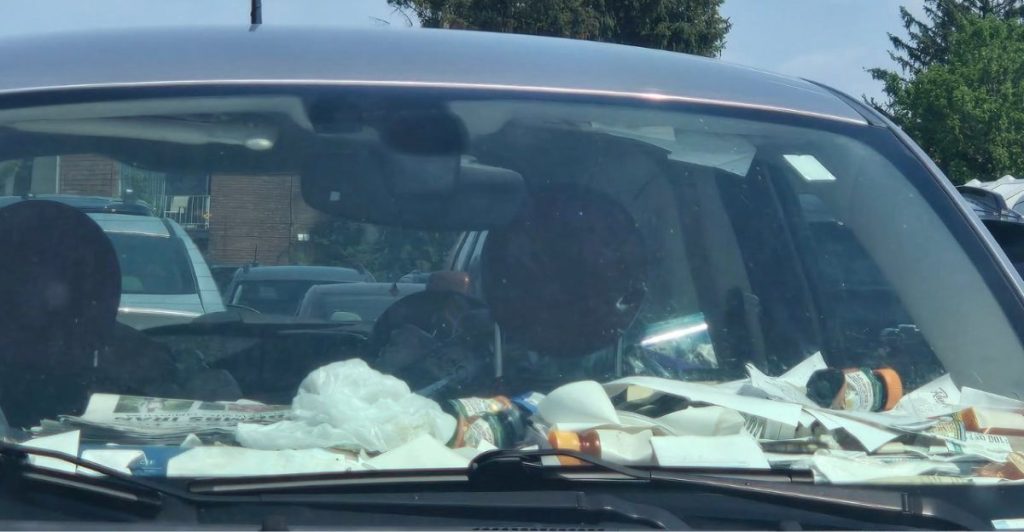
Florida Statute §316.2004 prohibits nontransparent material on the front windshield, side wings, or side or rear windows that “materially obstructs, obscures, or impairs the driver’s clear view”. The distinction: Florida’s legislature explicitly classified this as a “noncriminal traffic infraction,” punishable as a nonmoving violation.
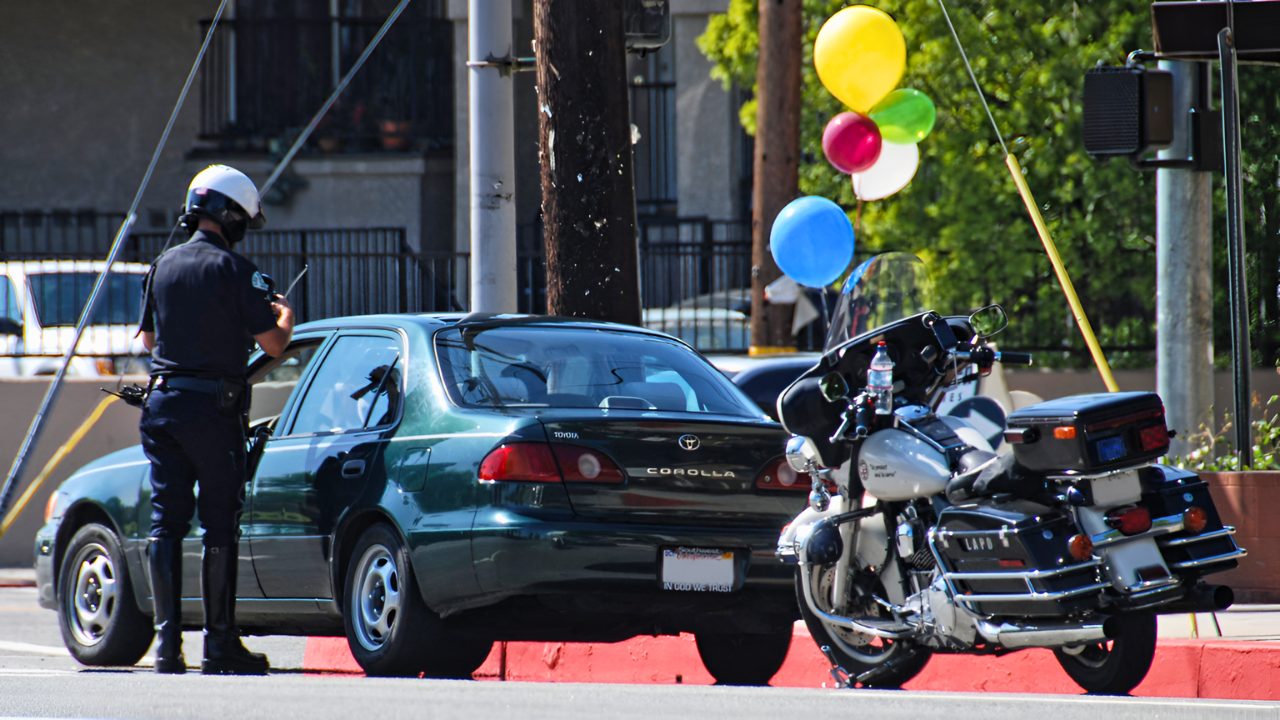
No arrest, no criminal record. But an officer who spots a cluttered windshield still has statutory grounds for a stop—and once that window rolls down, anything else visible in the cabin is fair game.
Texas Dropped Inspections Entirely

Texas went the other direction. As of January 1, 2025, House Bill 3297 eliminated mandatory annual safety inspections for non-commercial vehicles. Before that, windshield clarity and wiper condition were potential reasons for failing the inspection.
Now there’s no inspection gate, just a $7.50 inspection program replacement fee at registration. Visibility laws still exist on paper, but there’s one fewer checkpoint to catch problems before they reach the highway.
The Line Between Clutter and Criminal
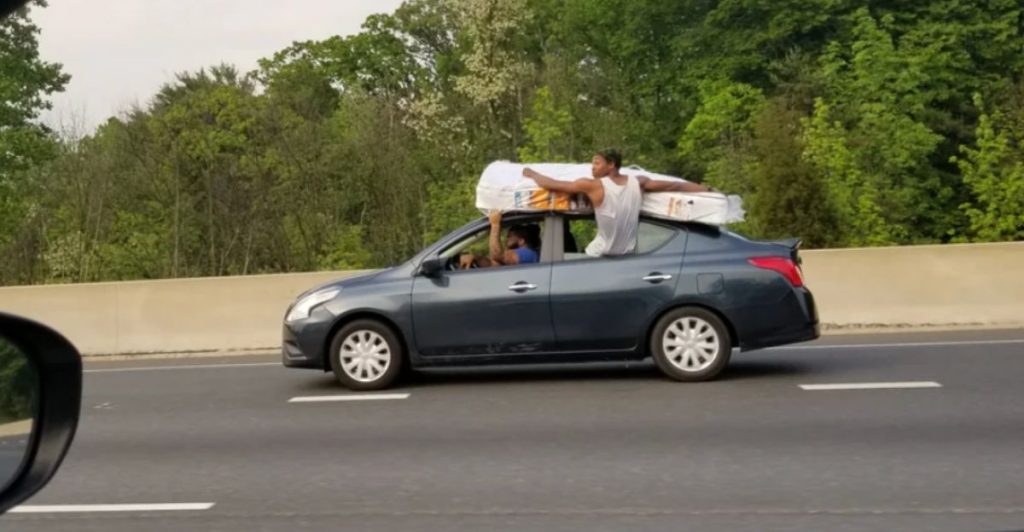
Here’s where the viral claims collapse. No state has a “messy car” offense. The statutes that carry criminal weight target what escapes the vehicle, not what sits inside it. Michigan’s unsecured-load law is a misdemeanor because loose cargo on a highway is a public hazard.
A fast-food graveyard on your floorboard won’t land you in court. A mattress flying off your roof rack might. That distinction is where most clickbait falls apart.
NHTSA’s Safety Rationale

Behind the state codes sits a documented safety problem. In 2022, 3,308 people died, and an estimated 289,310 were injured in distraction-affected motor vehicle crashes, according to NHTSA. That includes everything from phone use to eating behind the wheel to objects blocking a driver’s view.
Officers citing windshield-obstruction statutes aren’t enforcing a neatness standard. They’re enforcing a safety framework that predates the smartphone by roughly a century.
What Actually Protects You
Clear your windshield sightlines—front, sides, mirrors. Secure anything you’re hauling so nothing can blow off or leak onto the road. “Obstructed view” and “unsecured load” have been enforceable for longer than most of us have been driving.
The viral panic is overblown. The underlying law is real, and every traffic stop gives an officer a judgment call that could go either way.
Sources:
California Vehicle Code § 26708 (2025) — Justia Law
New Jersey Revised Statutes § 39:3-74 (2024) — Justia Law
Florida Traffic Laws Section 316.2004 — Florida Ticket Firm
Michigan Compiled Laws § 257.720: Construction or Loading of Vehicles — Justia Law
Traffic Safety Facts Research Note: Distracted Driving 2022 — NHTSA
Vehicle Safety Inspection Changes Take Effect January 2025 — Texas Department of Public Safety