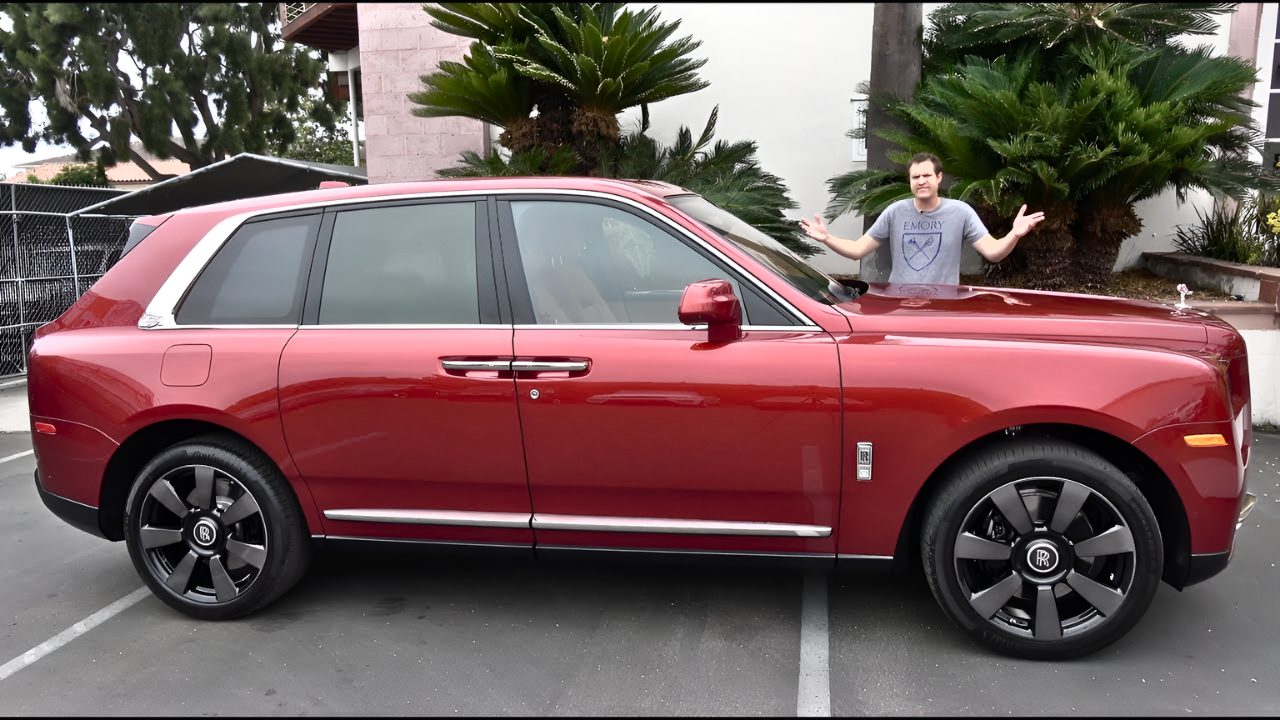
Rolls-Royce Cullinan Owners Told Not to Sit in Back After Discovering 6-Year-Old Defect
Somewhere inside the Goodwood factory in West Sussex, England, a technician drove a brand new 2026 Rolls-Royce Cullinan down a test road and heard something no one building half million dollar SUVs ever wants to hear, a rattle. Faint, persistent, coming from behind the right rear C pillar. The kind of noise that belongs in a fifteen year old pickup, not a vehicle that can easily crest half a million dollars. That rattle set off an investigation spanning more than six years of production records and a small run of vehicles worth tens of millions of dollars combined.
The Sound That Shouldn’t Exist
On January 23, 2026, that road test revealed a bolt securing the safety belt retractor was dangerously loose. Not slightly off spec. Dangerously loose. Rolls-Royce pulled the interior panels, found the problem, then immediately checked another vehicle on the line. The same issue appeared. Within days, the plant locked down production. Engineers then reviewed electronic torque records stretching back to late 2019. Those records existed for every single bolt. They tracked everything. And somehow, across that multi year production window, a specific batch of vehicles slipped through.
Hand-Built Means Hand-Tightened
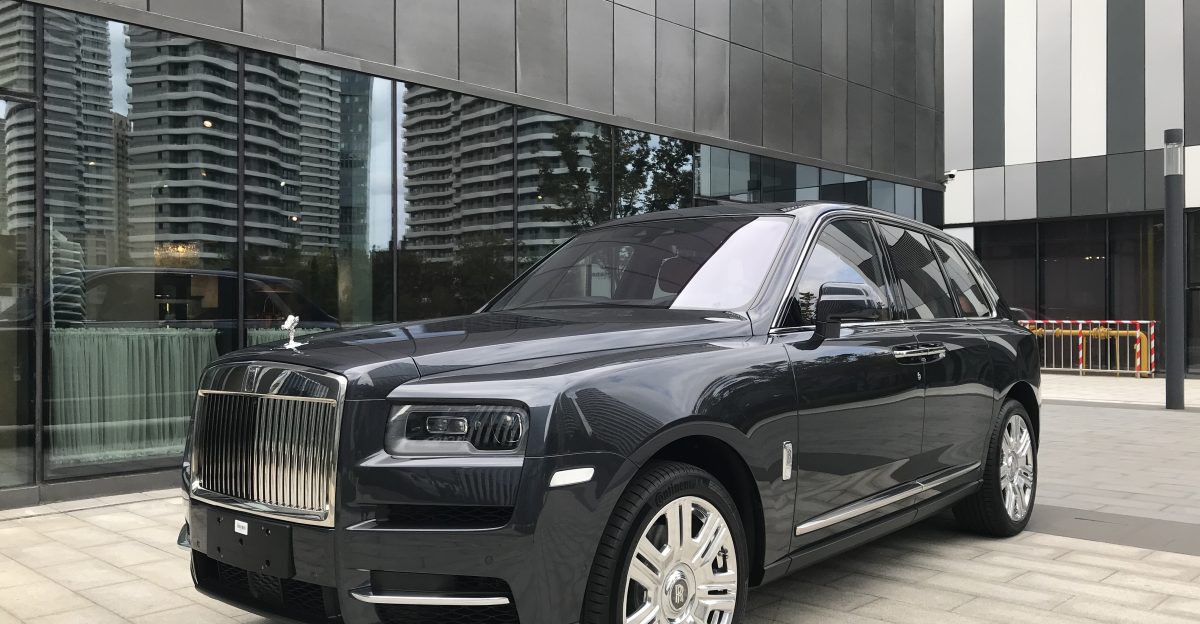
The Cullinan is Rolls-Royce’s best selling model, accounting for roughly 58 percent of the brand’s 5,664 global deliveries in 2025. Every one of them is hand assembled at Goodwood. No mass production line. No robots torquing bolts. That is the pitch, master craftsmen, meticulous attention, perfection you can feel. Rolls-Royce even maintains electronic torque data for key fasteners, allowing engineers to review tightening values years after a vehicle leaves the line. So the assumption most buyers carry into the dealership is simple, at a base price around 408,000 dollars in the United States, with well optioned examples commonly approaching or exceeding 560,000 dollars, defects belong to someone else’s car.
The Myth Dies at the C-Pillar
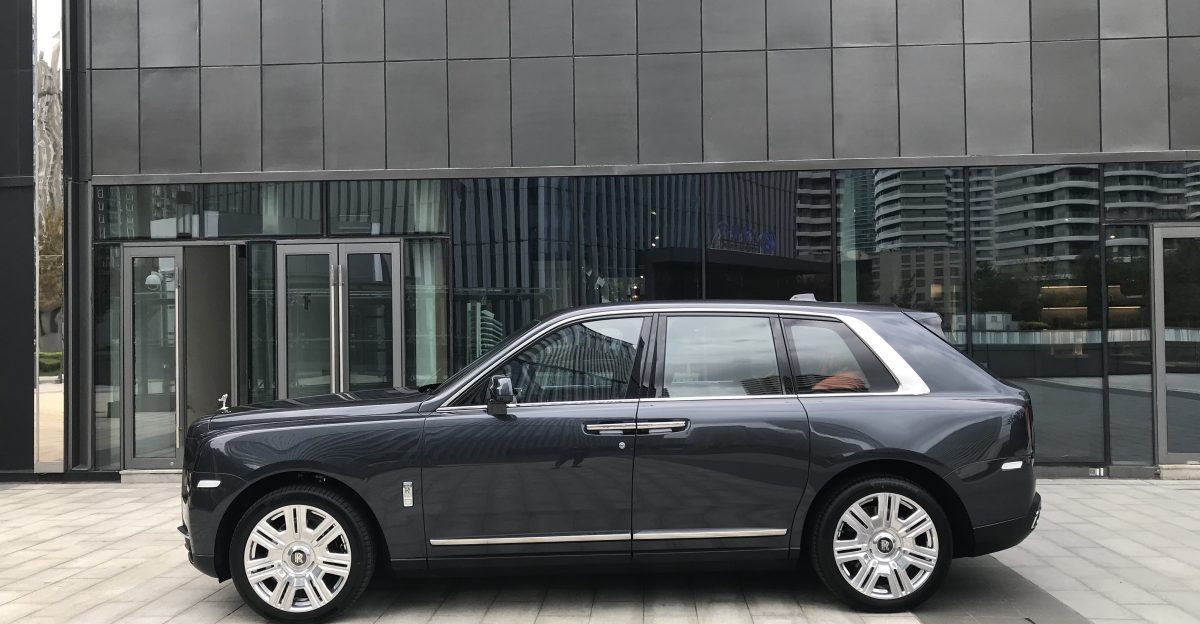
The defect involves rear seat belt bolts and rear bench seat backrest locking brackets that were not tightened to factory specifications in a subset of vehicles. An estimated 30 percent of the recalled Cullinans are believed to carry the flaw. Electronic monitoring recorded the torque values. The system never flagged them. A human ear caught what a digital system missed. Years of production data. Just over a hundred affected vehicles. One rattle. That was enough to expose a weakness in the quality assurance apparatus of one of the world’s most prestigious automakers.
A Half-Million-Dollar Vehicle You Can’t Fully Use
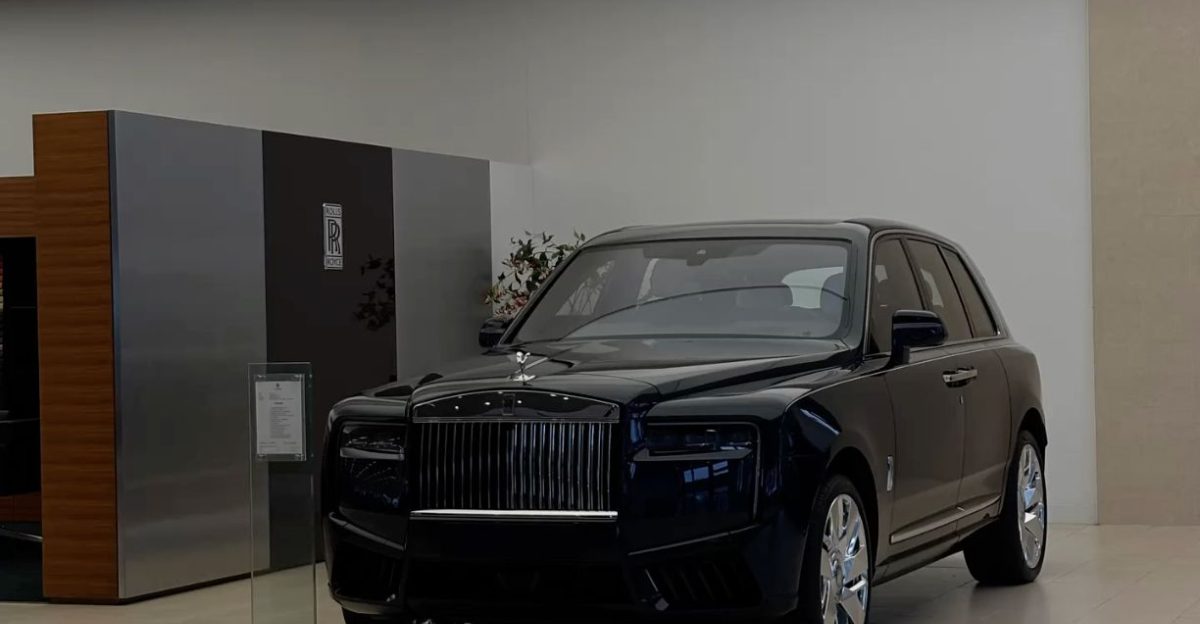
Most Cullinan owners employ chauffeurs. They sit in the back. That is the entire point of the vehicle. United States safety regulators now advise owners not to use the rear seats or the rear luggage compartment until repairs are completed. As Jalopnik put it, “Many Rolls owners have chauffeured drivers, and sit in the back seats themselves, rendering these vehicles completely useless unless you actually want to drive yourself, and who has time for that?” A relatively inexpensive bolt rendered the crown jewel of an ultra luxury SUV off limits, at least temporarily, to the people who bought it to be driven in, not to drive.
The Numbers Behind the Embarrassment

Only 102 vehicles are affected in North America under the current recall. Globally, 299 Cullinans face the same safety action across multiple markets. That is a small fraction of the tens of thousands of Cullinans built since the model’s debut. Tiny numbers. But each vehicle represents well over half a million dollars in real world configurations, giving this campaign unusually high per vehicle financial stakes for a safety recall of this size. The mechanical fix itself, inspection, tightening, and any necessary belt replacement, will cost Rolls-Royce far less than the price of a single car, but the reputational math runs considerably higher for a brand that sells perfection as its primary product.
Ripple Through the Fleet
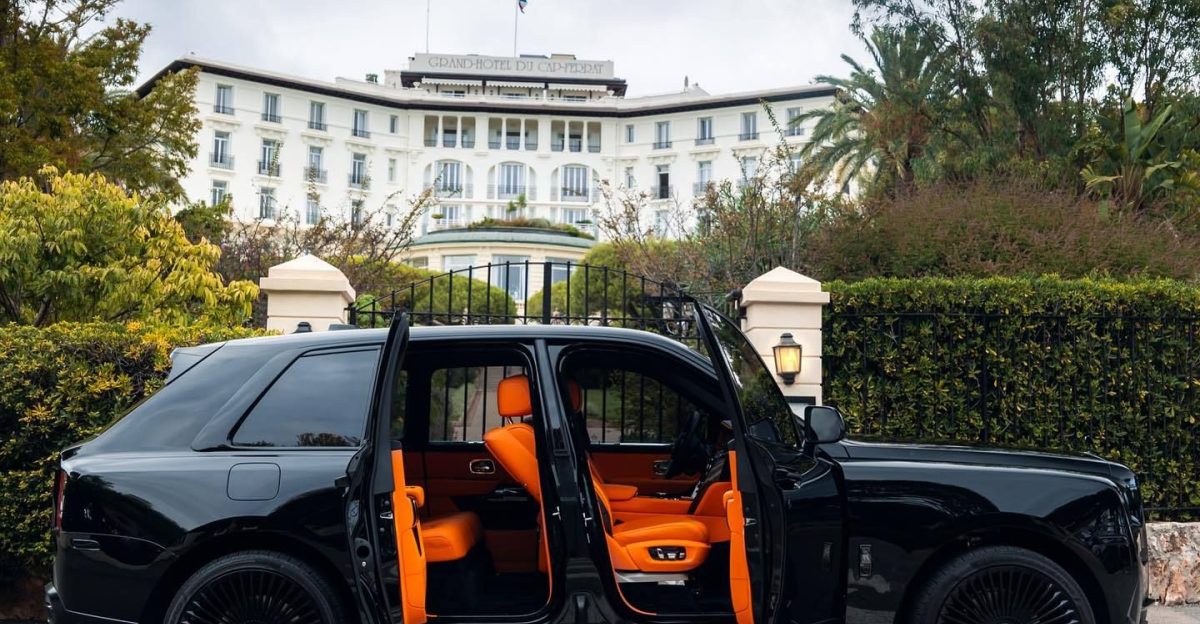
Corporate fleets relying on Cullinans for executive transport must now take into account an advisory that temporarily sidelines the rear cabin and luggage space until the remedy is performed. In the high end used market, buyers of six figure vehicles routinely review recall and repair history as part of their due diligence, and this campaign will now appear on that checklist for the affected SUVs. In the ultra luxury segment, brands consistently highlight build quality and craftsmanship in their marketing, especially when reliability is in the spotlight, so this kind of recall inevitably becomes part of how customers compare options. And because Rolls-Royce service centers are relatively few and handle low volume but complex work, owners in some regions may need to plan ahead to secure inspection and repair appointments once recall letters arrive.
The First Crack at Goodwood
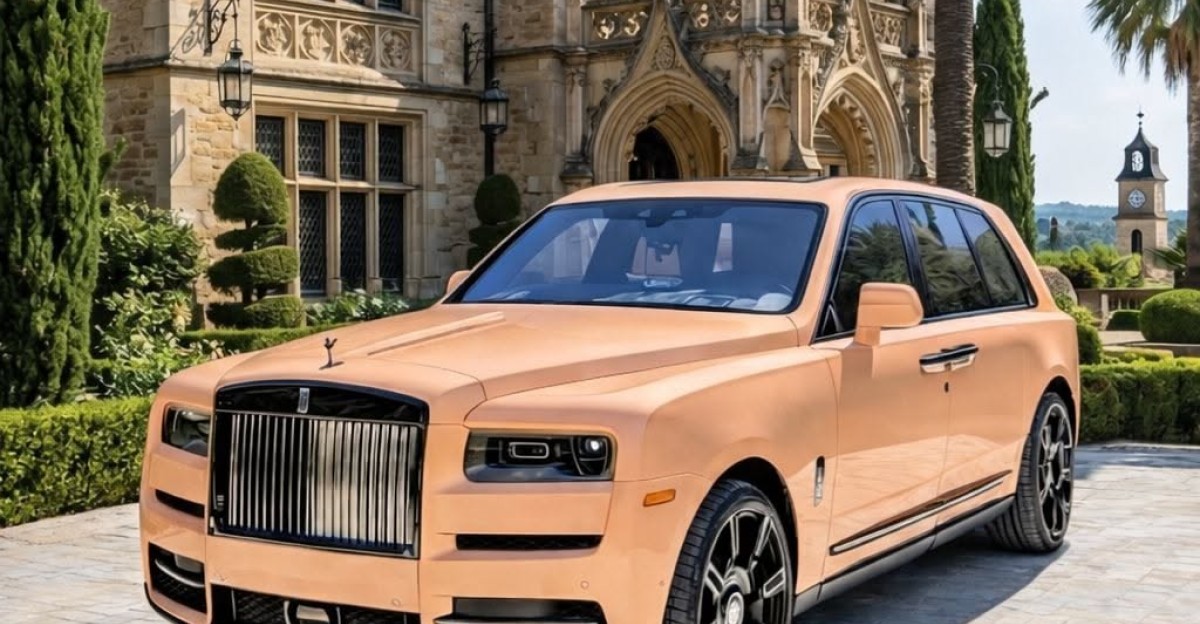
This recall lands on a factory that has promoted itself for two decades as the standard bearer of modern coachbuilding. The Cullinan has not been the subject of many prior safety campaigns, and Rolls-Royce has generally enjoyed a quiet recall record compared with mass market brands. That track record helped underpin the brand’s pricing power. But once you see a torque related safety defect surface in a hand built vehicle that sells in the low to mid thousands of units annually, it reframes the narrative, at these volumes, even isolated lapses have to be identified and corrected through formal recalls.
Four Months of Unease
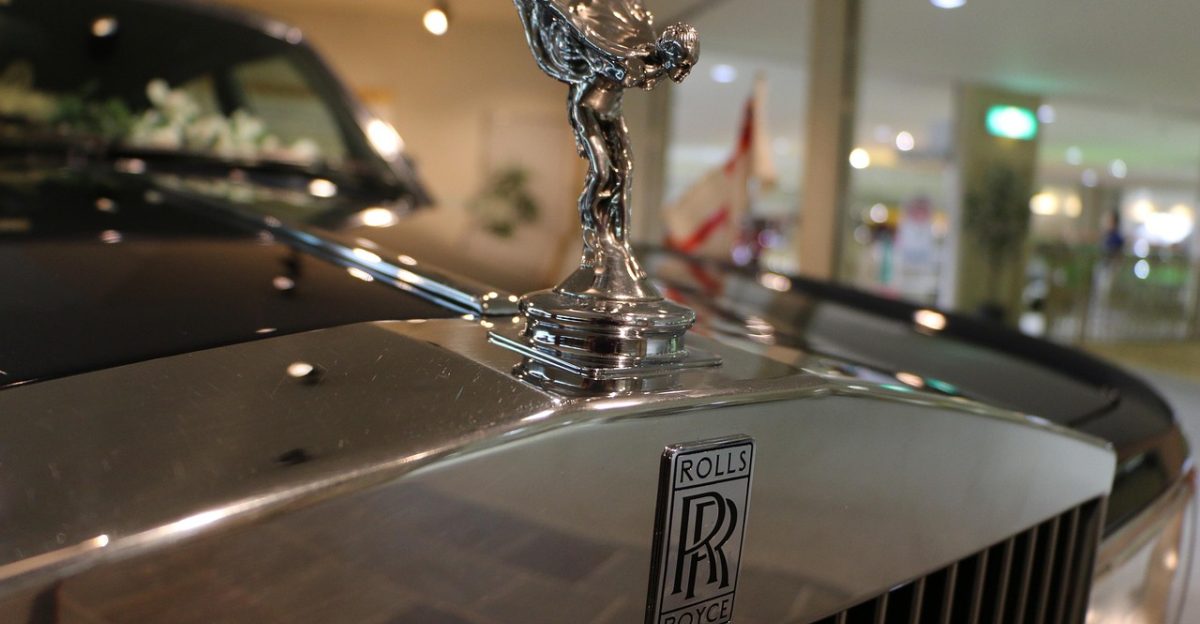
Rolls-Royce identified the issue with that test drive rattle in January. According to filings, dealers are being notified in March, with owner notification letters scheduled to go out in early May. That leaves roughly a three to four month stretch during which some affected vehicles could remain in service with potentially compromised rear seat belt hardware. No accidents or injuries have been reported so far. Because seat belts are primary safety equipment, any proven defect typically attracts close regulatory and legal scrutiny, which is one reason these internal discoveries are escalated quickly into formal safety campaigns. Early adopters who bought in the 2020 and 2021 model years have lived the longest with these vehicles and may be most focused on what years of driving on improperly torqued bolts actually means, even if the eventual inspection finds no damage.
What Half a Million Dollars Actually Buys

Rolls-Royce will inspect and tighten every affected fastener free of charge, replacing safety belt webbing where necessary, under the voluntary recall filed as NHTSA campaign 26V143000. On paper, that is a sign of corporate responsibility, an issue discovered internally, escalated, and disclosed. At the same time, it undercuts the brand’s core promise. A 25,000 dollar sedan and a 560,000 dollar Cullinan can now share the same basic vulnerability, a critical fastener that was not torqued correctly by a human hand. The difference is that nobody buying the sedan expected flawlessness. Every Cullinan buyer did. It is a rare reminder that even brands built on an image of perfection still depend on fallible human processes.
Sources
“Part 573 Safety Recall Report 26V143.” National Highway Traffic Safety Administration, March 2026.
“Loose Bolts May Damage Seat Belt Webbing (Rolls-Royce Cullinan Recall 26V143000).” USA Today, March 2026.
“Rolls-Royce Global Sales 2025: Winners and Losers.” BMWBlog, March 2026.
“2025 Rolls-Royce Cullinan Review, Pricing, and Specs.” Car and Driver, 2024.
“Rolls-Royce Says Cullinan Owners Can’t Use the Back Seats.” Jalopnik, March 2026.
“Rolls-Royce Tells Owners To Stop Using Their Rear Seats And Trunk.” Carscoops, March 2026.