Rivian’s $42K Fender Bender Bill Taught Ford How to Build Its $30K EV Truck Differently
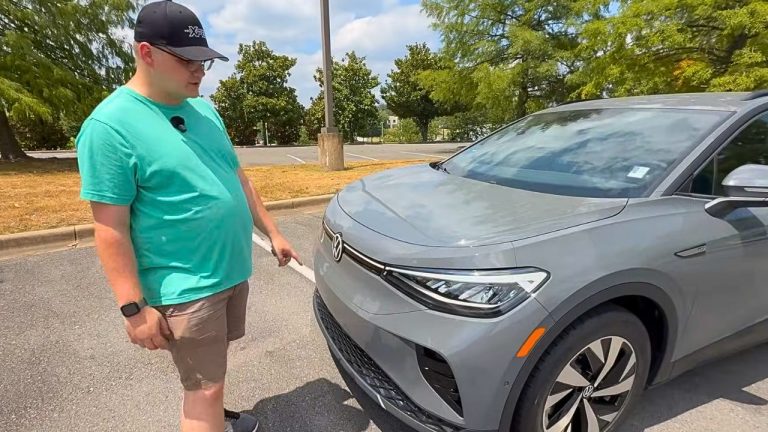
Somewhere in a parking lot, a Rivian owner tapped something. Not hard. Not fast. The kind of bump that barely registers on your way into a grocery store. The photos showed cosmetic damage, the sort of scrape most people would expect to cost a few hundred bucks and an afternoon at a body shop. The owner brought it to an authorized Rivian service center, expecting a routine fix. The estimate that came back had five figures on it.
When a Fender Bender Costs $42,000
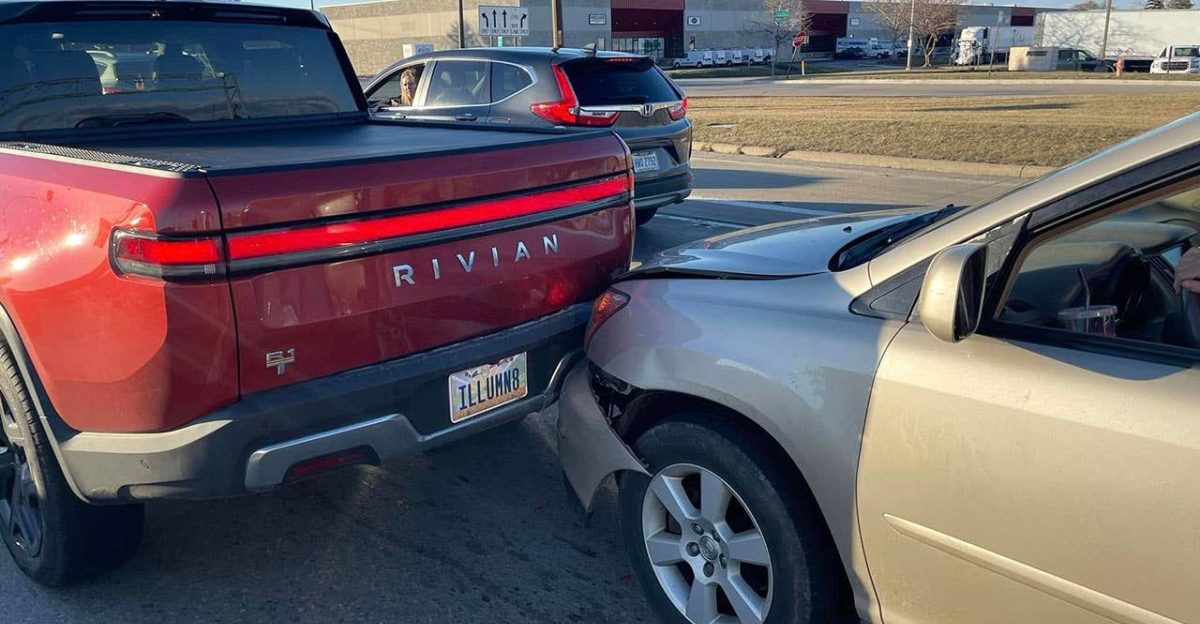
In 2023, a Rivian R1T owner in Columbus, Ohio was rear-ended at a stoplight at low speed. His insurer assessed the damage at $1,600. The certified Rivian shop billed over $42,000 — nearly exhausting the at-fault driver’s $50,000 policy limit — because fixing the rear bumper required pulling the front windshield, removing the interior ceiling, and towing the truck to another city for sensor recalibration. The repair took over two and a half months. That case was not an outlier. A separate parking lot bump generated an $11,000 repair quote for what looked like a scuffed bumper. And a Rivian R1S owner brought in rear quarter-panel damage and received a $53,736 estimate, with $29,856 in labor alone.
How Rivian’s Design Creates a Repair Trap
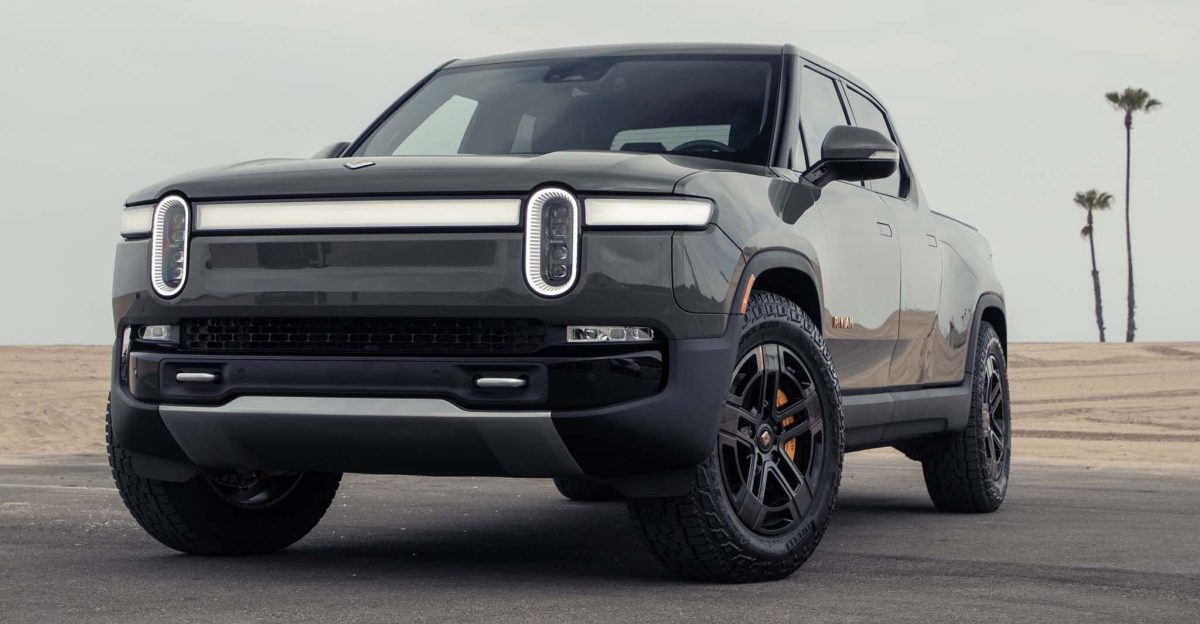
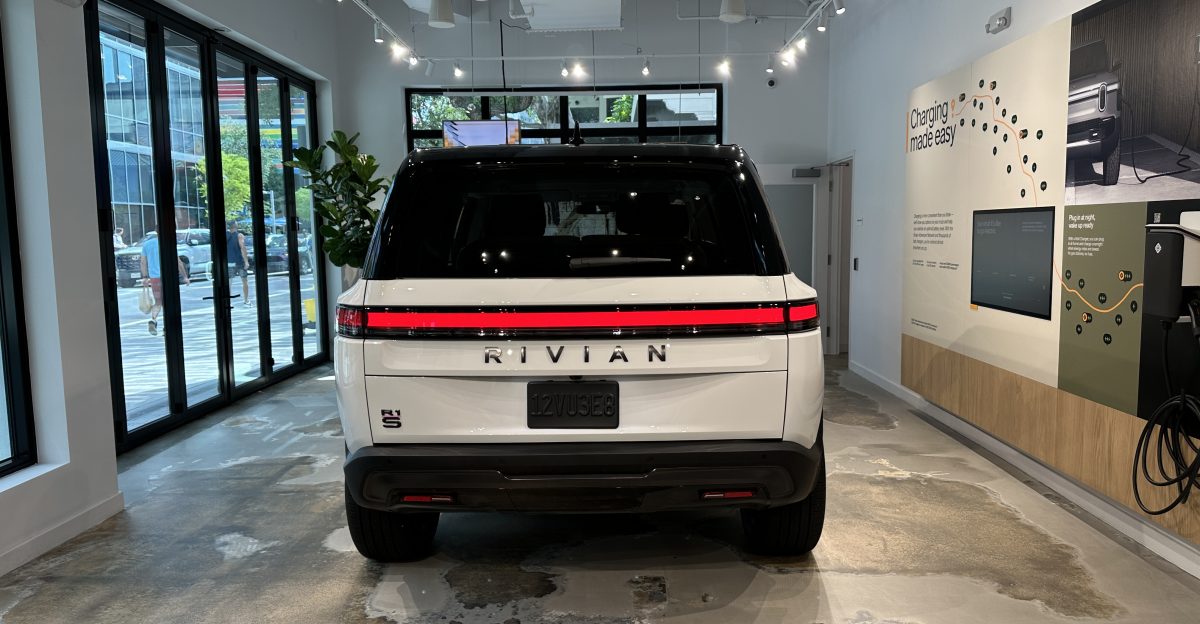
These aren’t totaled vehicles. These are dents and scrapes producing repair bills that rival the price of a new sedan. Meanwhile, Rivian recalled nearly 20,000 R1T and R1S vehicles in January 2026 over flawed suspension service procedures. The assumption most buyers carry into an EV purchase is straightforward: advanced features justify premium costs. Rivian leaned into that logic, building trucks with integrated aluminum panels, fused sensor arrays, and welded subframes that deliver outstanding capability. The engineering is genuinely impressive. But Rivian’s architecture created a hidden trap. When one component takes a hit, the integration forces replacement of connected assemblies.
Ford Turns the Problem into a Design Rule
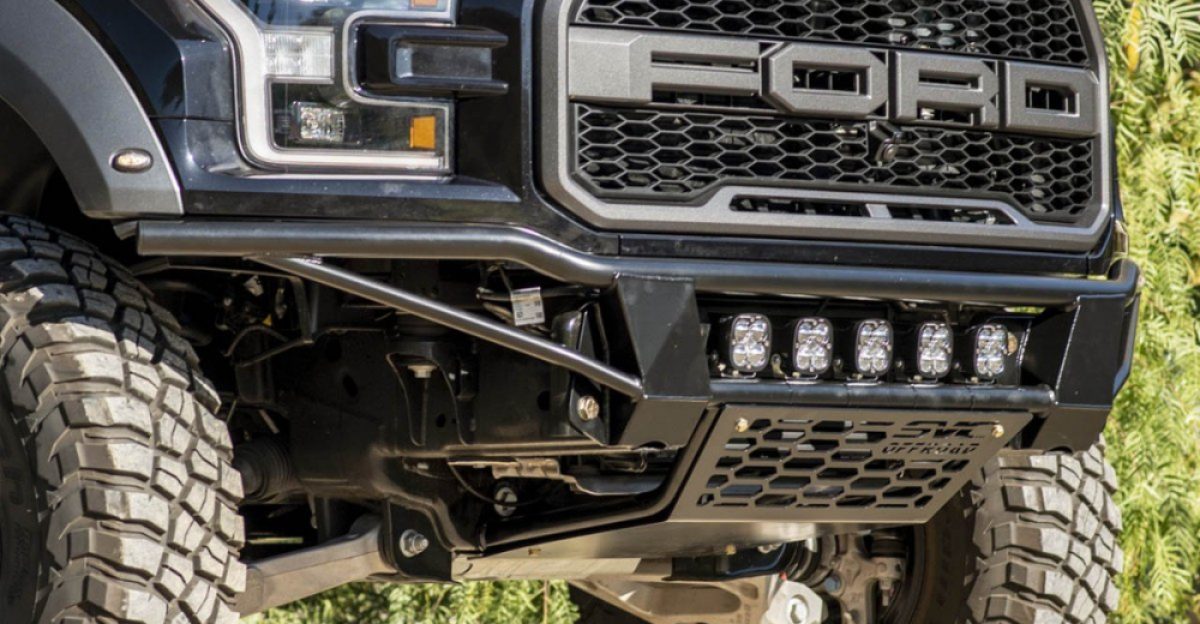
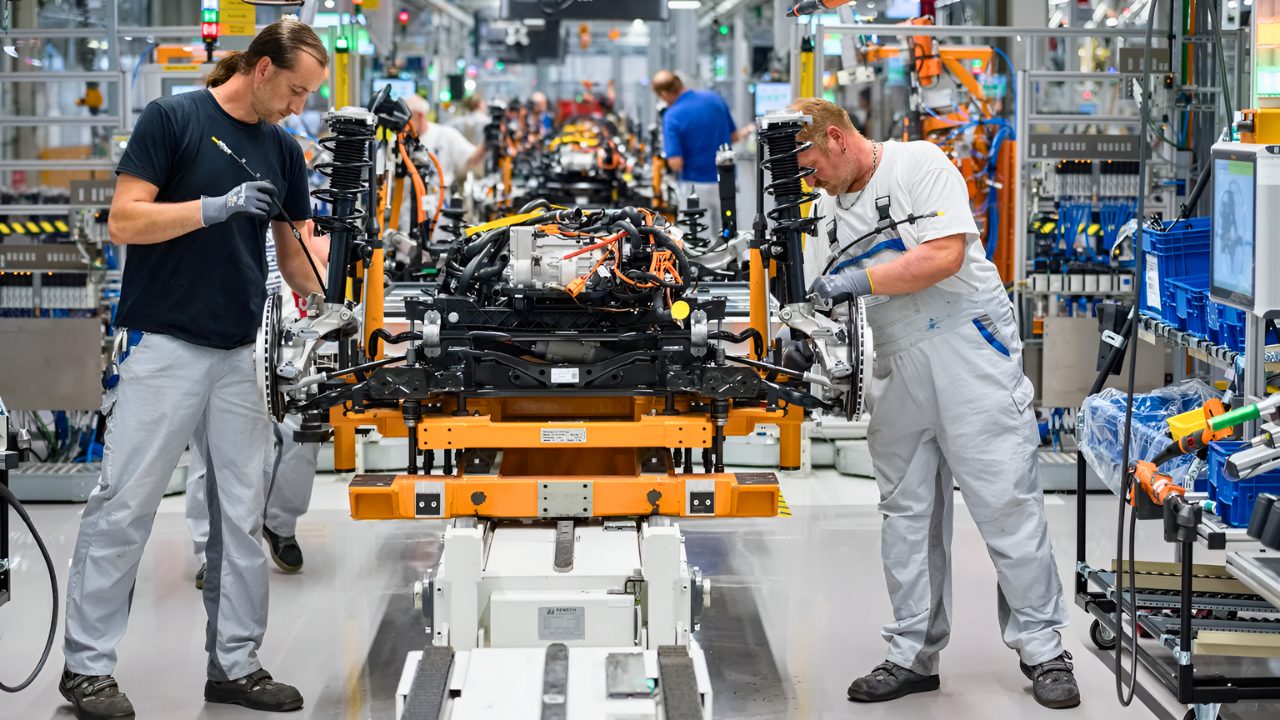
A bumper isn’t just a bumper when it’s welded to the sensor housing and bonded to the quarter panel. Ford’s engineers watched this unfold in real time. Ford didn’t just notice Rivian’s problem. Ford made it a design specification. The new $30,000 midsize electric truck, launching in 2027, replaces 146 separate structural parts with two main cast sections. Seventy electronic control modules become five. The wiring harness sheds 4,000 feet. Every piece carries predefined cut zones telling technicians exactly where to section damaged areas. Alan Clarke, Ford’s Executive Director of Advanced EV Programs, put it plainly: making repairability a constraint “actually creates a bunch of creativity with engineers” and “ultimately becomes an advantage.”
Repairable Gigacasts by Design

Ford’s predefined cut zones function like surgical markings drawn before the first incision. A technician doesn’t guess where to separate damaged casting from undamaged casting. The boundary is engineered into the part itself. Thatcham Research validated this approach: Tesla Model Y gigacast repairs cost approximately $3,000 less per partial replacement than traditionally assembled Model 3 repairs. Thatcham Research confirmed it: “The key insight from our testing is that vehicle manufacturers must integrate repairability into the design of a mega cast component.” Ford baked the repair strategy into the blueprint, not the service manual.
What the Insurance Bills Reveal

Insurance tells part of the story. Ford EV owners pay around $251 monthly for coverage. Rivian owners pay $273. That gap narrows considerably compared to Rivian’s repair cost exposure — insurance companies price based on repair cost predictability, and Rivian’s unpredictable architecture creates volatility in every premium. Ford’s five-module electronic system, ~93 percent simpler than the F-150 Lightning’s 70-module setup, gives underwriters something they rarely get from EVs: confidence in what a claim will cost.
When High Repair Costs Ripple Through Ownership
Rivian’s repair crisis doesn’t stop at the body shop. Owners face resale pressure when repair costs approach vehicle value, triggering insurance total-loss declarations on trucks with cosmetic damage. The January 2026 recall of nearly 20,000 vehicles created service bottlenecks that eroded owner confidence further. Ford’s response extends beyond its own truck. Other automakers now face pressure to disclose repair architectures. Insurance companies may begin pricing vehicles based on design modularity, not just sticker price. One company’s engineering choice is rewriting the cost equation for an entire segment.
A New Rule for Building EVs
Conventional wisdom held that gigacasting, the technique of forming massive vehicle sections from single pours of molten aluminum, would be expensive to repair. Thatcham’s data killed that assumption. The cost drops when repair zones are designed in from the start. Ford’s assembly tree system, running three parallel sub-assembly lines, represents what Ford’s own leadership calls the first fundamental redesign of automotive assembly since Henry Ford’s moving assembly line in 1913. That claim reflects Ford’s own framing, but the underlying principle — optimizing for predictable ownership, not just cheaper manufacturing — marks a genuine shift in engineering priority.
The Risk Behind Ford’s Big Bet
Ford’s $5 billion bet, split between Louisville Assembly and BlueOval Battery Park Michigan, still carries risk. Repair shops nationwide need retraining on gigacast cut-zone procedures before the 2027 launch. Rivian’s R2, starting at $45,000, enters a market where repair cost transparency may matter more than acceleration specs. And Chinese manufacturers with deep LFP battery expertise could adopt Ford’s modular philosophy and undercut on both price and repair cost. Ford built the truck. Whether the repair infrastructure arrives in time determines if the ownership promise holds.
Why the Real Upgrade Is Invisible

Here is what most people still get wrong about affordable EVs: the purchase price is not the price. The real cost hides in the repair architecture, in the insurance premium, in whether a parking lot bump costs $200 or $42,000. Ford designed a truck where two cast sections replace 146 parts, where five modules replace seventy, where every repair boundary exists before the first owner turns the key. Rivian built capability. Ford built predictability. The market is about to decide which philosophy a $30,000 buyer actually needs.
Sources:
“Rivian R1T Fender Bender Turns Into $42000 Repair Bill.” The Drive, 3 May 2023.
“Rivian Recalls 20K R1 Models Due to a Potentially Botched Service Procedure.” Car and Driver, 7 Jan 2026.
“This Rivian R1S Parking Incident Triggered a $53,736 Repair Bill.” Carscoops, 13 Feb 2026.
“Ford Launching New $30000 BEV Pickup with Modular Assembly in 2027.” WardsAuto, 10 Aug 2025.