‘Pump-Switching’ Scam Hits Gas Stations Nationwide—Scammers Found a 3-Second Trick
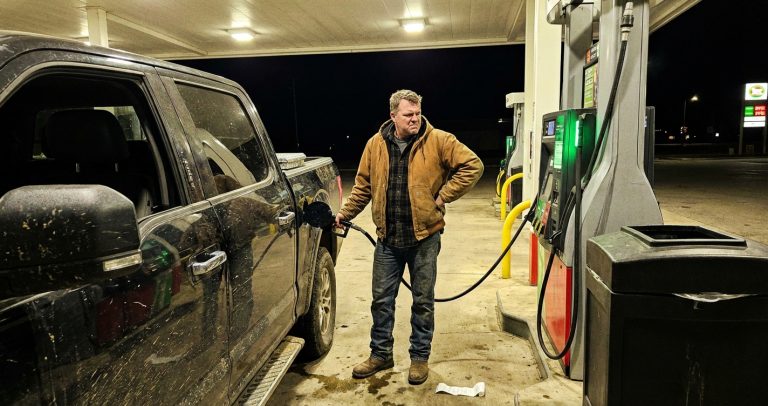
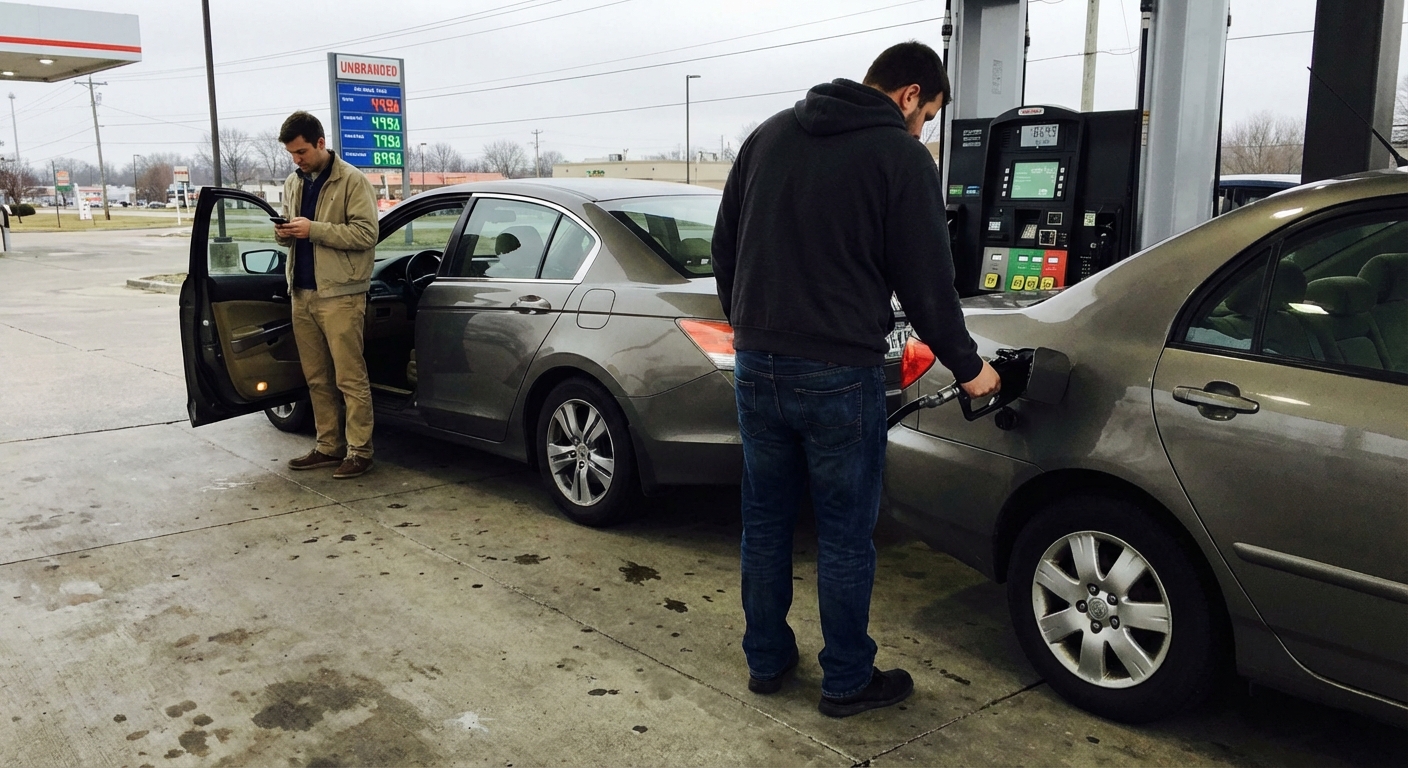
The stranger at the pump seems friendly enough. Offers to handle the nozzle. Maybe even makes small talk while the gas flows. By the time the driver pulls away, the transaction is still running. That open nozzle becomes a blank check, and the person who just smiled and waved is already fueling someone else’s car on the original customer’s dime. Police in the Philadelphia area started issuing warnings in March 2026 after victims reported mysterious charges reaching $150. The scam requires no hacking, no device, no technology at all.
A Con Built on Kindness
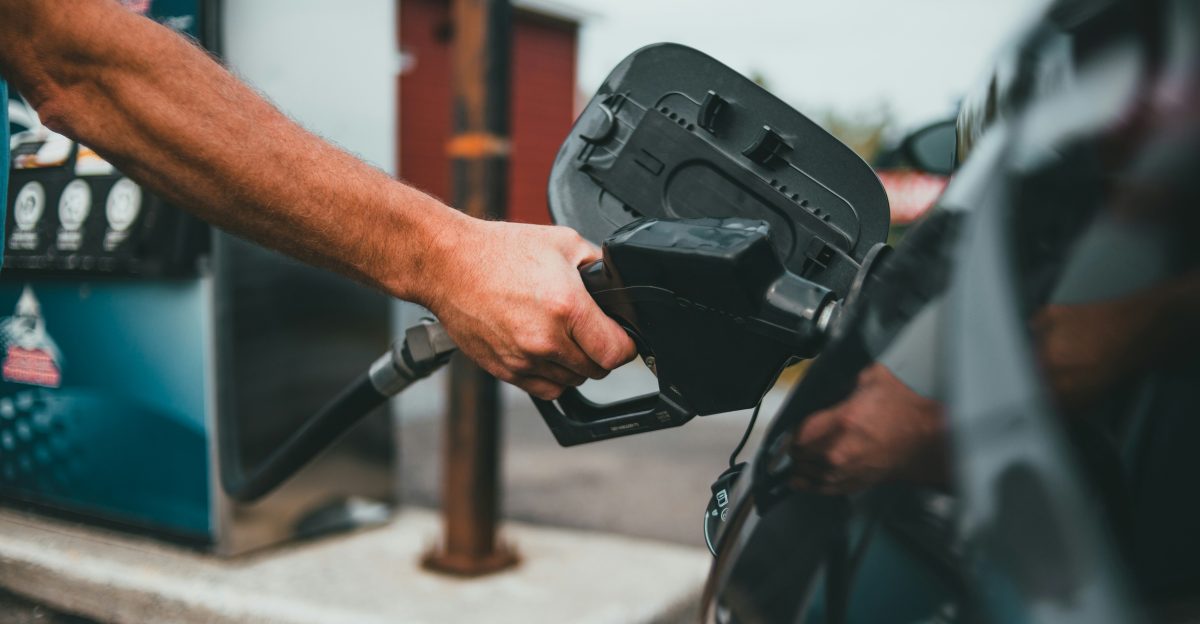
Lower Merion Township Police documented multiple reports of pump-switching at local gas stations, triggering NBC10 Philadelphia coverage in March 2026. The setup exploits basic human decency. A scammer approaches, offers to pump gas, then deliberately leaves the nozzle loose when the driver departs. The transaction stays active. The scammer then offers to pump for other drivers, collecting cash from each one while every gallon charges back to the original victim’s card. The pressure is real: sources describe scammers who refuse to take no for an answer and keep bothering targets until they comply.
The Skimmer Epidemic Was Already Bleeding Billions
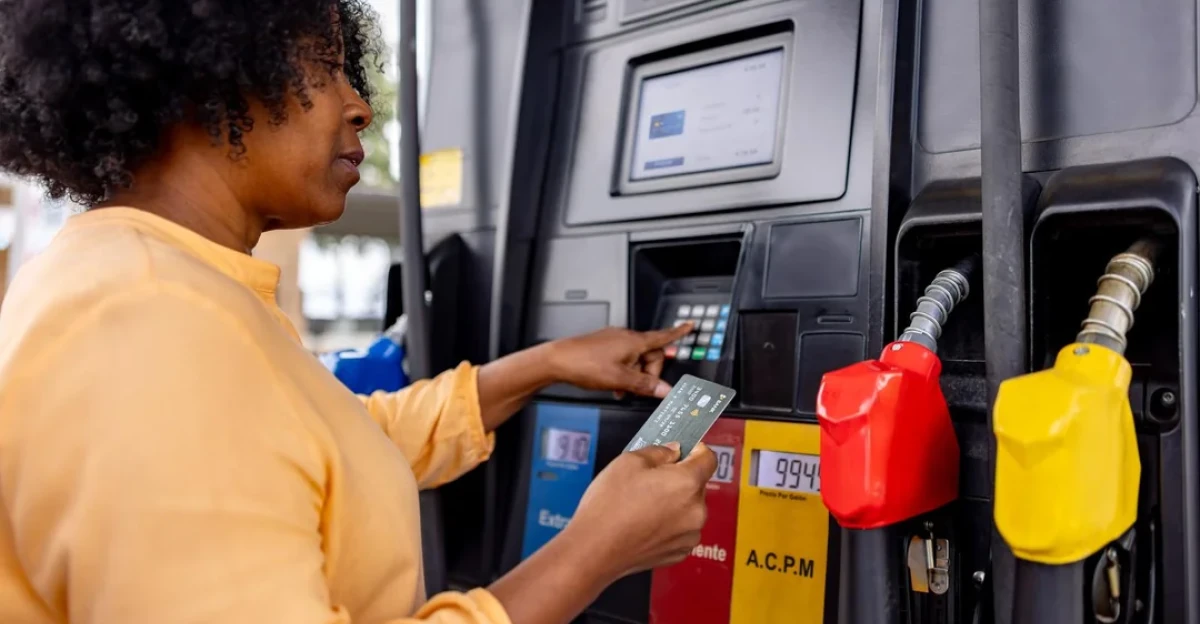
Pump-switching landed on top of an existing crisis. In 2023, more than 315,000 debit cards were compromised through skimming attacks, hitting roughly 3,500 financial institutions. The annual cost to consumers and banks: over $1 billion. San Antonio Police discovered 51 card skimmers in 2024, then found 40 more in 2025. That’s one city. The infrastructure for stealing money at gas pumps was already built and thriving before anyone started manipulating nozzles. Pump-switching just added a human layer to a machine-driven theft pipeline that was already draining American wallets at industrial scale.
No Device Required
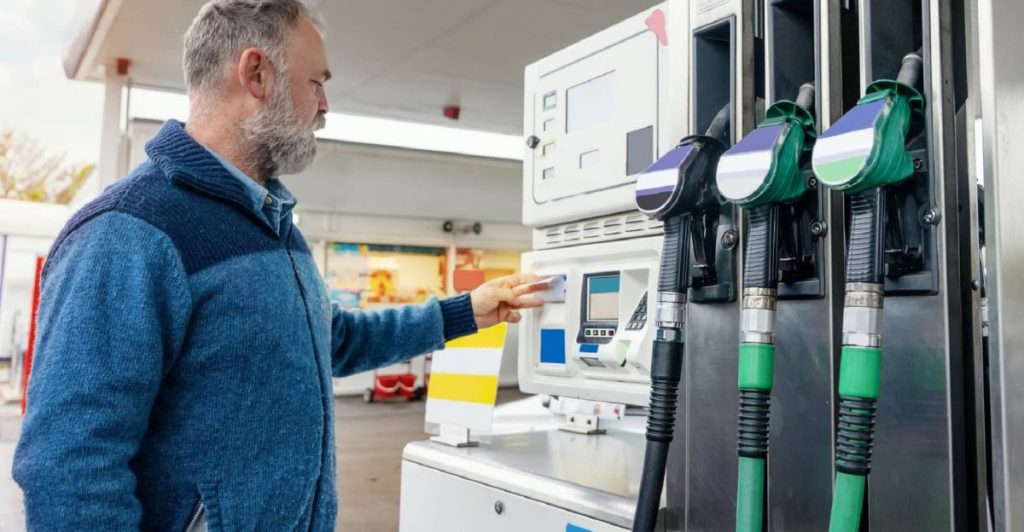
Skimmers require hardware, installation, retrieval. Pump-switching requires a smile and a conversation. The scammer never touches the victim’s card, never installs anything, never leaves forensic evidence on the pump. The entire fraud runs through the station’s own legitimate payment system. That makes it nearly invisible to the detection tools banks and gas stations deployed to catch skimmers. A billion-dollar security apparatus built to find hidden devices is useless against someone who simply talks a driver into walking away from an open transaction. The weapon is social engineering, and no software update patches human trust.
Gas Prices Made the Target Bigger
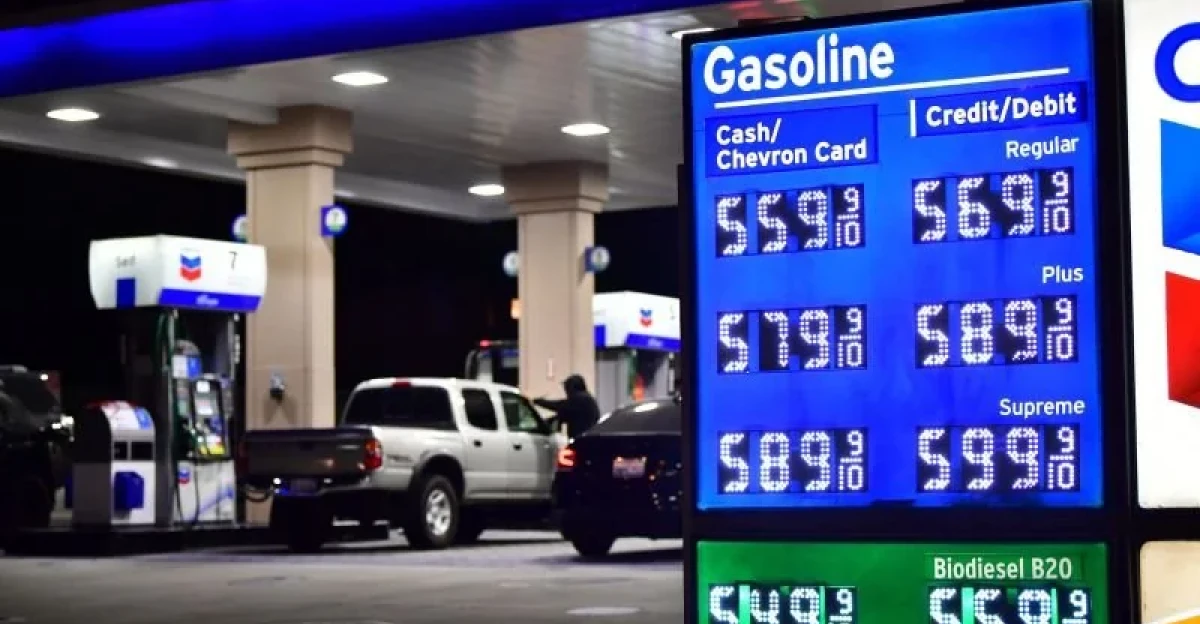
As of early April 2026, gas prices climbed sharply compared to one month prior, with President Trump issuing warnings to Iran amid geopolitical tensions driving costs higher. California drivers face nearly $6.00 per gallon. Washington state: over $5.00. Every dollar added to the pump price increases what a scammer can extract from a single stolen transaction. A $150 charge on a victim’s card buys fewer gallons now, meaning scammers need more victims to maintain the same cash haul, which means more aggressive approaches at more stations.
The South Pays the Heaviest Price
If current Iran-driven price spikes persist, Americans face a significantly higher monthly gasoline bill. Southern states absorb a disproportionate share of that burden. States like Alabama, Mississippi, and Kentucky — where driving is not optional, where public transit barely exists — face the steepest per-household increases. Every extra dollar at the pump comes directly out of grocery money. Now layer pump-switching fraud on top of those numbers. Families already stretched to their limit become the easiest marks for a scammer offering to “help” at the pump.
A Scam That Targets Who You’d Expect
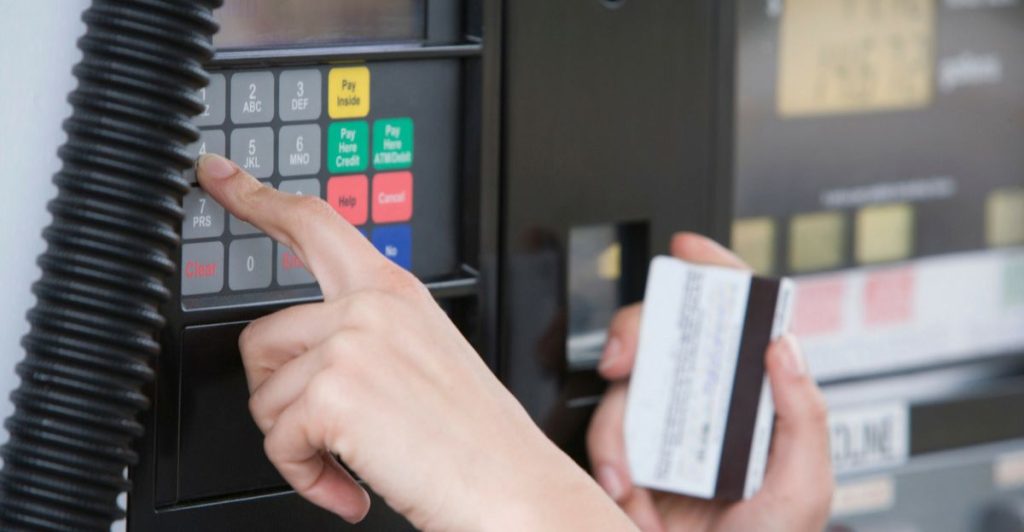
Reports indicate pump-switching disproportionately affects women and other vulnerable drivers. That tracks. The entire scheme depends on social pressure, on a stranger inserting themselves into a routine transaction and making it awkward to refuse. Scammers who “don’t accept your response” and “keep bothering you” are selecting for people least likely to escalate a confrontation at a gas station. Law enforcement agencies are investigating fraud reports affecting multiple states, but the individual encounters play out in parking lots where no federal agent is standing watch. The protection gap is enormous.
The Billion-Dollar Blind Spot
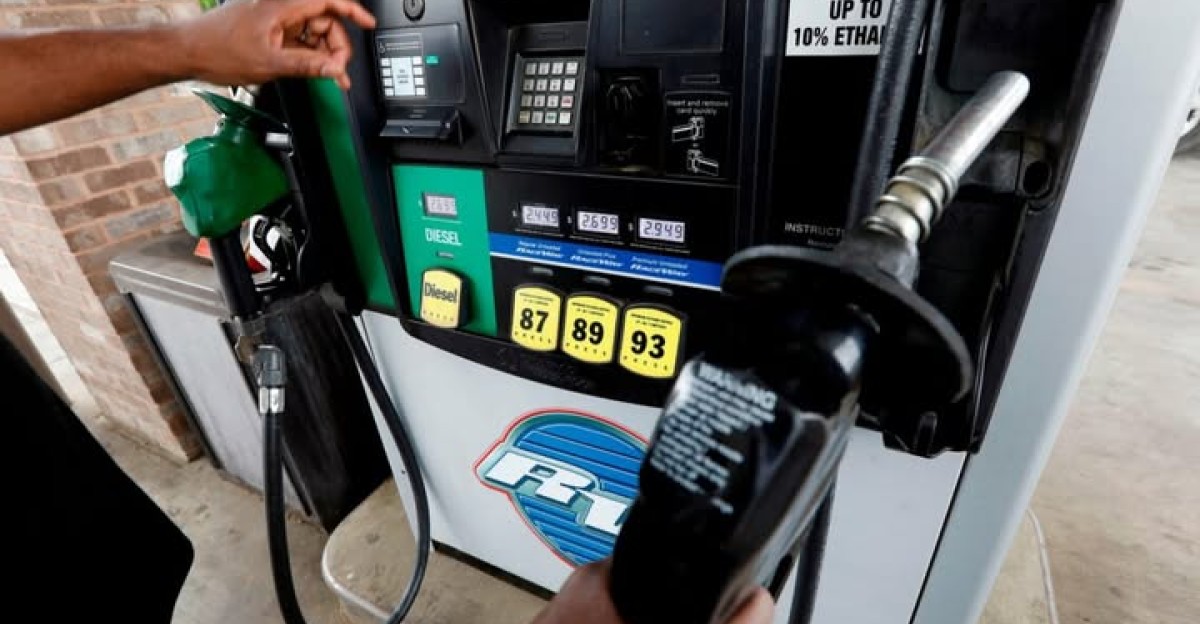
Here is what makes pump-switching different from every gas station scam before it: the transaction is legitimate. The card was swiped by the owner. The pump dispensed fuel normally. No device was tampered with. Banks built fraud detection around anomalies, around cards appearing in two places at once or charges at odd hours. Pump-switching produces charges that look exactly like a driver who bought a lot of gas. That’s not a bug in the scam. That’s the entire design. The fraud hides inside the system’s own rules, which means the system cannot see it coming.
What Happens When You Drive Away
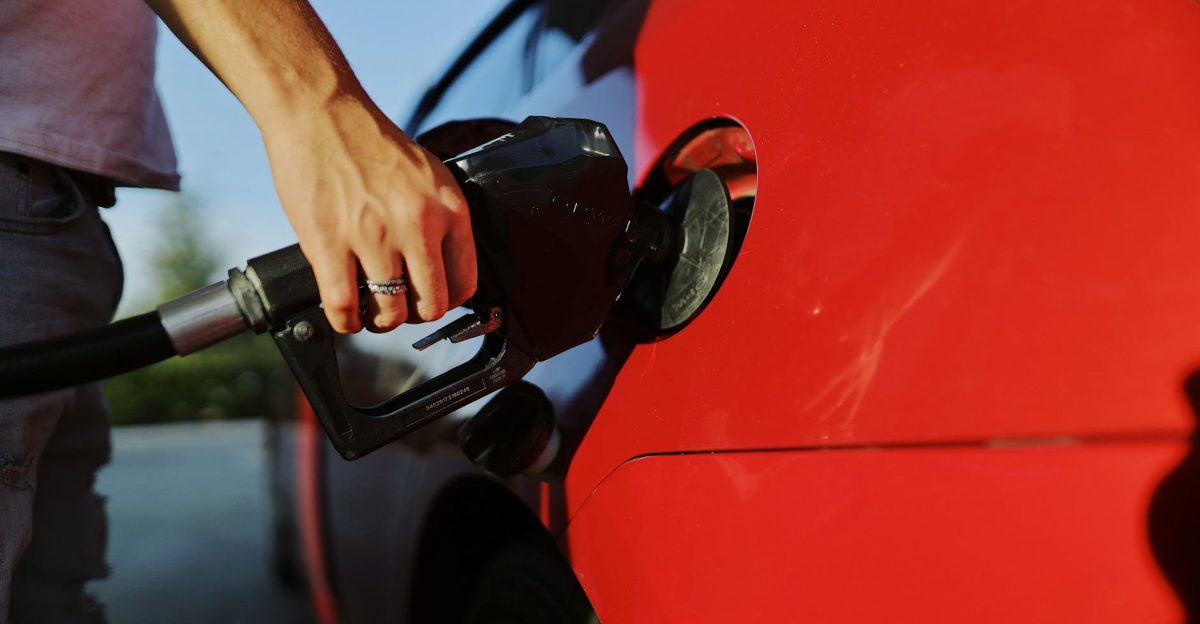
The only defense is knowing. Return the nozzle yourself. Every time. Watch the screen confirm the transaction ended. Never let a stranger handle the pump, no matter how polite the offer sounds. Fuel payment systems remain vulnerable to manipulation at scale. The infrastructure trusts the user. Pump-switching exploits that trust with nothing more than a conversation and a nozzle left one inch out of its cradle. The next person to fill up on your card could already be waiting in line behind you.
Sources
“‘Pump-Switching’ Scam Spreads Across US as Gas Prices Rise” — NBC10 Philadelphia, March 21, 2026
“Pump-Switching Fraud Alert” — Lower Merion Township Police Department, March 2026
“Debit Card Compromises Nearly Doubled in 2023” — FICO, March 2024
“Where San Antonio Police Found Credit Card Skimmers in 2024” — KSAT / San Antonio Police Department, May 2025
“Where Credit Card Skimmers Were Found by San Antonio Police in 2025” — KSAT / San Antonio Police Department, February 2026