Pump Prices Hit Key Threshold And More U.S. Drivers Eye EV Searches
It wasn’t a CEO. It wasn’t an ad campaign. It wasn’t a government mandate. Somewhere near the Strait of Hormuz — a waterway most Americans couldn’t point to on a map — military tensions involving Iran disrupted the flow of roughly a fifth of the world’s traded oil.
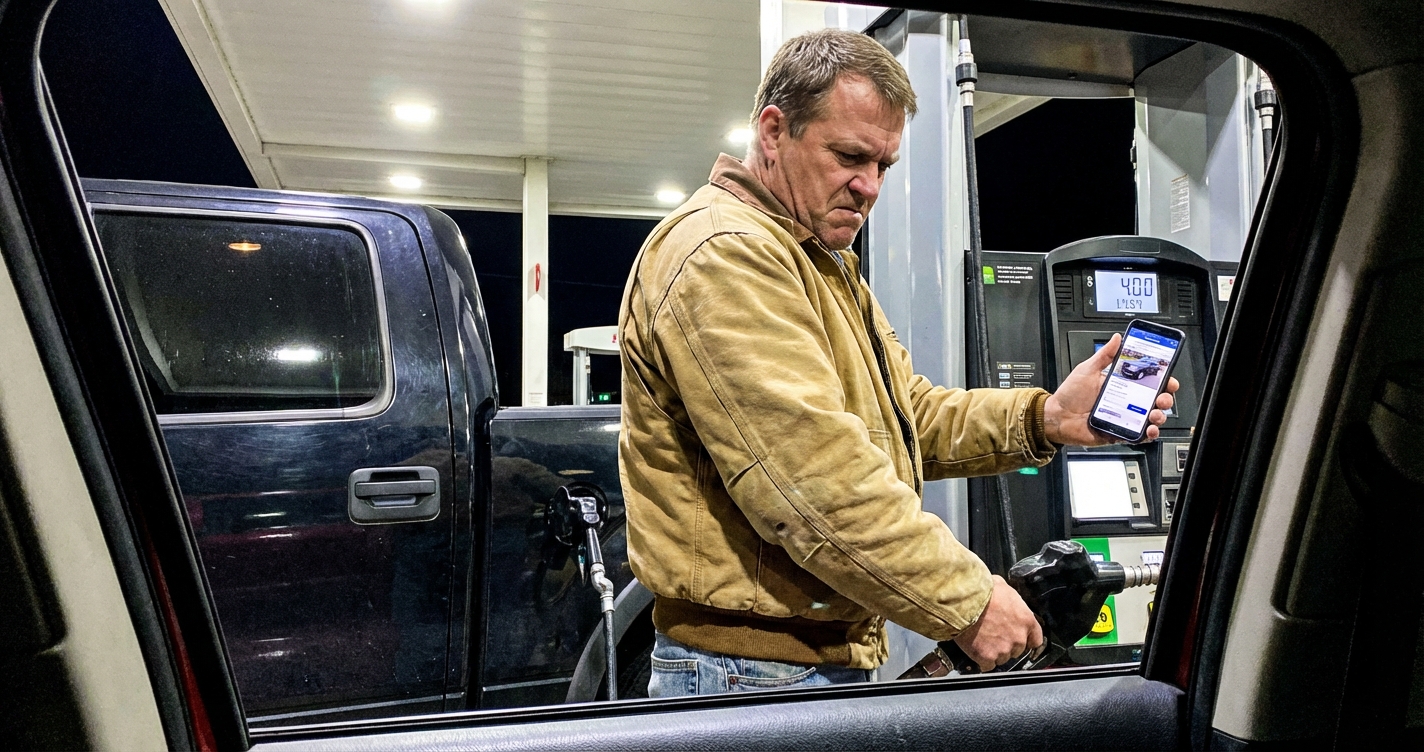
Crude prices jumped, and within days, the national average for a gallon of regular gas climbed 43 cents to $3.54, according to AAA. California hit $5.29. And before the news cycle even caught up, car shoppers across America quietly started doing something they hadn’t done in years.
For Ten Straight Weeks, Nothing Moved. Then Gas Jumped.
Edmunds tracks real shopping behavior, not opinions, not surveys, but what people actually click, research, and price out on one of the country’s biggest car-buying platforms. From late December through the end of February, consideration for electrified vehicles held remarkably flat: 20.7 to 21.4 percent of all vehicle research on the site, week after week, barely moving.
The week gas prices started climbing, the week of March 2, that number jumped to 22.4 percent, with battery-electric vehicles driving most of the gain. Ten weeks of stillness. One week of gas prices, and the dam moved.
In 2022, This Exact Thing Happened — and It Didn’t Stop at Search
When Russia invaded Ukraine in late February 2022, the playbook looked familiar. Gas prices surged to a national average peak of $4.93 in June. Electrified vehicle consideration on Edmunds shot from 17.5 percent in February to 25.1 percent in March alone.
What people forget is that it didn’t stop there. EV market share climbed from 4.4 percent in March to 6.0 percent by October, with a brief dip in August, but an otherwise sustained upward trend as gas prices remained elevated through Q3. The searches became test drives. The test drives became sales. The pump didn’t just change minds, it changed driveways.
The Trade-In Nobody’s Talking About
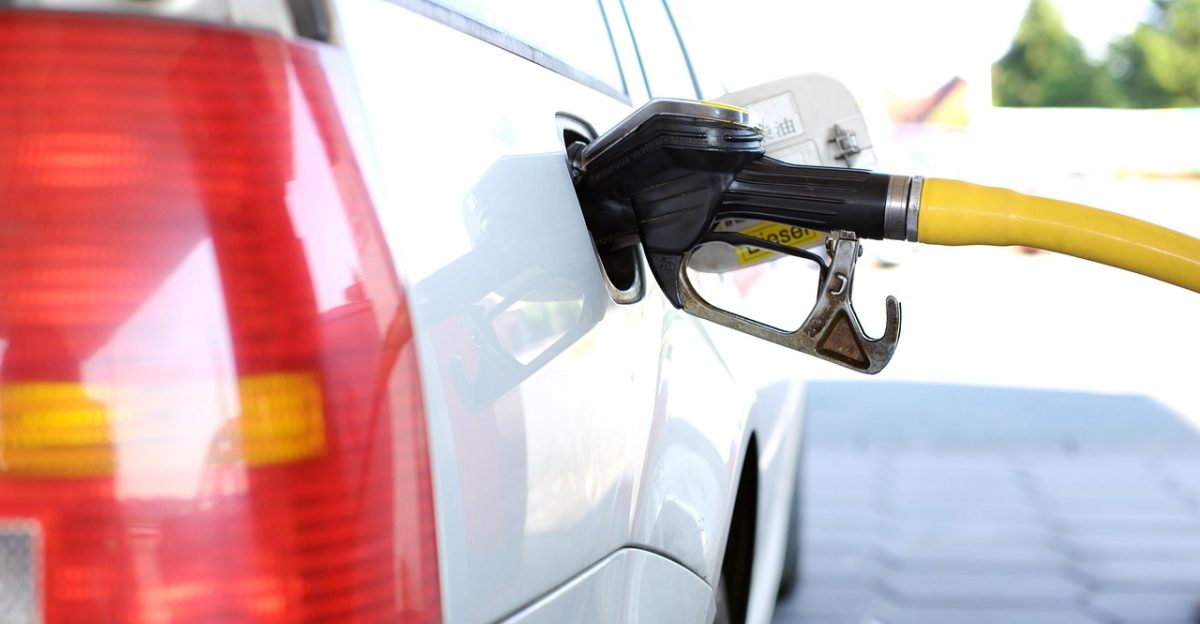
When gas prices spike, everybody fixates on the EV side of the equation. But there’s a second punch most buyers don’t see coming. When shoppers start favoring fuel-efficient vehicles, demand for gas-guzzling trucks and SUVs softens, which pulls down trade-in values on exactly the vehicles most people are trying to trade out of.
The vehicle you’re trying to leave is worth less, and the vehicle you’re trying to get into costs more. Edmunds documented this dynamic specifically; it’s one of the hidden ways a gas spike can trap buyers right when they most want to move.
The “$5 Gas Problem” That Turns Into a $50,000 Decision
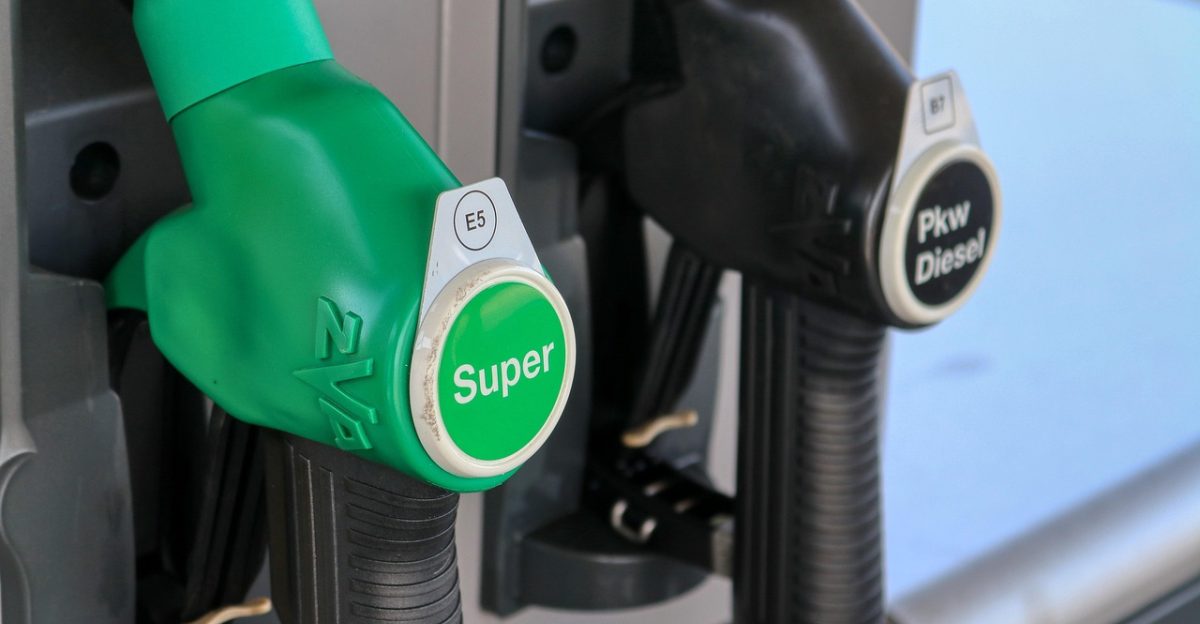
The average transaction price for a new vehicle was $48,766 in February 2026, up from $45,596 in February 2022. The average APR on a new car loan has climbed from 4.4 percent to 7.0 percent over the same period, pushing the average monthly payment from $656 to $775.
Edmunds put it plainly: trying to offset higher fuel costs by switching vehicles can quickly turn a $5 gas problem into a nearly $50,000 decision. For most households, that math doesn’t pencil. Many will absorb the pain at the pump rather than take on five figures of new debt to escape it.
The Part Where It Gets Good for Buyers
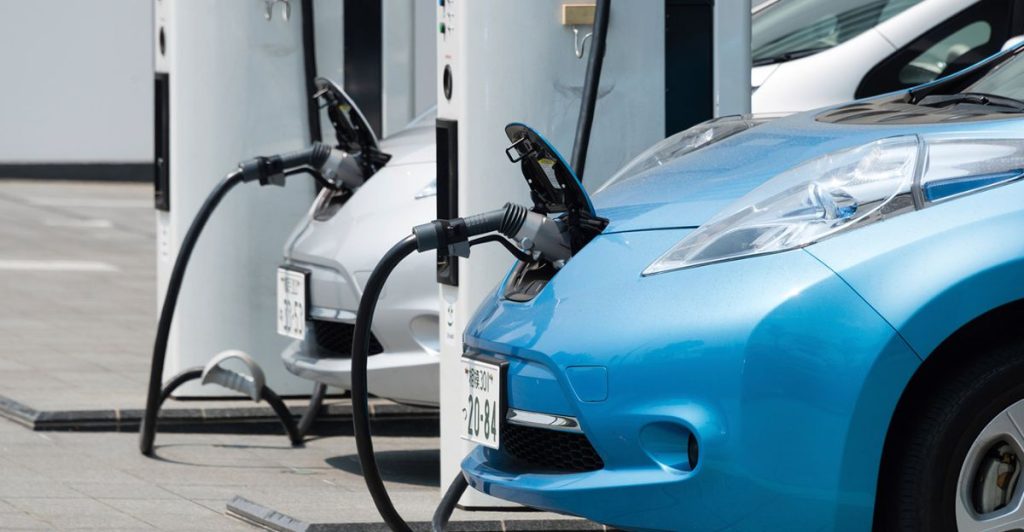
There’s a quiet flood coming to used-car lots, and the timing couldn’t be stranger or better. The share of battery-electric vehicles among expected lease returns in 2026 is projected to jump from 2 percent of all off-lease vehicles to 8 percent, according to Edmunds. Hybrids and plug-in hybrids will also grow their slice. These are vehicles leased in 2022 and 2023, when automakers were writing aggressive deals and buyers locked in before affordability tightened.
Now that those leases are expiring, the residual values written into the original contracts often exceed what comparable used vehicles are actually fetching on the market. Lessees are walking away, and the cars are hitting the lot.
The Lessee Who Can’t Buy Out Their Own Car
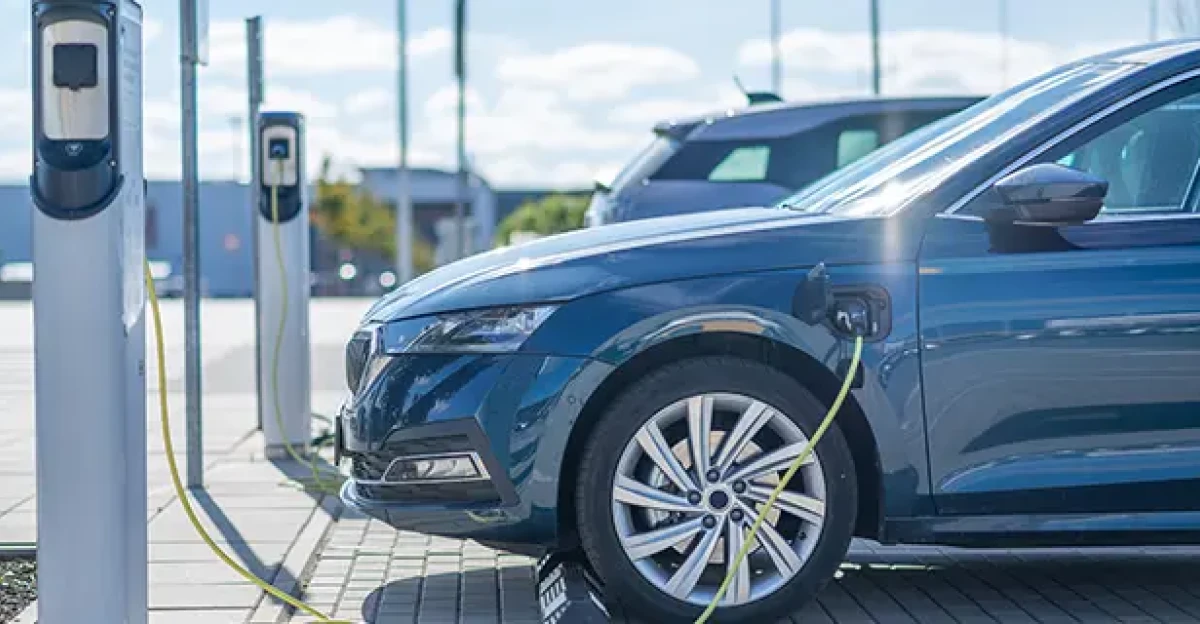
When those EV leases were written three years ago, lenders projected the vehicle would be worth roughly half its original price at lease end, a residual value baked into the contract. In many cases, the used market price for that same model has fallen below that number, meaning the buyout price is actually higher than what you’d pay buying the same car off the lot used.
So the lessee returns the car. The dealer auctions it. The price falls further. And a buyer paying cash or financing a used vehicle ends up with a low-mileage, recent-model EV at a price that makes the new-car window look absurd. One market’s loss is another buyer’s deal of the decade.
The Voters Who Supposedly Hate EVs Are Shopping for Them
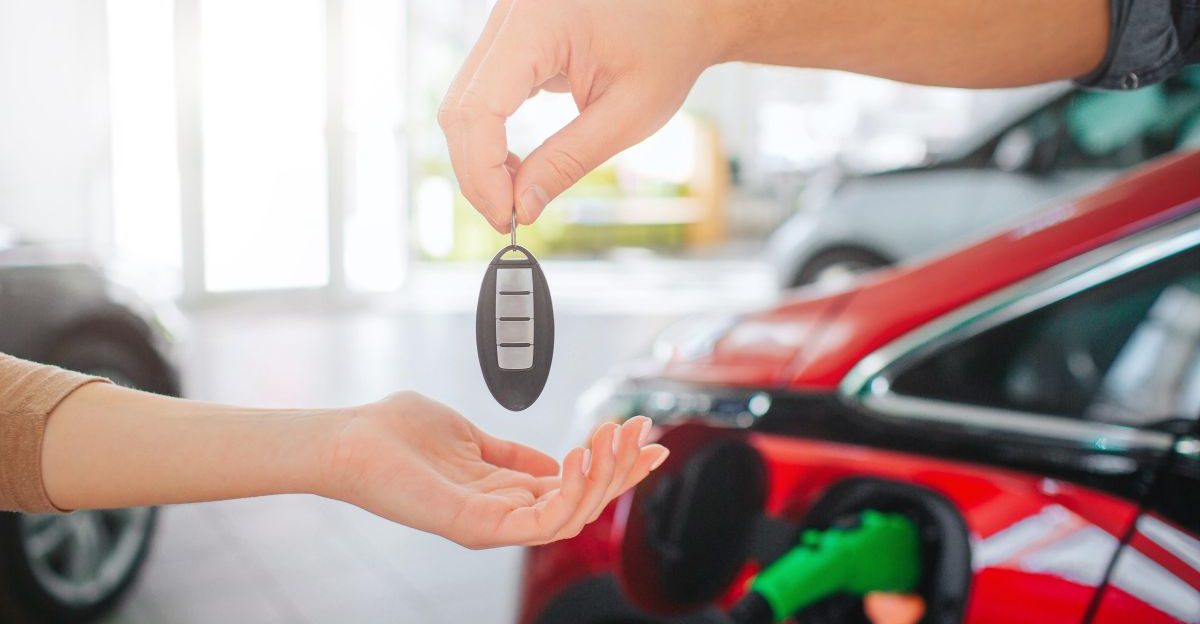
The auto industry has spent years sorting EV buyers into a specific demographic box of urban, coastal, college-educated, and environmentally motivated. The Edmunds consideration data doesn’t sort by politics. It tracks behavior. And what it shows is that EV shopping consideration had been running flat across the entire platform for ten straight weeks before the gas spike. Then it moved.
The data doesn’t tell us who shifted, but it does tell us that something shifted across a broad base of American car shoppers, not a niche. When the fill-up costs enough, the ideological argument about EVs stops being the loudest voice in the room. The receipt from the pump gets that job.
The Dealers Sitting on the Right Inventory Right Now
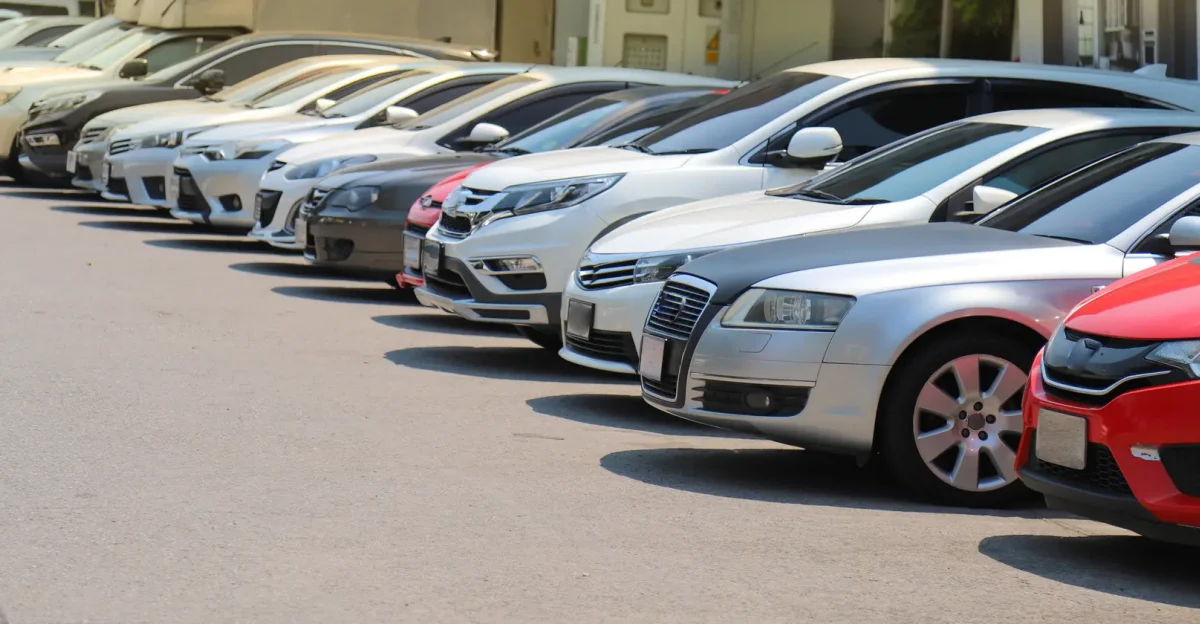
Not every dealer benefits equally from a gas-price spike, and the divide is getting sharper. Lots heavy with hybrids, plug-in hybrids, and EVs are suddenly fielding more traffic than they were two weeks ago. Lots stacked with full-size gas trucks and large SUVs are watching both foot traffic and trade-in values soften simultaneously. The critical variable, per Edmunds, is how long consumers expect gas prices to stay elevated, not just whether prices are high today.
Dealers who moved to diversify their electrified inventory during the 2025 slow-sales stretch are better positioned than those who bet everything on gas-powered trucks and SUVs. The market doesn’t give much warning before it makes that call.
The Pump Has Always Been the Best EV Salesman. Nobody Pays It.
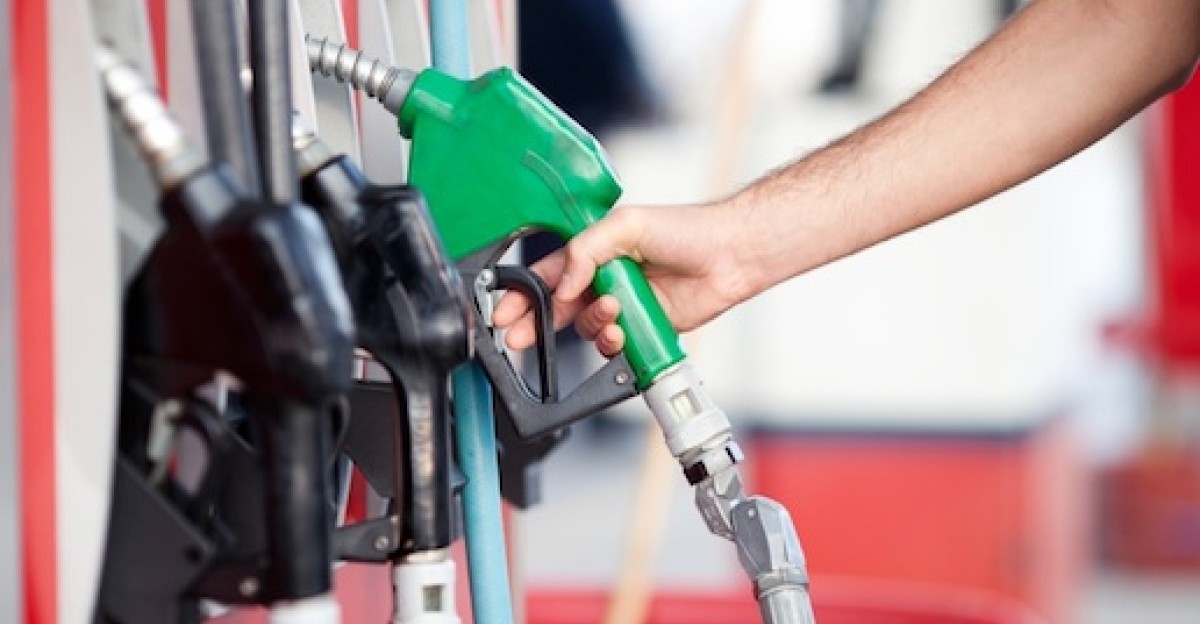
No automaker planned this. No lobbyist engineered it. A geopolitical event thousands of miles from the nearest car dealership triggered a chain reaction – oil shock, pump price, budget stress, search bar that moved American consumer behavior within a single week. Whether those searches become sales depends entirely on one thing Edmunds was direct about: it’s not the price of gas that decides, it’s how long buyers believe it will stay there.
With analysts offering no clear timeline on the Iran situation and 2026 shaping up as the most supply-rich used EV market in history, the window is real. The pump opened it. The only question now is whether it stays open long enough for buyers to walk through.
Sources:
Edmunds, “Car Shoppers Paying More Attention to EVs as Gas Prices Rise” (March 10, 2026)
CarPro, “Your Extended Forecast: Flash Flooding Of Used EVs” (February 23, 2026)
CNBC, “Experts Weigh Potential Scenarios for Oil if Strait of Hormuz Closes” (March 1, 2026)
Axios, “Oil, Gas Prices Spike as Iran War Thrusts Strait of Hormuz Into Focus” (March 9, 2026)
AutoRemarketing, “Edmunds on Why Appeal of Used EVs Could Surge as Gas Prices Keep Rising” (March 10, 2026)