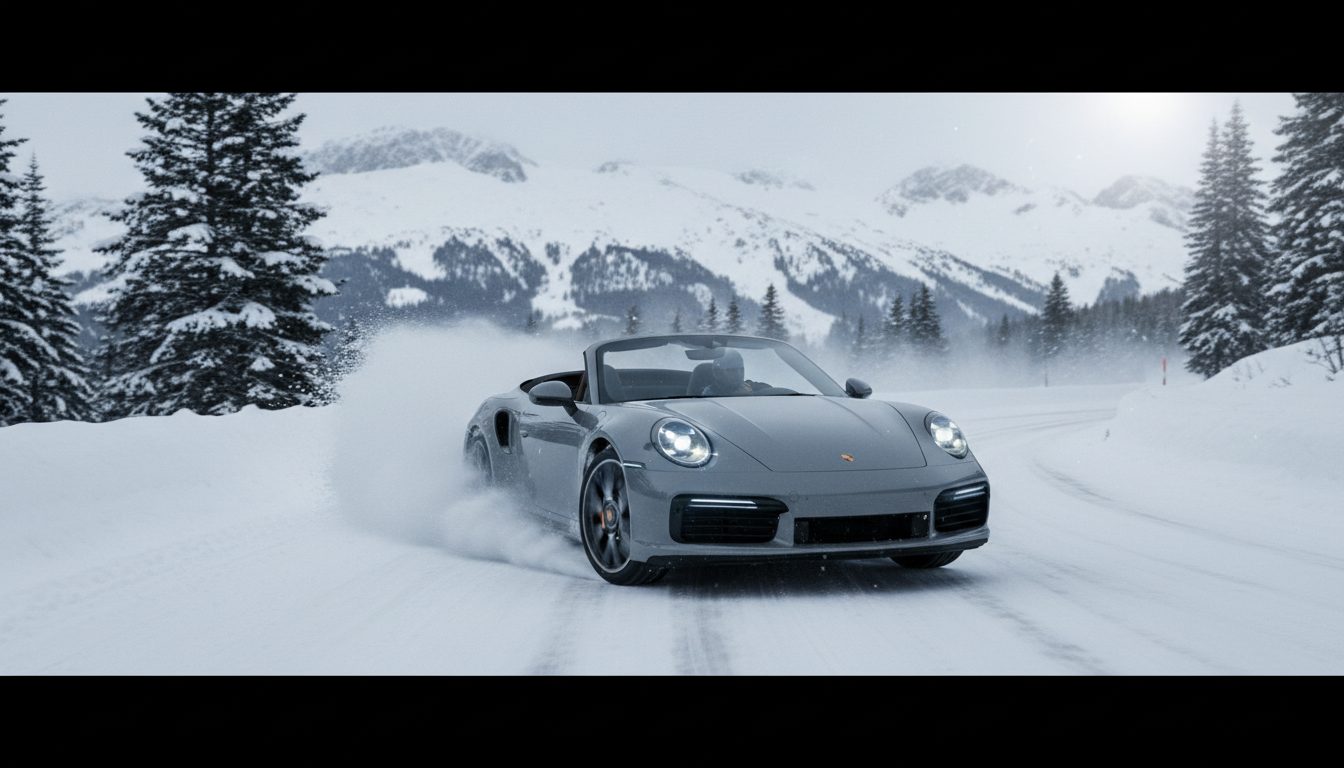
Porsche 911 Turbo Cabriolet Spotted Testing in Extreme Snow Conditions
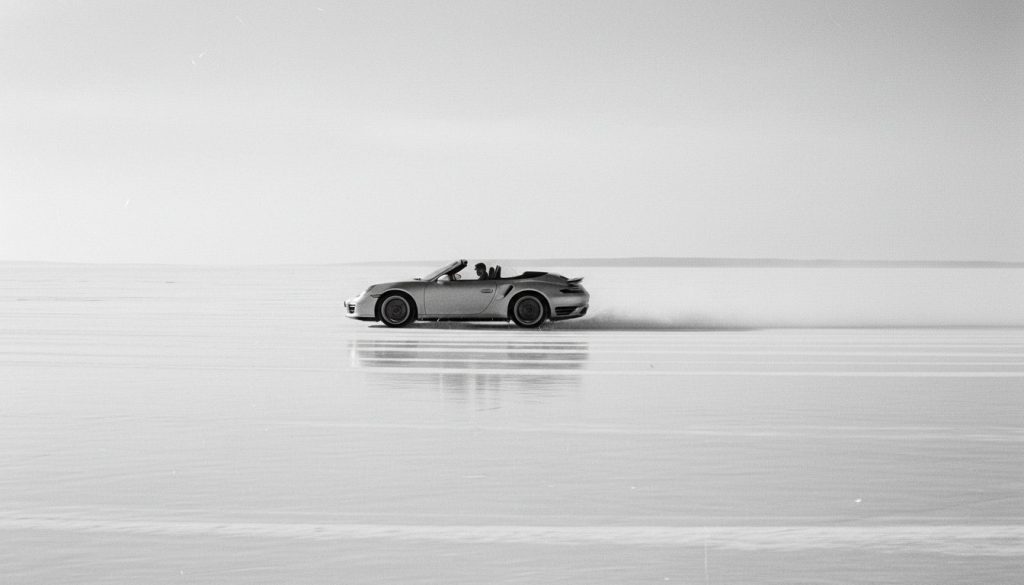
Porsche 911 Turbo Cabriolet Spotted Testing in Extreme Snow Conditions reveals how the iconic sports car is being pushed to its limits. Engineers are testing the convertible in harsh winter environments to ensure performance, stability, and reliability even in freezing temperatures. The testing highlights Porsche’s focus on delivering consistent power and control, no matter the driving conditions.
2023 Porsche 911 Turbo S
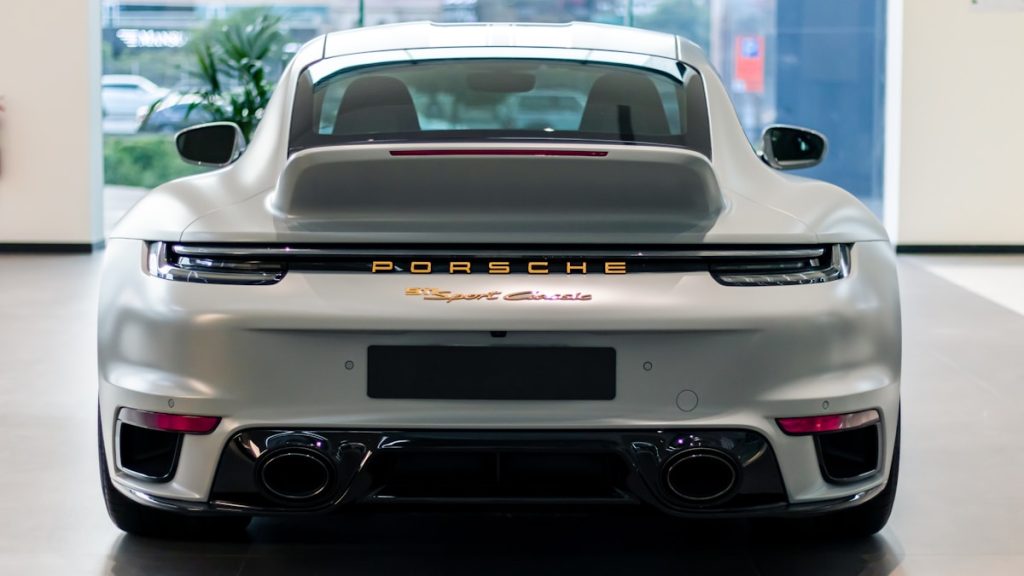
The 2023 Porsche 911 Turbo S is a beast of a car, with its twin-turbo 3.8-liter flat-six engine pumping out 641 horsepower, so it’s no wonder the company wants to see how it handles in the harshest of environments. I mean, who wouldn’t want to know if their car can keep up with the demands of snowy mountain roads?
Winter Tires
Porsche is fitting the 911 Turbo Cabriolet with specialized winter tires, designed to grip snow and ice with ease, but will they be enough to keep the car stable at high speeds? It’s a delicate balance between traction and control, and one wrong move could send the car spinning out of control.
All-Wheel Drive System
The 911 Turbo Cabriolet’s all-wheel drive system is one of its strongest assets, capable of sending power to all four wheels in a split second, but how will it perform in the slippery conditions of a snow-covered road? Can it really make a difference in the car’s handling?
Turbocharged Engine
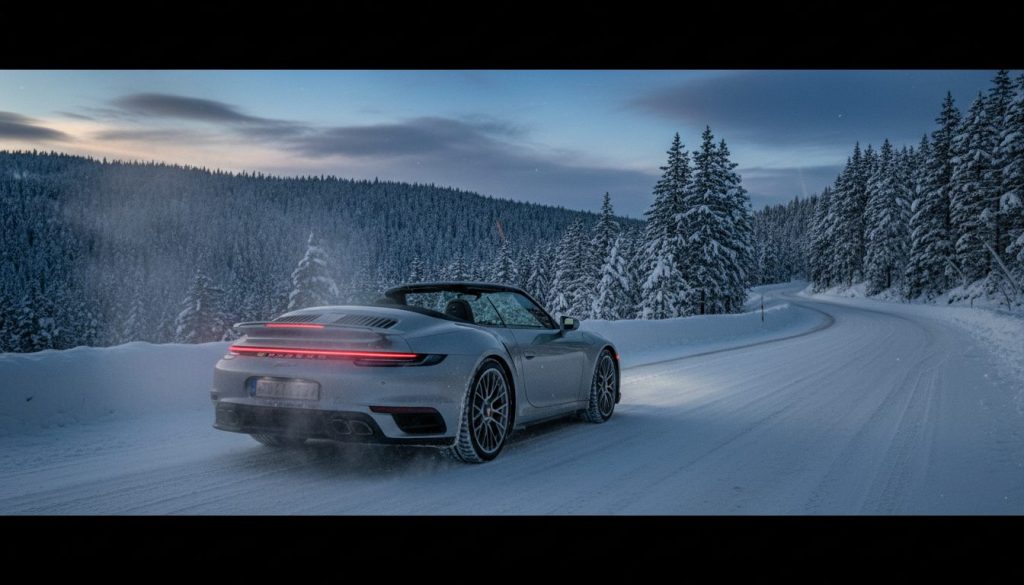
That twin-turbo 3.8-liter flat-six engine is a real powerhouse, but it’s also a potential liability in the snow, as the added power could make the car more difficult to control, so what’s Porsche doing to mitigate this risk? Are they tweaking the engine’s settings to make it more snow-friendly?
Snowy Mountain Roads
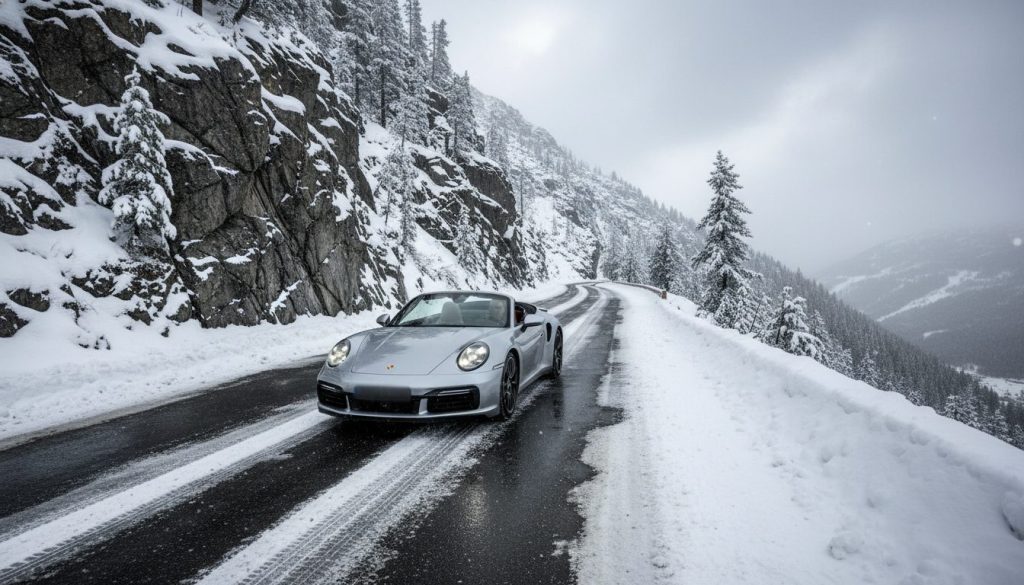
The roads where the 911 Turbo Cabriolet is being tested are some of the most treacherous in the world, with steep cliffs and icy surfaces, so it’s a real test of the car’s mettle, but what’s the point of all this? Is Porsche just trying to prove a point, or is there something more at play here?
Porsche’s Testing Regimen
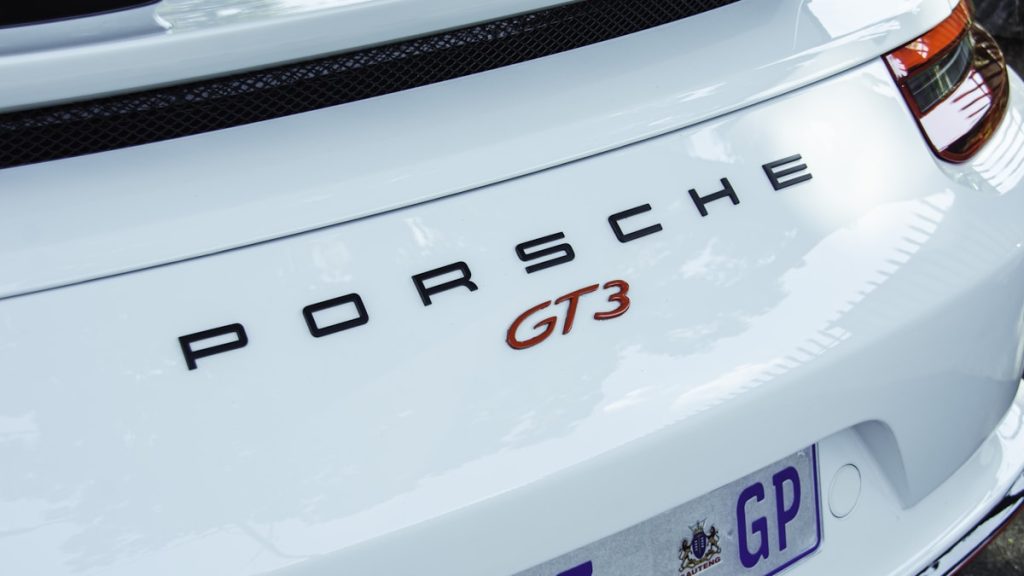
Porsche’s testing regimen is notoriously tough, with cars being pushed to their limits in a variety of conditions, from the scorching deserts of Death Valley to the frozen tundras of Lapland, but what does this say about the company’s priorities? Are they more concerned with building a car that can handle anything, or one that’s just fast and stylish?
Cabriolet Design
The 911 Turbo Cabriolet’s design is a real head-turner, with its sleek lines and retractable roof, but how will it hold up in the harsh conditions of the snowy mountains? Will the roof be able to withstand the heavy snowfall, or will it become a liability?
Chassis Reinforcement
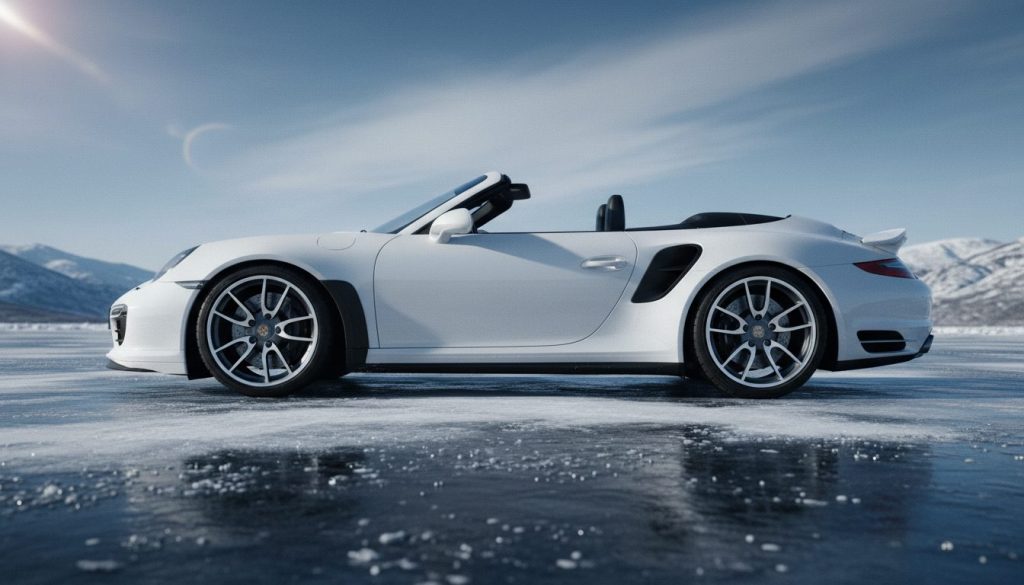
Porsche has reinforced the 911 Turbo Cabriolet’s chassis to make it more rigid and stable, which should help it handle the rough roads and icy surfaces, but is this enough to make a real difference? Can a few extra braces and supports really make the car that much more capable?
Electronic Stability Control
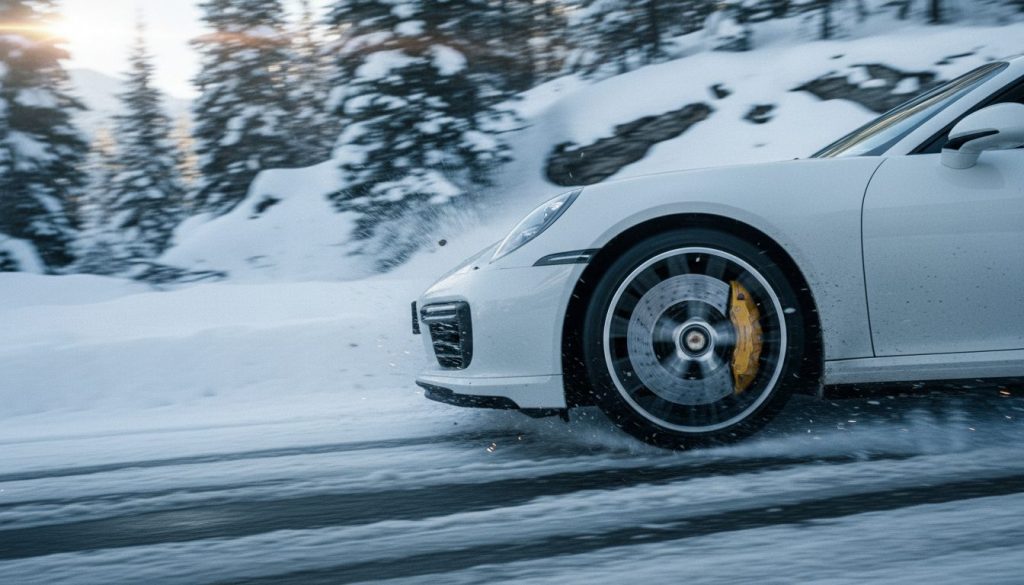
The 911 Turbo Cabriolet’s electronic stability control system is one of the most advanced on the market, capable of making split-second adjustments to keep the car on course, but how will it perform in the low-traction conditions of a snowy road? Can it really help the car stay stable, or will it just get in the way?
Performance Metrics
So what kind of performance metrics is Porsche looking for in these tests? Are they trying to shave seconds off the car’s lap time, or are they more concerned with its handling and stability? What’s the real goal here, and how will they measure success?