Plug-In Hybrids Qualified for Up to $7,500 in Credits—Even if Owners Never Charged Them
Plug-in hybrids were once promoted as a bridge between gasoline cars and fully electric vehicles. Before October 2025, many qualified for a federal tax credit worth up to $7,500, encouraging buyers to adopt technology designed to reduce emissions. But the system relied on eligibility rules rather than real-world charging behavior. That meant some vehicles received generous incentives even if they were rarely plugged in. Congress ended those credits in 2025, but the policy gap they revealed remains an important lesson about how incentives shape real-world outcomes.
A Plug, A Sticker, And $7,500
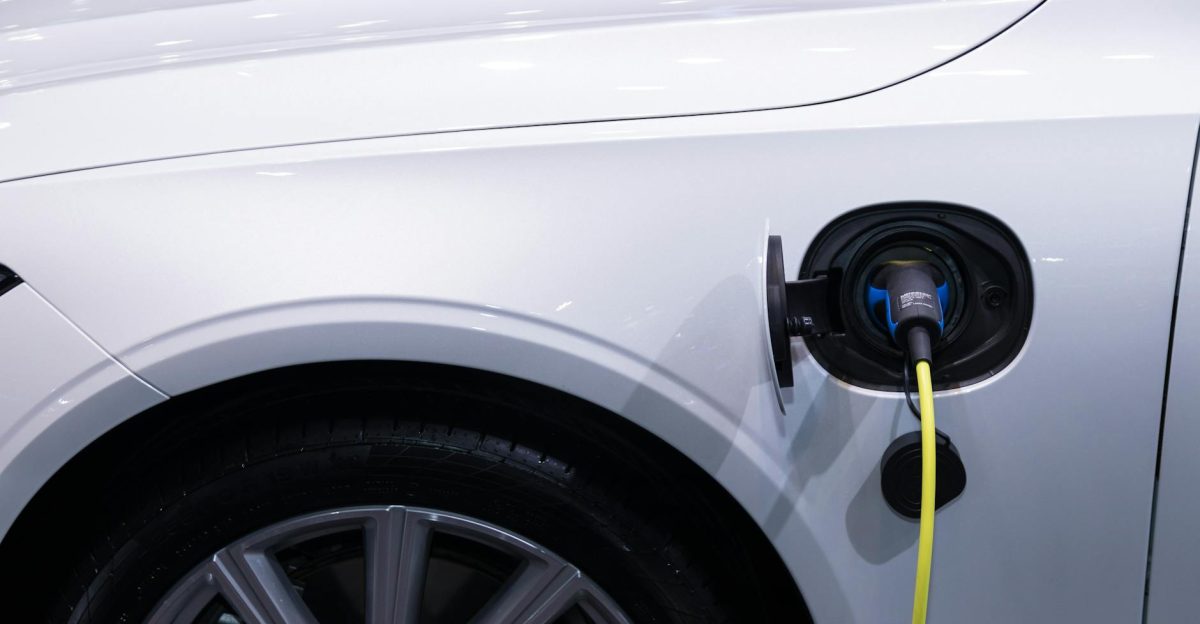
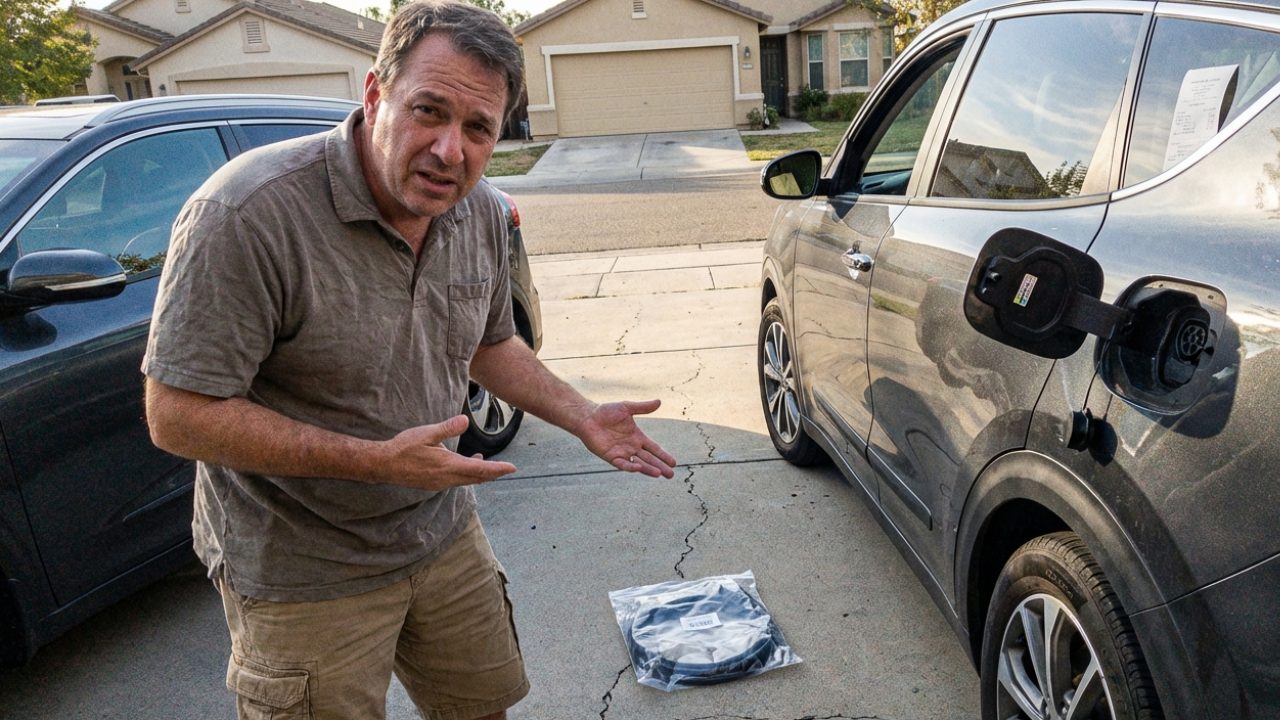
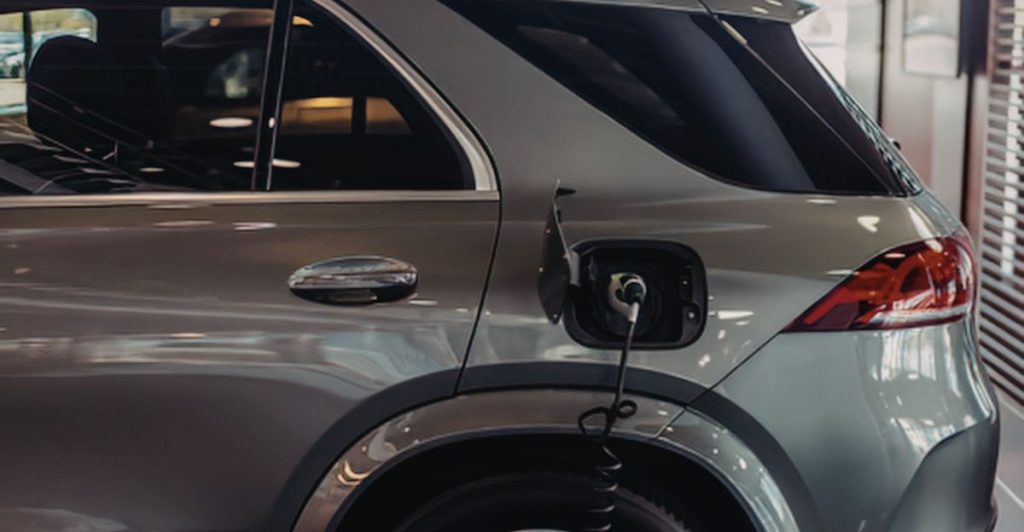
Before October 2025, a brand-new plug-in hybrid could sit under dealership lights with a green sticker on the window, a charge port on the fender, and a federal tax credit worth up to $7,500 attached to the purchase. A buyer could drive it home, park it in the garage, and never plug it in. The combustion engine would still start every morning. The charge port might gather dust while gasoline powered most trips. On paper, the vehicle qualified as a clean technology under federal policy. On the road, its daily behavior could look far more familiar.
When Plug-In Capability Stayed Unused
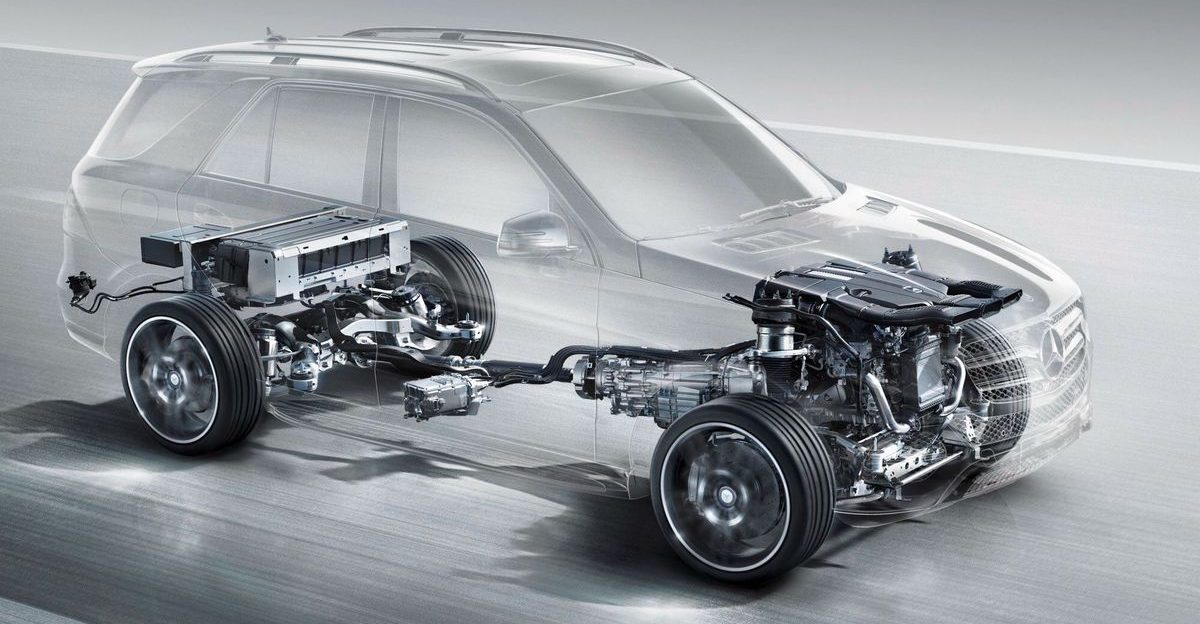
A plug-in hybrid combines a combustion engine with an electric motor and a battery that can recharge from an external outlet. When drivers plug in regularly, the vehicle can travel meaningful distances using electricity alone. But if the battery drains and charging never happens, the car defaults to hybrid operation and burns fuel during most driving. EPA testing measures what the vehicle is capable of under standardized conditions. In everyday life, the difference between capability and behavior could become substantial. That disconnect is where the incentive system quietly began to break down.
Why Eligibility Determined The Credit
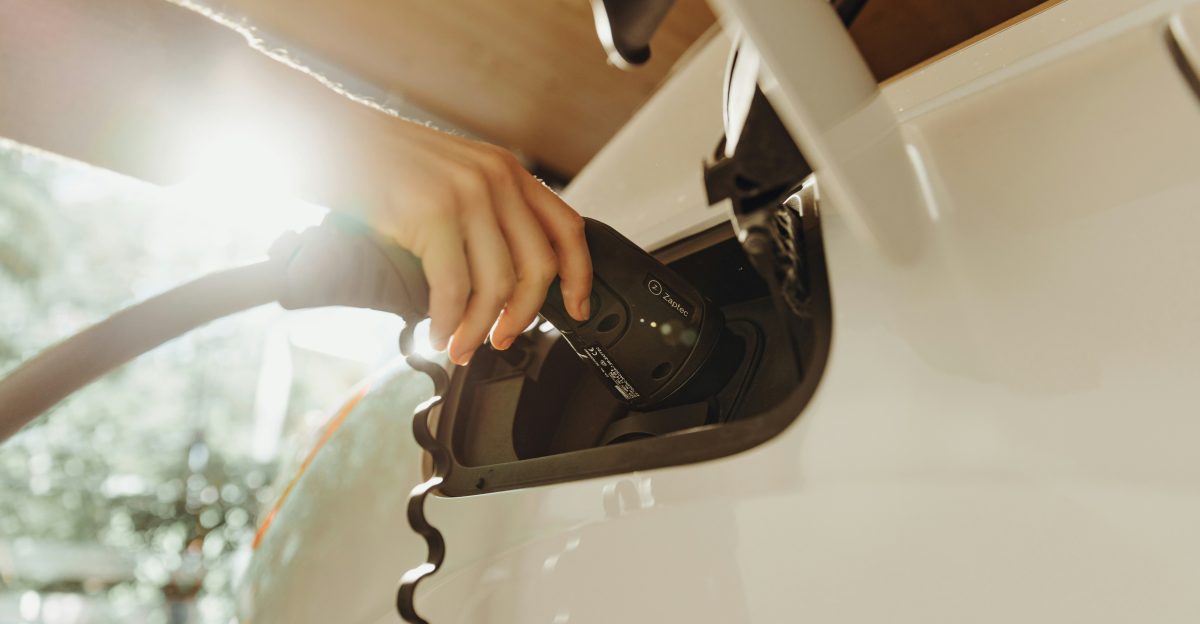
Most buyers assumed a vehicle receiving a clean energy credit must produce cleaner real-world results. In reality, the U.S. Clean Vehicle Credit, which provided up to $7,500 for new qualifying vehicles before its expiration on September 30, 2025, attached at purchase based on eligibility rules. Federal agencies verified whether a vehicle met battery, sourcing, and manufacturing criteria. They did not verify how the owner used it afterward. Charging frequency remained entirely up to the driver. The subsidy followed the vehicle category rather than the driver’s behavior, revealing a key structural weakness.
The Plug That Opened A Policy Gap
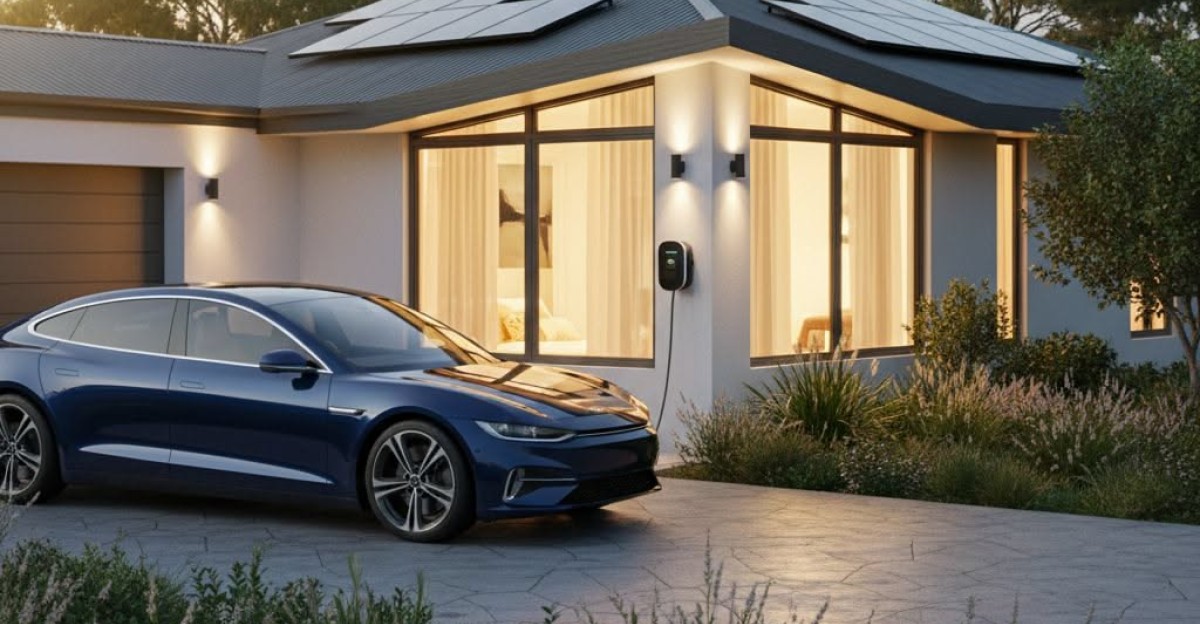
Because the system rewarded the presence of a plug rather than proof of electric driving, an unintended shortcut appeared. Automakers could route combustion heavy configurations through the plug-in hybrid category, earning cleaner labels and federal credit eligibility without guaranteeing electric driving. Once the vehicle met eligibility rules, the paperwork was complete and the incentive became available. A June 2022 International Council on Clean Transportation study found private plug-in hybrid owners in Europe drove electrically only 45% to 49% of the time, far below the 70% to 85% assumed in official testing.
The Math Behind Electric Miles
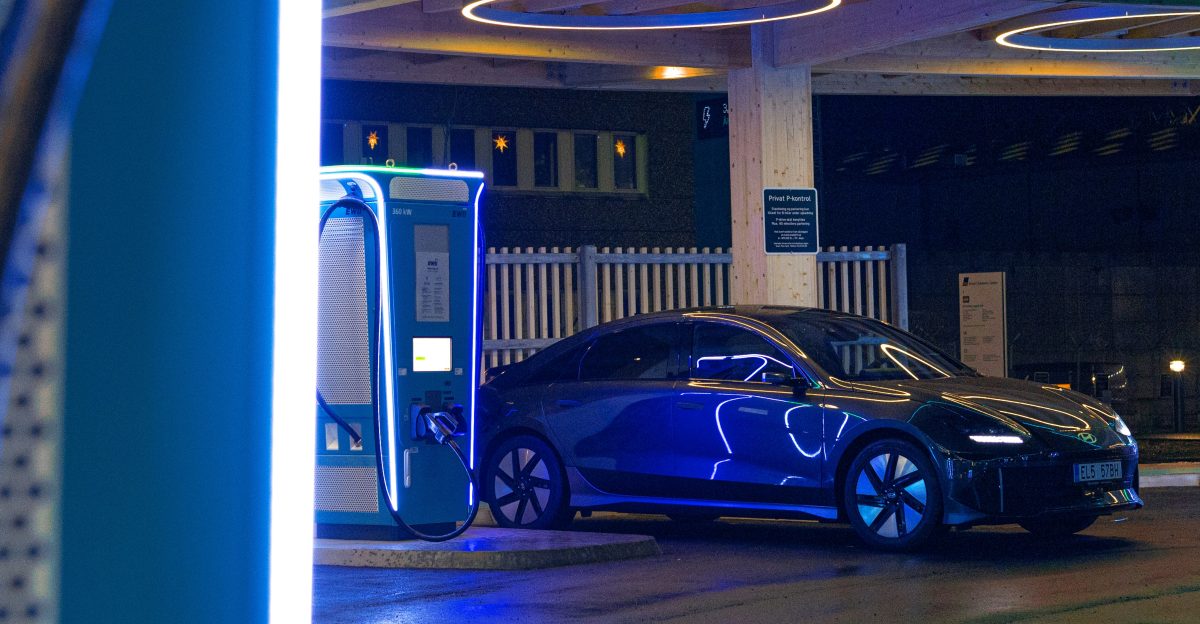
Regulatory testing estimates how often a plug-in hybrid drives on electricity using a formula known as the utility factor. This calculation predicts the share of electric and gasoline miles under typical conditions. When drivers recharge frequently, those estimates hold. When they rarely plug in, the math breaks down. The European Commission’s Joint Research Centre reported in 2024 that real-world fuel consumption and emissions from plug-in hybrids were often significantly higher than official type-approval figures. Think of it like installing a solar panel you never connect. The equipment exists, but the savings never arrive.
Credits Added Up Quickly
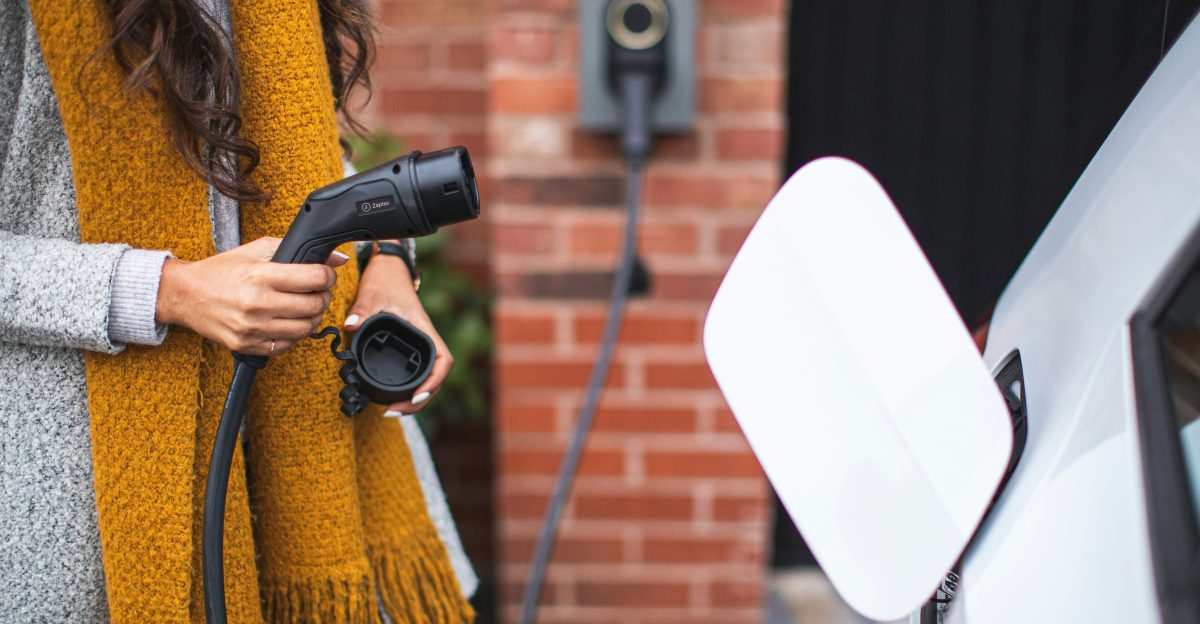
Before their repeal, the financial incentives were substantial. Buyers could receive up to $7,500 for a qualifying new vehicle and up to $4,000 for an eligible used one. A household could, across separate qualifying purchases subject to distinct income and price caps, have accessed roughly $11,500 in combined credits. These incentives were eliminated by the One Big Beautiful Bill Act, signed into law in 2025. While the credits encouraged adoption of plug-in vehicles, they did not require owners to charge them. That gap between eligibility and real-world behavior defined the policy’s central weakness.
Charging Access Changed Everything

The consequences extended beyond federal tax policy. Automakers often planned vehicles around regulatory categories that influenced compliance targets and incentive eligibility. California’s Advanced Clean Cars program helped shape which vehicles manufacturers sold and where they prioritized distribution. Consumers without home or workplace charging access faced a different reality. They could pay for plug-in technology but rarely use its electric capability. In those situations, the vehicle effectively operated as a gasoline car with additional complexity. That uneven access to charging quietly reshaped the economics of plug-in ownership across different households.
Real-World Data Told A Different Story
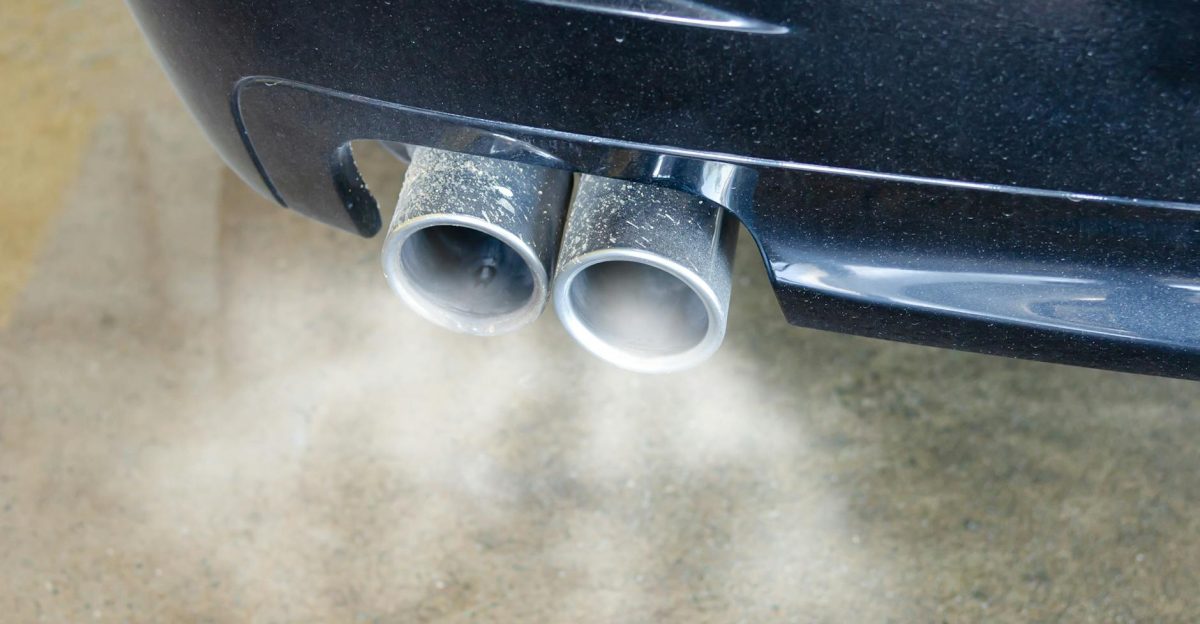
Multiple studies across several regions documented similar performance gaps. A Transport & Environment analysis of 127,000 plug-in hybrids in 2025 found real-world carbon dioxide emissions were nearly five times higher than official test values. The study also concluded these vehicles produced only about 19% less CO₂ per kilometer than comparable gasoline or diesel cars. Policy eventually responded to these findings. In 2025, Congress repealed both the new and used federal clean vehicle credits effective September 30, ending the incentive structure that had enabled this mismatch between eligibility and real-world performance.
Congress Closed The Incentive Gap
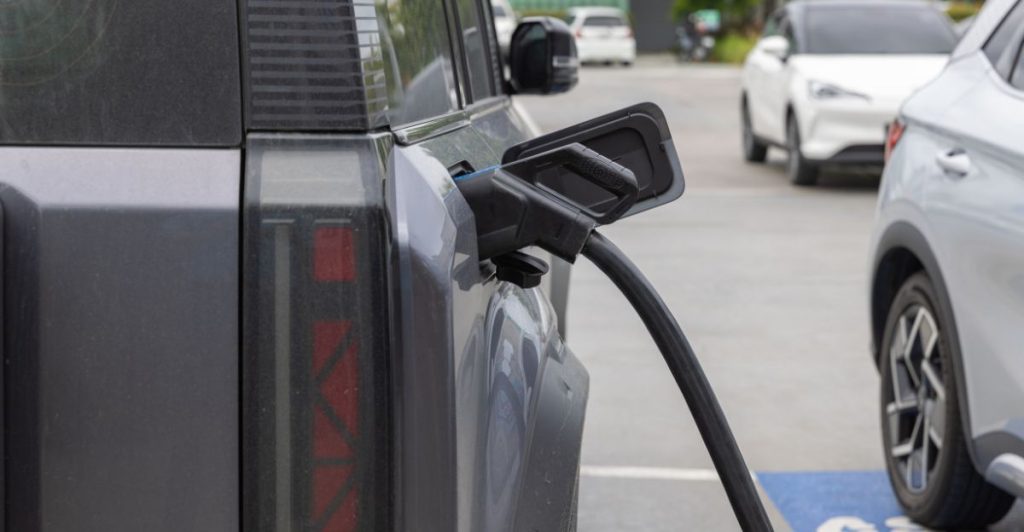
In July 2025, President Donald Trump signed the One Big Beautiful Bill Act into law. Among many provisions, the legislation terminated the §30D new clean vehicle credit and §25E used clean vehicle credit for vehicles acquired after September 30, 2025. Washington effectively answered the question critics had raised for years. The incentive system that rewarded plug-in capability without verifying charging behavior was eliminated. The credits that flowed through the earlier rules remain part of the historical record. Their impact now serves as a case study in how policy design influences real-world technology adoption.
A Lesson From The Credit Era
Government emissions data still tracks long-term trends across the automotive industry. Reports from the Environmental Protection Agency show how manufacturers meet fuel economy and carbon targets under evolving regulations. The former clean vehicle credit system illustrates an important policy lesson. Incentives tied strictly to eligibility can produce different results than incentives tied to measurable outcomes. During the years the credits existed, nothing verified whether plug-in hybrids were regularly charged. For future climate policies, the experience highlights why real-world behavior matters just as much as technological capability.
Sources:
Real-world usage of plug-in hybrid electric vehicles in Europe. International Council on Clean Transportation, June 2022
One, Big, Beautiful Bill provisions. Internal Revenue Service, July 2025
Publication of real-world CO2 emissions and fuel consumption of cars and vans collected through the fuel consumption monitoring mechanism. European Commission Joint Research Centre, July 2024
Don’t plug in your plug-in hybrid? Here’s how the extra emissions add up. ABC News Australia, October 2025
Credits for new clean vehicles purchased in 2023 or after. Internal Revenue Service, December 2022
Global EV Outlook 2024. International Energy Agency, 2024