Pirelli Makes Public Statement To Address Viral Tire Color Rumors
A social media post hit the F1 world with all the subtlety of a blown tire at Maggotts. “BREAKING NEWS,” it screamed. Pirelli removing the red, yellow, and white compound markings from their tires. Teams allegedly demanded it, wanting to hide which rubber they were running from rivals. The post spread fast, the kind of claim that lands in your group chat before anyone thinks to check whether it’s actually true. Turns out, checking matters. But Pirelli’s public statement was already out there — and it already had the answer.
Pirelli Said It Plainly
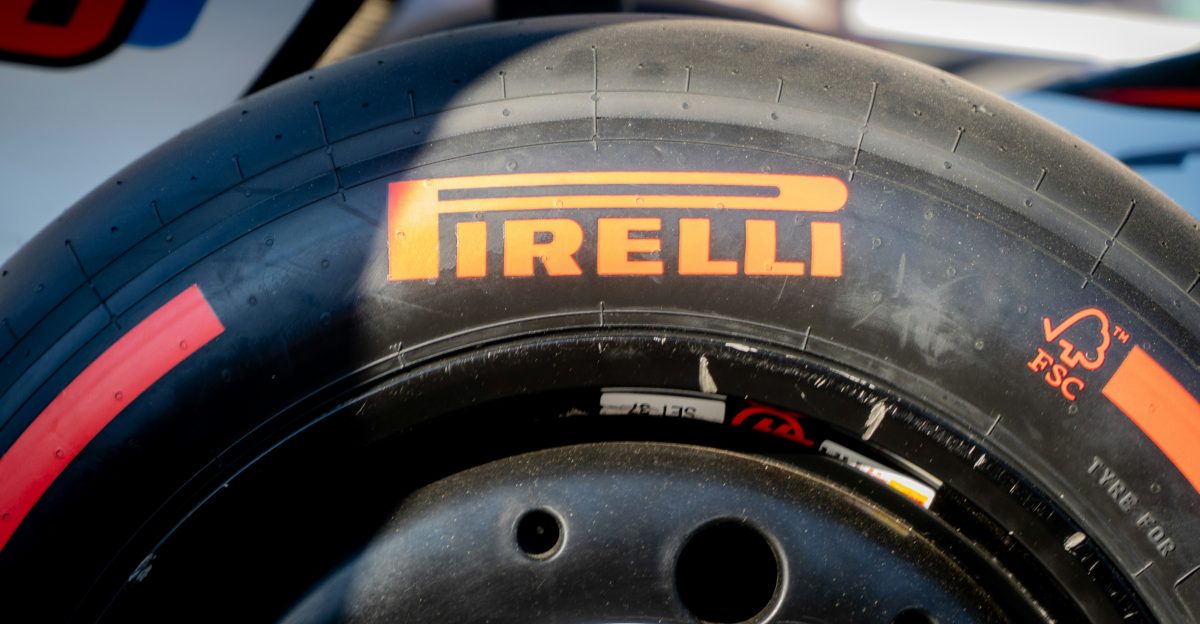
That statement is Pirelli’s December 2025 press release — published before the rumor even existed, and now the document the F1 media and fact-checkers are citing to shut it down. It could not have been more direct: “The colours that identify the level of each compound during every grand prix are unchanged for next year. White, yellow, and red denote Hard, Medium, and Soft respectively.” Not vague. Not open to interpretation. The company that makes the tires, supplies the tires, and paints the stripes on the tires said the stripes are staying. Eight credible sources confirmed the same thing. Zero corroborated the viral claim. The scoreboard was lopsided before the debate even started.
What Actually Changed for 2026
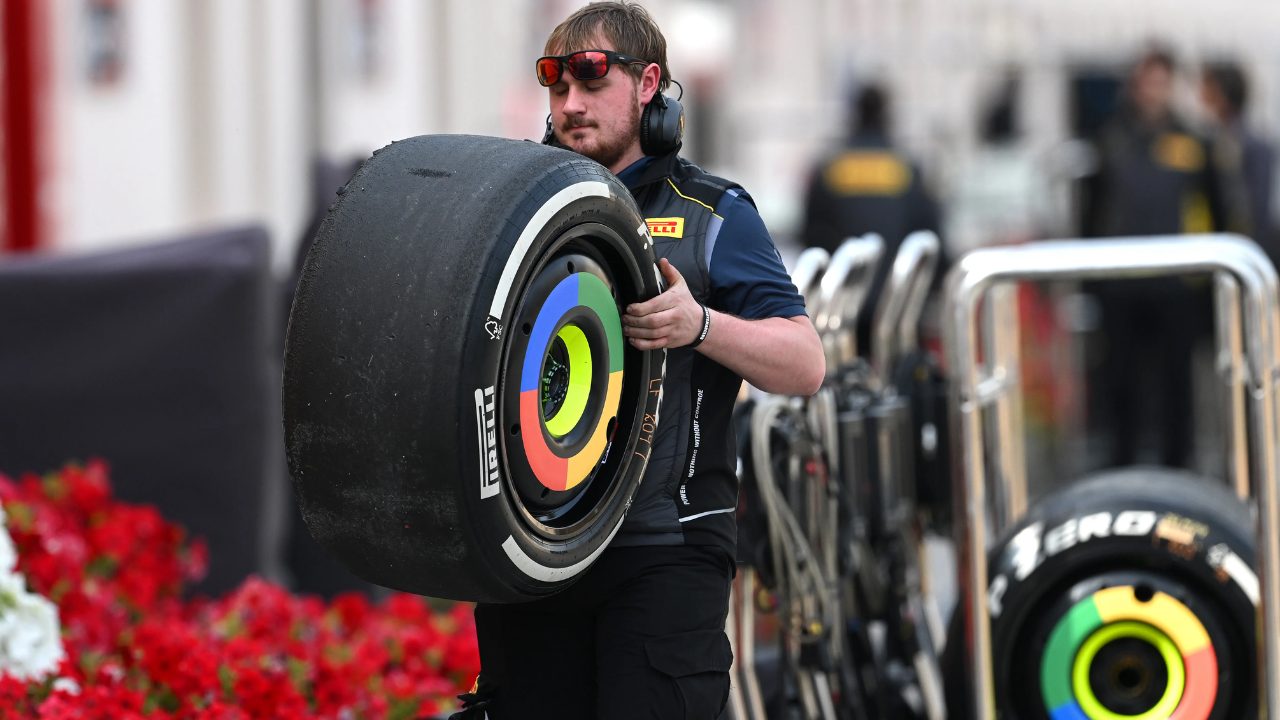
So what actually changed for 2026? The tires got a cosmetic facelift: a new chequered flag logo on the sidewalls, maintaining Pirelli’s historic design language. The tires also got narrower, with a 25mm reduction at the front and 30mm at the rear. Five compounds replace the six used in 2025. New look, new dimensions, new compound range. The color-coding system that tells fans and teams which compound is on which car? Untouched. Someone saw “new tire design” and heard “colors gone.”
The Claim Falls Apart
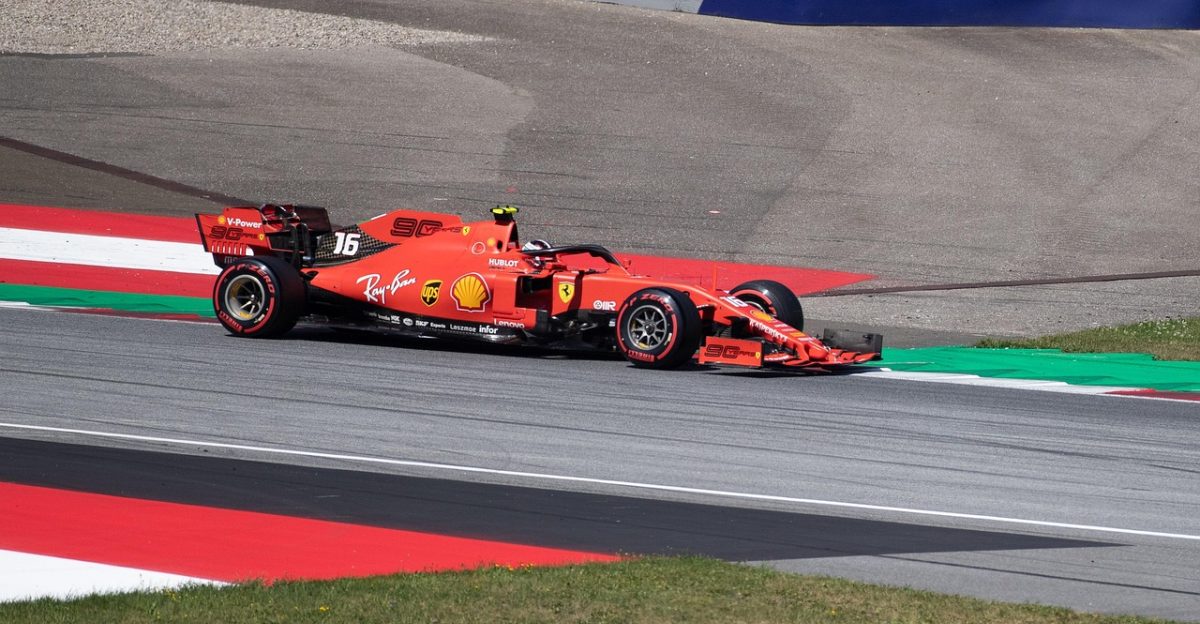
The viral post claimed teams lobbied Pirelli to ditch the markings for competitive secrecy. That framing collapses under one fact: teams do not control tire identification rules. Pirelli and the FIA do. Compound selection for each Grand Prix comes from Pirelli’s motorsport division, not from team strategy rooms. The color-coding system is a regulatory requirement, not a courtesy. Teams cannot opt out of it any more than they can opt out of weight limits. The claim wasn’t just wrong. It described a power structure that doesn’t exist.
Why the Colors Exist in the First Place
The color system serves two masters simultaneously, and both outrank team preference. First: fan clarity. White, yellow, red tells every viewer at home which compound each car is running, making strategy legible in real time. Second: competitive transparency. Every team sees every rival’s rubber at a glance, preventing hidden advantages. Removing the colors wouldn’t just confuse fans. It would hand a strategic weapon to whichever team best concealed its choices. The FIA built the system specifically to prevent that kind of asymmetry.
Sixteen Seasons and Counting
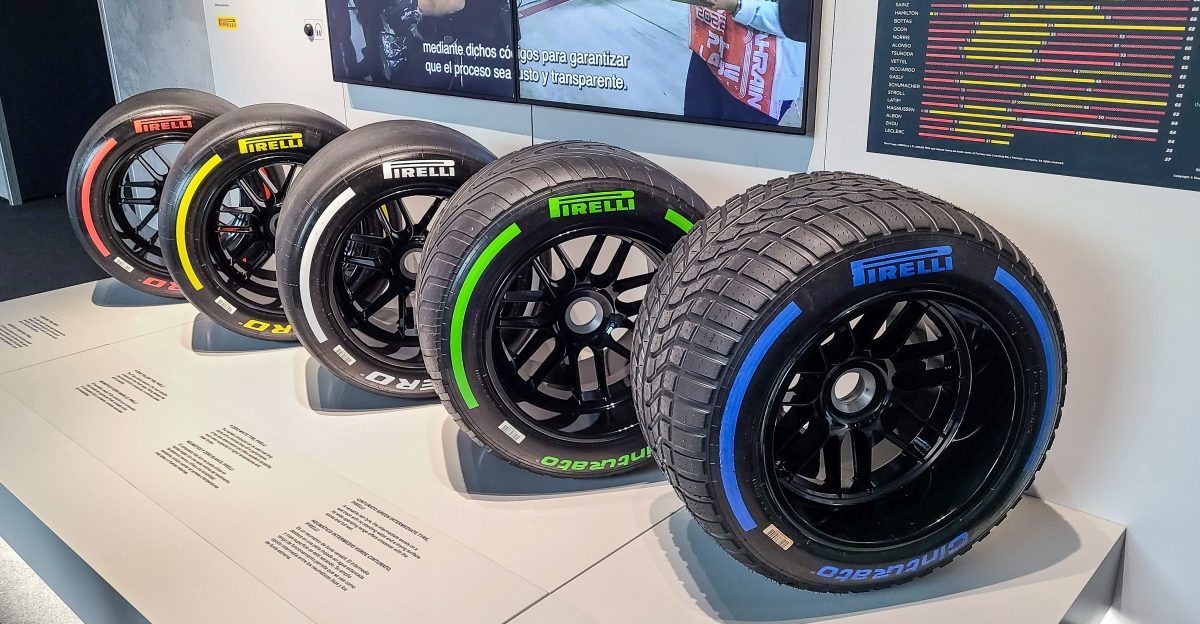
That color-coding system has spanned 16 consecutive seasons, from 2011 through 2026. Its most notable refinement came in 2019, when seven compound-specific colors were streamlined to the current three-color race-weekend format. Longer than most current drivers have held a super license. It replaced the simpler prime-and-option markings used during the Bridgestone sole-supplier era from 2007 to 2010, which followed the Bridgestone-Michelin tire war that ended after 2006. The current system was born from that evolution, designed to make the sport readable. A social media post nearly convinced people it was being scrapped overnight.
The Ripple Effect Nobody Talks About
Misinformation about tire rules doesn’t stay in the comments section. If enough fans believed colors were disappearing, it could ripple into betting markets and fantasy F1 platforms that rely on visible tire strategy data. Casual viewers who accepted the claim now carry a false understanding of 2026 regulations. F1 media outlets and fact-checkers face the cleanup, publishing corrections that will reach a fraction of the audience the original post already captured. The false claim travels at social-media speed. The correction limps behind on foot.
A Playbook That Keeps Repeating

This isn’t a one-off misunderstanding. It’s a template. Social media claims about regulatory changes gain traction before anyone consults the governing body’s actual documents. The original post cited no source, quoted no official, and linked no press release. Eight credible outlets confirmed the opposite. Pirelli’s press release remains the standing public record on the matter — no additional clarification has been needed, because the original statement already covered it. The pattern is now predictable: alarming headline, rapid sharing, belated correction, permanent confusion among those who never see the follow-up. Every future F1 regulation rumor will follow the same playbook unless the correction reaches people first.
One Post Can Soften the Ground
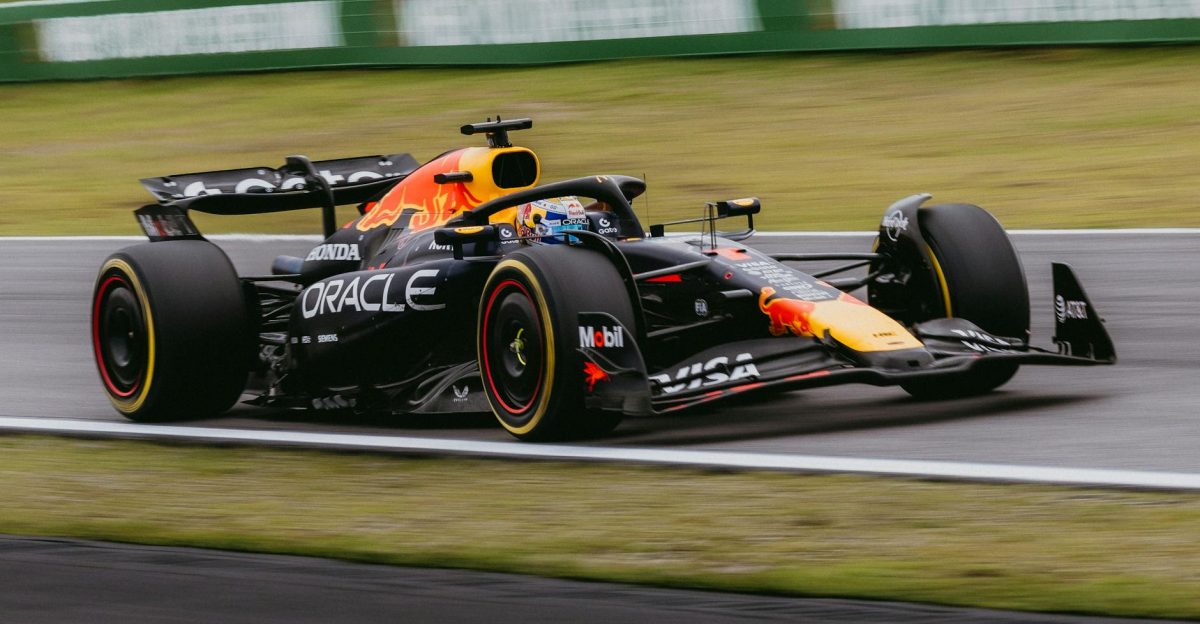
The longer false claims circulate unchallenged, the more they erode trust in F1’s governance itself. Fans who believed the post now question whether the FIA protects competitive fairness. Pirelli’s brand absorbs reputational damage from a decision it never made. The next viral rumor about 2026 regulations, whether about engine modes, active aero, or tire allocation, lands on ground already softened by this one. Credibility is cumulative, and so is the damage from losing it. One uncorrected post makes the next false claim easier to believe.
What You Now Know That Most Fans Don’t
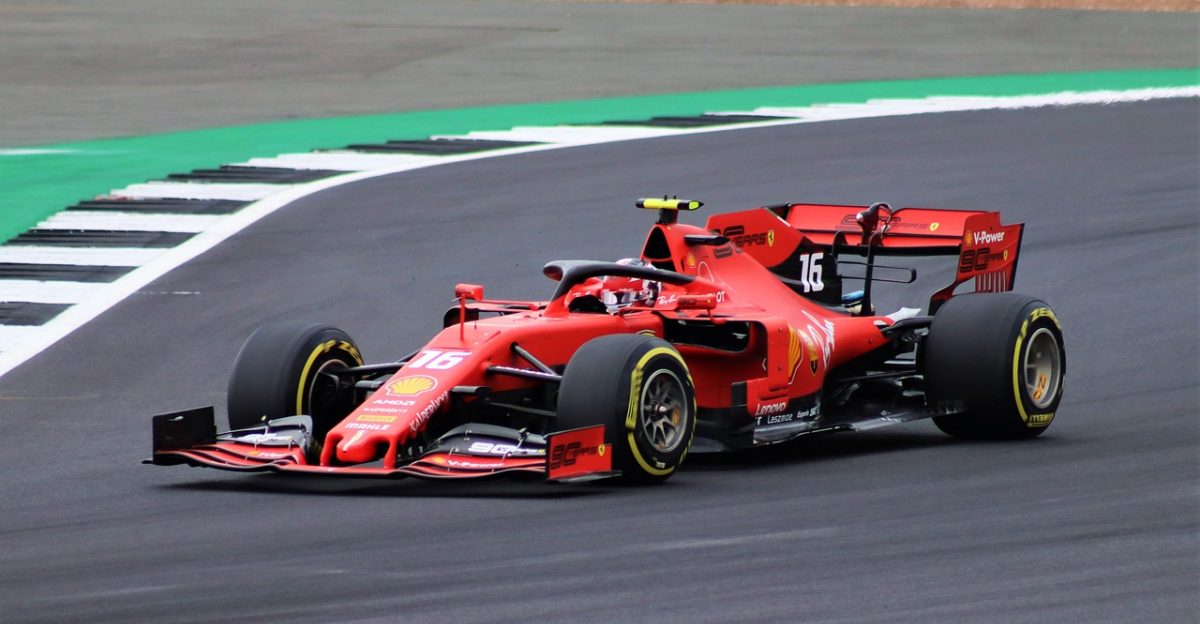
Here’s what the reader who made it this far now knows that most F1 fans don’t: tire color identification is a regulatory requirement controlled by the FIA and Pirelli, not a team preference. No team can lobby it away. The 2026 tires carry a new logo, narrower dimensions, and five compounds instead of six. The colors stay. Pirelli and the FIA could preempt the next round of rumors by publishing tire identification guidelines before the 2026 season launches. Whether they move that fast is another question entirely.
Sources
“Pirelli reveals 2026 F1 tyres: a fresh logo design and new compounds.” Pirelli, 8 Dec 2025.
“Pirelli confirm 2026 tyre compounds as F1 gets set for a new era of regulations.” Formula1.com, 25 Nov 2025.
“Formula One tyres to have simplified names, colours in 2019.” ESPN, 19 Oct 2018.
“Formula One tyres.” Wikipedia, updated 2025.