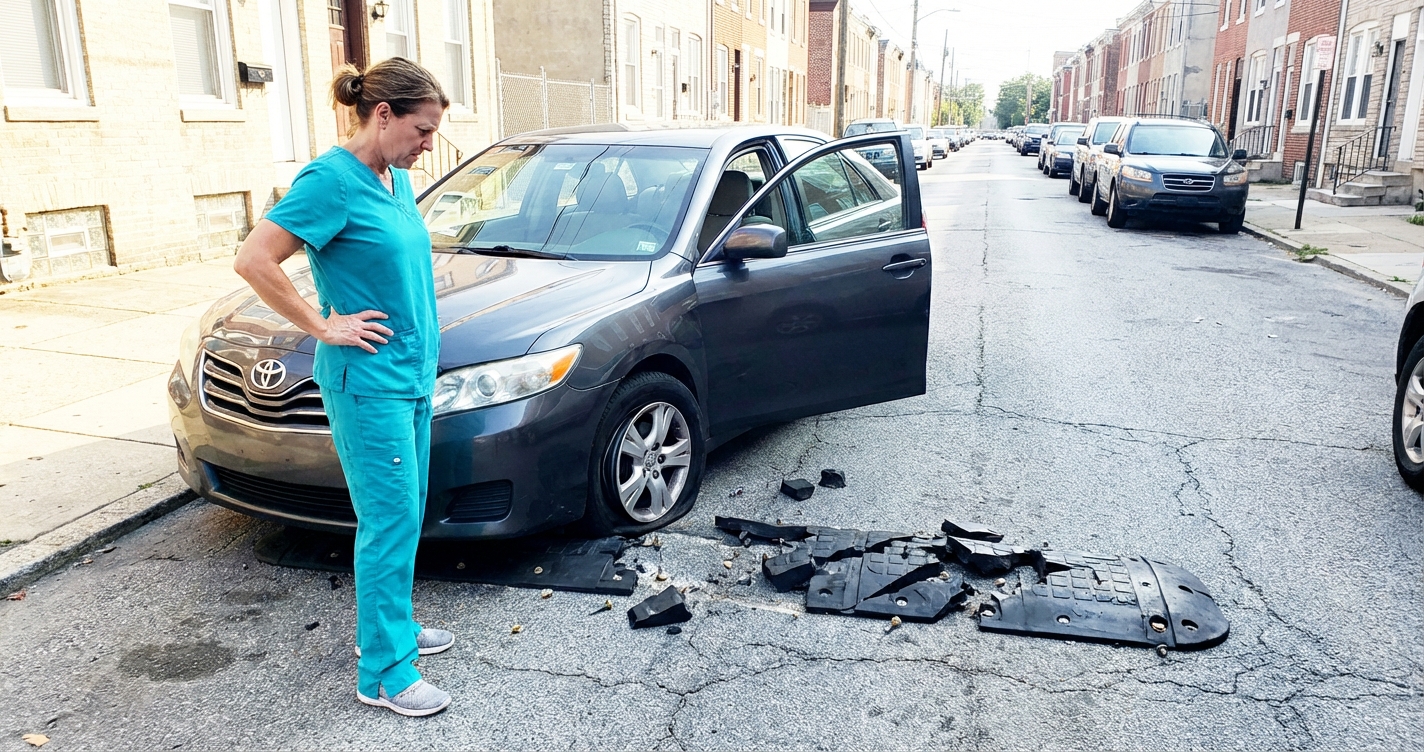
Philadelphia Drivers Forced To Dodge Their Own City’s Broken Speed Bumps—No Crew Sent For Months
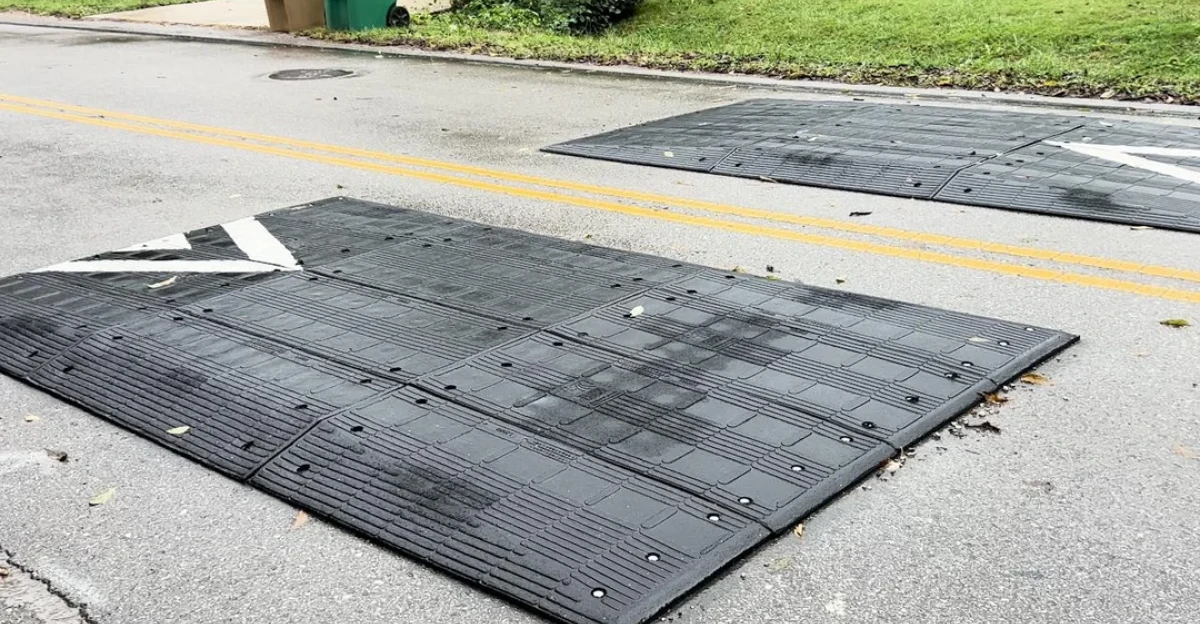
Picture this: you’re driving through Andorra or Roxborough, same route you take every morning, and your front tire drops into a chunk of missing asphalt where a speed bump used to be. Not a pothole. A safety device, cracked apart and left in the road like rubble. You swerve. The car behind you brakes hard. Nobody installed a warning sign. Nobody filled the gap. The bump that was supposed to protect your street just became the most dangerous thing on it.
Months Deep
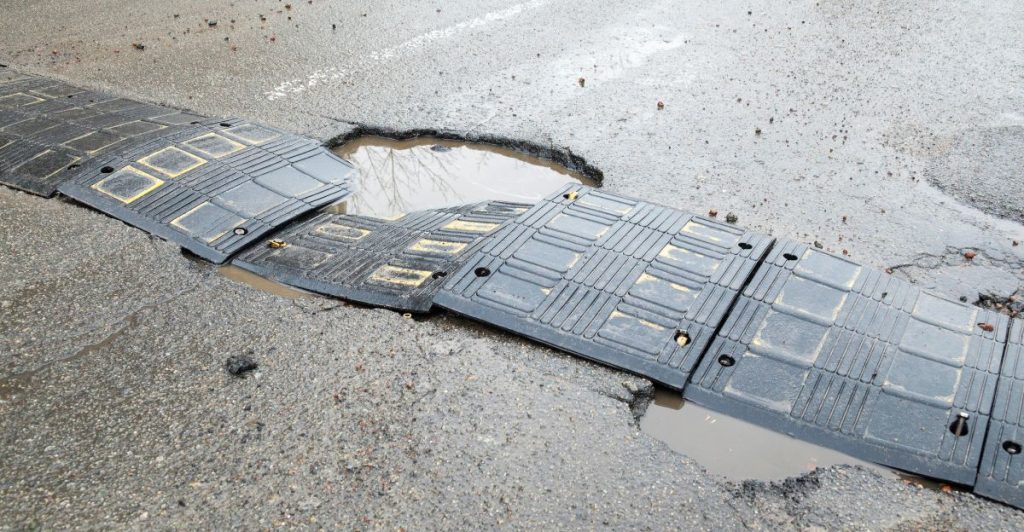
This wasn’t a weekend inconvenience. NBC10 Philadelphia reported these speed bumps sat broken for months across Northwest Philly neighborhoods, including Andorra and Roxborough. Not days. Not weeks. Months of residents driving over, around, and through damaged infrastructure originally installed to slow traffic and prevent crashes. Every morning, the same hazard. Every evening, the same swerve. The frustration compounds because these neighborhoods did what they were supposed to do: they asked for traffic calming. The city delivered the hardware, then abandoned the upkeep.
The Promise on Paper
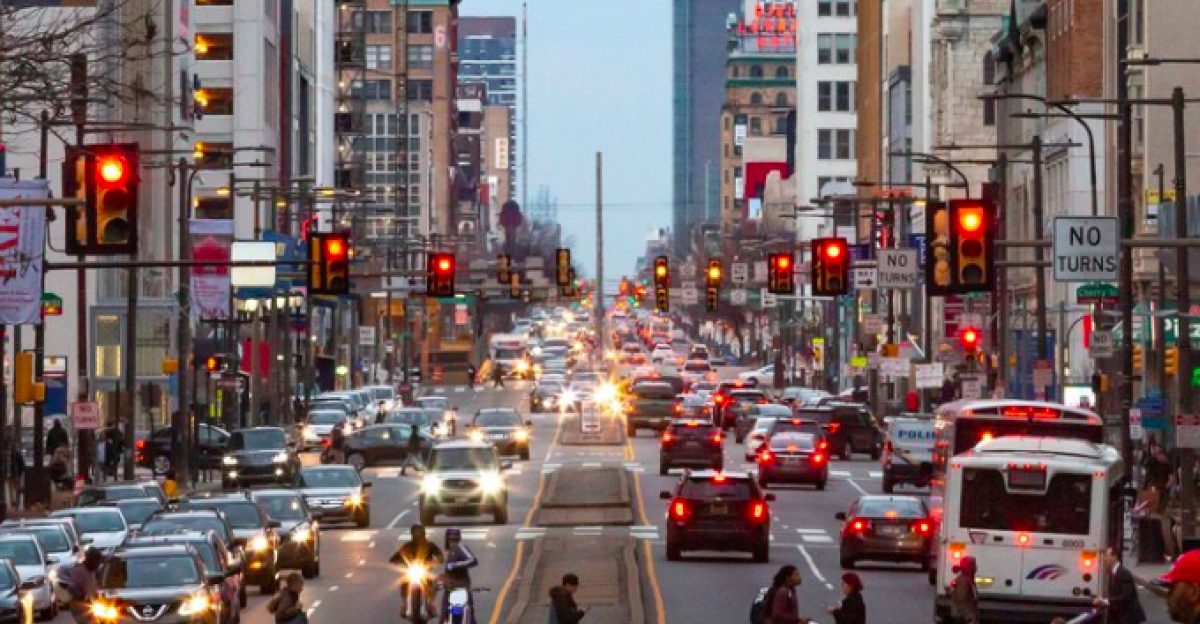
Philadelphia runs a program called Vision Zero, a citywide framework built around one goal: eliminating traffic deaths and serious injuries. Speed bumps are a core tool in that mission. The city also operates a 311 service portal where residents can report broken infrastructure and request repairs. So the system exists. The intake mechanism exists. The safety mandate exists. And yet the bumps stayed broken for months, which starts to crack a comfortable assumption most people carry: if something is dangerous, somebody fixes it fast.
When Safety Becomes the Danger
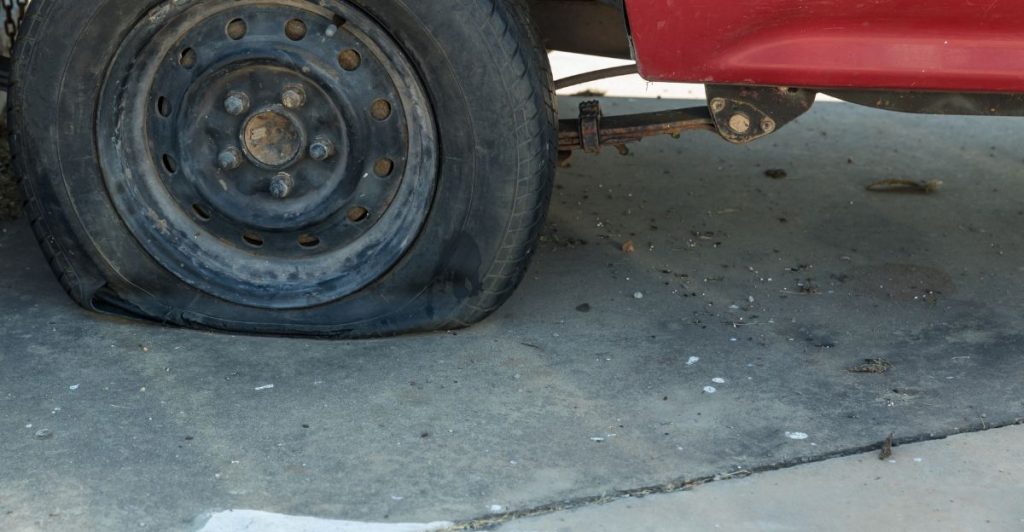
Here’s what actually happened: the device designed to calm traffic became the road hazard. A broken speed bump punishes careful drivers more than speeders. The person going 25 hits the jagged edge square. The person flying through barely notices. That inversion is the whole story. Months of exposure. No disclosed repair timeline. No public explanation from the Streets Department. The road condition effectively forced behavior change: slow, swerve, or reroute. The cure became the disease, and the maintenance queue decided who stayed safe.
Three Parts That Don’t Connect
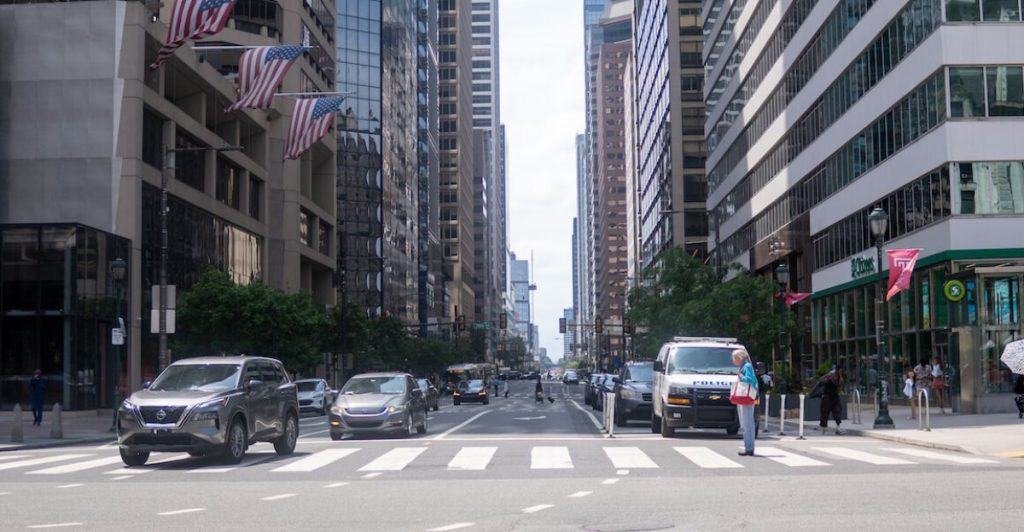
The Streets Department is the City of Philadelphia entity responsible for street-related functions. The 311 portal is the official gate through which residents report problems. Vision Zero provides the safety mandate. Three pieces of infrastructure, all functioning on paper. The bottleneck sits between intake and action. Street-condition outcomes depend on maintenance capacity and prioritization, not just installation. Like a smoke alarm with dead batteries: still on the ceiling, still technically “installed,” but silently failing the people sleeping underneath it.
The Daily Tax Nobody Budgeted
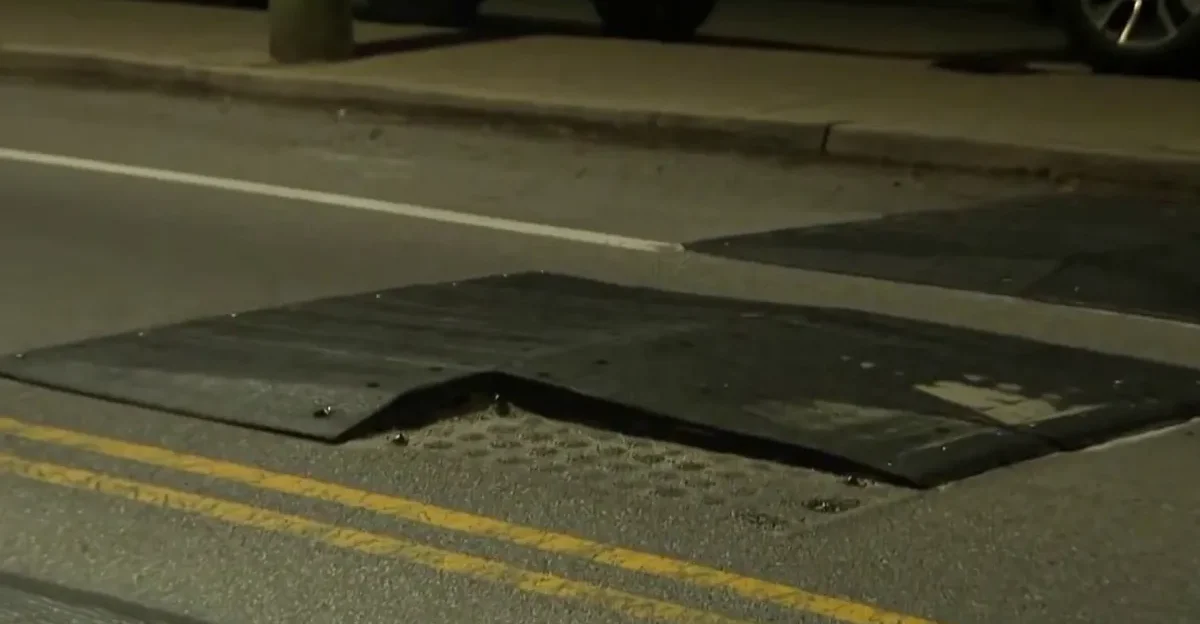
Every day those bumps sat broken, drivers in Andorra and Roxborough absorbed the consequences. Altered routes. Slower commutes. Vehicle wear-and-tear from jagged pavement edges. The NBC10 report centered on driver difficulty and neighborhood frustration tied directly to the damaged traffic-calming infrastructure. None of this shows up in a city budget line. It’s invisible cost, distributed across hundreds of commuters who never asked for an obstacle course. The data that matters here isn’t dollars. It’s roughly 90 to 180-plus days of unaddressed hazard exposure on residential streets.
How One Street Breaks Another
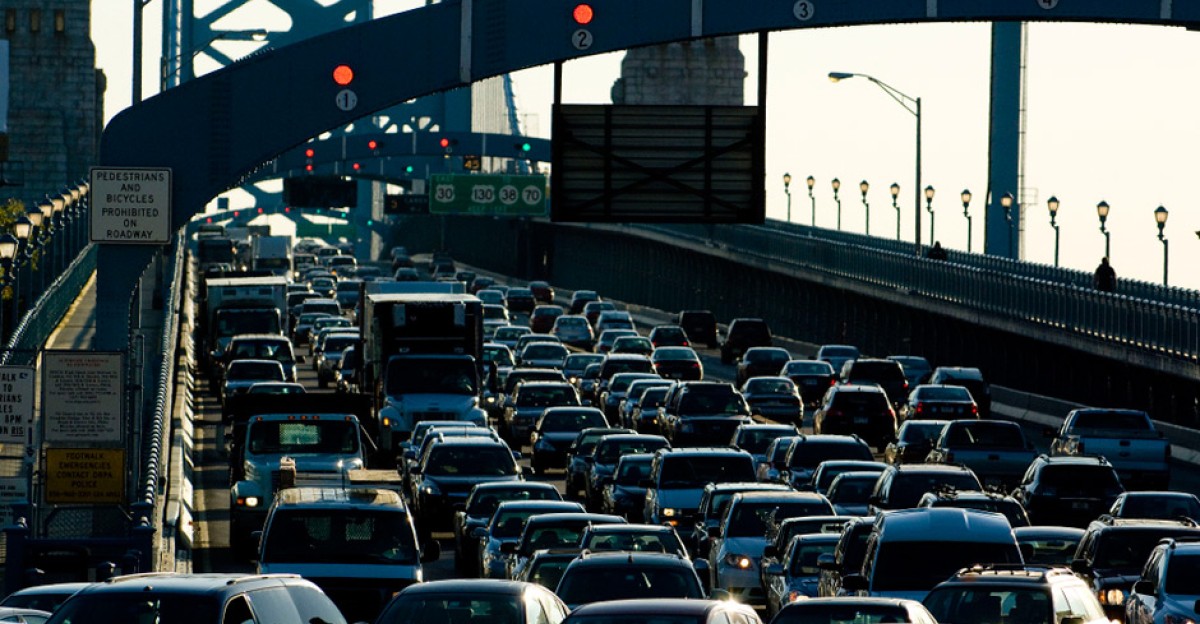
When drivers dodge a hazard on one street, traffic bleeds onto the next one. Residents on adjacent roads absorb diverted cars that wouldn’t normally be there. Complaints escalate through 311, then to City Council offices, then to local media. That’s the pattern: media coverage triggers council inquiry, which triggers a Streets Department prioritization shift. The system doesn’t respond to the hazard. It responds to the embarrassment. Meanwhile, demand for traffic-calming maintenance capacity grows, and the same bottleneck that created this mess gets deeper.
The Precedent That Changes Everything
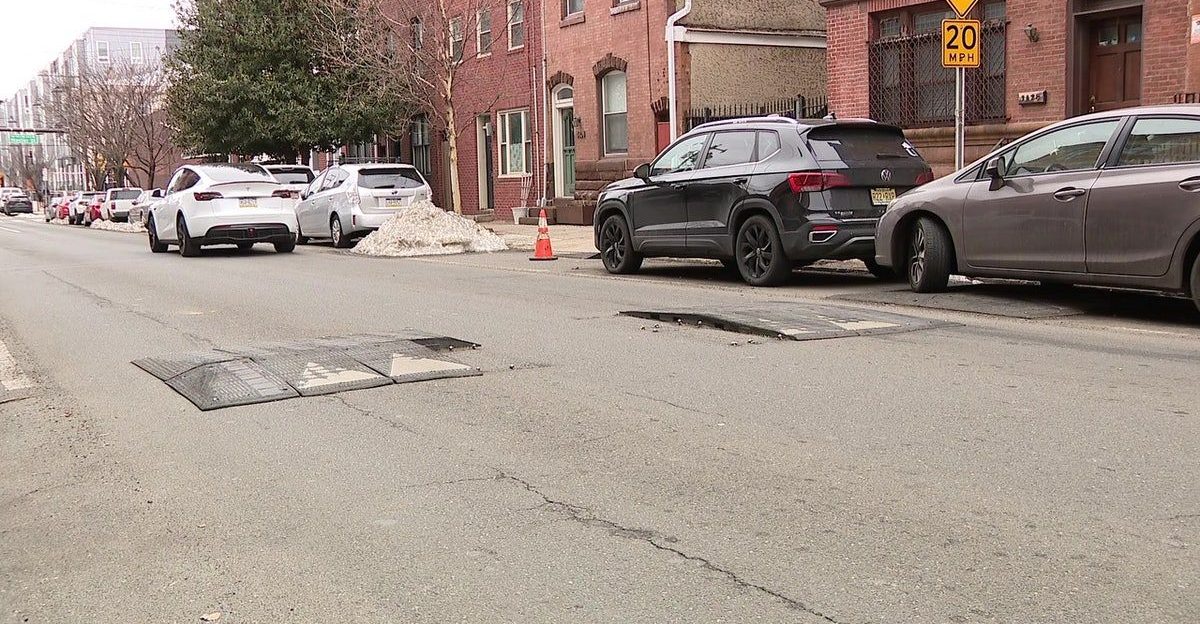
This situation sets a precedent that could reshape how neighborhoods negotiate with their own city. If safety devices can sit broken for months without consequence, residents may start demanding maintenance service-level agreements before approving new calming installations. That’s the “once you see it” shift: traffic calming is only as real as the work order queue behind it. The sign on the street means nothing if the repair ticket sits in a digital pile. Every neighborhood watching Andorra and Roxborough just learned that lesson.
Who Loses Next
The escalation path is already visible. NBC10’s coverage puts public pressure on the Streets Department. Council members field constituent calls. The city’s likely counter move is emphasizing reporting pathways and announcing scheduled repairs. Standard playbook. But the deeper question lingers: who loses next? Every Philadelphia neighborhood with aging traffic-calming infrastructure now wonders whether their speed bumps, their crosswalk bollards, their raised intersections are one crack away from the same months-long limbo. The maintenance backlog doesn’t shrink because one story made the news.
The Queue Decides Safety
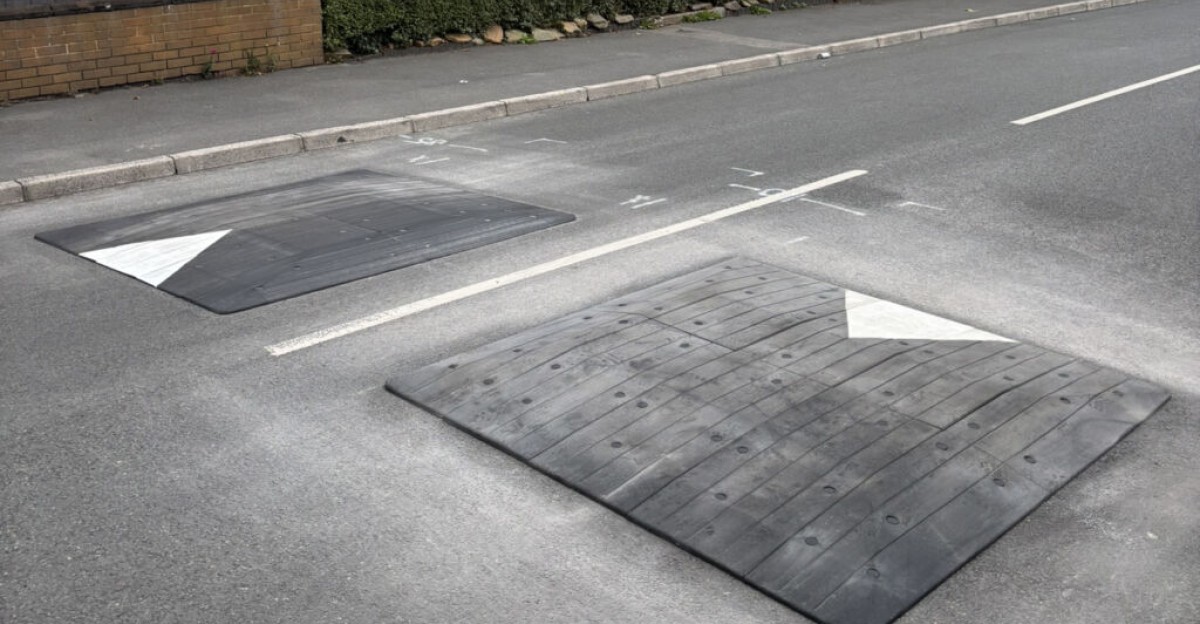
Here’s what most people won’t tell you: the 311 portal and your council member’s office are pressure valves, not suggestion boxes. Documented complaints create paper trails. Paper trails create accountability. The residents who force action aren’t louder. They’re more systematic. That’s the status upgrade this story offers. Stop thinking like a complainer. Start thinking like someone who understands that the queue decides safety, not the sign on the street. Andorra and Roxborough proved that the hard way, and the bumps on your block could be next.
Sources:
“Broken speed bumps cause frustration for drivers in Northwest Philadelphia.” NBC10 Philadelphia, 14 Mar 2026.
“Vision Zero Philadelphia Celebrates the Completion of the Tenth Memorial Neighborhood Slow Zone.” City of Philadelphia, 21 Nov 2025.
“City Controller Finds Widespread Noncompliance in School Zone Speed Cushion Installations.” Office of the Philadelphia City Controller, 12 Feb 2026.
“Updated Traffic Calming Request Program Improves User Experience and Expands Eligibility.” City of Philadelphia Department of Streets / Philly311, 1 Feb 2024.