Organized Crime Runs Shadow Trucking Empire Across America—Costs Americans $18M Per Day
Organized crime networks now hijack freight before it ever leaves the loading dock. No guns, no ski masks, no high-speed chases. They steal loads through identity fraud, phishing emails, and compromised dispatch systems. Q3 2025 recorded 772 cargo theft events across the U.S. and Canada, totaling $111.88 million in stolen goods. The average stolen shipment doubled in value to $336,787, the highest quarterly average in CargoNet’s recorded history. Is that grocery bill creeping upward? Part of the answer starts here. And the cascade runs far deeper than the price tag.
How $2,000 Buys Billions in Freight

A fraudster with an internet connection, a burner phone, and $2,000 for a bond premium can access billions of dollars in freight through load board credential hijacking. One operator named Maria sold over 200 fake carrier identities in a single year through a Telegram marketplace. Chameleon carriers cycle through DOT numbers, addresses, and corporate structures faster than regulators can track. The system designed to prevent fraud lacks the authority to verify who’s actually behind the wheel. That single vulnerability powers everything that follows.
Your Grocery Bill Just Absorbed the Hit
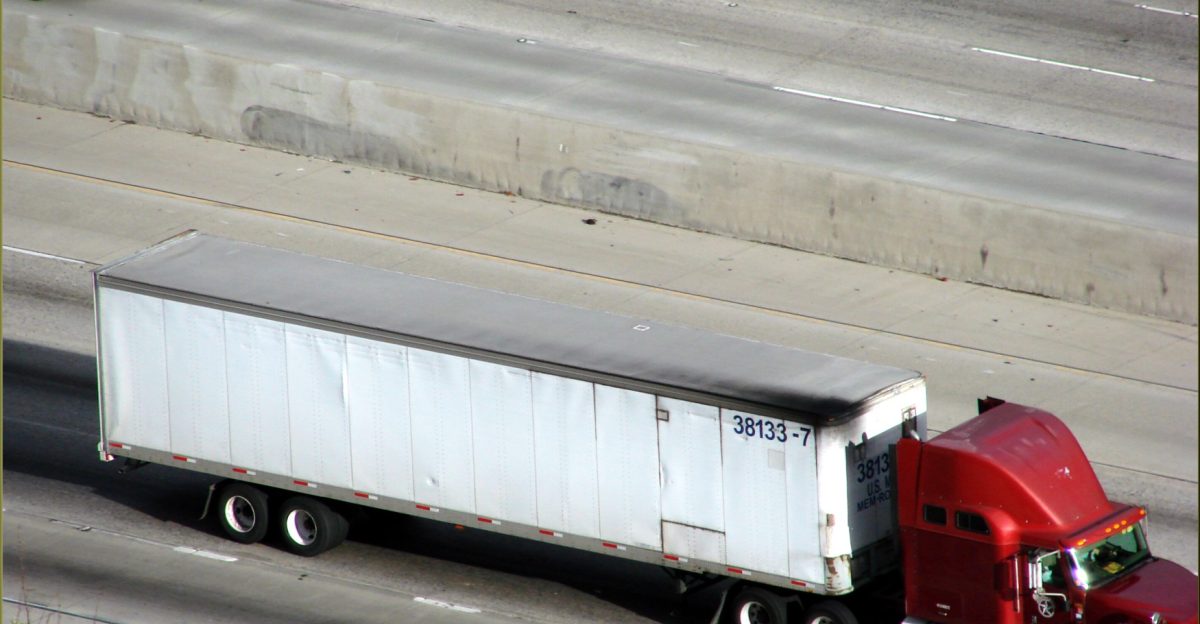
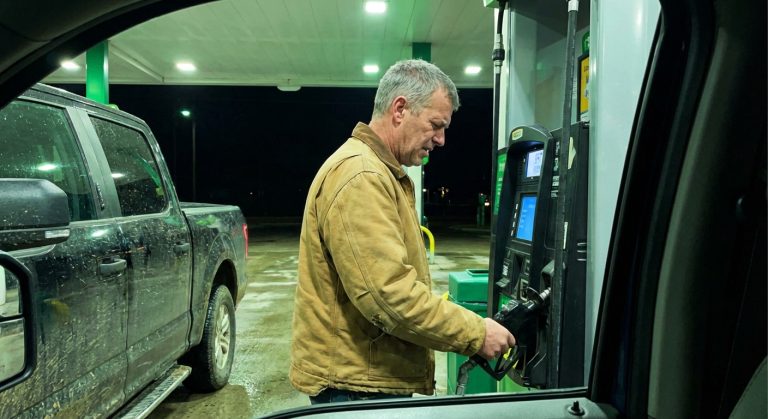
The American Trucking Associations testified before Congress that cargo theft costs $18 million every single day, and those losses correlate directly to consumer price inflation at grocery stores. When a carrier loses a $336,000 shipment, that cost passes to the shipper, then the wholesaler, then the retailer, then the register. Food and beverage Meat and seafood theft alone surged 189% in Q3 2025, jumping from 18 to 52 events. Copper theft nearly quintupled. The stolen goods vanish overseas or through dark web channels. The price increase stays.
Small Carriers Are Getting Crushed
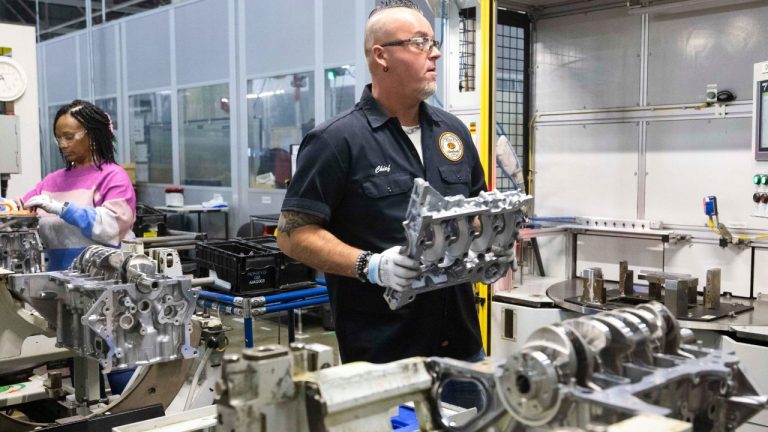
Galleria Tile lost $174,000 in a single fraud scheme. For a small business, that’s existential. Truckstop.com reviewed 63,000 entities in 2025 and found 14,000 identity verification checks failed due to invalid IDs, mismatched photos, or unverifiable phone numbers. They denied 5,525 accounts outright. Insurance costs have climbed steadily, squeezing margins that were already razor-thin. Smaller carriers can’t absorb repeated losses. They exit the market, consolidating freight among large operators who can weather the bleeding. The criminals created a competitive advantage nobody asked for.
The Ripple That Crossed Into Cybercrime
Proofpoint identified a financially motivated threat cluster targeting freight and logistics companies since June 2025, using remote management tools like ScreenConnect and SimpleHelp to infiltrate dispatch systems. These are legitimate IT administration tools, weaponized. Cybercriminals now function as the “IT department” for organized theft rings, running a three-stage attack: phishing for access, harvesting credentials, then coordinating physical theft with crime groups on the ground. A separate campaign linked to Russia deployed DanaBot malware against ground transportation companies. This stopped being a trucking problem a long time ago.
One Vulnerability Connects Every Ripple
Every form of freight fraud reduces to a single failure: the inability to verify identity. Load boards designed for efficiency became hunting grounds. Dispatch systems built for speed became attack surfaces. Twenty to twenty-five distinct strategic theft methods all trace back to the same gap. Organized crime exploits it from overseas. Cybercriminals exploit it from a laptop. Maria exploits it from Telegram. The freight industry moves $14 trillion in cargo annually, and nobody is required to prove they are who they say they are. That gap reaches your kitchen table.
A Voice From Inside the System
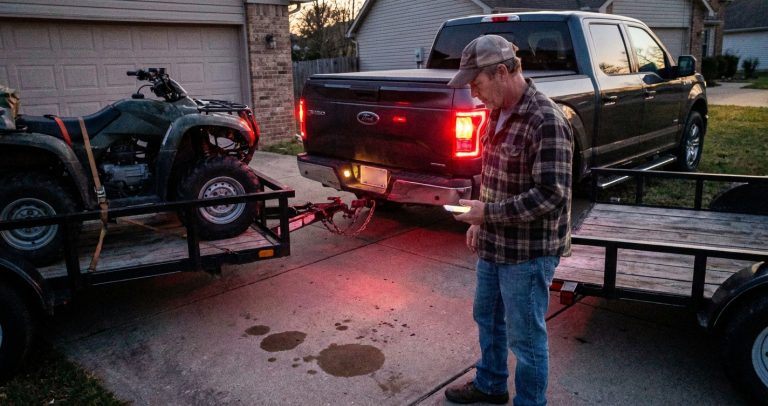
“This isn’t a stickup. It’s a system.” Phil Brink of FreightWaves framed the entire crisis in seven words. Strategic theft has exploded 1,500% since Q1 2021, jumping from 1.4% of all cargo crime to 25% by 2023. Tanager, a legitimate freight company, had its identity stolen. Red Bull shipments got diverted to California warehouses using VPNs and domain spoofing, then shipped overseas. Drivers haul stolen cargo without knowing it. Brokers unknowingly facilitate theft through identities that pass vetting. The people inside the system are living a nightmare they can’t see coming.
Washington Knows. Washington Hasn’t Fixed It.
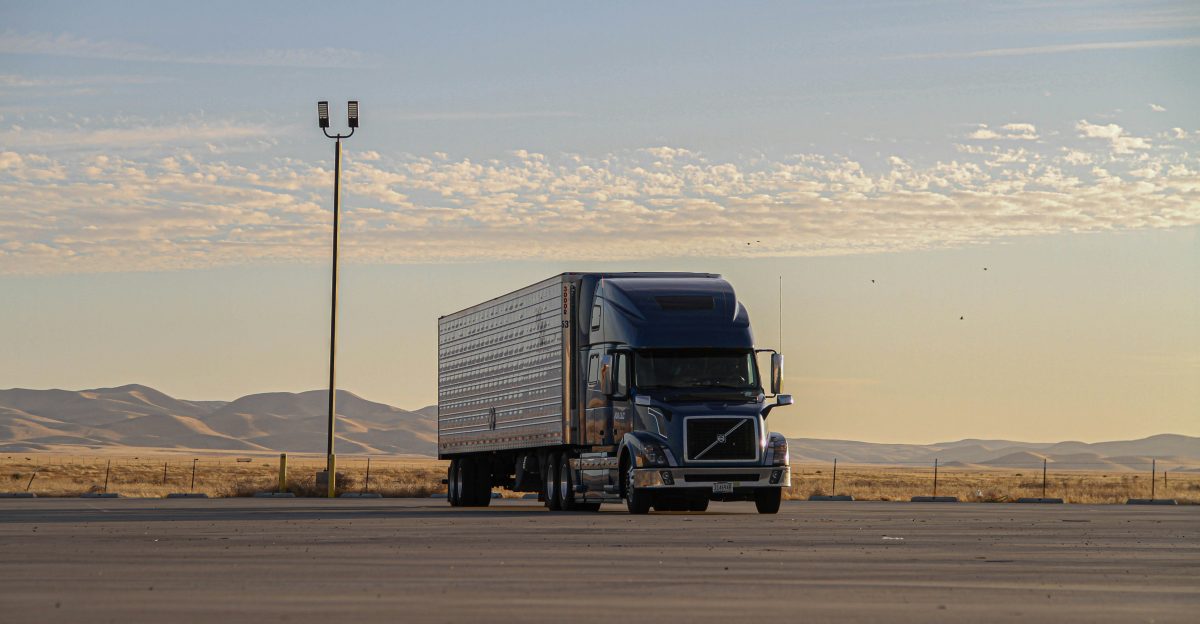
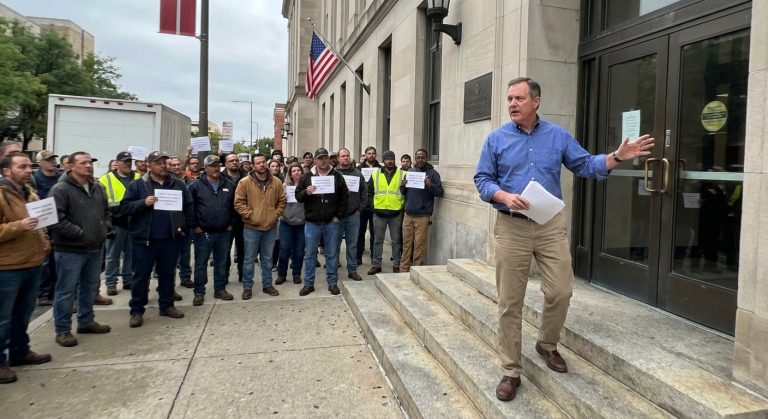
Congress identified the chameleon carrier problem in 2012. Fourteen years later, it remains unsolved. Biometric identity verification already exists for transportation workers. Over 2.2 million active TWIC cards use fingerprint encoding at maritime ports. FMCSA recently implemented facial verification for CDLs. Yet no mandate exists for the people moving $14 trillion in freight. The Department of Transportation issued a formal Request for Information on the cargo theft crisis in September 2025. Think about that. The federal government is still asking questions about a problem it identified over a decade ago.
Who Wins, Who Bleeds, What to Watch
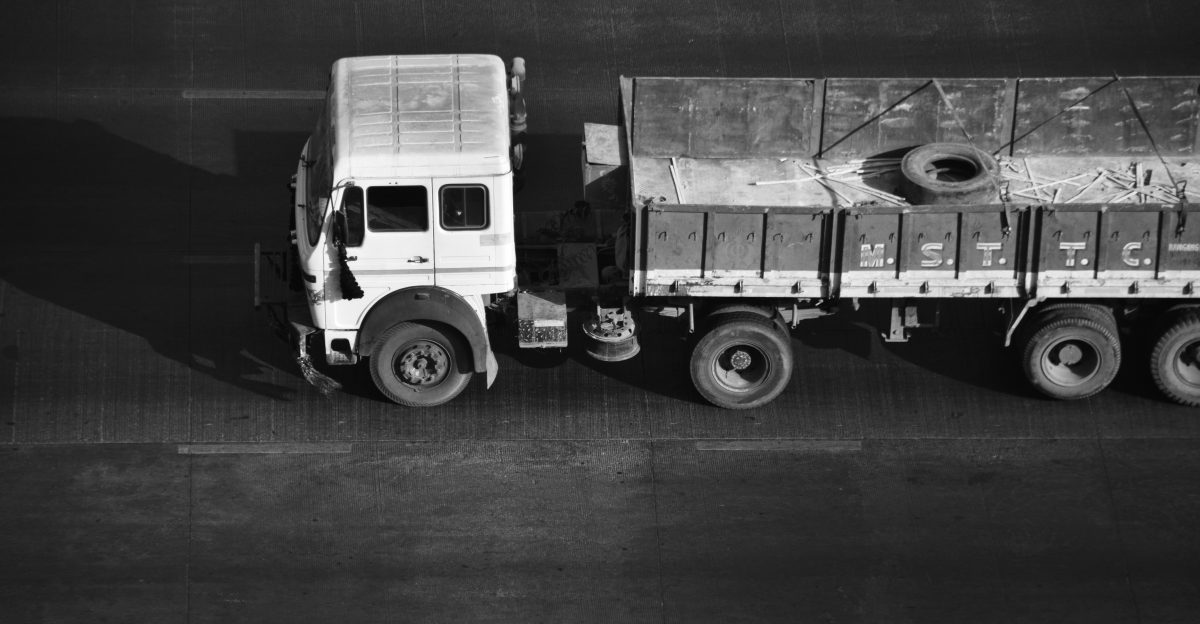
The winners are criminal networks operating with lower overhead than legitimate carriers and zero regulatory burden. The losers are owner-operators watching freight access shrink, small businesses absorbing devastating single-incident losses, and consumers paying a hidden theft tax on everything from steak to electronics. Stolen cargo funds drug trafficking and arms dealing, according to law enforcement. One bright spot: Flock Safety’s license plate reader cameras stopped eight-figure annual losses for a single logistics company and flagged 700-plus stolen vehicles in two months. The technology works. The mandate doesn’t exist.
The Cascade Isn’t Slowing Down
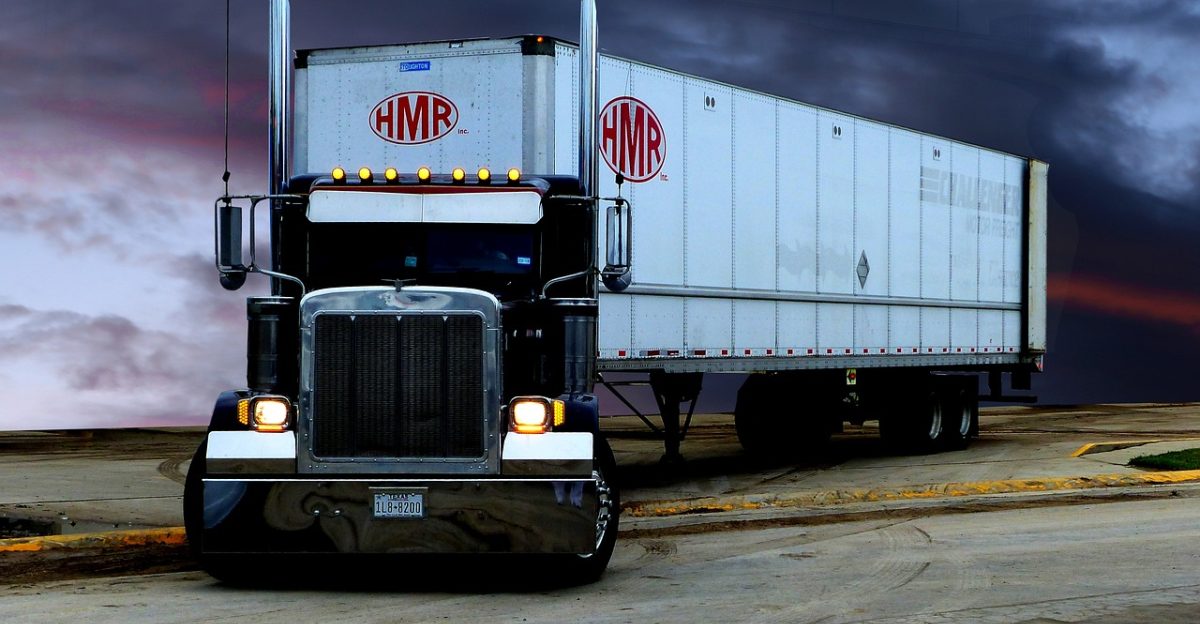
Congress introduced the bipartisan CORCA legislation in April 2025 to establish a DHS-led coordination center for organized supply chain crime. It still hasn’t passed. Meanwhile, organized groups are adapting to anti-fraud tools, shifting tactics within days of any crackdown. Theft increased 27% in 2024, with another 22% projected for 2025. New Jersey thefts surged 110% in a single quarter. The NYC metro became a major hotspot despite having the highest law enforcement concentration in the country. Criminals move faster than regulation. Until identity verification becomes mandatory, the math favors the thieves.
Sources:
“On Capitol Hill, ATA Advocates for Cargo Theft Crackdown to Protect Consumers and National Security.” American Trucking Associations, 17 Dec. 2025.
“Remote Access, Real Cargo: Cybercriminals Targeting Trucking and Logistics.” Proofpoint Threat Intelligence, 28 Oct. 2025.