One ‘Glitchy’ Part Produced By Formula One’s Own Rulemakers Has All 11 Teams Demanding Answers
Formula 1 teams agree on almost nothing. They fight over regulations, budgets, tire strategies, even where the cameras point. That’s the sport. Eleven separate engineering operations spending hundreds of millions to find hundredths of a second over each other. So when all 11 of them line up on the same side of an argument, something structural broke. Not a rivalry. Not a strategy dispute. A single component, mandated by the governing body itself, reportedly malfunctioning across the entire grid.
The Part Nobody Gets to Choose
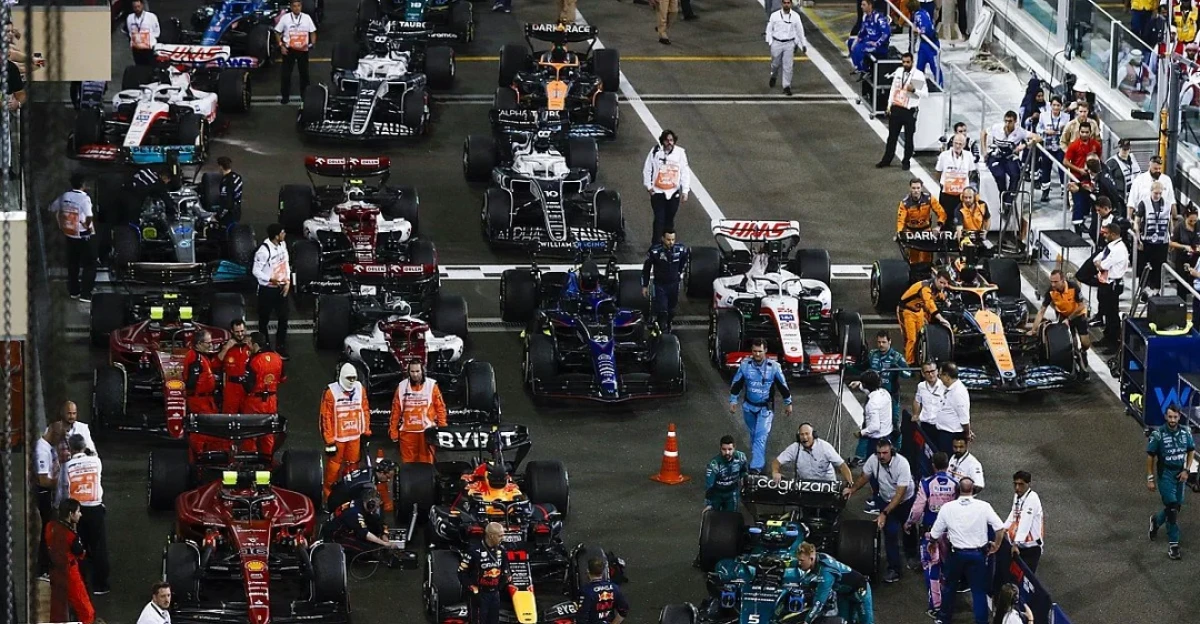
The FIA writes and enforces Formula 1’s Sporting Regulations, including which components teams must use as standardized parts. That’s the cost-control logic: shared hardware keeps spending in check and theoretically levels the field. Teams can innovate almost everywhere on the car. Almost. Mandated components sit outside that freedom. Every team runs the same spec, supplied under FIA authority. Nobody gets to redesign it. Nobody gets to opt out. When the part works, the system is invisible. When it doesn’t, roughly 22 cars share the same vulnerability.
Cracks Start Showing
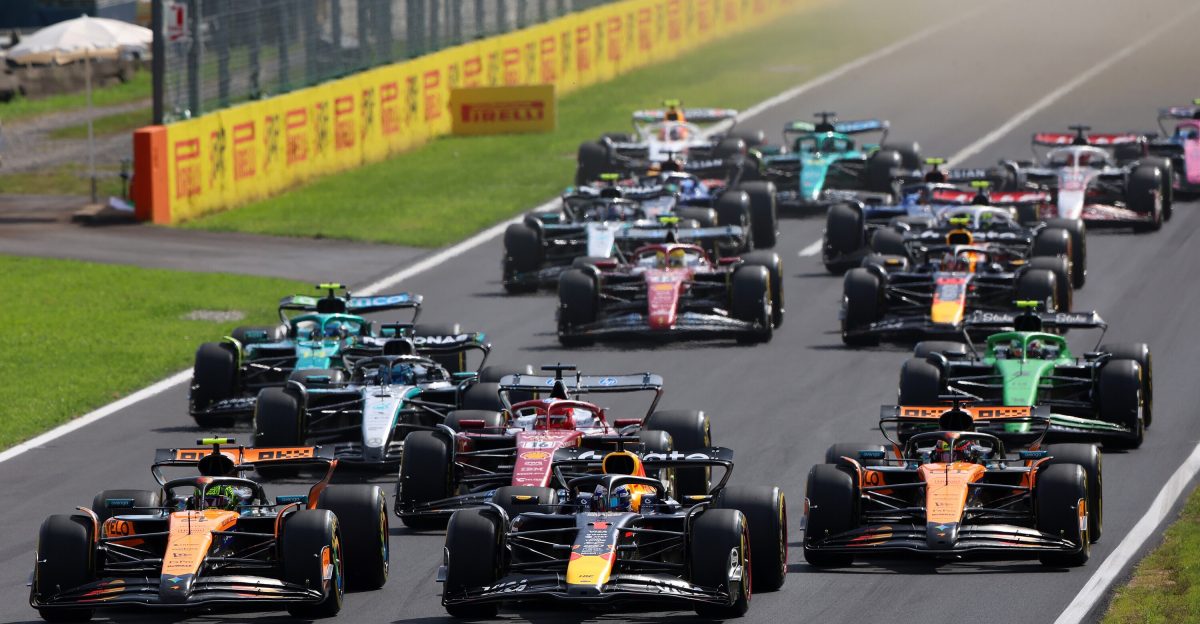
The assumption has always been simple: if everyone uses the same part, it can’t be the problem. Standard hardware equals standard fairness. That logic holds until the hardware itself becomes unreliable. According to a report from F1 Oversteer, all 11 teams have grown “very unhappy” with a specific FIA-mandated component described as “glitchy.” The exact failure mode hasn’t been publicly detailed, and independent corroboration from major outlets hasn’t surfaced. But the framing is striking: teams aren’t blaming each other. They’re blaming the referee’s equipment.
When the Referee Owns the Hardware
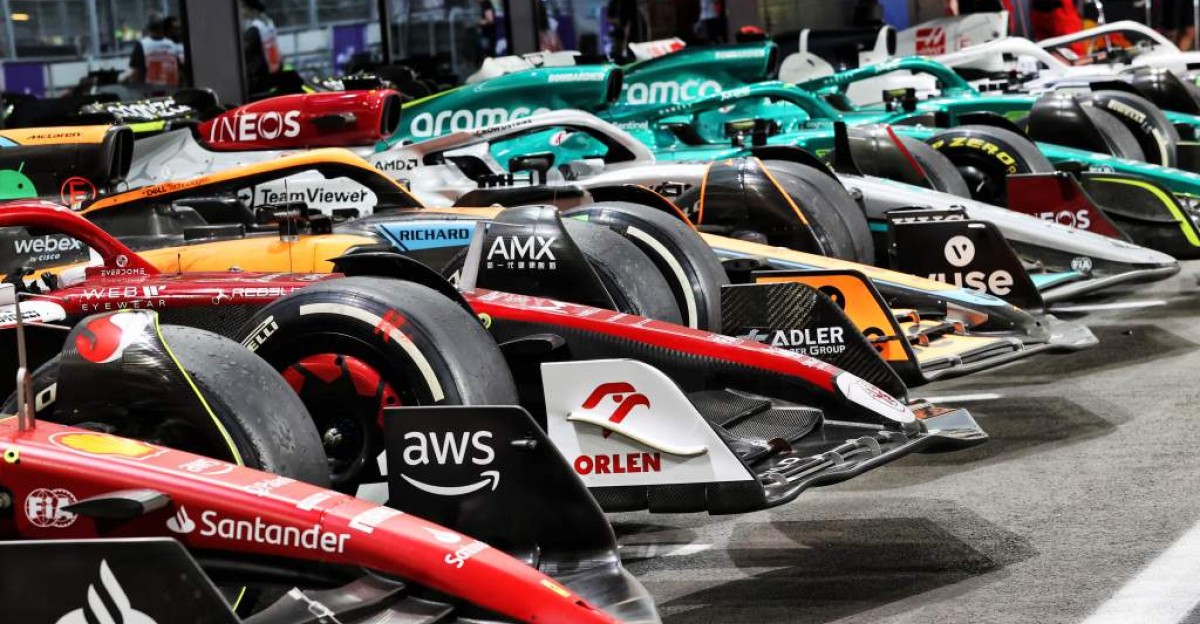
That distinction matters more than it sounds. In a normal technical dispute, one team accuses another of bending the rules. The FIA investigates, issues a directive, moves on. This is different. The body that writes the regulations, enforces compliance, and contracts for supply of the mandated part is now the entity teams hold responsible for unreliable performance. The watchdog mandated the part. The mandated part became the problem. One mandated glitch. Eleven teams held hostage. And none of them can engineer around a dependency they’re required to run.
One Flaw, Every Car
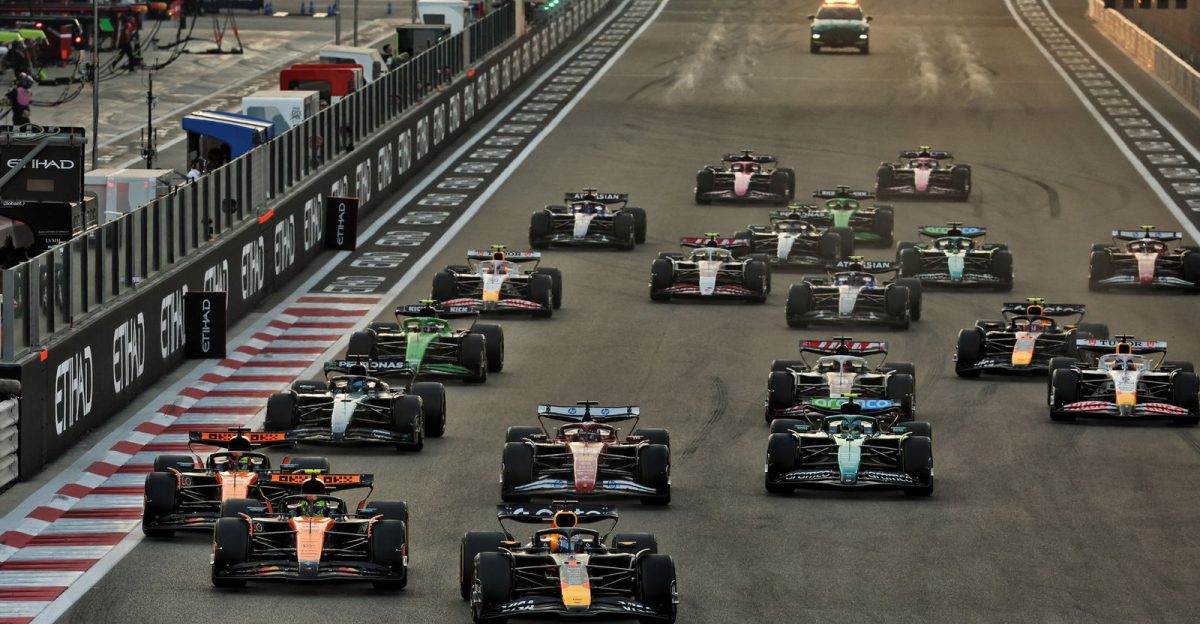
Think of it like every airline forced onto the same buggy autopilot update. One software flaw, and the entire fleet is grounded. That’s the architecture F1 built with standardized components. The regulations function as the sport’s operating system, and mandated parts are central dependencies baked into every car. When a team-built part fails, one team suffers. When a regulator-mandated part fails, the failure synchronizes across the grid. The cost-control mechanism designed to stabilize competition can instead inject randomness into results nobody asked for.
What Teams Can’t See or Fix
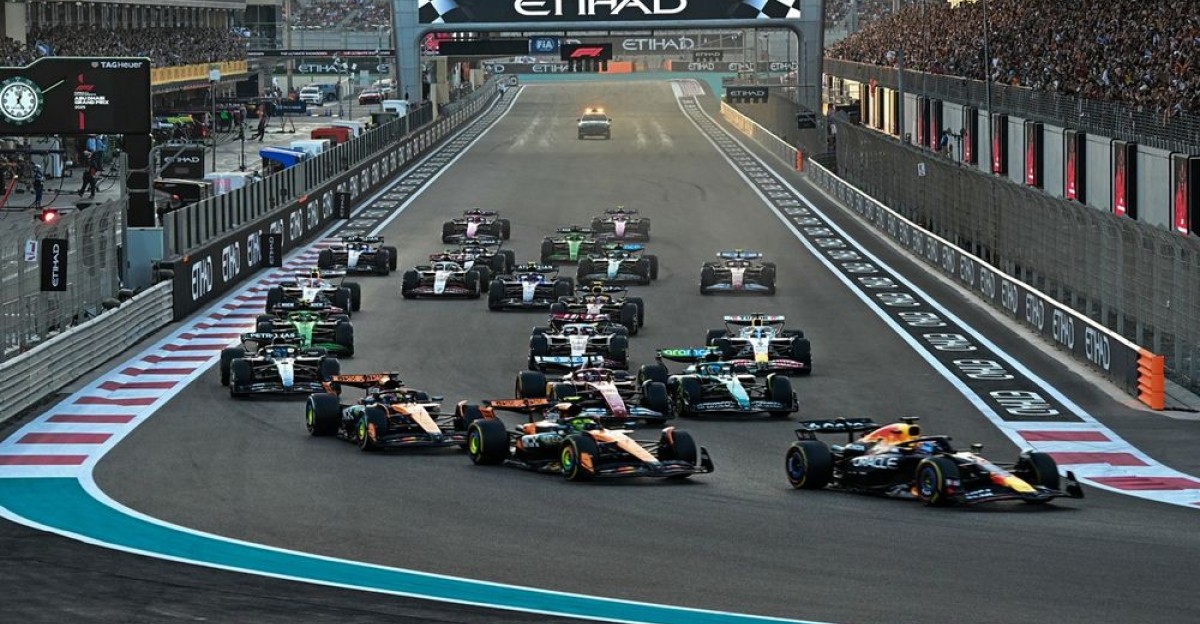
There’s a second layer that makes this worse. Teams experience the symptoms on track: inconsistent behavior, unpredictable performance, race-weekend headaches. But the root cause sits with the supplier, contracted by the regulator. That information asymmetry is brutal. Teams can’t diagnose what they didn’t build. They can’t patch what they’re forbidden to modify. They’re pressing the FIA for clarifications, fixes, or exemptions, because the normal engineering response to a faulty part, redesign it, is literally against the rules.
The Teams That Pay the Most
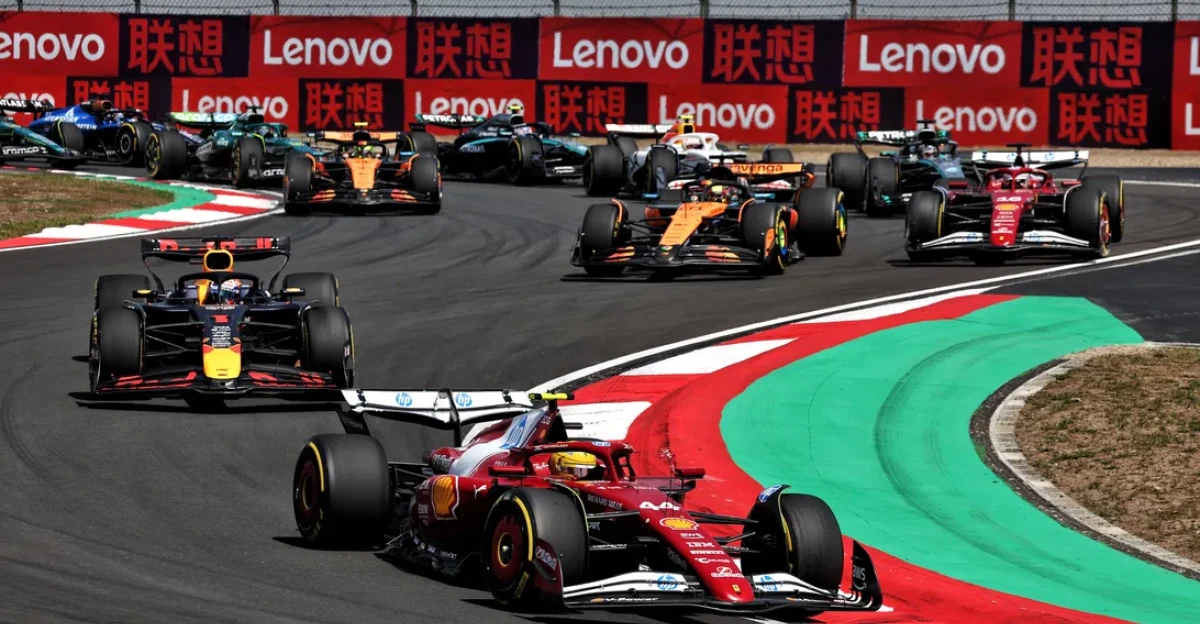
If the dispute escalates, smaller teams absorb the worst of it. Workaround testing, validation protocols, and governance lobbying all cost money that budget-constrained operations don’t have. The irony is thick: standardization was supposed to protect those exact teams from spending wars. Now a mandated component dispute could force additional costs onto the organizations least equipped to handle them. Meanwhile, the broader industry watches. Every supplier providing standard parts to F1 faces new scrutiny over quality assurance processes and accountability structures.
A Precedent Disguised as a Bug
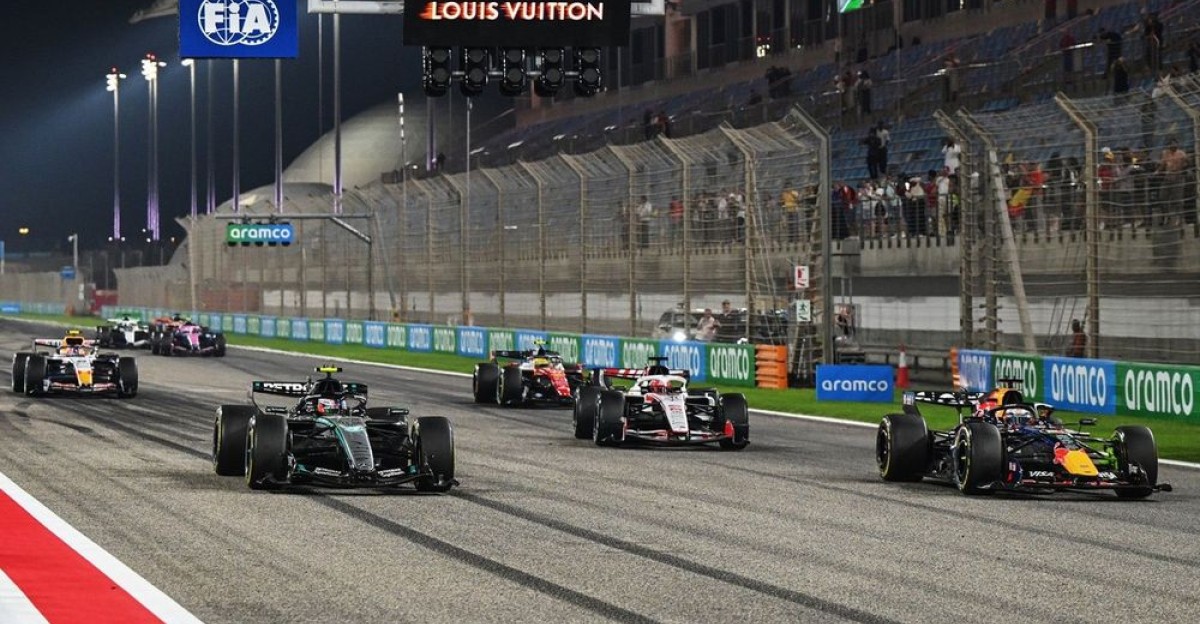
This story looks like a technical complaint. It’s actually a governance precedent. If the FIA amends, waives, or replaces this mandated component under pressure from all 11 teams, it signals something F1 hasn’t formally acknowledged: standardization has limits. “Fairness” tools become fragility tools when everyone shares the same dependency. Once you see that, every future mandated component carries a different weight. The question stops being “does this save money?” and starts being “what happens when this single point fails at 200 mph?”
Where Engineering Meets Politics
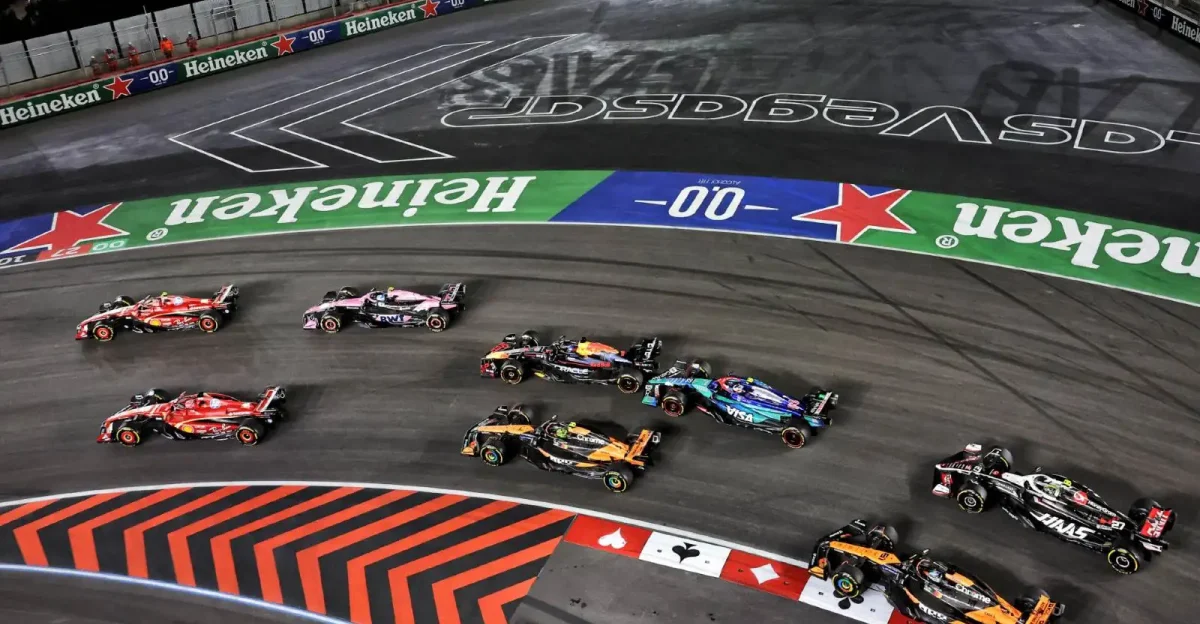
Technical disputes in F1 don’t stay technical. The escalation path runs from engineering complaints to governance forums to formal rule amendments. Teams are already pushing for fixes and clarifications. If the FIA resists, this becomes a political fight about who audits the auditor. That’s uncharted territory for a sport built on the assumption that the regulator’s authority is neutral infrastructure, not a variable that can swing results. The next governance meeting carries more weight than the next qualifying session.
What Comes Next
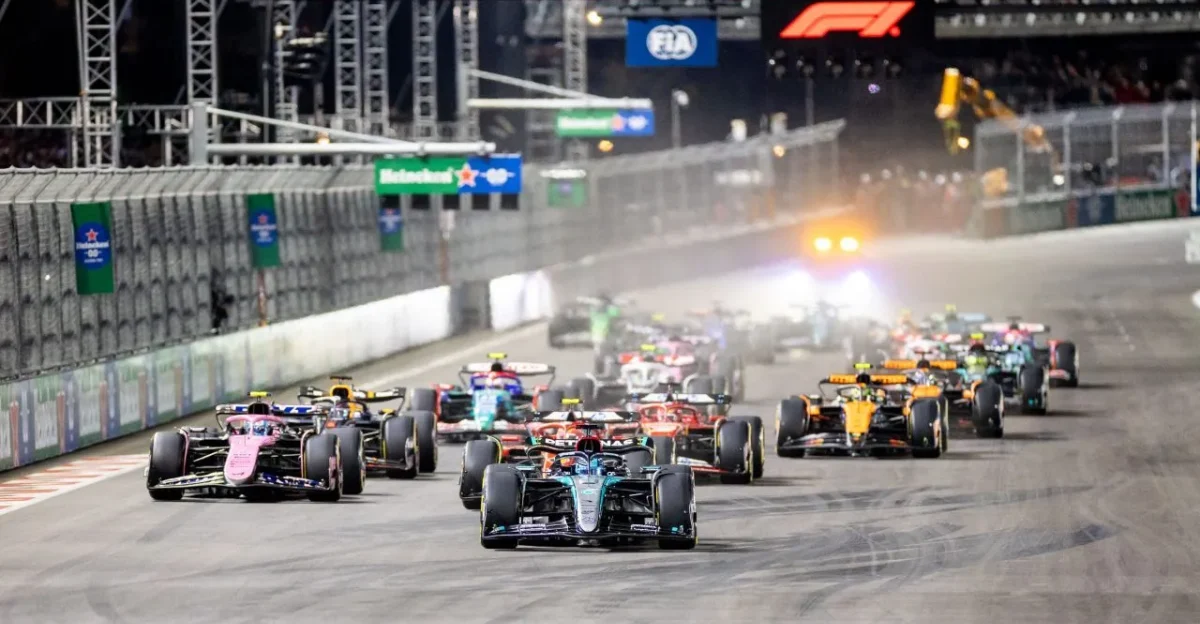
The FIA’s likely response is a technical directive, an updated spec, or revised mandate language. Standard bureaucratic tools. But the damage to the framework runs deeper than any single fix. Eleven teams now understand that a mandated dependency is a shared vulnerability, and the entity responsible for quality control is the same entity that wrote the requirement. That’s the knowledge most fans don’t have yet: F1’s push toward standardization didn’t just centralize control. It centralized failure. The FIA’s next move determines whether teams trust the architecture or start fighting to dismantle it.
Sources:
“All 11 Formula 1 teams are now ‘very unhappy’ with ‘glitchy’ car part produced by the FIA.” F1 Oversteer, Mar 2026.
“FIA extends contract for McLaren Applied to supply F1 standard ECU.” PMW Magazine, 22 Nov 2022.
“2026 Formula 1 Technical Regulations.” Fédération Internationale de l’Automobile (FIA), Jun 2024.
“F1 teams ‘raise complaint’ over ‘glitchy’ car part after Chinese Grand Prix.” SportBible, 17 Mar 2026.