Oil Crisis Guts American Small Businesses Already Bleeding From Tariffs—Drivers Across U.S. In Trouble
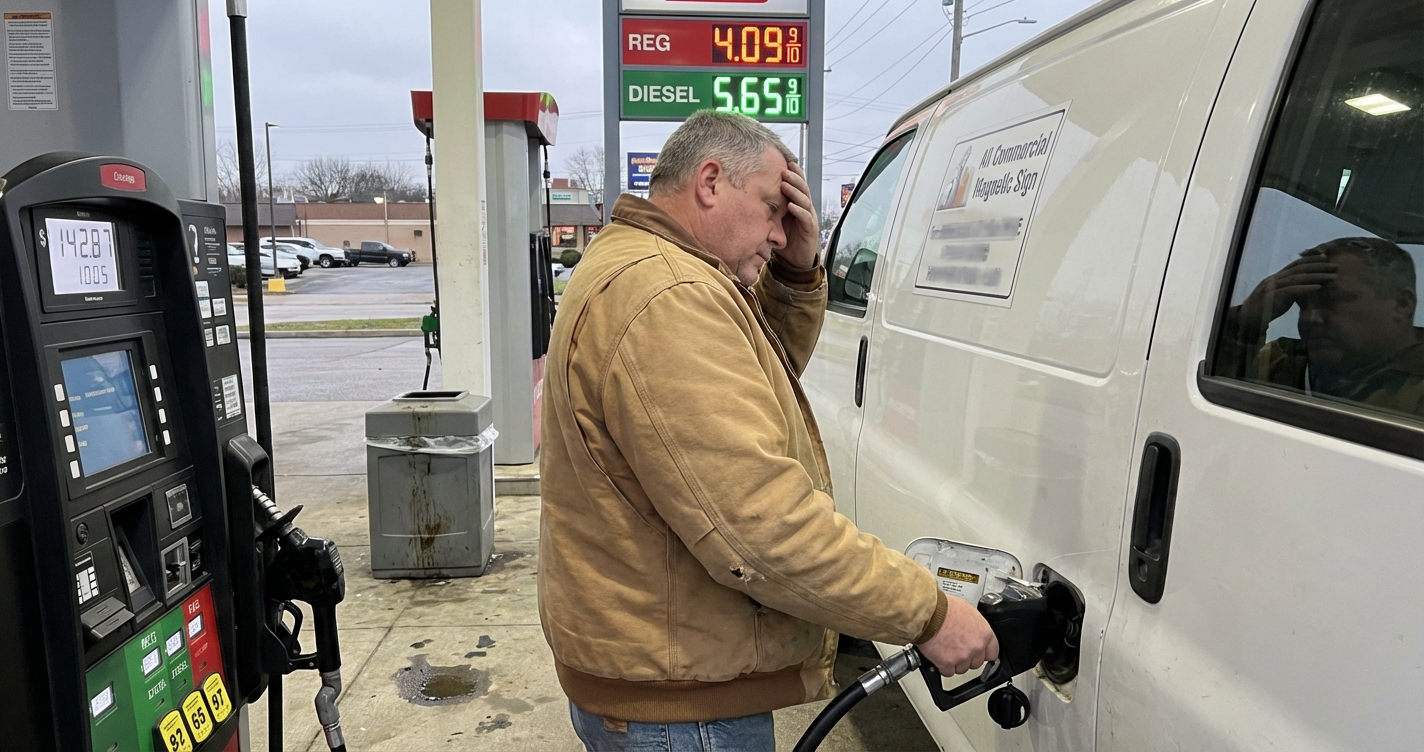
The number on the pump climbs past four dollars, and the guy in the F-150 just stands there watching it tick. He filled up last month for three-twenty. Diesel rigs idling at truck stops across the country face $5.61 a gallon nationally. In San Francisco, diesel crossed $8 for the first time any American city has ever recorded. Since U.S. and Israeli airstrikes hit Iran on February 28, the Strait of Hormuz has gone from 130 daily ship transits to six. That is a 95% collapse in the world’s most critical energy chokepoint.
The Chokepoint That Feeds Everything
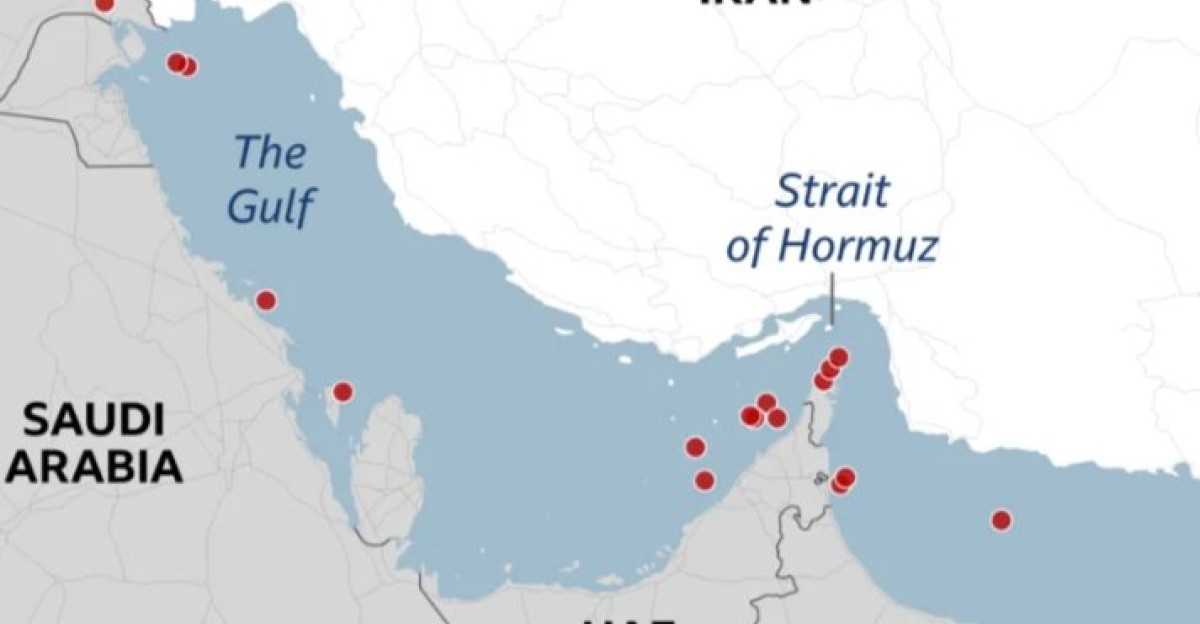
The Strait of Hormuz carries roughly 27% of globally traded oil, 20% of liquefied natural gas, and approximately 30 to 33% of global fertilizer exports. Losing it does not just raise gas prices. It raises the cost of flying, eating, building, and heating a home. Brent crude hit $111.69 per barrel by April 2. The International Energy Agency’s director called it the largest supply disruption in global oil market history. Bigger than 1973. Bigger than 1979. Both of those crises combined. And American businesses entered this moment already wounded.
A Year of Tariffs Set the Trap
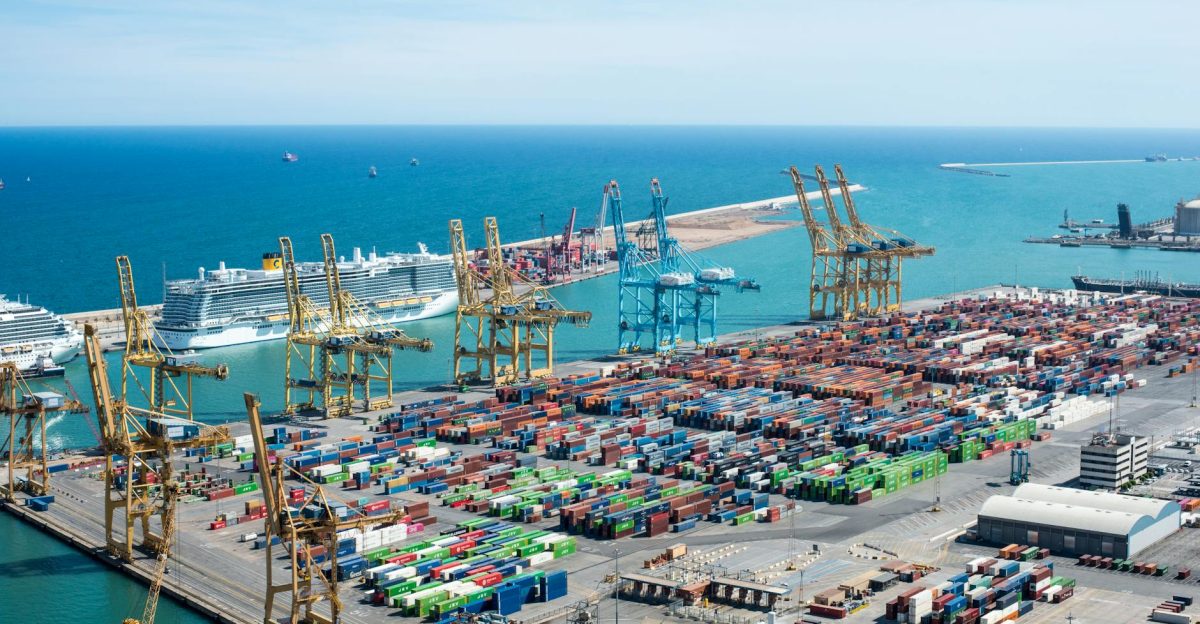
Before a single bomb fell on Iran, roughly 236,000 small-business importers had paid an average of $151,000 each in tariff costs. Duty rates climbed to 9.6%, an 80-year high. Margins shrank. Cash reserves thinned. The common assumption was that American energy independence insulated the country from Middle Eastern chaos. That assumption just died. Oil trades on global benchmarks. A strait closure in the Persian Gulf raises prices at every pump in Texas, Florida, and everywhere between. The “insulation” was always an illusion built on supply-side math that ignored demand-side reality.
The $11 Billion Confession
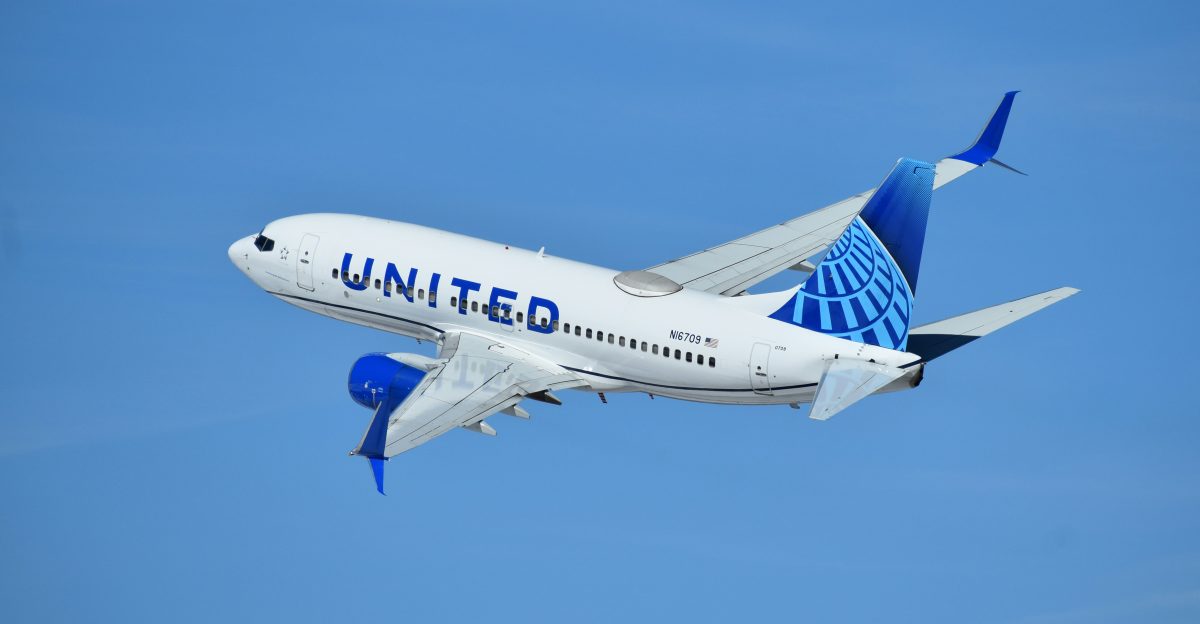
United Airlines CEO Scott Kirby said the quiet part out loud: “If prices stayed at this level, it would mean an extra $11 billion in annual expense just for jet fuel. For perspective, in United’s best year ever, we made less than $5B.” Read that again. The added cost equals 2.2 times the airline’s record profit. And here is the detail that makes it structural: no major U.S. carrier maintains fuel hedges. Some European carriers hedge between 60 to 84% of their fuel needs, compared to near-zero coverage at major U.S. airlines. The entire industry built its forecast on ice.
Zero Hedges, Full Exposure
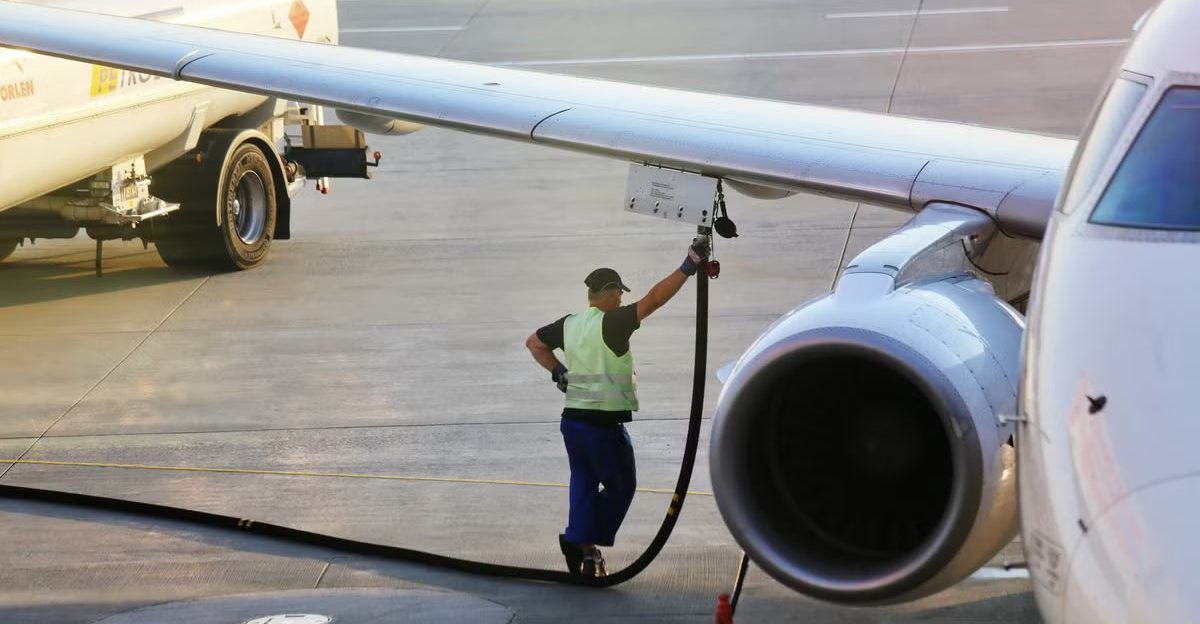
Jet fuel prices jumped 85%, from $2.50 to $4.62 per gallon. Scandinavian Airlines cut approximately 1,000 flights. Lufthansa considered grounding up to 40 aircraft. The airline industry’s previous $41 billion global profit forecast now faces erosion from fuel costs alone. This is what happens when an entire sector bets on stability and gets a war instead. Fuel runs roughly 30% of airline operating budgets. With no hedges, every penny of that 85% spike lands directly on the balance sheet. Passengers pay it at checkout or flights disappear.
The Numbers at the Kitchen Table
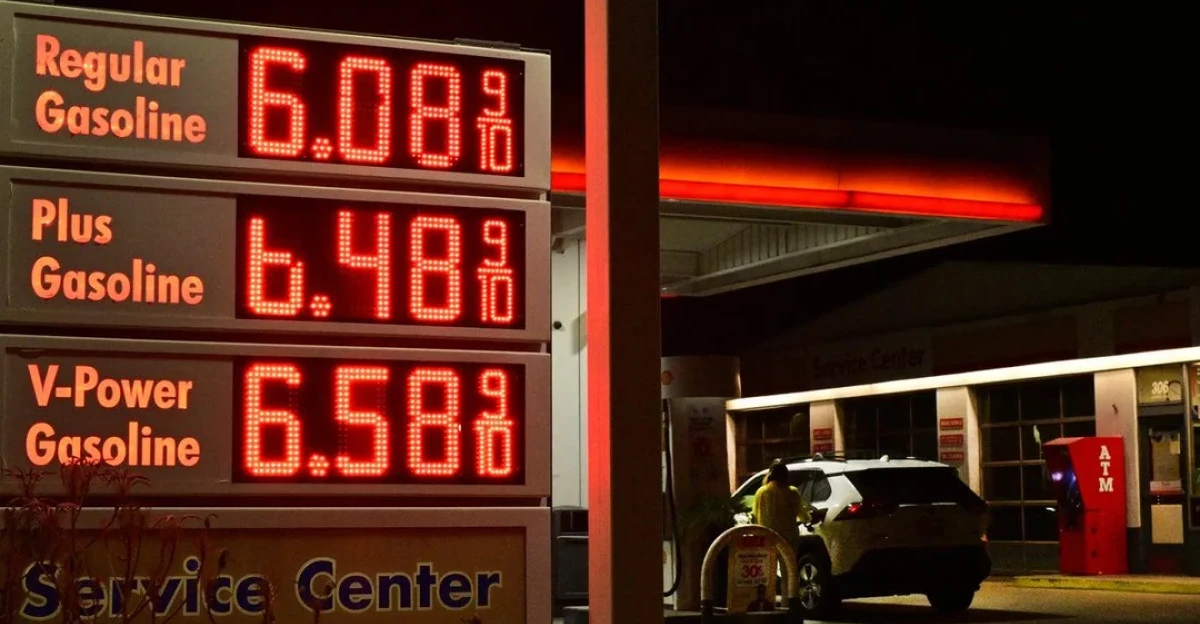
Gasoline hit $4.06 nationally, up approximately 24 to 25% year-over-year. California drivers face $5.89. Mortgage rates climbed from 5.99% to 6.43%, and applications dropped 10.5%. First-time homebuyers, priced out by rate shock, get locked into rentals that now carry fuel surcharges. Helios AI forecasts food prices rising 12 to 18% by year-end. Consumer sentiment sank to 53.3, near its lowest level in decades on the University of Michigan’s survey. Credit card debt already sits at $1.277 trillion. Goldman Sachs projects 10,000 job losses per month through 2026.
Farmers, Fertilizer, and the Fall Harvest

Fertilizer costs surged 30 to 40% for U.S. farmers heading into spring planting. Urea hit $590 per metric ton in early March after jumping $90 in a single week, and has since climbed above $700 per metric ton. The Persian Gulf supplies approximately 30 to 33% of global fertilizer exports, and those shipments stopped. Spring planting decisions lock in now. The seeds going into the ground this month reflect today’s scarcity and cost. The fall harvest will carry that price forward. Shipping surcharges of $2,000 to $3,000 per container compound the squeeze. War-risk insurance premiums hit 5% of vessel value, up to 250 times pre-war normal rates of 0.02%.
The Fragility Tax
The war did not create this crisis. It revealed it. Small businesses running on two-month cash reserves after a year of tariff bleeding. Airlines with zero fuel hedges for the first time in U.S. history. A housing market where mortgage rates track energy inflation through Treasury yields. A food system where domestically produced crops still price off global benchmarks. Once you see it, you cannot unsee it: every failing system was fragile before February 28. The conflict is the stress test. The “war tax” is really the cost of operating with no margins, no hedges, no redundancy.
No Exit Ramp in Sight
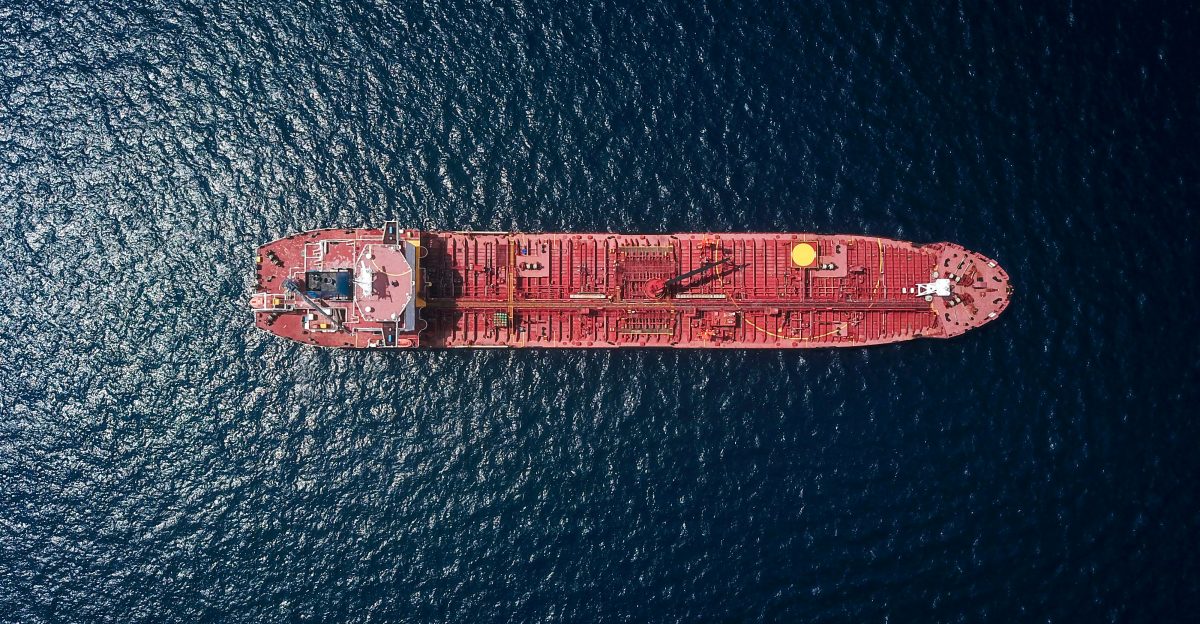
S&P Global projects normal shipping through the Strait will not resume until the second half of 2026. If the closure persists through the second quarter, Gulf producer storage capacity exhausts and oil could spike to $120 or beyond. Goldman Sachs estimates the shock will cut global GDP growth by up to 0.4 percentage points. Leisure and hospitality face the largest job losses at 5,000 per month. Discussions between the U.S. and Iran show, according to the Council on Foreign Relations, “scant overlap.” The Federal Reserve cannot cut rates while energy inflation runs hot.
Who Gets Crushed Next

The Trump administration is pursuing a $20 billion reinsurance program to revive shipping. USDA pledged $30 billion in farm aid, but payments average $44 per acre against a $900-per-acre cost structure. That is a bandage on a compound fracture. S&P Global forecasts 800,000 to 900,000 fewer vehicles sold globally in 2026. Qatar supplies roughly 30% of the world’s helium, and prices jumped 40 to 100% in weeks, threatening semiconductor production lines with no substitute available. The systems that looked resilient a year ago are the ones failing first.
Sources
“Amid Regional Conflict, the Strait of Hormuz Remains Critical Oil Chokepoint.” U.S. Energy Information Administration, March 2026.
“IEA Warns of Largest Oil Supply Disruption in History.” Yahoo Finance / International Energy Agency, March 2026.
“Oil Shock ‘Largest Supply Disruption’ in History.” RTE News, March 2026.
“In the First Year, President Trump’s Tariffs Have Cost Small Business Importers $306,000 on Average.” Center for American Progress, March 2026.
“United Airlines to Cut More Flights as It Eyes Elevated Oil Prices.” CNBC, March 2026.