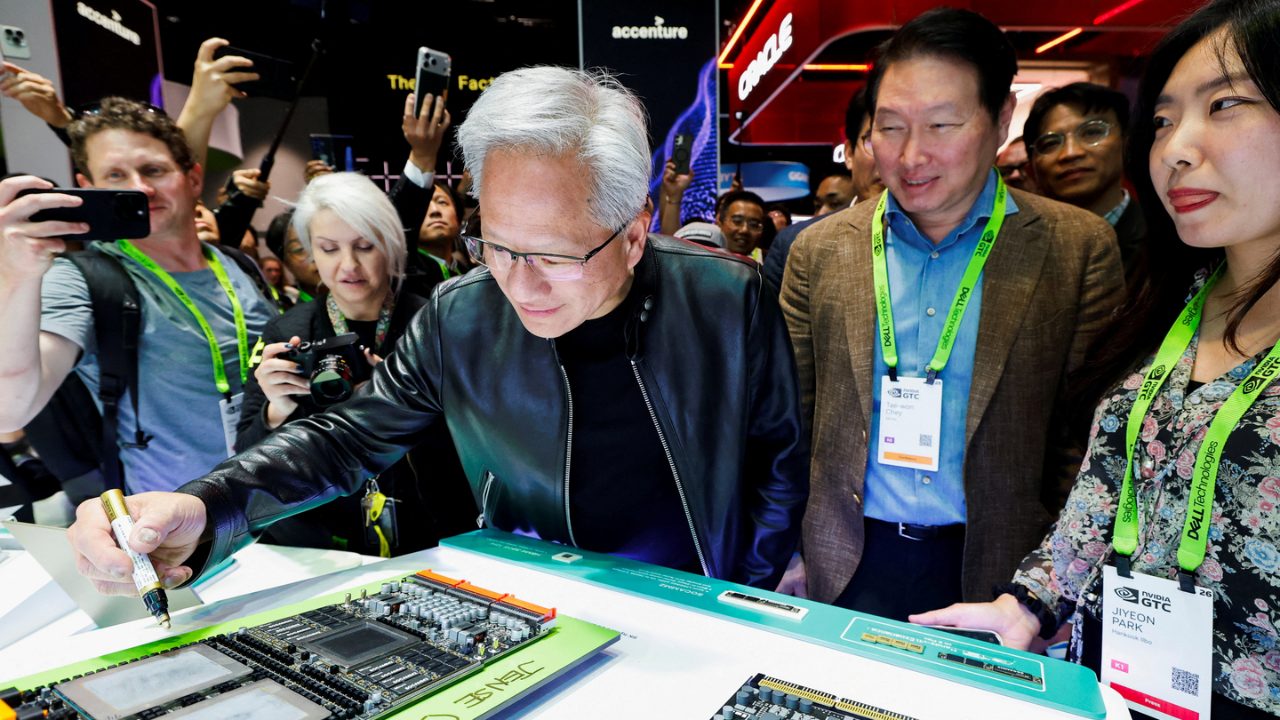
Nvidia CEO Declares “ChatGPT Moment” for Self-Driving—4 Automakers Sign On at GTC 2026
San Jose. March 16, 2026. In front of a packed room at the GTC keynote, Jensen Huang took the stage. No slides or stunts. He spoke directly to a crowd buzzing with anticipation. For years, developers and partners had argued about when autonomous driving would truly arrive. That day, Huang told them the future was no longer theoretical. It had a deadline. He framed it as “the ChatGPT moment” for physical AI, with self-driving at the center of it.
What once felt like science fiction was suddenly on a real-world timeline. This was not a typical tech launch. Huang did not show off a prototype or demo a flashy feature. Instead, he announced something bigger: four major automakers committed to the same autonomous driving platform, on the same day.
The Lineup
BYD, Geely, Nissan, and Isuzu all signed on to NVIDIA’s DRIVE platform for advanced autonomous vehicles. These deals were clustered together at GTC and highlighted live during the same conference cycle. Hyundai and Kia also expanded their NVIDIA partnership around GTC that week, announcing new work on the same autonomous driving stack.
Suddenly, six brands ranging from Chinese EVs to Japanese commercial trucks to Korean giants placed their bets on the same technology. Until now, most assumed automakers would want to build their own self-driving brains. That idea vanished almost overnight.
The Pressure
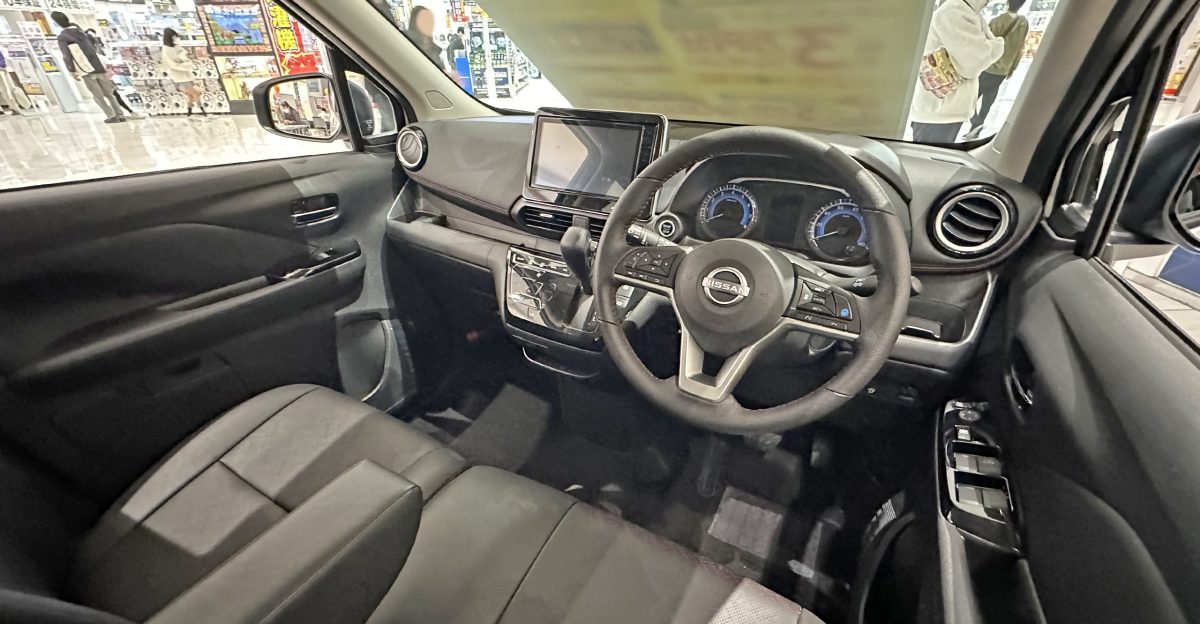
For years, these companies poured billions into developing their own autonomous driving technology. Nissan had its ProPILOT. BYD supported its own in-house AI. Every automaker seemed convinced their engineers could win the self-driving race. Then NVIDIA arrived with the entire package: cloud training, lifelike simulation with Omniverse, and in-car computing power at another scale.
Dual DRIVE AGX Thor processors, each pushing more than 2,000 FP4 teraflops, changed the math. Building a system in-house no longer looked like a competitive edge. It looked like a costly exercise in pride.
The Surrender
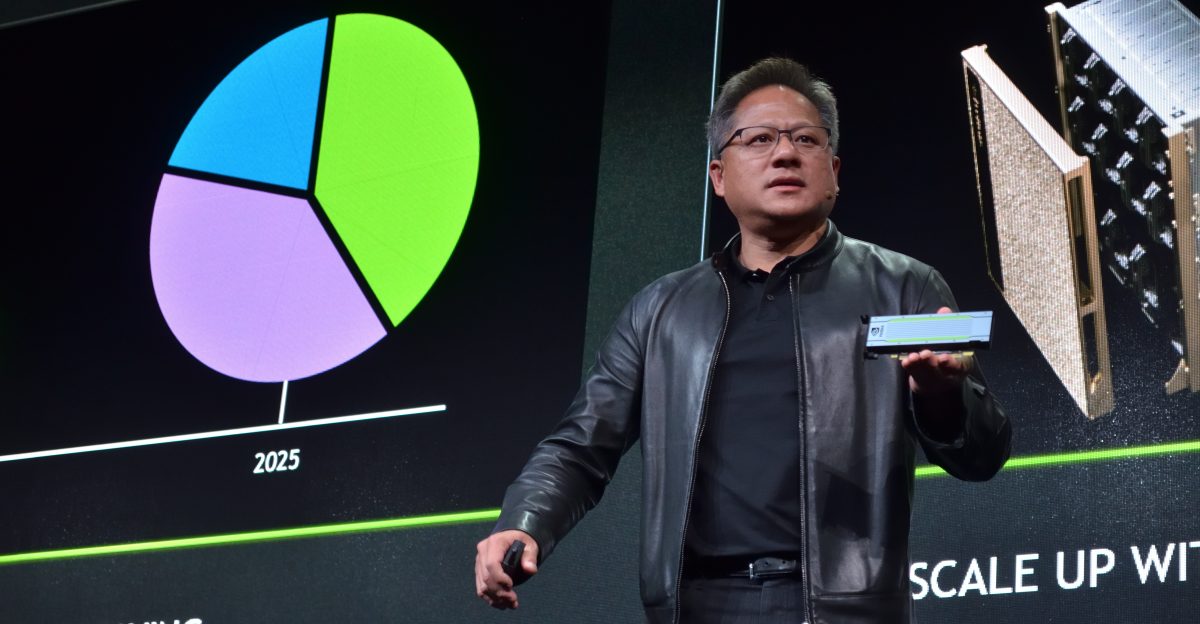
Huang’s choice of words, “the ChatGPT moment for self-driving cars,” was deliberate. ChatGPT made language models mainstream. NVIDIA triggered the same tipping point for autonomous driving. Four automakers joined immediately. NVIDIA also spotlighted its work with Uber: the plan is for a large fleet of Level 4 robotaxis across 28 cities on four continents by 2028.
This partnership was first announced in 2025 and reaffirmed at GTC. Commercial launches begin in Los Angeles and San Francisco in early 2027. What once sounded philosophical became a concrete deadline. Eighteen months to production.
The Lock
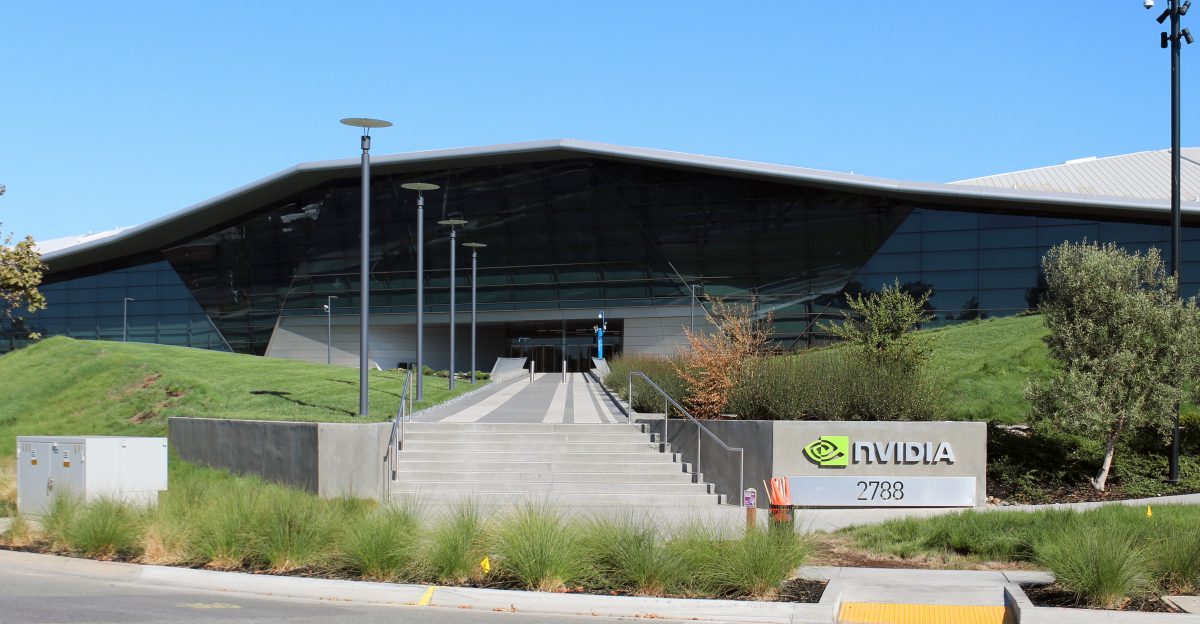
NVIDIA is repeating a strategy used before in AI computing: create the core technology required by everyone and build an entire environment around it. DRIVE Hyperion is more than hardware; it is a self-contained world. Training happens on NVIDIA DGX. Simulations run in NVIDIA Omniverse. The vehicles rely on NVIDIA chips. Even updates travel through NVIDIA’s own channels.
Automakers must take the whole package to get the full benefit. At this point, it resembles paying a toll every time an autonomous car completes a mile.
The Numbers
NVIDIA’s Alpamayo 1 reasoning model runs 10 billion parameters, trained on approximately 80,000 hours of global driving footage from 25 countries and over 2,500 cities. NVIDIA has made some of this data public, sharing 1,727 hours of synchronized video (about 100 terabytes) so developers can measure their own systems.
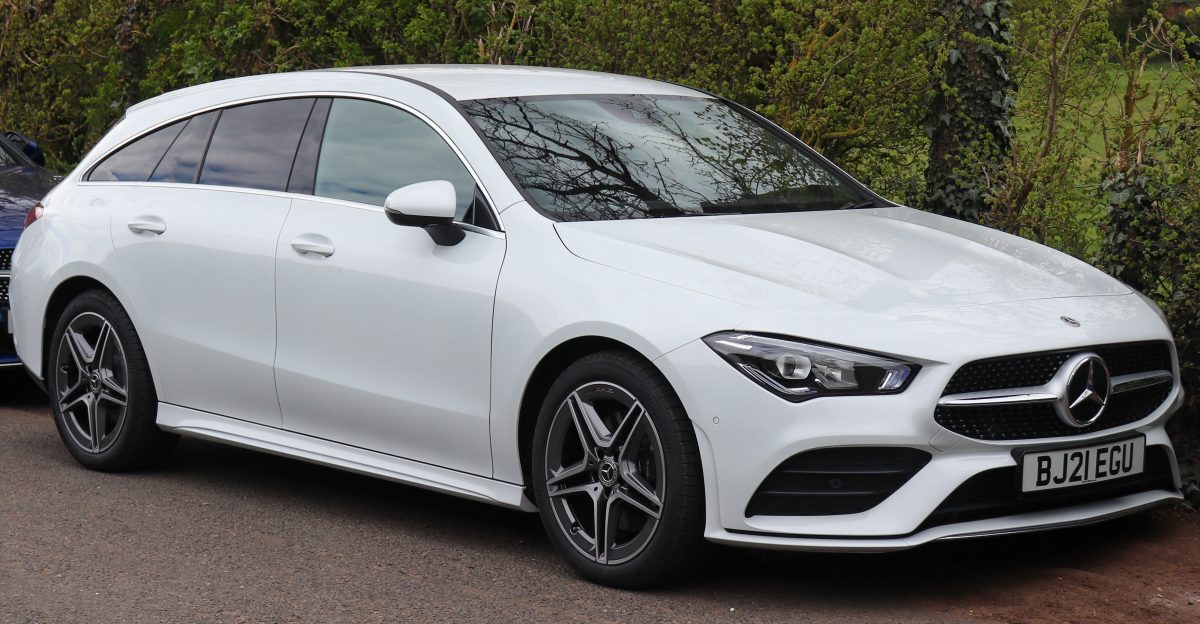
Mercedes‑Benz already saw results: the CLA earned strong scores in Euro NCAP’s 2025 safety tests, which the company highlights alongside its work with NVIDIA-powered driver‑assist systems. Goldman Sachs predicts the U.S. could see 35,000 robotaxis on the road by 2030, producing $7 billion in annual revenue. This is a fraction of a global autonomous vehicle market that could reach trillions within the next decade.
The Fallout

For tens of millions of ride‑hailing drivers worldwide, the threat of automation just became concrete. There is now a countdown instead of speculation. Longtime software suppliers such as Bosch and Continental must adapt to NVIDIA’s framework or risk fading as automakers shift projects to the Hyperion stack.
NVIDIA poured resources into safety research, filed hundreds of patents, and published extensive research. That lead keeps growing. Every month competitors hesitate, NVIDIA moves further ahead in supply chain access and regulatory strength.
The Precedent
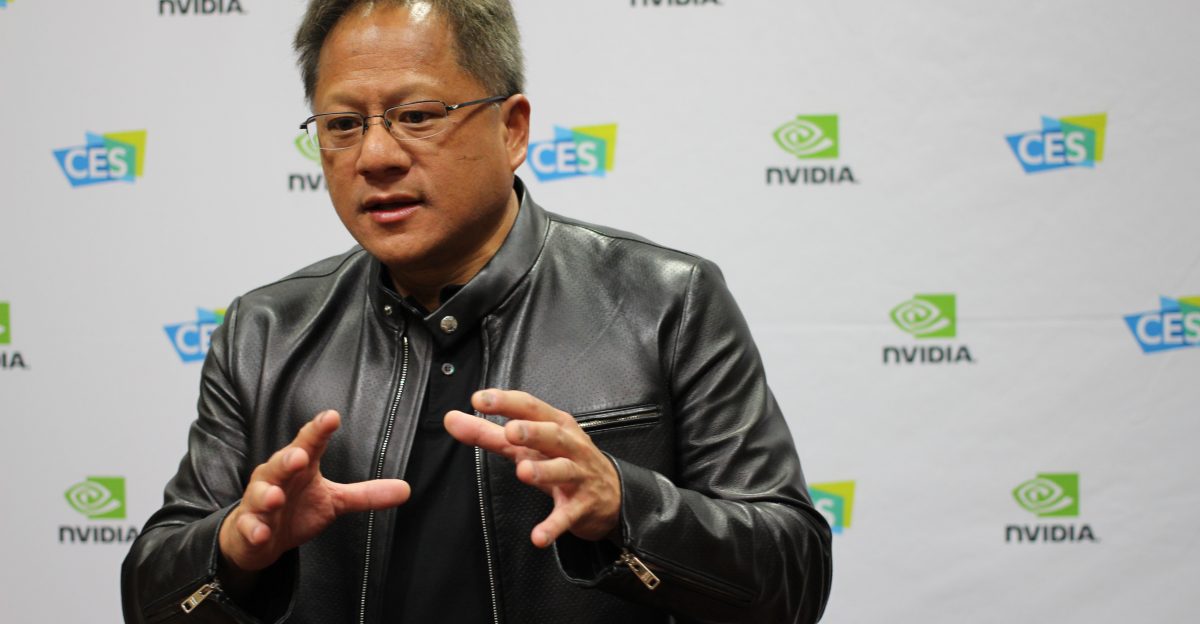
NVIDIA’s Halos AI Systems Inspection Lab earned ISO/IEC 17020 accreditation from the ANSI National Accreditation Board (ANAB) for inspecting emerging AI systems, making it one of the first labs focused on AI systems to clear that bar. This is a real regulatory hurdle.
Once a vehicle is certified through Halos, it meets standards that others must match to remain competitive. NVIDIA turned DRIVE Hyperion into the template that regulators, insurers, and fleet operators expect. The standard became the product.
The Holdouts
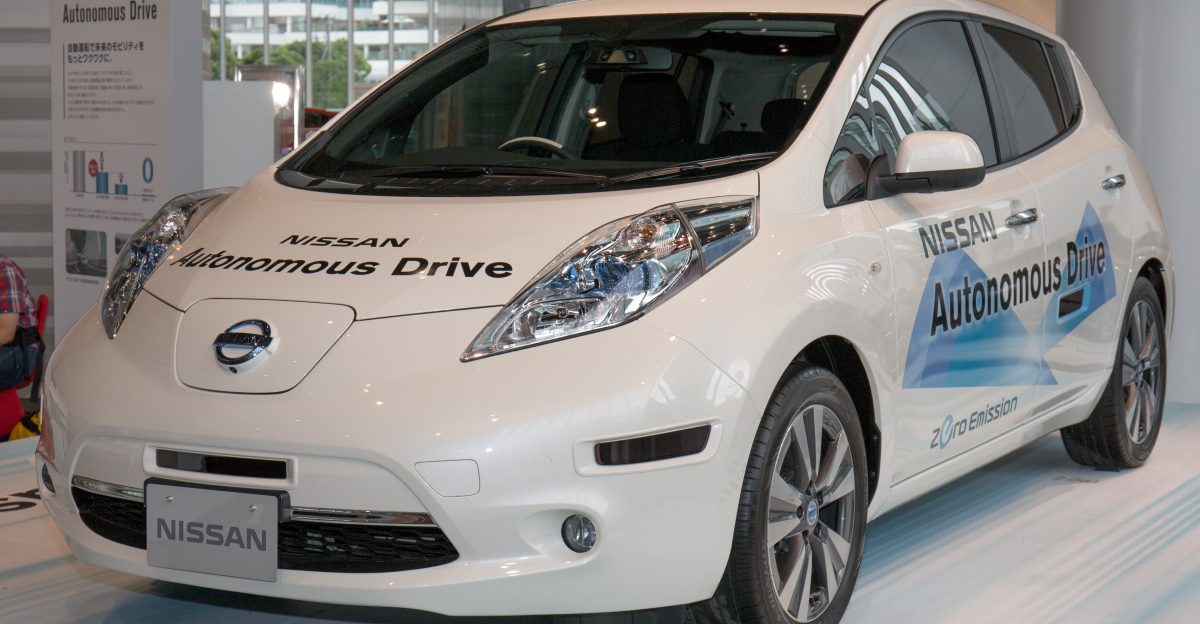
Nissan played both sides. A few months before joining NVIDIA, it signed with Wayve, a startup betting on a different style of AI that requires less simulation. If Nissan’s experiment succeeds, multiple approaches to self-driving could coexist in a single fleet. If it fails, NVIDIA’s reasoning-first model could consolidate its dominance.
Meanwhile, Tesla’s black-box Full Self-Driving system is under federal scrutiny, and NVIDIA’s open-book approach is becoming the new regulatory standard. Any automaker that waits past late 2026 will be roughly two years behind the leaders.
The Clock
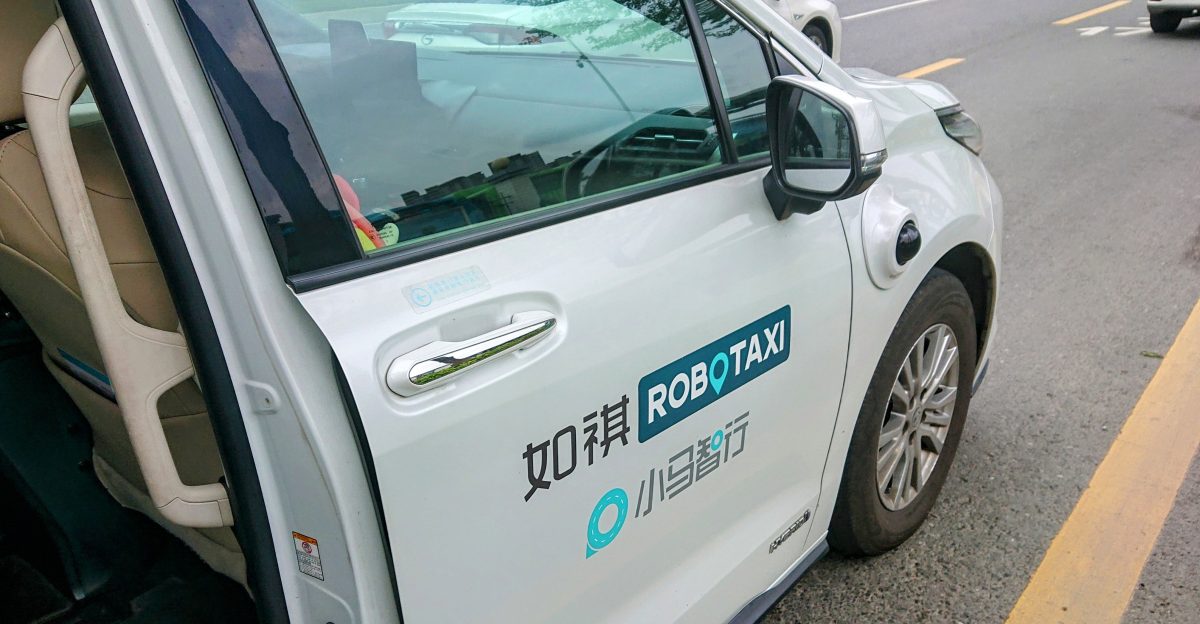
If robotaxis launch smoothly in LA and San Francisco, those cities will become the blueprint for dozens more. The first numbers on cost per mile and vehicle utilization will either support the 100,000-vehicle goal or prompt NVIDIA to adjust. Either way, the balance of power has changed.
NVIDIA now controls the software layer that every robotaxi provider will eventually need to license. The automakers who made the leap on March 16 chose the only system moving fast enough to matter. For everyone else, the countdown has started.
Sources:
NVIDIA – “BYD, Geely, Isuzu and Nissan Adopt NVIDIA DRIVE Hyperion for Level 4 Vehicles” – March 16, 2026
MarketMinute / Chronicle Journal market news – “Uber Shares Surge on Landmark 28-City Robotaxi Deal with NVIDIA at GTC 2026” – March 16, 2026
ANAB (ANSI National Accreditation Board) – “ANAB Expands NVIDIA’s Scope to Inspect Emerging AI Technologies Across Critical Sectors” – June 10, 2025
S&P Global / AutoTechInsight – “Tier IV Accelerates Autonomous Driving Collaboration with NVIDIA Using 10B-Parameter Reasoning Model” – March 20, 2026
The Japan Times – “Nissan to Deploy Tech from AI Self-Driving Startup Wayve” – December 9, 2025
Goldman Sachs (via secondary reporting) – “Goldman Sachs Says U.S. Robotaxis Will Reach 35,000 by 2030, Grabbing 8% of Rideshare Market and $7B in Annual Revenue” – August 1, 2025