North Carolina’s ‘Dangerous Choice’ Crackdown Hits Every Highway After Speed Deaths Double
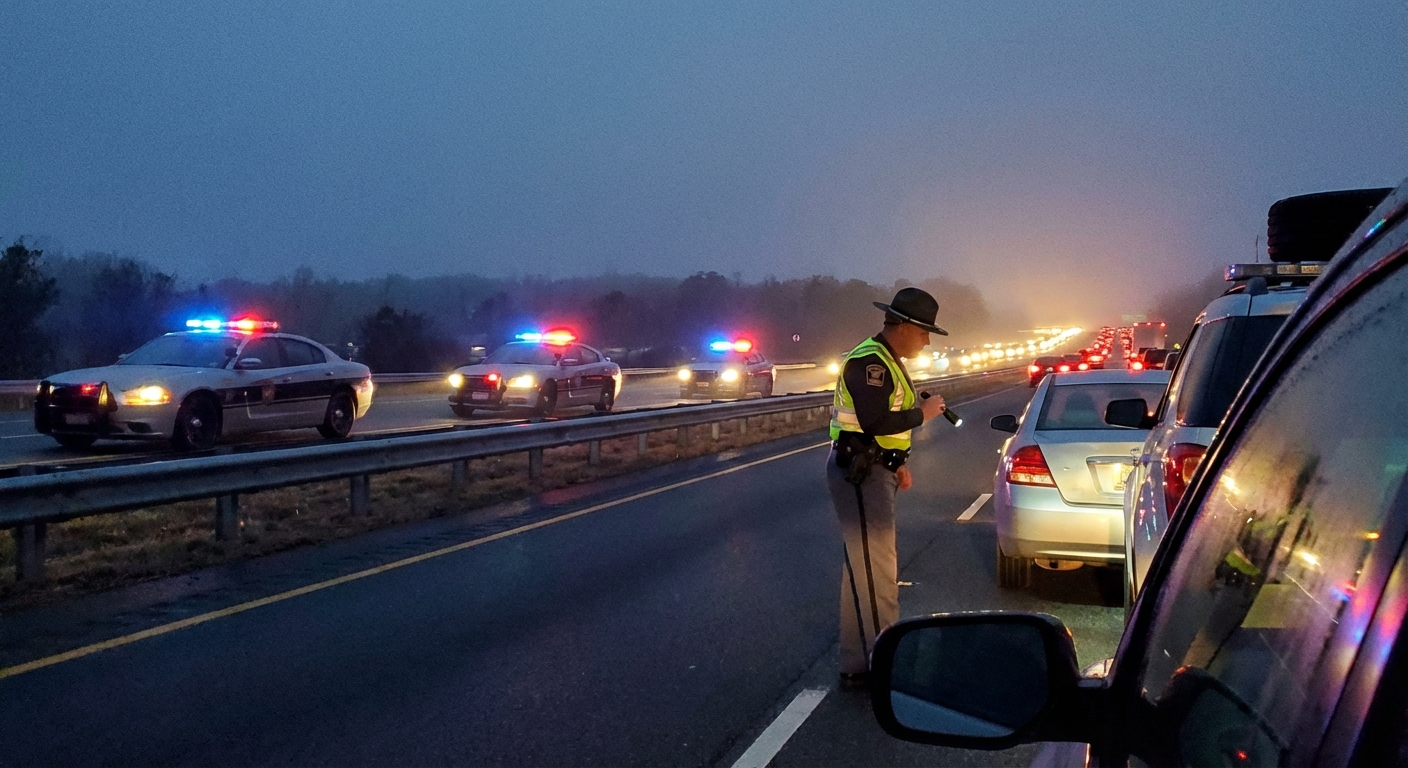
Somewhere on a North Carolina highway right now, a state trooper is pulling into position. Its blue lights are dark, and its radar is hot. The Governor’s Highway Safety Program just launched “Speed a Little. Lose a Lot,” flooding every corridor from the Outer Banks to the Smokies with increased patrols and checkpoints through April 5. GHSP Director Mark Ezzell put it bluntly: “Speeding is not just a bad habit — it’s a dangerous choice that puts everyone on the road at risk.” The reason for the urgency runs deeper than a slogan.
The Numbers Behind the Surge
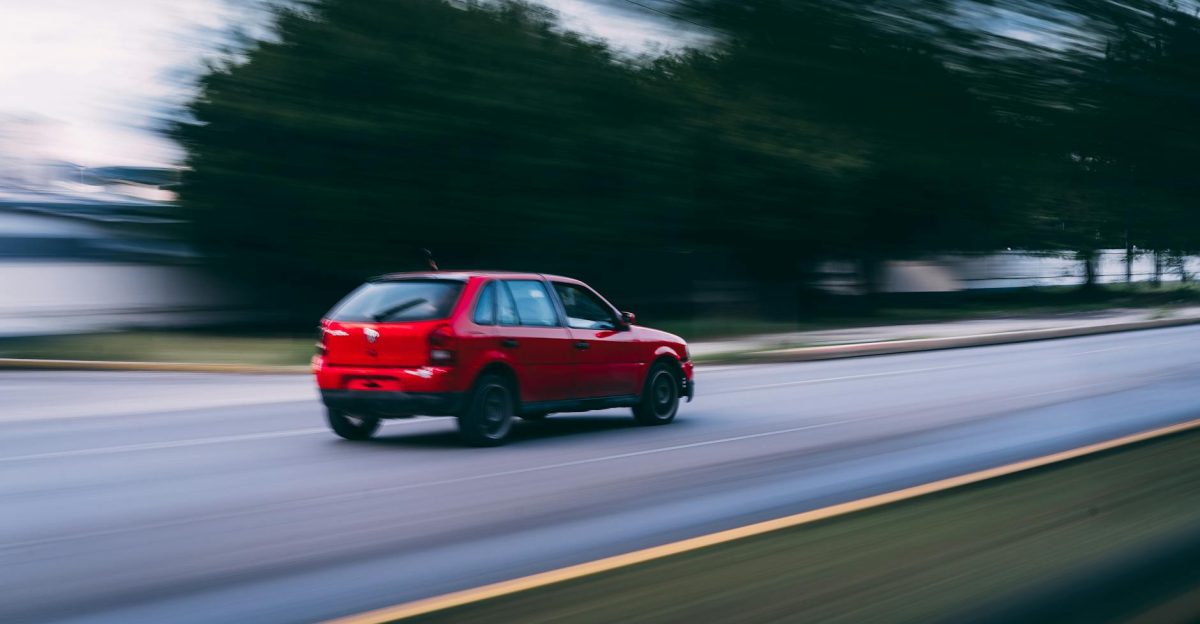
In 2025, 335 people died in speed-involved crashes across North Carolina. That alone should have triggered an alarm. Then came 2026. Preliminary data show 41 people killed in speed-related wrecks in just the first two months. That concentration of death in such a short window caught state officials off guard. This campaign launched in late March as a direct response to that early-year spike. Col. Freddy Johnson Jr., commanding the State Highway Patrol, reinforced the stakes: “Speed limits exist for a reason — they protect everyone on our roads.”
A Pattern Nobody Can Ignore
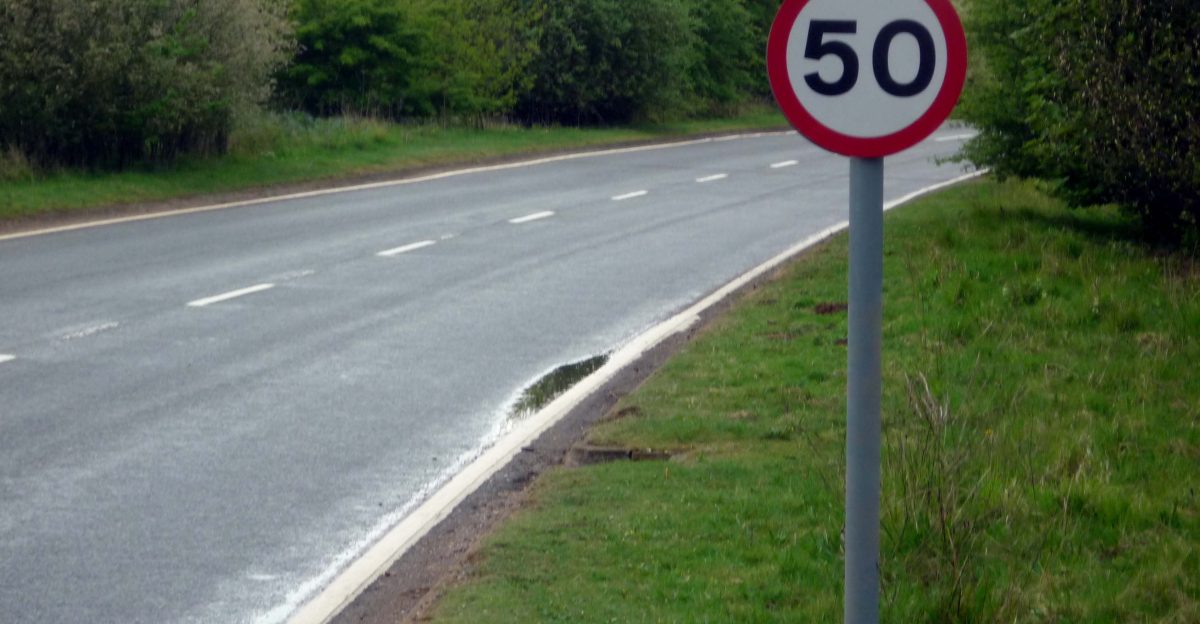
Most people assume speeders are reckless outliers. The data says otherwise. Major speeding violations jumped 16% year over year nationally and are 38% above 2019 levels. Minor speeding violations climbed 25% in a single year. North Carolina’s traffic-related fatalities since 2019 rose 21%. Everyone is driving faster. The trend predates this campaign by years, which raises an uncomfortable possibility: maybe the problem isn’t a few bad actors but something baked into how Americans drive. The crackdown targets individual behavior, but the acceleration looks collective.
What the Research Actually Shows
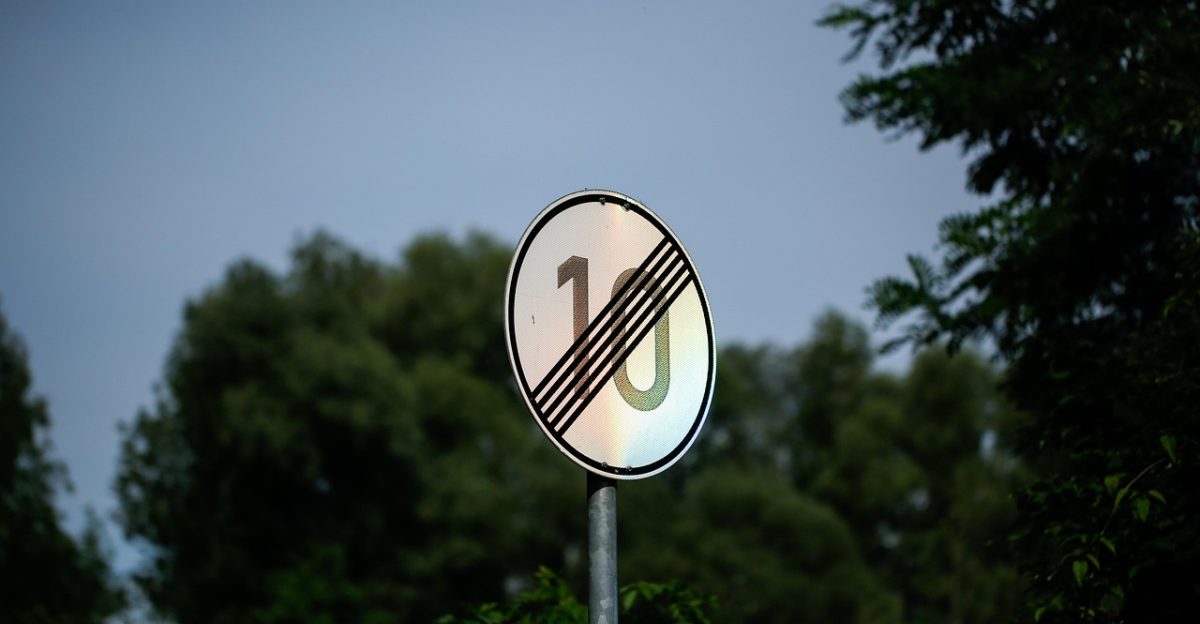
Here is where the campaign’s own logic cracks. Research from the George Institute for Global Health found that reducing average speeds by just 10 km/h cuts fatal crash risk by up to 40%. Forty percent. That single finding should reshape every dollar spent on highway safety. Yet the same research identifies speeding as a product of culture, peer pressure, and road design that invites higher speeds. Enforcement alone shows limited sustained impact on behavior change. North Carolina deployed checkpoints. The science called for redesigned roads. That gap between response and research could cost lives, the campaign claims to save.
The Physics Nobody Thinks About

At 55 mph, a vehicle needs more than 200 feet to stop under normal conditions. That is more than 13 car lengths. A 20% increase in speed produces a 44% increase in crash energy. Speed compounds like debt: small increases generate disproportionate destruction. Every driver who bumps from 65 to 75 on the interstate just loaded their vehicle with nearly half again the destructive force. Bodily injury severity in crashes rose 9.2% year-over-year nationally. The cars are not getting more dangerous. The speeds are.
Twelve Thousand Americans a Year
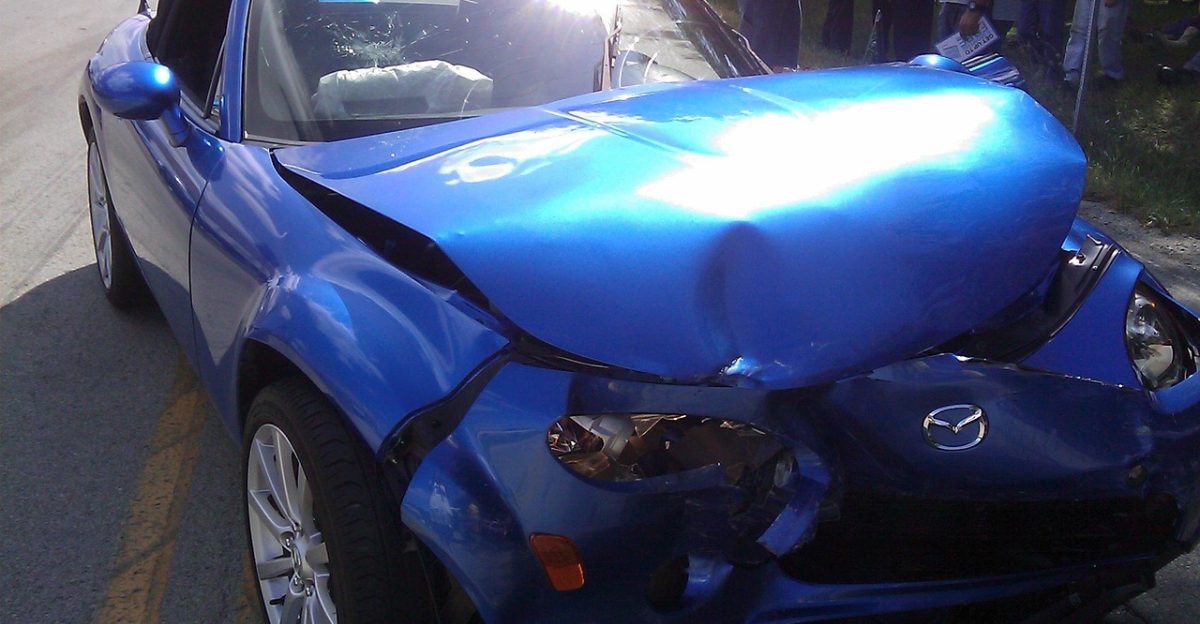
Nearly 12,000 people died in speed-related crashes across the United States in 2023. That is 29% of all traffic fatalities. Nearly one in three crash deaths is tied to how fast someone was going. North Carolina’s 335 deaths in 2025 represent one state’s share of a national epidemic. Yet the primary federal and state response remains seasonal enforcement pushes: a few weeks of checkpoints, a Grim Reaper mascot, a catchy slogan. Fear-based messaging without systemic design changes has proven insufficient. The country treats a chronic disease with a seasonal flu shot.
Who Pays When the Campaign Ends
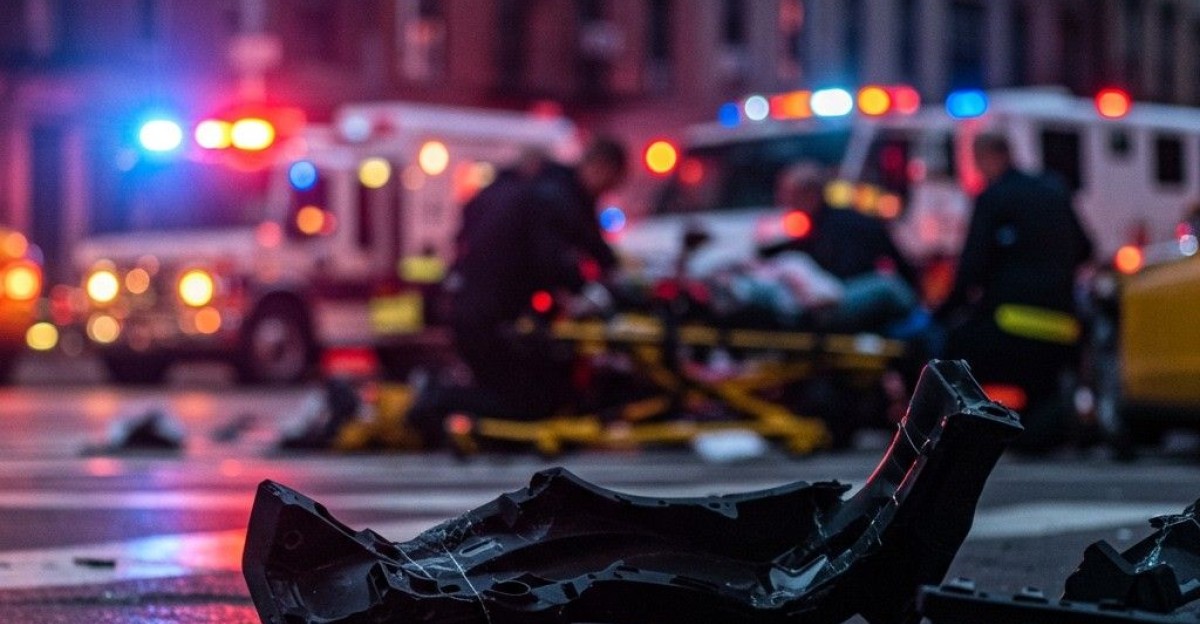
The enforcement window closes April 5. Drivers modify behavior while troopers are visible, then revert. Citations accumulate DMV points toward license suspension, hitting hardest among those who can least afford fines or lost work time. Teen drivers, who crash at nearly four times the rate per mile of drivers over 20, face concentrated enforcement scrutiny. Insurance claims activity rises. Emergency responders absorb the surge. And if the early-2026 fatality trend holds beyond the campaign window, North Carolina faces a body count that seasonal checkpoints were never built to prevent.
The Precedent Nobody Mentions

North Carolina once solved a driving crisis with systemic design. The state developed the graduated driver licensing system nearly 30 years ago. It became the national gold standard, adopted by 47 states, and reduced 16-year-old fatal and serious injury crashes by 46%. That worked because it changed the system, not just the enforcement. North Carolina’s own Vision Zero initiative calls for a “Safe System Approach” combining prevention, proactive strategy, and shared responsibility. The current campaign leans on checkpoints. The state’s own framework demands more. Once you see that contradiction, the slogan reads differently.
The Road Ahead Gets Steeper
If the early-2026 fatality trend continues past April 5, the campaign could potentially expand. Stricter penalties, mandatory education programs, and speed limit reductions on high-fatality corridors could follow. Speed camera and LIDAR technology could factor into future enforcement strategies. The state’s Strategic Highway Safety Plan targets cutting fatalities and serious injuries by half by 2035. All driving violations nationally rose 17% year-over-year, suggesting enforcement campaigns across the country are not bending the curve. The escalation path leads somewhere expensive.
The Choice That Isn’t Just Yours
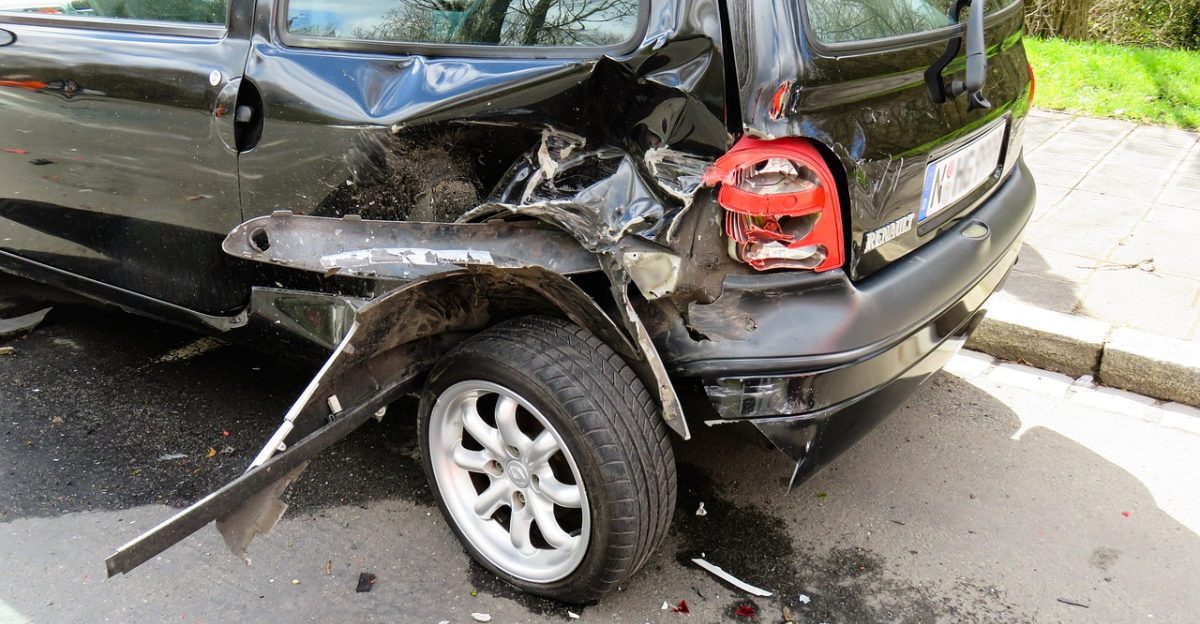
Driver advocacy groups could push back, calling for infrastructure investment alongside citation enforcement. Communities may demand traffic calming and narrower lanes. The real question for every North Carolina driver this week is not whether they will encounter a checkpoint. It is whether a two-week enforcement blitz can fix a problem that culture, road design, and peer pressure built over decades. Forty-one families already know the answer. The rest of us are still doing 78 in a 65, betting we are the exception.
Sources:
“Statewide ‘Speed a Little. Lose a Lot’ Campaign Begins, With Increased Patrols.” WLOS, 29 Mar. 2026.
“Speed.” Insurance Institute for Highway Safety, Mar. 2026.
“Why Drivers Really Speed: New Study Reveals It’s More Than Recklessness.” The George Institute for Global Health, 2025.
“U.S. Auto Insurance Trends Report Highlights Increases in Driving Violations and Shifting Consumer Demographics in Insurance Shopping.” LexisNexis Risk Solutions, 12 Jun. 2025.