Nordstrom’s Own Trucking Partner Collapses With $43.7M In Debt And Just $1.6M Left
A California drayage carrier that hauled freight for major retailers and logistics firms filed for Chapter 11 bankruptcy on April 6, 2026, in the Central District of California. National Road Logistics, based in Signal Hill, listed approximately $1.6 million in assets against $43.7 million in liabilities.
That ratio, roughly 27 to 1, doesn’t describe a company reorganizing. It describes a company that ran out of road weeks ago and finally admitted it. The creditor list reads like a Fortune 500 directory, and every name on it lost.
The Giants Who Got Burned
Nordstrom holds a $9.5 million unsecured claim, the largest single listed creditor. Prologis Management is owed $8.3 million. Sunshine Distribution filed a $14.5 million breach‑of‑contract claim, one of the largest unsecured debts on the petition.
Milestone Equipment Company is owed over $6.5 million. McKinney Trailer Rentals, over $1.1 million. Those five creditors alone account for roughly $40 million of the $43.7 million total, or more than 90% of the debt concentrated in five names. National Road Logistics didn’t just owe money broadly. It owed almost everything to the companies keeping it alive.
The Recovery That Wasn’t
Industry analysts spent late 2025 calling an inflection point. Spot rates ticked up and tender rejection rates climbed back into the low double digits after spending most of the downturn below 5%.
The freight recession, now in its fourth year and one of the longest modern downturns on record, appeared to be loosening its grip. Except at least several major carriers filed Chapter 11 in Q1 2026 alone. National Road Logistics joined STG Logistics, Bulmaks, and others in bankruptcy court while headlines declared recovery. The weak weren’t recovering. They were being buried before the upturn reached them.
Diesel Broke the Last Carrier Standing
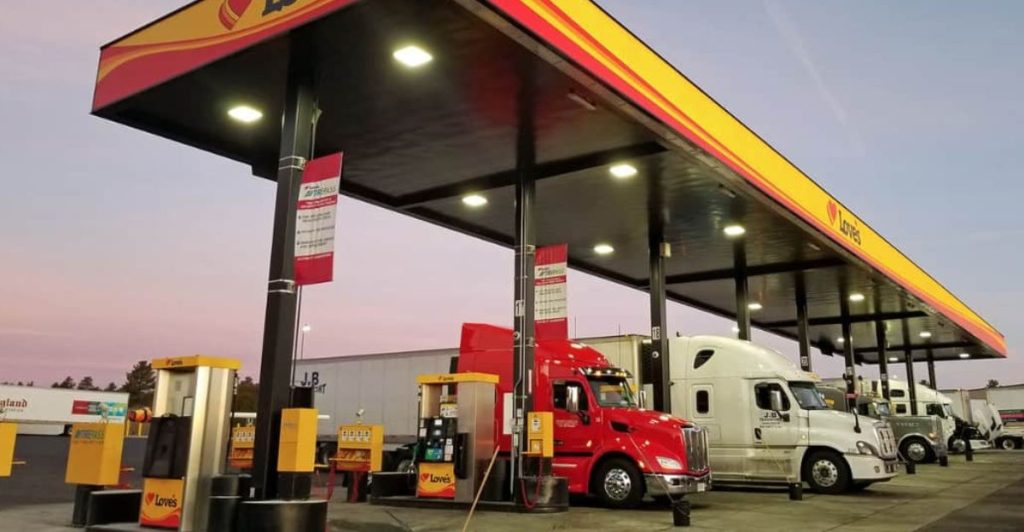
National diesel prices surged sharply between late February and early April 2026 as oil markets reacted to escalating conflict around the Strait of Hormuz. In California, average diesel prices approached all‑time highs, with statewide weekly averages topping $7.20 per gallon by late March and early April and some stations reportedly charging more than $8.
National Road Logistics served large retailers and logistics companies as a key partner for port drayage operations, hauling containers between ports and warehouses in markets like Newark, Houston, and Savannah. It had about $1.6 million in assets and more than $43 million in liabilities. No credit line could absorb a near‑50% fuel shock on that balance sheet. The company filed the day before some of the worst price spikes hit the West Coast, already effectively dead before the killing blow landed.
Trapped Between Giants
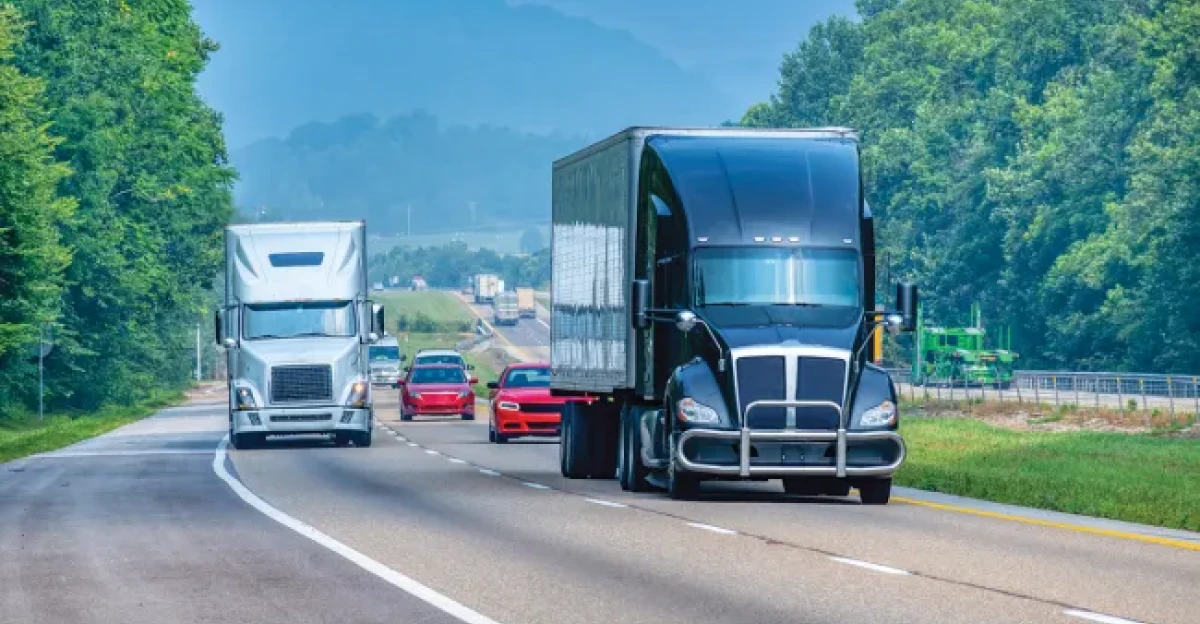
The truckload sector ran razor‑thin or negative margins in 2024, with average operating costs around $2.26 per mile as equipment, insurance, and finance costs climbed. National Road Logistics operated inside that margin while serving corporations with the leverage to enforce tight payment terms.
Nordstrom and Prologis weren’t just customers. They were major creditors holding about $17.8 million combined, roughly 41% of total debt. The company hauled freight for giants who could push risk down the chain, then appeared on the bankruptcy petition demanding repayment.
The Numbers That Kill Reorganization

Court filings state plainly that no funds will be available for distribution to unsecured creditors after administrative expenses are paid. Approximately $7.5 million in secured claims sit ahead of about $36.2 million in unsecured claims.
After bankruptcy attorneys and administrative costs consume the $1.6 million in assets, unsecured creditors collect nothing. Nordstrom’s $9.5 million claim, Prologis’ $8.3 million, Sunshine Distribution’s $14.5 million: all effectively zeroed out. Chapter 11 was filed as a reorganization. The math says liquidation wearing a different name.
The Ripple Hits the Ports
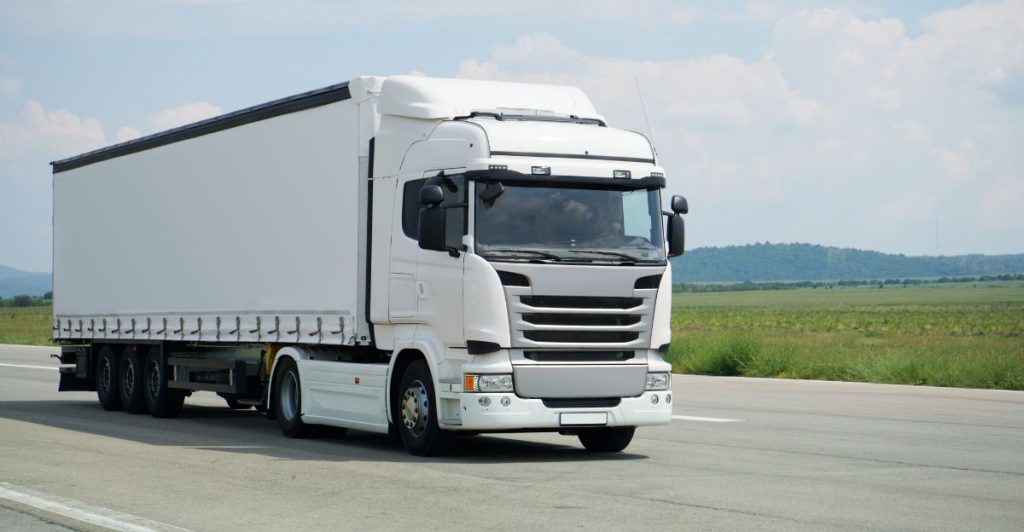
National Road Logistics provided drayage in Newark, Houston, and Savannah, according to its own materials. Those routes now need alternate carriers during peak spring shipping season. Replacement capacity won’t come cheap.
National dry‑van and intermodal spot rates remain well below their 2021 peak, hovering near $2 per mile, but emergency reallocation typically commands 5 to 15% premiums when capacity is tight. Equipment lessors like Milestone and McKinney face total losses on a combined $7.6 million in claims. Smaller logistics equipment financiers holding similar carrier exposures face cascading default risk next as more borrowers fail.
The New Rule for American Trucking
More than 7,000 trucking businesses exited in a single month during spring 2025, the highest monthly exit rate in over a year. Commercial auto liability insurance has struggled with underwriting losses for years as verdicts and claim severity climbed.
So‑called nuclear verdicts against carriers increased roughly 200–235% since 2012, with median awards reaching into the tens of millions of dollars and estimates around $36 million in some industry analyses. National Road Logistics isn’t an outlier. It’s the template. Undercapitalized carriers get squeezed by fuel costs, crushed by insurance, and abandoned by customers who enforce payment terms that guarantee insolvency. Once you see the funnel, every small carrier looks like the next filing.
The Strait That Lit the Fuse

The Strait of Hormuz closure and military escalation beginning February 28, 2026, removed a significant portion of global oil supply from the market, with estimates around 20% of seaborne oil flows at risk. Dallas Fed projections placed WTI crude between about $98 and $132 per barrel under scenarios of sustained disruption.
That geopolitical shock drove the diesel spike that helped break National Road Logistics and will keep fuel costs elevated through at least Q2. U.S. trucking employment already sits near its lowest level since late 2020 as capacity exits the market. If diesel holds above $6 per gallon nationally for an extended period, the carrier failure rate could accelerate from around 1 to 2% of industry capacity monthly toward 3 to 5%, according to industry risk assessments.
Who Pays When the Capillaries Burst
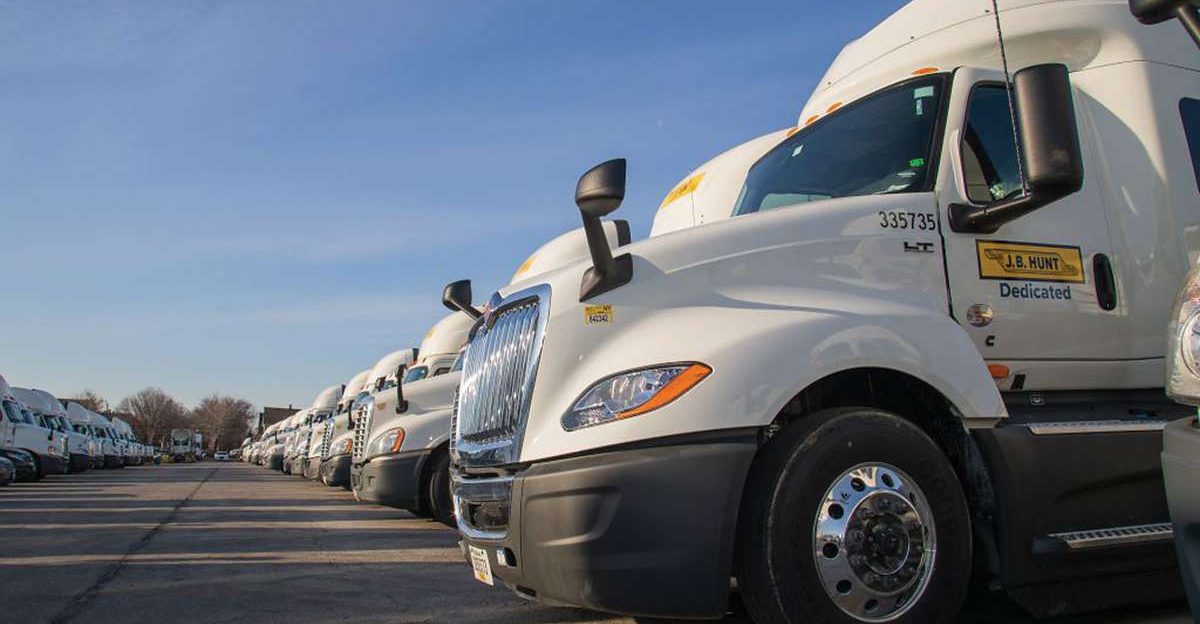
Nordstrom and Prologis will likely negotiate captive logistics solutions or exclusive contracts with major carriers like J.B. Hunt and Werner, the same consolidators acquiring bankrupt competitors’ routes at pennies on the dollar. Surviving carriers raise rates. Retailers absorb costs or pass them to consumers.
That’s the system now: large players consolidate, small players vanish, and shipping costs climb until they show up on a grocery receipt. Anyone who understood the bifurcation of the freight market six months ago saw this coming. The rest of the country is about to feel it at checkout.
Sources:
TheStreet – National trucking and logistics firm files Chapter 11 bankruptcy – 2026-04-08
What Now – A Regional Logistics Provider Enters Chapter 11 Amid Financial Strain – 2026-04-07
Bondoro – Filing Alert: National Road Logistics Chapter 11 – 2026-04-06
Dallas Fed – What the closure of the Strait of Hormuz means for the global economy – 2026-03-19
CCJ / ATRI – ATRI Report: Trucking Nuclear Verdicts & Litigation Costs Surge – 2025-12-02
Factoring Magazine – Carrier & Broker Failures in 2024–2025 and Why 2026 May Bring One Last Wave – 2026-01-20