Nissan’s Massive SUV Crisis Deepens As 1.1M ‘Proven’ Engines Recalled—20,000 Jobs Cut
Nissan is recalling 642,698 Rogue SUVs, representing $19.3 billion in consumer-owned vehicles, for VC-Turbo engine defects that can cause fires or sudden power loss. The February 2026 recall expands an earlier campaign to 1.1 million vehicles. It coincides with Nissan’s largest restructuring since 2009, including 20,000 job cuts and seven plant closures. NHTSA reports 690 bearing seizure warranty claims and 3,111 throttle body failures. Owner notifications begin March 27, leaving hundreds of thousands exposed on the road. The size of the recall suggests challenges that extend beyond engineering.
Two Defects Create Immediate Danger

The recall addresses two separate VC-Turbo failures. First, 323,917 Rogues from 2023-2025 risk bearing degradation, hot oil discharge, and potential fires. Second, 318,781 Rogues from 2024-2025 face electronic throttle body gear fractures that can lock vehicles. Both defects originate in Nissan’s 1.5-liter three-cylinder VC-Turbo engine, marketed as “a proven record of power and efficiency.” CBS News reported 690 bearing seizure claims and 3,111 throttle failures on February 18, 2026. Engines are failing in driveways. The defects raise questions about the company’s quality processes and recall timing.
Repeating Recall Highlights Broader Problem
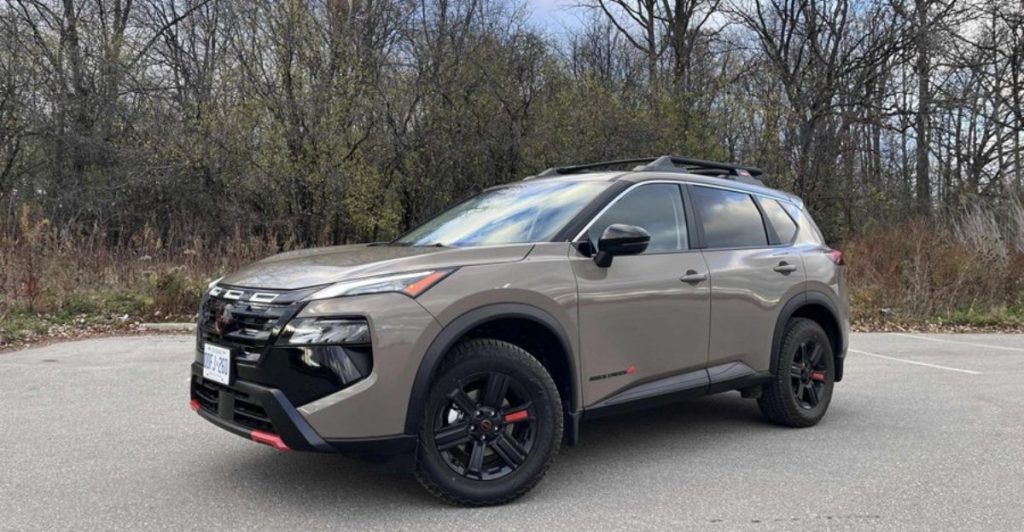
Nissan recalled 443,899 vehicles in June 2025 for bearing defects. Production countermeasures in October 2025 did not resolve the issues. February 2026 recall expands the campaign to a total of 1,086,597 vehicles, effectively 1.1 million engines in under nine months. NHTSA confirmed “additional incidents post-countermeasure of bearing seizure.” The repeated recall exposes production flaws and undermines Nissan’s claim that the VC-Turbo engine is “proven.” Analysts and owners are evaluating whether innovation or execution caused the crisis. The cumulative impact signals mounting pressure for both field repairs and corporate accountability.
Owners Report Alarming Failures

NHTSA complaint records describe sudden engine failures. A 2023 Rogue owner said: “As I was accelerating to merge onto the tollway from 45 mph to 70 mph, white smoke started coming from the exhaust and the engine started to severely knock. I had to pull over and stop driving.” Another driver lost all power on Interstate 5 at night and had to stop on the shoulder. Throttle gear fractures occur when ECM software repeatedly contacts the mechanical stopper, jamming the valve. Drivers face dangerous conditions while Nissan works on recalls.
Delay In Owner Notifications
Dealers received recall notifications on February 19, 2026, while owner letters arrive March 27, creating a 36-day notification gap. NHTSA estimates only 0.6% of vehicles will need full engine replacement; 99.4% will receive inspections and software updates. Free repairs include ECM reprogramming, diagnostic testing, and a 10-year/120,000-mile warranty extension. Scheduling for 642,698 vehicles could take 8-16 weeks. Nissan is coordinating with dealers to accelerate repairs. The timing and scale of service requirements expose vulnerabilities in both operations and customer risk management, particularly given the widespread presence of affected vehicles.
Financial Pressure Intensifies Risks
Operating profit fell 90% in the first half of fiscal year 2024, prompting the most aggressive cost reduction since 2009, WardsAuto reported. Nissan cut 9,000 jobs in November 2024 and announced another 11,000 plus seven plant closures in May 2025. Total workforce reductions reach 20,000 globally, aiming to save $3.4 billion. A proposed merger with Honda collapsed while VC-Turbo defects were emerging. Rubber World reported May 13, 2025, that 40% of manufacturing capacity will close. Nissan now faces recalls, restructuring, and capacity shortages simultaneously, challenging both production and repair speed.
Consumer Vehicles Represent Massive Exposure
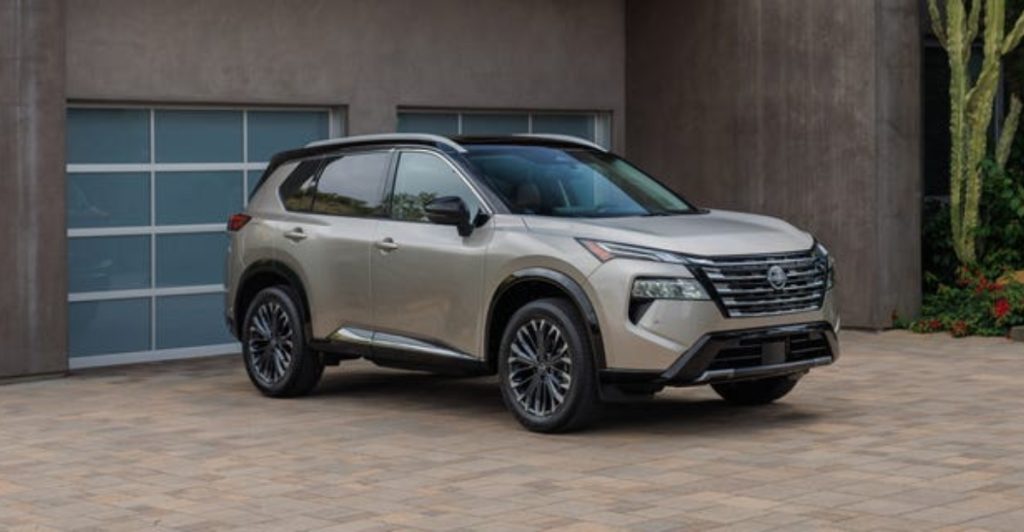
The recalled Rogues retail from $27,360 to $40,200 depending on model year and trim, totaling an estimated $19.3 billion in consumer-owned vehicles. Direct recall costs are $100-150 million, but resale value and reputation may carry far greater losses. Used Rogue values may fall 8-15% due to defect stigma. Insurance companies may be raising claim reserves. ClassAction.org reports lawsuits consolidating around VC-Turbo technology. NHTSA investigations date to December 13, 2023, when engine knock and metal shavings were first reported. Recovering trust will require successful recall execution and sustained quality improvements. Owners remain cautious as inspections and repairs are scheduled.
Engineering Complexity Exceeded Production
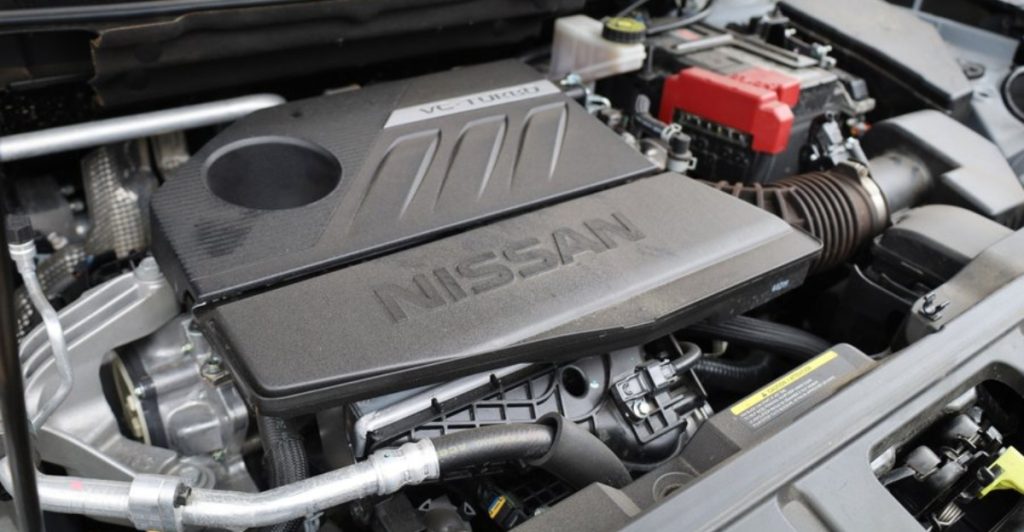
The VC-Turbo engine uses a multi-link variable compression system adjusting piston stroke between 8:1 and 14:1. Manufacturing tolerances were inconsistent, producing bearing defects in main, A-link, C-link, and L-link components, Motor Illustrated reported February 19, 2026. Throttle body failures came from ECM software updates in 2024 untested against mechanical design. NHTSA reported the first throttle failure February 27, 2025, with 3,111 claims following seven months. Breakthrough engineering without execution created fragility. Decades of development produced advanced technology that mass production could not sustain, leaving Nissan with a defect crisis spanning millions of vehicles.
Recall Steps For Owners
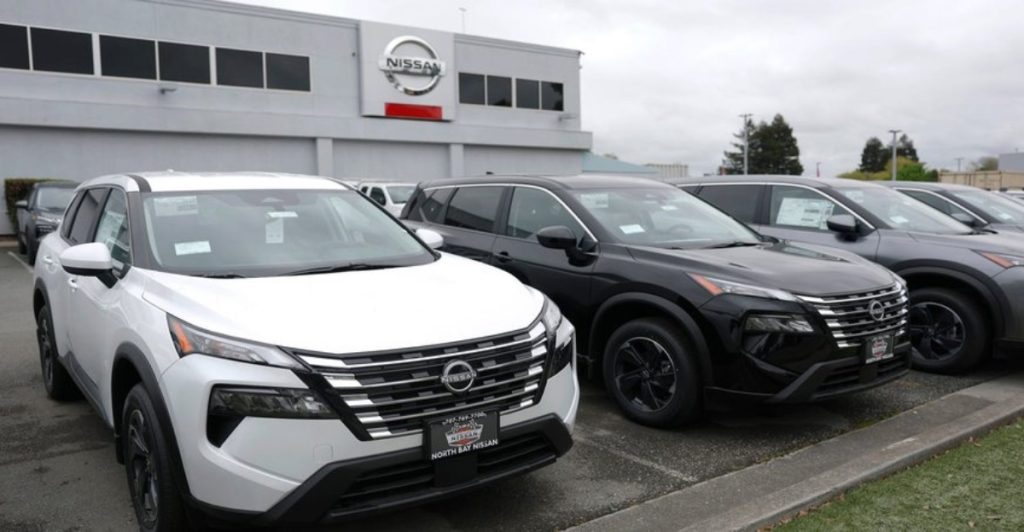
Recall notices arrive around March 27, 2026, under campaigns R25E2 for bearing defects or R25E3 for throttle defects. Owners should contact Nissan at 1-800-867-7669 or visit nissanusa.com/recalls to verify VIN eligibility. Dealers will provide inspections, ECM reprogramming, diagnostics, and part replacement at no cost. Vehicles should remain parked outdoors until repairs are complete because of fire risk. Nissan extended warranties to 10 years/120,000 miles. Just a few days ago, CarBuzz reported that Nissan faces ongoing challenges managing VC-Turbo failures while owners prepare for service appointments over the coming months.
The Recall Reveals Strategic Failures
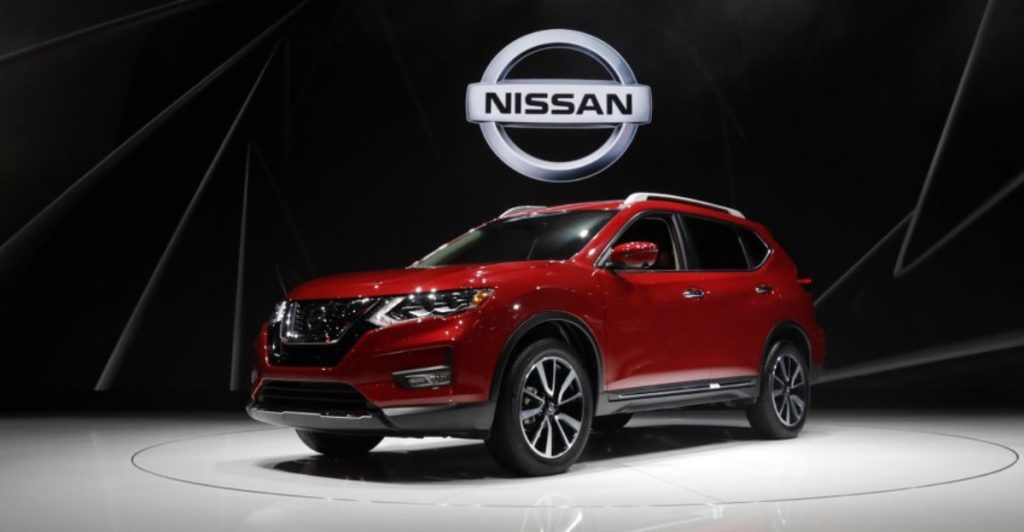
The VC-Turbo recall shows that complexity without consistent production creates breakdowns. Nissan invested billions in engines it could not reliably produce, then cut 20,000 jobs during a period that required quality oversight. The 1.1 million recalled vehicles highlight a combination of engineering ambition and strategic misjudgment. Competitors are promoting proven powertrains while Nissan manages recalls and repair scheduling. Revolutionary engineering fails when production cannot meet specifications. For 642,698 Rogue owners receiving notices this spring, the consequences are immediate and tangible, underscoring the risks of innovation without operational discipline.
If you enjoyed this article please like and follow us here on MSN! Thank you for reading and have a great day!
Sources:
Nissan recalls nearly 643,000 vehicles over engine and transmission risks. CBS News, Feb. 18, 2026
Part 573 Safety Recall Report 26V080. NHTSA, Feb. 20, 2026
Part 573 Safety Recall Report 25V437. NHTSA, Jun. 26, 2025
Nissan recalls 444K vehicles for engine failures. WardsAuto, Feb. 18, 2026
Nissan announces major global restructuring: 20,000 jobs cut, 7 plants to close. Rubber World, May 13, 2025
Rogue’s Tiny Turbo Could Seize, So Nissan Calls Them All Back. CarBuzz, Feb. 19, 2026