Nissan Recalls 444,000 SUVs And Sedans After Engines Start Failing Across America
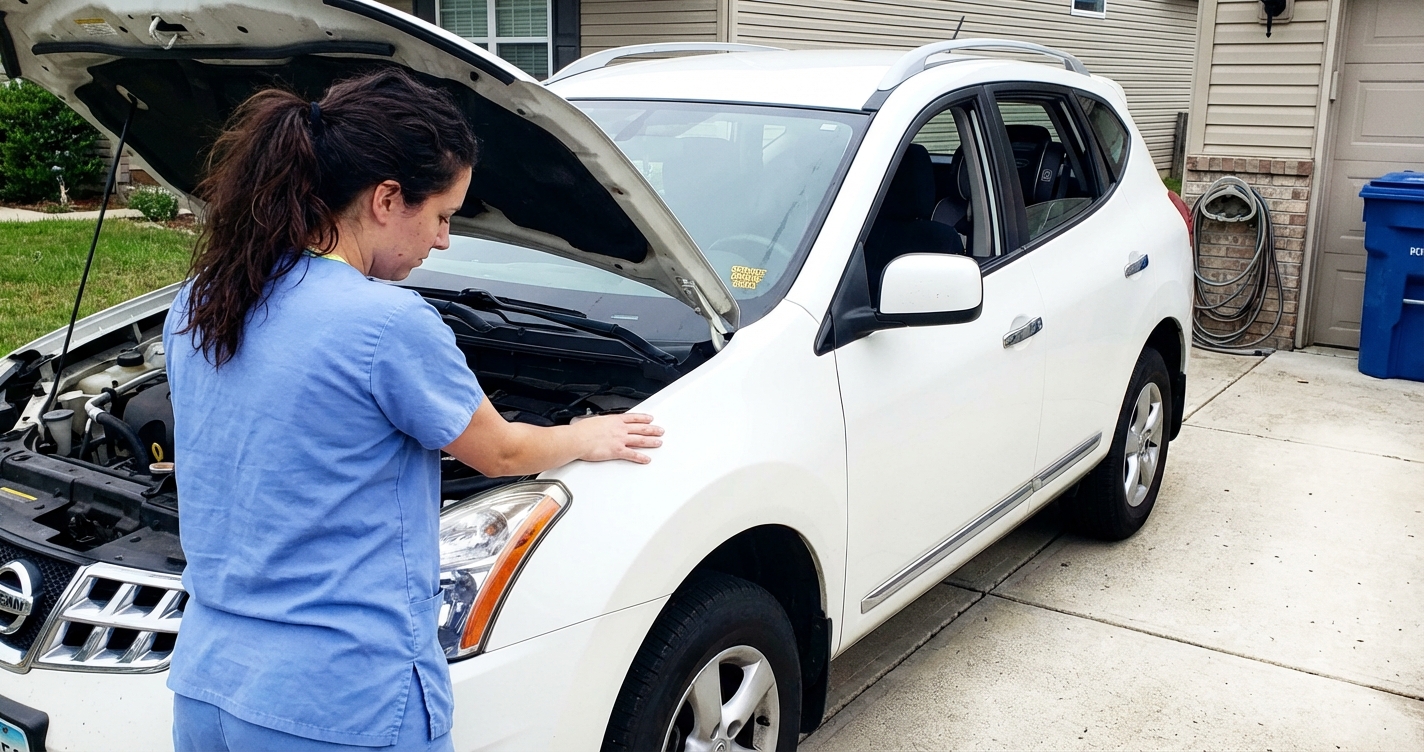
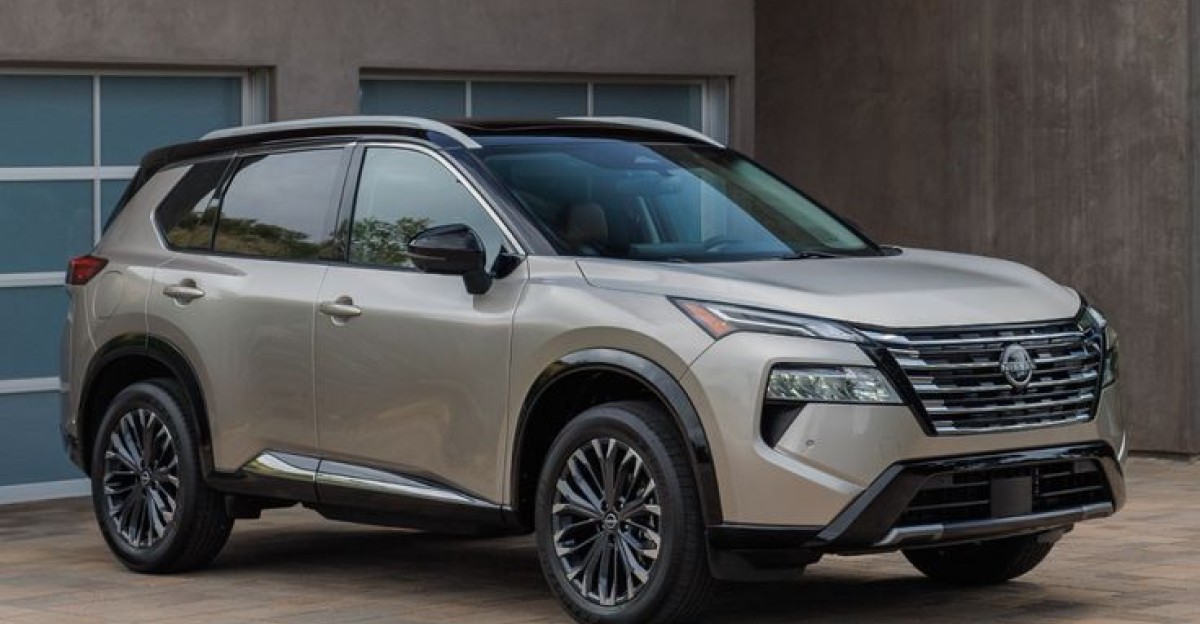
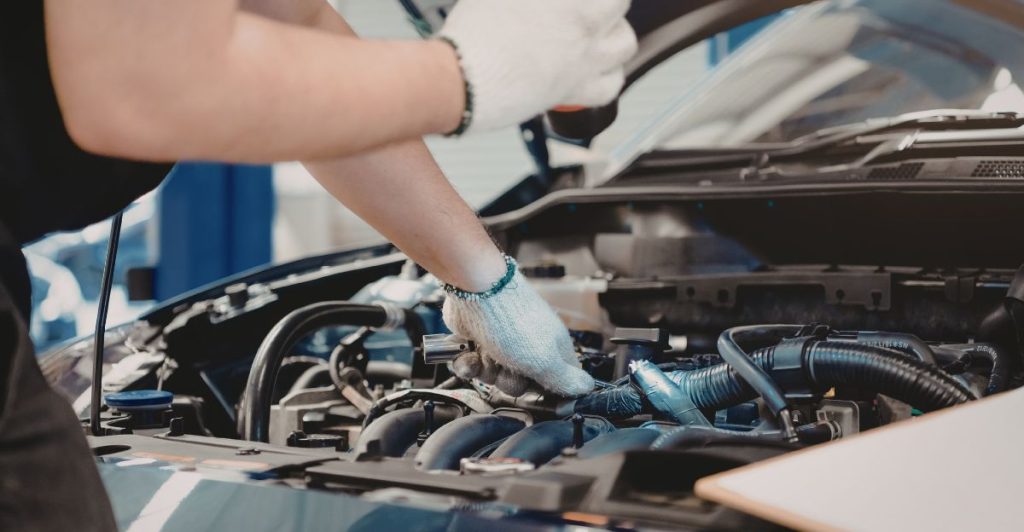
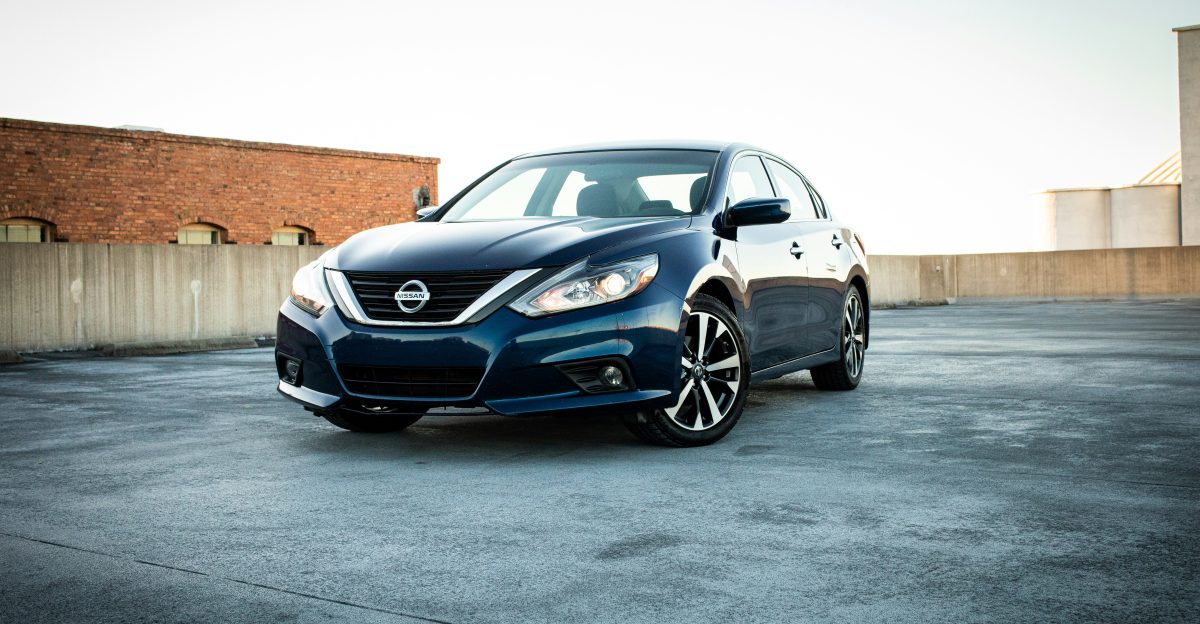
Somewhere on a highway right now, a Nissan owner is merging into traffic with no idea their engine carries a defect flagged by federal regulators. No warning light. No dealer call yet. Just a vehicle rolling on faith that everything under the hood works the way it should. The recall covers roughly 444,000 vehicles nationwide, spanning the Rogue, Altima, QX50, and QX55. That number alone suggests a formal NHTSA campaign. Four models, one engine problem, and a parts pipeline already under pressure. In plain terms, certain VC‑Turbo engines in these vehicles can suffer premature bearing wear and internal damage, which can lead to sudden loss of power or complete engine failure while driving.
Family Exposure
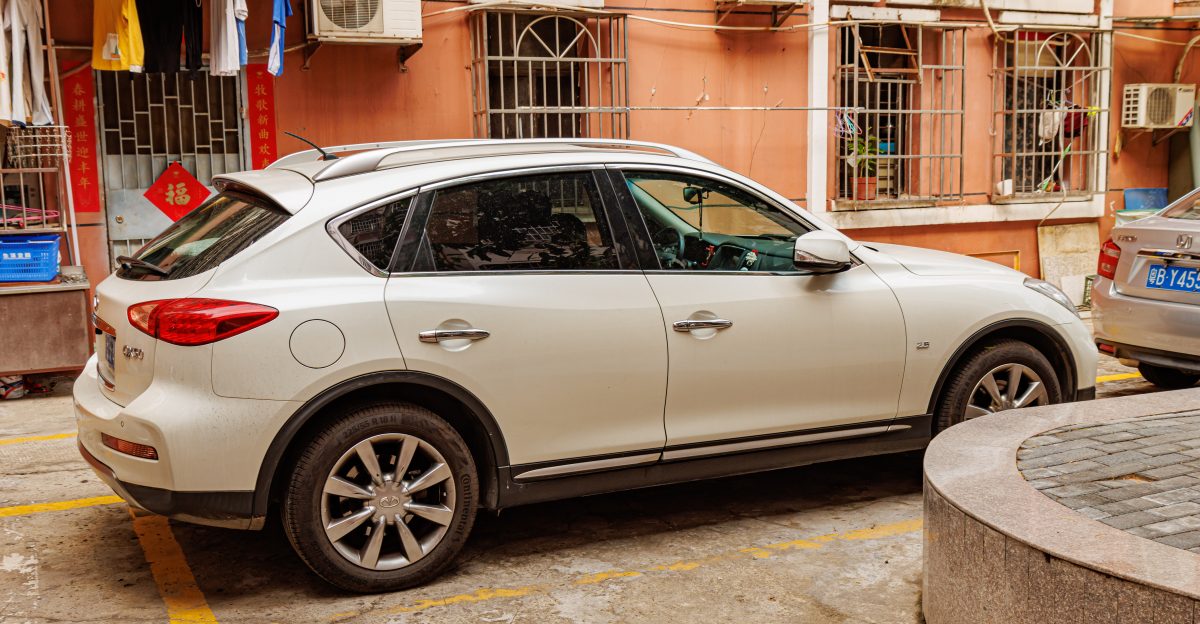
Picture losing engine power on the highway with kids in the back seat. That fear is exactly why engine-related recalls hit differently than a faulty door latch or a software glitch. The defect tied to this campaign poses a safety risk serious enough that NHTSA’s system flagged it for nationwide action. Owners of affected Rogues and Altimas share driveways with Infiniti QX50 and QX55 owners who face the same problem. The scope crosses brand lines, which means the repair bottleneck crosses them too.
Myth Cracks

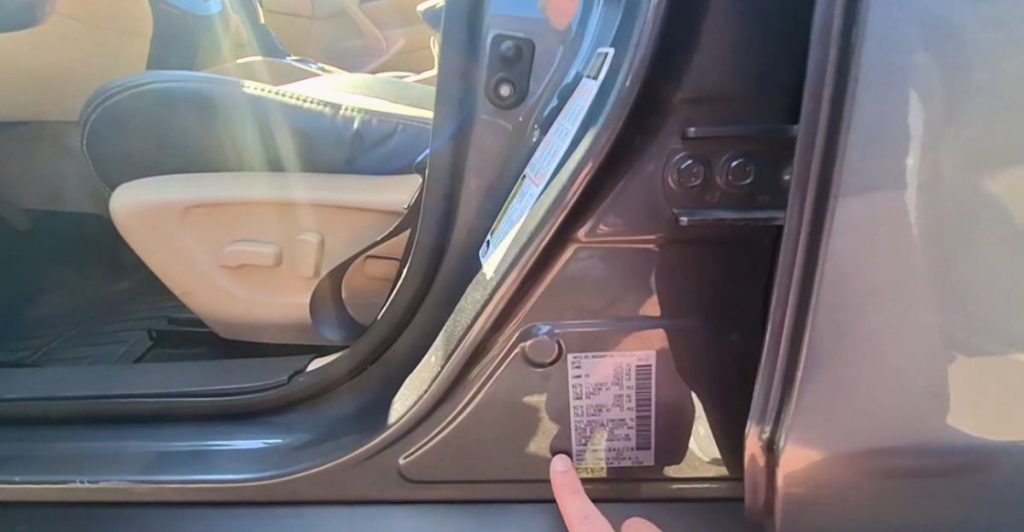
Most people hear “recall” and assume the problem is already solved. Free fix, dealer handles it, move on. That assumption is comfortable and completely wrong. A recall announcement is paperwork. The actual repair requires parts on shelves, technicians with open bays, and a scheduling system that can absorb hundreds of thousands of owners flooding in at once. Nissan and Infiniti both offer VIN lookup tools on their websites, so verification takes minutes. The repair itself? That timeline belongs to the supply chain.
The Real Defect
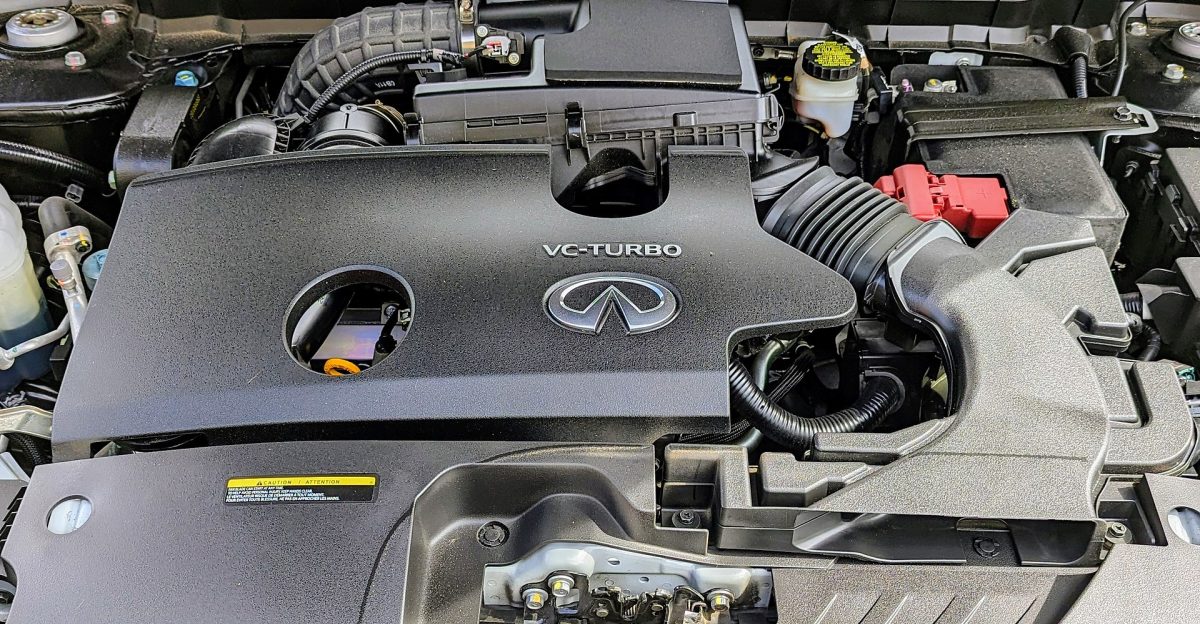
The 443,899 figure is precise enough to confirm a formal recall population, not a rumor. Owners can verify through NHTSA’s public database by VIN. The engine defect creates a malfunction risk that regulators considered serious enough to mandate a manufacturer-paid remedy. In technical language, faulty internal bearings in the VC‑Turbo engines can break down, damaging the engine and causing loss of motive power or full engine failure on the road. Four models. One pipeline. Nearly half a million vehicles are competing for the same dealer appointments and the same replacement parts. That compression is the story nobody’s covering. The recall announcement protects you legally. The repair timeline determines whether it protects you physically.
Bottleneck Mechanics
Think of it like a free roof replacement after a construction defect. The promise is real. You still live under tarps for weeks. The remedy pathway runs through dealer networks and parts supply chains, and both have finite capacity. Every Rogue owner who checks their VIN and calls the dealer enters the same queue as every QX55 owner doing the same thing. Dealer service bays become the choke point during large campaigns. The bigger the recall population, the longer the wait, and 444,000 is enormous.
Numbers Bite
Approximately 443,899 households could be affected, assuming one vehicle per owner. That is not a niche problem. NHTSA’s system provides VIN-level verification, meaning any owner in America can confirm their status in minutes. But confirmation and resolution are two different things. Consumer guidance outlets consistently warn that recall completion depends on parts availability and dealer scheduling capacity. The gap between “your car qualifies” and “your car is fixed” can stretch weeks. For owners who depend on that vehicle daily, weeks feel like months.
Ripple Cost
The immediate consequence is predictable: owners flood VIN lookup tools, then flood dealer phone lines. Service departments built for routine maintenance absorb a sudden spike of recall appointments. Parts inventories designed for normal failure rates face demand from a campaign-sized population. Major recalls routinely become material business stories covered by financial media, affecting investor and consumer sentiment alike. Nissan absorbs the repair cost. Owners absorb the downtime. And anyone needing immediate transportation while their car sits at the dealer absorbs the most.
New Rule
This recall reinforces something that should change how every car owner operates: VIN-based self-verification is the fastest consumer truth-check available. Not a YouTube video. Not a neighbor’s theory. A 17-character string typed into NHTSA’s database. Once you see the system clearly, the pattern becomes obvious. The headline is always step one. The bottleneck is always repair capacity and timing. That gap between announcement and completion is where owners actually get hurt, and no recall letter warns you about it.
Escalation Ahead
If parts supply tightens, the backlog grows, and frustration compounds. Owners who verified early and scheduled fast get repaired. Owners who waited face longer queues, fewer available parts, and mounting anxiety every time they turn the ignition. The escalation path is mechanical: constrained supply plus growing demand equals longer wait times and angrier owners. Nissan’s countermove will likely involve expanding parts production, extending dealer hours, and phasing out owner notifications to manage the flood. Whether that happens fast enough is the open question.
Your Move
The person who runs their VIN tonight through NHTSA or Nissan’s own portal knows more than 90% of the owners still scrolling past headlines. That is the status upgrade: from anxious bystander to informed operator. Check nissanusa.com, infinitiusa.com, or nhtsa.gov. The recall is free. The repair is promised. The timeline belongs to whoever controls the parts. And right now, nearly half a million owners are about to discover that “free” and “fast” have never been the same thing.
Sources:
“Part 573 Safety Recall Report, NHTSA Campaign No. 25V437 (Engine and Engine Cooling: Internal Mechanical Defect).” National Highway Traffic Safety Administration, 26 Jun 2025.
“Nissan and Infiniti Cars, SUVs Recalled for Engine Failure.” Consumer Reports, 1 Jul 2025.
“Nissan to Recall Over 443,000 U.S. Vehicles Citing Engine Failure.” Reuters, 2 Jul 2025.
“Nissan and Infiniti Recall Over 400,000 Vehicles in the U.S. for Potential VC‑Turbo Engine Failure.” MotorTrend, 8 Jul 2025.