NHTSA Puts 3.2M Teslas Under Rare FSD Probe As 9 Crashes Flag ‘Blind’ Cameras
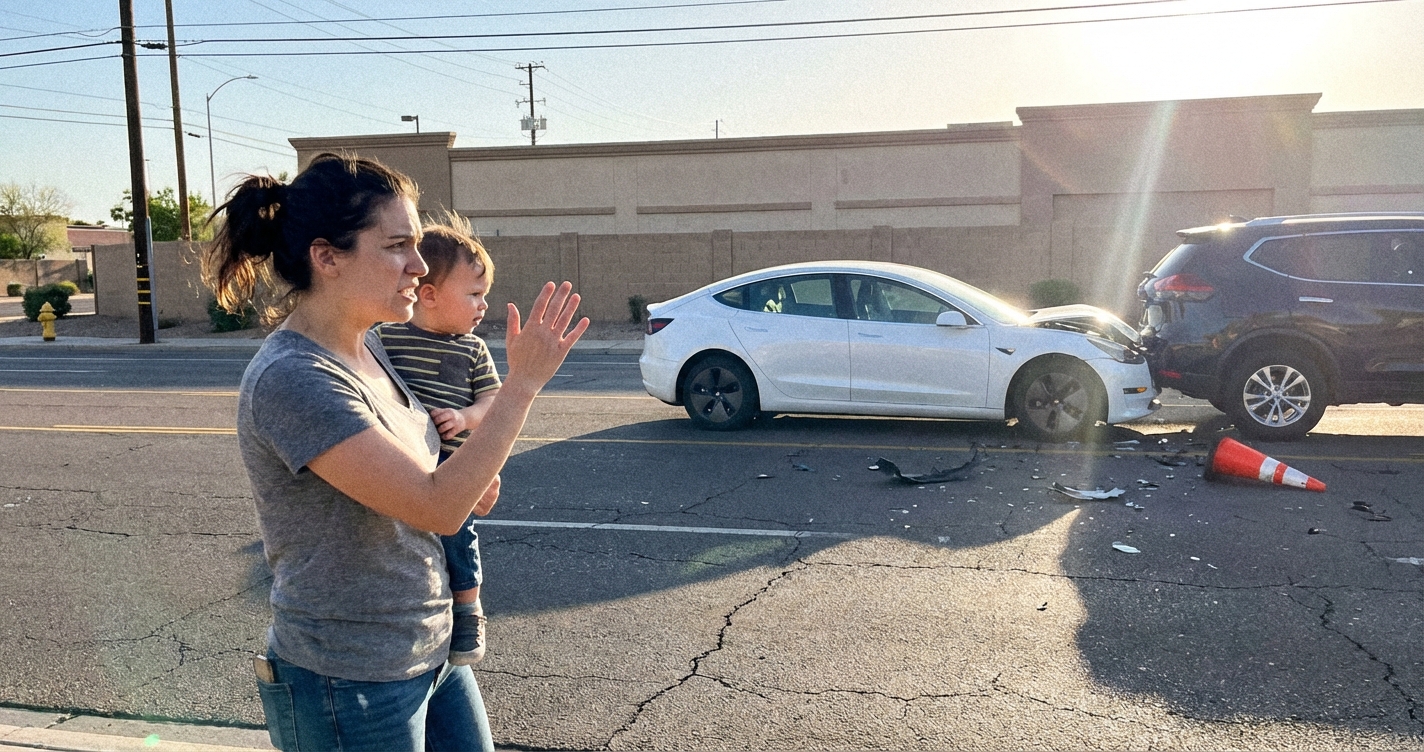
On March 19, 2026, U.S. safety regulators expanded a probe into Tesla’s Full Self-Driving system to 3.2 million vehicles after at least 9 crashes in fog, glare, and dust raised concerns about camera-based perception. The National Highway Traffic Safety Administration escalated the case to an Engineering Analysis, allowing deeper technical demands and testing. Investigators are now examining how the system performs in everyday low-visibility conditions, placing Tesla under federal scrutiny and setting up a high-stakes review that could shape how software-driven safety is regulated across the auto industry
From Review To Formal Investigation
The National Highway Traffic Safety Administration escalated its review into a formal Engineering Analysis. This step allows regulators to demand detailed technical data, including internal logs and system performance records. It marks a shift from observation to active investigation. The agency took this action after early findings suggested visibility-related risks deserved closer examination. This stage carries more weight because it opens the door to defect determinations. The decision to escalate reflects growing concern about how the system behaves under real-world stress conditions
Millions Now Fall Under Scrutiny
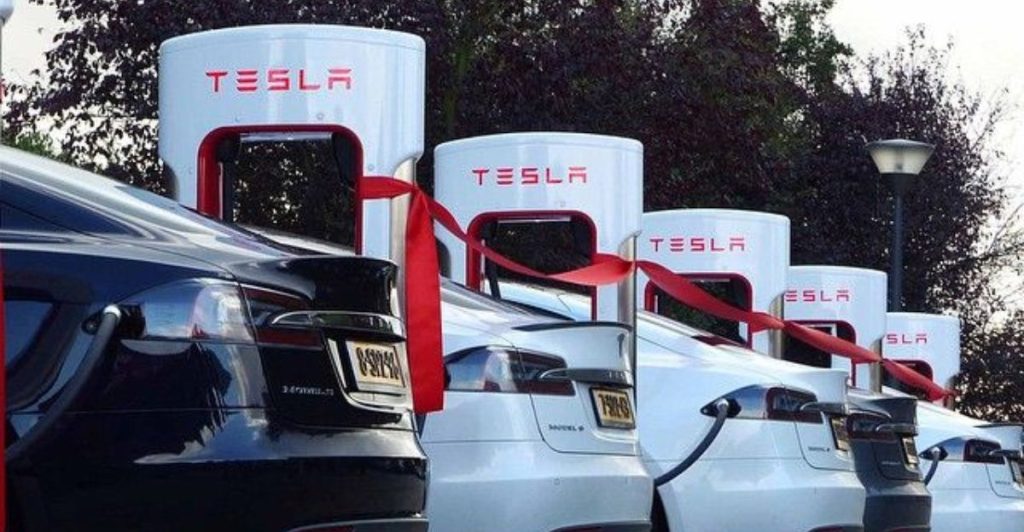
The Engineering Analysis now covers about 3.2 million Tesla vehicles equipped with Full Self-Driving Supervised across multiple model years. This wide scope reflects how software updates reach the entire fleet at once. A single issue can affect every vehicle running the same code. That scale changes how regulators assess risk. Instead of isolated icidents, the focus shifts to system-wide behavior. The investigation now carries national reach, placing millions of drivers and daily commutes within its scope as regulators build a clearer picture of potential exposure
The Step That Shapes Outcomes
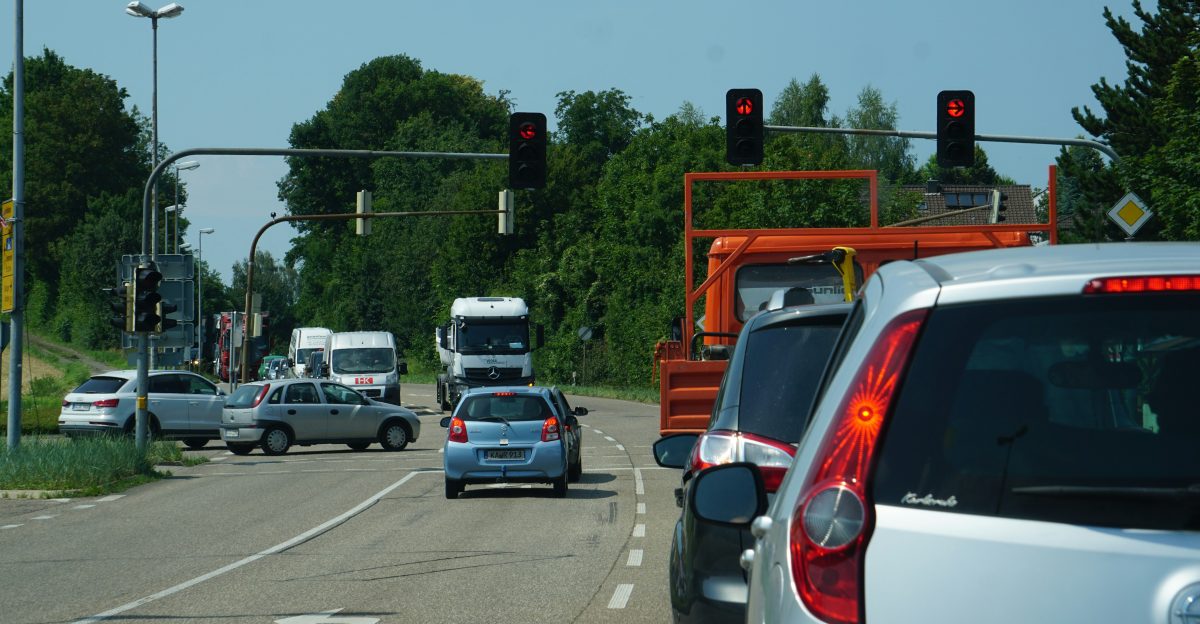
Engineering Analysis is the stage where regulators begin forming conclusions based on evidence. On March 19, 2026, investigators targeted system performance in fog, glare, and airborne dust. These conditions appear frequently on U.S. roads and test how well camera-based systems adapt. Regulators can now request expanded datasets and conduct independent evaluations. This process can lead to defect findings and required remedies. The focus remains on whether the system maintains reliability when visibility drops, a question that now carries weight for millions of vehicles nationwide
Cameras Under Pressure
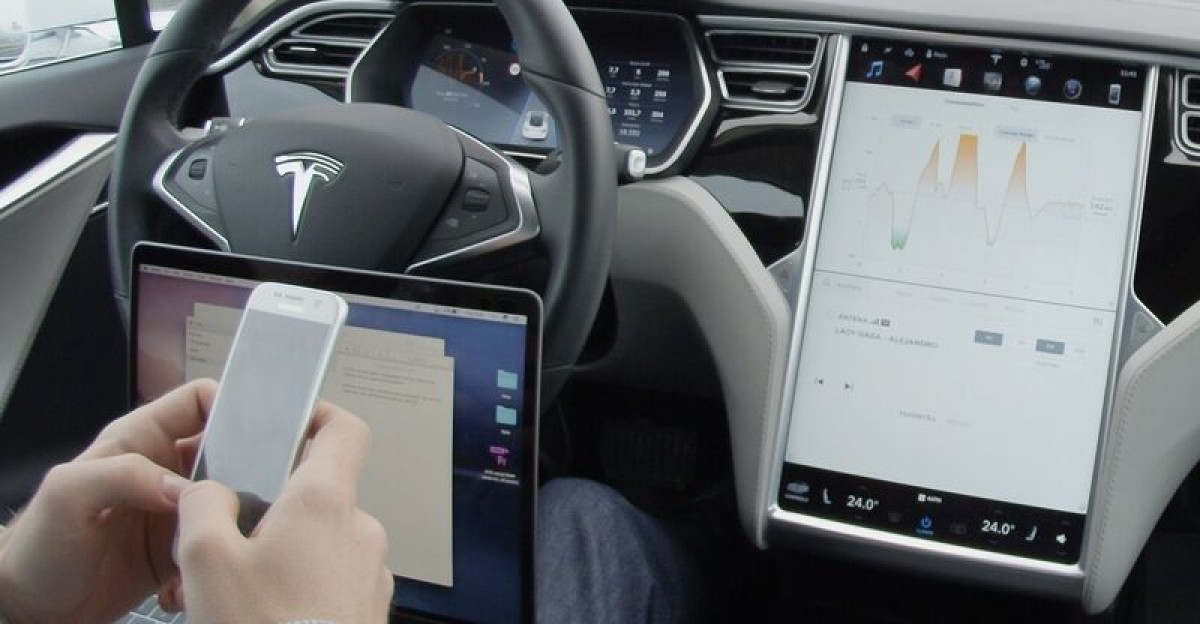
The investigation centers on how Tesla’s camera-based system interprets the road when visibility declines. Regulators are reviewing system logs, response timing, and how the supervised driving model performs under stress. Following the March 18, 2026 escalation to an Engineering Analysis, attention shifted to whether perception accuracy holds steady in degraded conditions. The issue extends beyond isolated crashes and looks at broader system behavior. If cameras struggle in common scenarios, it raises concerns about consistency. That concern drives the next phase of analysis as investigators examine how perception holds up across millions of real-world miles
Software Fixes At National Scale
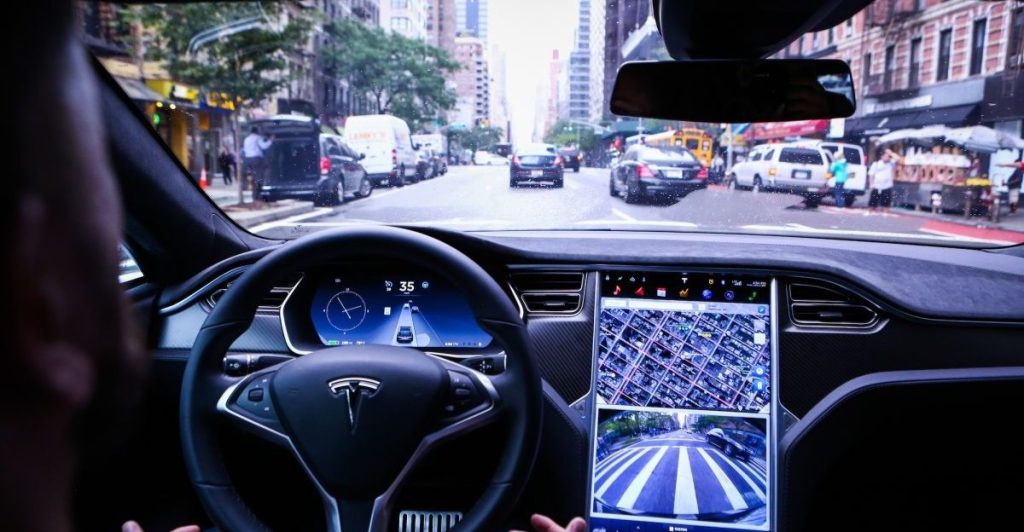
Regulators now treat software updates as valid recall remedies, and that changes how safety actions unfold. This framework became central to the Tesla probe. A single over-the-air update can reach millions of vehicles without dealership visits. That speed compresses response timelines and increases accountability. Regulators can require changes that take effect almost immediately across the fleet. This capability reshapes how investigations translate into action, and it raises expectations for how quickly companies must respond once risks are identified through formal analysis
Pressure Spreads Across Industry
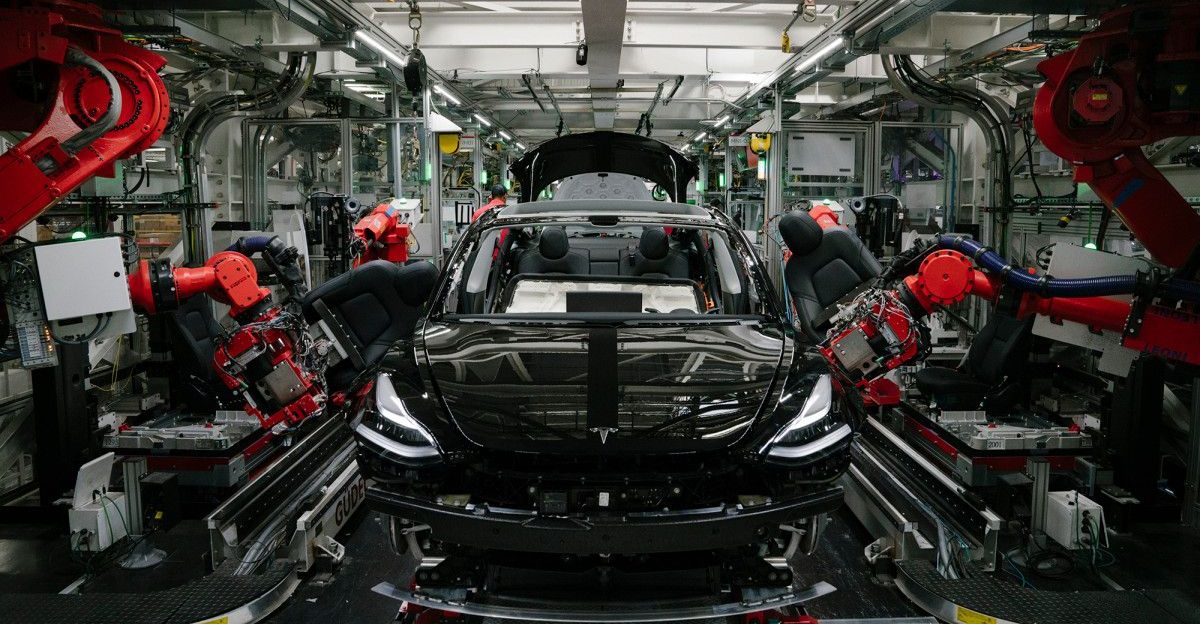
The March 2026 probe extends beyond Tesla and signals a broader shift for the automotive sector. Manufacturers offering advanced driver-assist systems now face closer examination of how their technologies perform in everyday conditions. Regulators may begin treating visibility challenges as standard safety benchmarks. This could influence testing standards, marketing claims, and system design. Drivers who rely on automation during poor visibility conditions now face increased awareness of potential risks. The ripple effect of this investigation continues to expand as regulators refine expectations for performance
A Shift In Safety Expectations
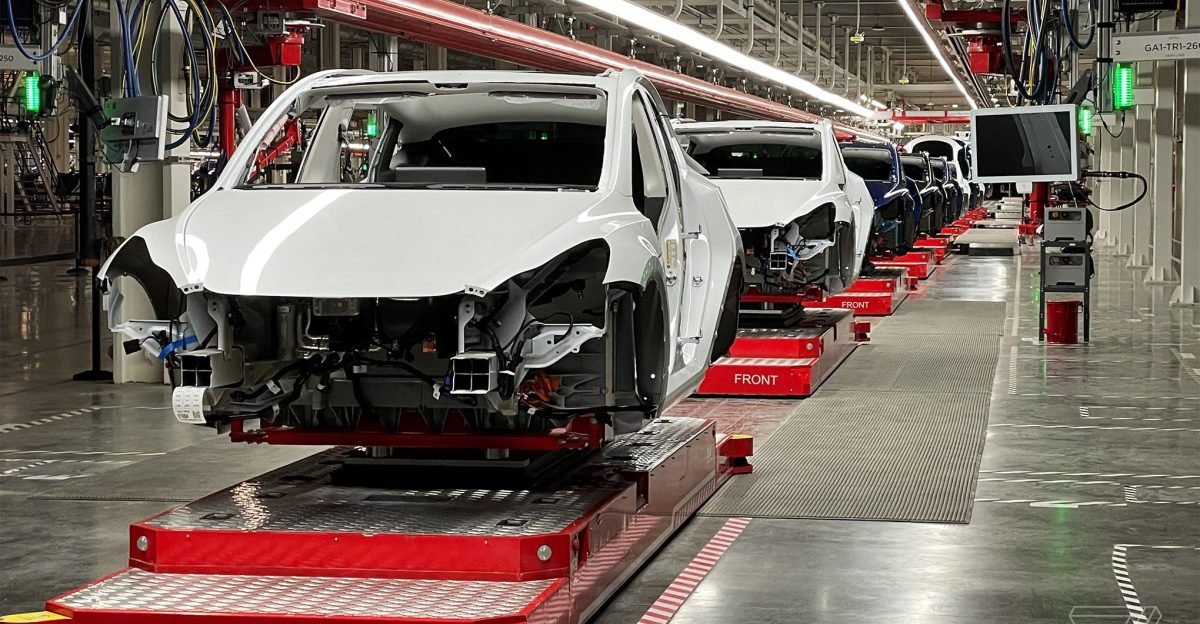
Regulators are redefining how software performance is evaluated in vehicles. The focus moved toward measurable results in common driving conditions rather than isolated edge cases. Software now stands as a core safety component subject to regulatory oversight. This shift places pressure on automakers to demonstrate consistent performance across varying environments. The investigation signals a change in how authorities approach vehicle safety in the software era. That evolving standard will influence how future systems are tested, validated, and approved before reaching public roads
The Road Ahead For Tesla
The investigation now enters a phase of detailed analysis, including formal data requests and technical review. Regulators will evaluate whether a defect exists and determine possible remedies. Tesla may respond with software updates, revised system limits, or additional warnings. The timeline remains active, with outcomes depending on findings gathered throughout 2026. This process places the company under regulatory pressure while leaving room for voluntary adjustments. Each step moves closer to a decision that could affect how the system operates across millions of vehicles
What It Means For Daily Driving
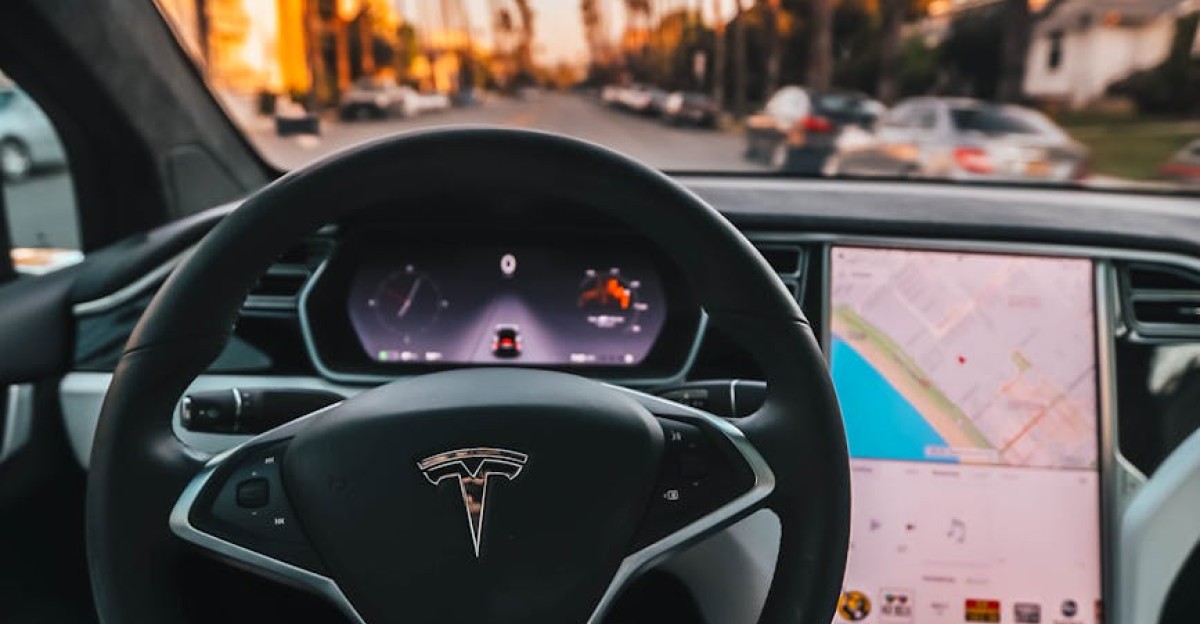
For drivers, the outcome of this March 2026 investigation connects directly to everyday conditions like fog, glare, and dust. These situations occur regularly and test how systems respond in real time. With 3.2 million vehicles included, the findings will carry wide impact. Regulators are assessing whether current technology meets safety expectations under these conditions. The results could influence how drivers use automated features moving forward. The broader question now centers on whether software performance aligns with the realities drivers face each day on the road
Sources:
NHTSA Elevates Tesla FSD Probe To Engineering Analysis. CleanTechnica, March 19, 2026
US agency upgrades probe into 3.2 million Tesla vehicles over FSD crashes. Reuters, March 19, 2026
NHTSA Upgrades Probe into 3.2M Teslas Over Self-Driving Crashes. Insurance Journal, March 19, 2026
Tesla is one step away from having to recall FSD in NHTSA visibility investigation covering 3.2 million vehicles. Electrek, March 19, 2026
Tesla’s Full Self-Driving is on the cusp of a recall. The Verge, March 19, 2026
NHTSA Escalates Probe into Tesla FSD over Visibility Concerns. Autoweek, March 18, 2026
Tesla faces intensifying NHTSA probe of FSD in reduced visibility. CNBC, March 19, 2026