NHTSA Investigated 2.6M Teslas For 15 Months And Found The ‘Embarrassing’ Truth About Self-Parking
NHTSA spent 15 months investigating Tesla’s Actually Smart Summon feature across 2.6 million vehicles after 159 reported parking incidents. The result? Zero injuries. Zero fatalities. Zero recalls. The federal government’s top auto safety agency closed the probe on April 3, 2026, accepting six over-the-air software updates as sufficient. As Road and Track put it, the feature “turned out to be more embarrassing than dangerous in the end.” But that regulatory stamp carries consequences nobody’s talking about yet, and they reach far beyond Tesla owners.
Why Cameras Were the Whole Bet
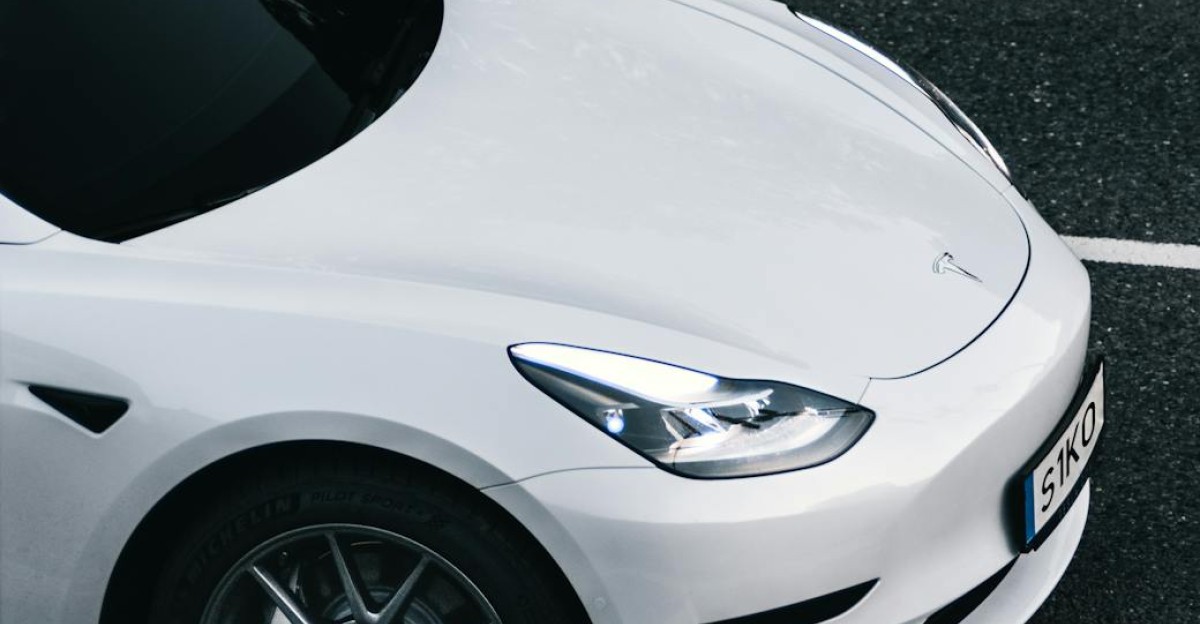
Tesla stripped radar from its vehicles in 2021. Ultrasonic sensors followed in 2022. By 2023, every Tesla ran on cameras alone. The entire auto industry said this was reckless for autonomous features. Actually Smart Summon launched in September 2024 as the first camera-only autonomous parking system deployed at scale by a major automaker. When parking lot bumps started making headlines, critics pointed to the missing sensors. NHTSA opened its probe in January 2025. What the data actually showed was a less-than-1% incident rate across millions of summon sessions. The sensor debate just got a federal answer.
What 159 Incidents Actually Looked Like
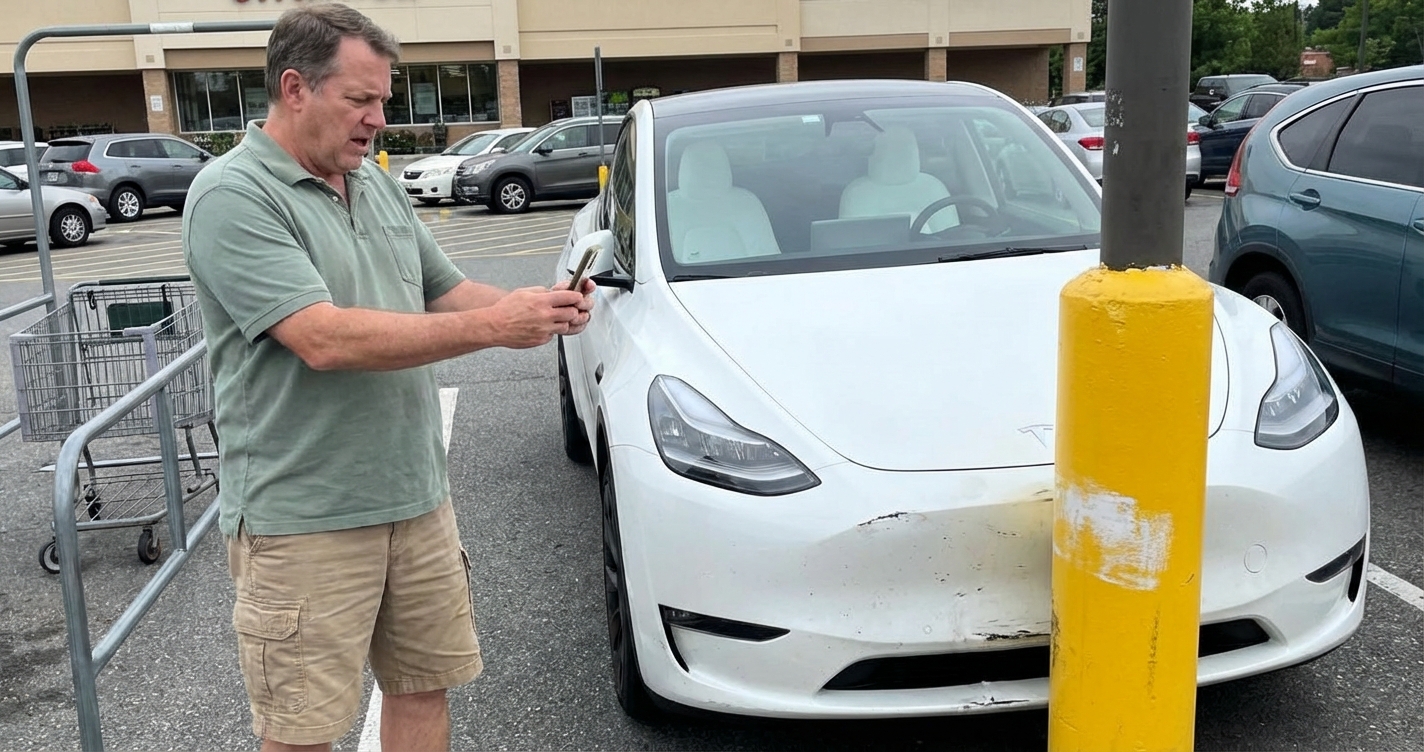
Of those 159 reported incidents, 97 involved actual crashes. Every single one happened at extremely low speeds. Cars nudged parking gates. Bumped bollards. Kissed other parked vehicles. Common failure modes included cameras blocked by snow or condensation and vehicles hesitating at garage gates. No airbags deployed. No vehicles needed towing. The property damage was cosmetic. NHTSA’s own data showed the feature’s actual safety record was dramatically better than the investigation’s scope suggested. That reframe changes how every future autonomous feature gets judged.
Tesla Patched Its Way Out of a Recall
Between January and November 2025, Tesla pushed six over-the-air software updates to the entire fleet. Camera blockage detection improved. Snow and condensation false negatives dropped. A new neural network for object detection rolled out in November. No dealership visits. No parts replaced. No owner inconvenience. Traditional automakers handle safety defects by mailing recall notices and scheduling service appointments. Tesla handled this one with code pushed wirelessly to 2.6 million cars. NHTSA accepted that approach. Every automaker with OTA capability just noticed.
The Sensor Industry Didn’t See This Coming
Bosch. Continental. Mobileye. These companies built billion-dollar businesses selling radar, lidar, and ultrasonic sensors to automakers building autonomous features. The industry orthodoxy demanded sensor redundancy for parking automation. NHTSA just closed an investigation that validated a camera-only system. Think about what that means for companies whose entire revenue model depends on automakers believing they need expensive sensor stacks. Tesla proved the cheaper approach passed federal scrutiny. The competitive pressure to strip sensors and cut costs just got regulatory permission.
The Real Precedent Is the Pathway
Here’s the mechanism connecting every one of these ripples. NHTSA’s regulatory pathway runs from Preliminary Evaluation to either closure or escalation. Actually Smart Summon got closure. Tesla’s Full Self-Driving feature, covering 3.2 million vehicles, got escalated to Engineering Analysis, the step before a recall mandate. Same company. Same regulator. Opposite outcomes. NHTSA just established that low-speed parking failures with minor damage get software fixes. High-speed traffic violations get escalated scrutiny. That distinction reshapes how every autonomous feature gets developed, tested, and defended.
‘More Embarrassing Than Dangerous’
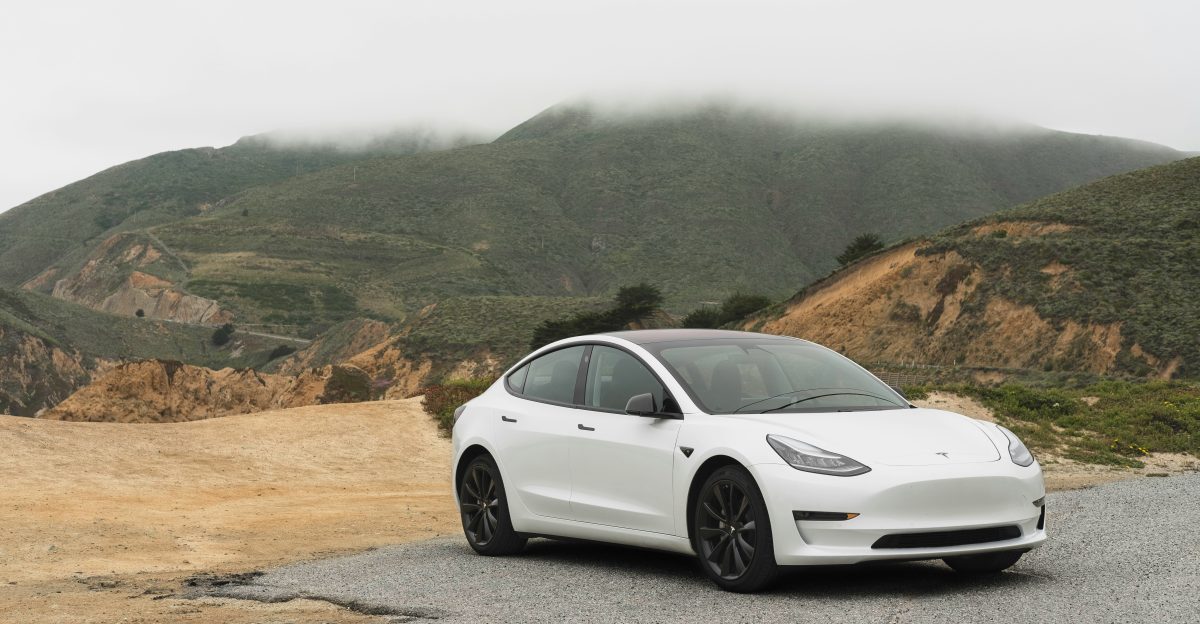
NHTSA’s own closing statement carried a telling qualifier: “The closing of this investigation does not constitute a finding that a safety-related defect does not exist.” Regulators cleared the feature while keeping the door cracked open. For 2.6 million Tesla owners, that means the parking feature stays active, no hardware retrofit required, but NHTSA reserves the right to reopen if future data warrants. Regulatory relief and regulatory uncertainty, delivered in the same sentence. Owners avoided the worst-case scenario. Whether they should feel fully comfortable is a different question.
The Rules Just Changed for Everyone
NHTSA has now signaled that software-only remediation can satisfy safety mandates for autonomous vehicle features. That precedent reaches beyond Tesla. Volkswagen, BMW, Mercedes, and every automaker developing autonomous parking now operates under a new assumption: if your incident data shows low severity and you can push wireless fixes, a recall mandate becomes less likely. The 15-month investigation produced a 15-year precedent. Future autonomous features will be designed with this regulatory pathway in mind, and manufacturers will pre-plan software patches before launch, knowing code can substitute for hardware.
Winners, Losers, and the Liability Shift
Tesla avoided an estimated recall cost that could have reached into the billions for 2.6 million vehicles. Sensor suppliers face accelerating pressure as camera-only systems gain regulatory validation. Dealership networks lose recall traffic revenue. And Tesla owners? Their feature stays enabled, but investigation closure quietly shifts liability perception. If the government says the system works and a future incident causes real injury, the legal question becomes whether the owner misused a validated feature. Same closure. Different winners depending on where you sit.
The Cascade Keeps Moving
Tesla will almost certainly expand Actually Smart Summon to Cybertruck and future models now that regulatory uncertainty has cleared. Sensor component suppliers will likely lobby NHTSA to raise safety thresholds for camera-only systems. Class-action litigation could emerge if future incidents cause injuries that challenge the closed-investigation decision. And the FSD investigation, still escalating, could produce the exact opposite outcome for the same company. One investigation closed. The system it validated is still writing new rules. The cascade from 97 parking lot fender-benders reaches further than anyone in that parking lot imagined.
Sources:
“ODI Resume, Preliminary Evaluation PE24033 – ‘Actually Smart Summon.’” National Highway Traffic Safety Administration, 3 Apr 2026.
“‘NHTSA Closes Tesla Smart Summon Probe After 159 Incidents.’” Electrek, 5 Apr 2026.
“‘NHTSA Ends Probe Into Tesla Remote Driving Feature After Finding Only Low-Speed Crashes.’” Insurance Journal (via Reuters), 5 Apr 2026.
“‘Tesla Vision Update: Replacing Ultrasonic Sensors with Tesla Vision.’” Tesla, 2023.